Cheba Hut Brings New Joint to Sooner Country as Franchise Expansion Continues in Oklahoma

The landscape of the Oklahoma dining scene is set to experience a significant shift in its casual-dining sector with the arrival of the newest Cheba Hut “Toasted” Subs location. Situated at 1800 24th Ave. NW in Norman, the establishment is scheduled to officially open its doors to the public on Thursday, Nov. 5. This expansion marks a strategic milestone for the franchise, which has rapidly established a foothold in the state through the efforts of local franchisees Rose Taylor and Steven VanCauwenbergh. The new Norman location represents the third iteration of the brand within the Oklahoma market, following successful launches in Oklahoma City’s Uptown district and Edmond earlier this year.
Strategic Location and Market Integration
The choice of location for the Norman facility is indicative of a broader strategy employed by the Cheba Hut brand: identifying high-density, student-adjacent areas to maximize foot traffic and brand visibility. Positioned just 10 minutes from the University of Oklahoma campus and within the immediate vicinity of major student housing complexes, the restaurant is designed to cater to both the collegiate demographic and the broader Norman community.
Proximity to Interstate 35 also provides a logistical advantage, ensuring that the restaurant remains accessible to regional commuters and travelers. By situating the business at the intersection of student life and urban convenience, the franchisees are positioning the brand to capture a significant share of the local quick-service market, which has seen an increasing demand for differentiated, experience-driven dining concepts.
Chronology of Expansion
The entry of Cheba Hut into the Oklahoma market has been a methodical process characterized by steady growth. The expansion trajectory began earlier this year with the introduction of the Uptown, Oklahoma City location, which served as the brand’s pilot for the region. This was followed by the successful opening of the Edmond storefront in August. The transition to Norman in November completes the current phase of the franchisees’ expansion plan for 2026.
This rapid rollout—three locations within a single calendar year—highlights the operational capacity of the franchise partners. According to industry analysts, such a pace of expansion typically requires a robust supply chain and a localized management team capable of maintaining brand standards while adapting to regional consumer preferences. For Rose Taylor, an alumna of the University of Oklahoma, the Norman opening serves as the centerpiece of this expansion, aligning professional objectives with personal ties to the community.

Brand Identity and Architectural Design
Cheba Hut distinguishes itself from conventional fast-casual sandwich chains through a thematic approach that draws heavily from 1970s counterculture aesthetics. This is not merely a stylistic choice but a core component of the brand’s value proposition. The Norman location features custom murals by artist Joshua Finley, which integrate elements of local culture—such as a retro-inspired roller girl—with the brand’s signature psychedelic design motifs.
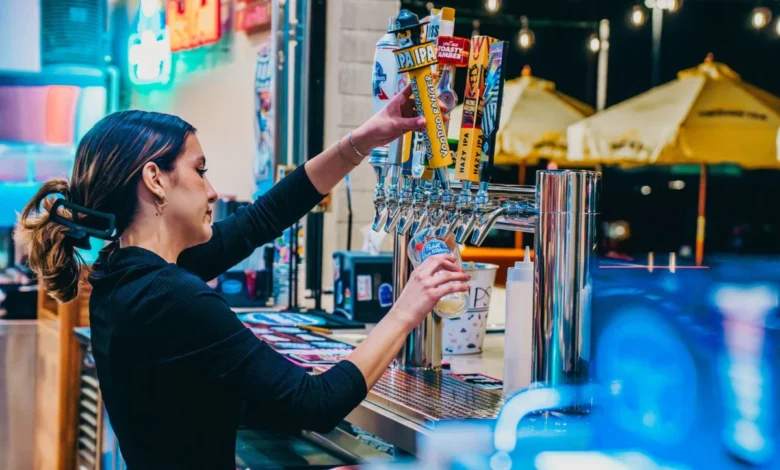
The architectural layout of the new space is designed to facilitate both daytime dining and late-night social gatherings. By incorporating a full-service bar and an outdoor patio, the establishment moves beyond the traditional "grab-and-go" sandwich shop model, aiming instead to serve as a third-space environment. This hybrid model—part restaurant, part social venue—is a calculated effort to increase the average ticket size and improve customer retention rates during evening hours.
Menu Composition and Operational Standards
The operational success of Cheba Hut is predicated on a menu that prioritizes thematic consistency and product quality. The brand offers over 30 varieties of toasted subs, categorized by sizing nomenclature that references cannabis culture—Nug, Pinner, and Blunt. This branding strategy serves to foster a recognizable identity that appeals to a specific demographic while maintaining a menu that functions independently of its thematic marketing.
Data regarding consumer preferences in the fast-casual sector suggests that brand differentiation is a primary driver of market share. Cheba Hut’s menu includes high-margin items such as the "White Widow" (chicken, bacon, and ranch) and the "Griefo" (a vegetarian option featuring cream cheese and guacamole), which cater to diverse dietary preferences. Furthermore, the inclusion of a "Kool-Aid bar" and a selection of snacks—referred to as "munchies"—creates a comprehensive dining experience that encourages higher levels of per-customer spending.
Economic and Industry Implications
The expansion of the Cheba Hut brand in Oklahoma reflects a broader trend in the hospitality industry: the rise of "experience-based" fast-casual dining. In an era where consumers have a high degree of choice, brands that can provide an immersive atmosphere, as well as high-quality food, are outperforming more utilitarian competitors.
A recent analysis by market research firm LOOP AI underscored this trend, naming Cheba Hut the "Most Loved Delivery Brand" in the United States. This accolade, based on customer sentiment and delivery satisfaction data, suggests that the brand’s popularity is not limited to its in-store experience. The ability to translate the "toasted" theme into a successful delivery model is a critical factor for success in the modern, digital-first restaurant landscape.

From an economic perspective, the opening of this location contributes to local job creation and adds to the competitive landscape of the Norman food service industry. While larger chains rely on economies of scale, brands like Cheba Hut leverage local franchising to foster community integration. By hiring locally and engaging with the community through grand opening events—such as the planned celebration featuring DJ Terpenoid—the brand seeks to establish immediate rapport with local residents.
Official Responses and Future Outlook
The franchisees have expressed optimism regarding the Norman market, emphasizing that the location is not a "cookie-cutter" project. "We wanted a place that feels like it’s been here all along," said Rose Taylor, noting that the design and operational flow were tailored specifically to the energy of the OU community.
As the brand looks beyond the Norman launch, industry observers will be watching to see how the franchise manages its growth. With three locations already established in the state, the next logical step for the brand may involve further regional saturation or the exploration of secondary markets within Oklahoma.
The success of the brand in this region will likely hinge on its ability to maintain consistency across its locations while continuing to innovate its menu and service delivery. With the current consumer demand for brands that offer both convenience and a strong, defined identity, Cheba Hut is well-positioned to maintain its trajectory. The combination of a strong, recognizable theme, a flexible operating model, and a data-backed approach to delivery makes the brand a significant player in the evolving fast-casual ecosystem.
Conclusion
The grand opening on Nov. 5 serves as both a conclusion to the 2026 expansion phase and a new beginning for the brand’s presence in Norman. With the first 100 guests promised promotional swag and a community-focused atmosphere, the event is expected to draw a significant crowd, further cementing the brand’s reputation in the region. As Cheba Hut continues to refine its "counterculture" approach, it stands as a case study in how niche thematic branding, when backed by consistent operational quality, can successfully navigate the complexities of the modern restaurant industry. The establishment of this new "joint" is more than just a business transaction; it is an attempt to integrate a distinct cultural narrative into the fabric of the Norman dining scene, offering a specialized experience that aims to leave a lasting impression on the local market.