The Essence of Le Grollet
The Black Pearl edition is not merely a high-value spirits product; it is a meticulously engineered sensory experience. At its core, the project seeks to capture the atmosphere of the Le Grollet cellar, a site of immense historical significance for Louis XIII. The cellar, known for its unique humidity and temperature profiles, serves as the spiritual home where the most precious eaux-de-vie are laid to rest.
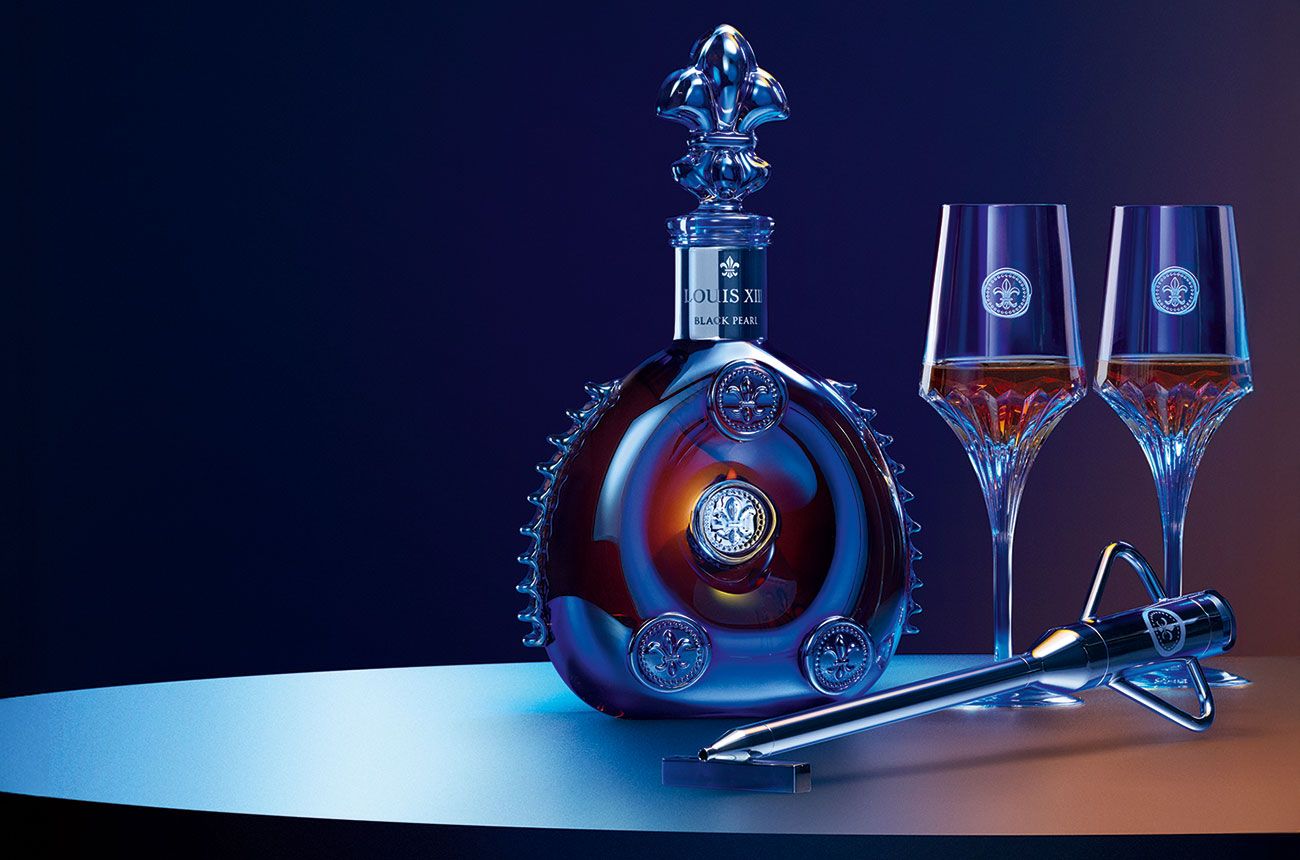
To preserve the volatile, delicate compounds that define this specific blend, Louis XIII has encased the decanter in a bespoke "cooling cellar" cabinet. By maintaining a constant temperature of 13°C, the presentation mimics the chill of a French winter inside the cellar, effectively pausing the aging process and ensuring that the volatile aromatics—which usually dissipate rapidly at room temperature—remain intact for the drinker.
A Chronology of Craft
The blend itself is a marriage of time and geography. It combines a single cask of Louis XIII with an exceptionally rare eau-de-vie distilled during the early 20th century. This decision to integrate pre-war spirit adds what Cellar Master Baptiste Loiseau describes as "raw authenticity."
The production timeline for such a release is measured in decades rather than years. The maturation process of the eaux-de-vie utilized in this blend predates modern industrial production methods, requiring the expertise of generations of cellar masters to monitor and maintain the casks. The selection process for Black Pearl involved assessing dozens of casks from the private family reserve, ultimately settling on a profile that balances the traditional elegance of the Louis XIII house style with the rugged, earthy character of the early 1900s distillation.
Sensory Profile and Tasting Notes
At the target serving temperature of 13°C, the spirit exhibits a structural profile that is distinct from standard room-temperature Cognac. Initial notes are characterized by a pronounced savouriness; tasters have noted an earthy intensity, dominated by beeswax, toasted nuts, and the olfactory sensation of a fresh coffee grinder.
As the spirit slowly warms in the glass, it undergoes a metamorphosis. The cooling mechanism provides a controlled transition, allowing more delicate top notes to emerge. The palate shifts toward floral nuances of jasmine and iris, eventually giving way to the deeper, stone-fruit sweetness of dried apricot and a persistent, sharp finish of anise. The texture, often described as broad and creamy, coats the palate, ensuring that the finish lingers for an extraordinary duration, a hallmark of the longest-aged spirits in the Cognac region.
Market Context and Scarcity
The global allocation for this release is strictly limited to 398 decanters. This scarcity is a strategic move to maintain the brand’s positioning at the extreme high end of the luxury spirits market. With only 27 decanters allocated to the United Kingdom, the release highlights the intensifying competition among high-net-worth collectors for "trophy" spirits.
The inclusion of these bottles at the Louis XIII boutique in Harrods underscores the brand’s commitment to the London luxury retail sector, which has seen a 12% year-on-year increase in demand for rare, investment-grade spirits. The price point of £21,000 places the Black Pearl in the upper echelons of the secondary market, where such items are increasingly treated as liquid assets rather than consumable goods.
The Evolution of Luxury Spirits
The trend toward "experiential" luxury, as seen with the cooling cabinet, indicates a broader shift in the spirits industry. Consumers at this level are no longer just purchasing a product; they are purchasing a methodology. By providing the tools to maintain the spirit at its ideal, cellar-specific temperature, Louis XIII is effectively controlling the consumer experience long after the bottle has left the cellar.
This move follows a wider trend of "premiumization," where Cognac producers are distancing themselves from standard VSOP and XO categories by creating hyper-limited, narrative-driven products. The use of a "cooling cabinet" also aligns with the broader culinary trend of temperature-sensitive service, similar to the precision required in fine wine service or specialty sake consumption.
A Departure in Bar Culture: The Proika Cocktail
While the Black Pearl represents the pinnacle of traditional, neat-consumption luxury, the wider world of high-end spirits continues to innovate through mixology. The recent unveiling of the "Polykatoikia" menu at The Clumsies in Athens serves as a counterpoint to the static, historical reverence of the Black Pearl.
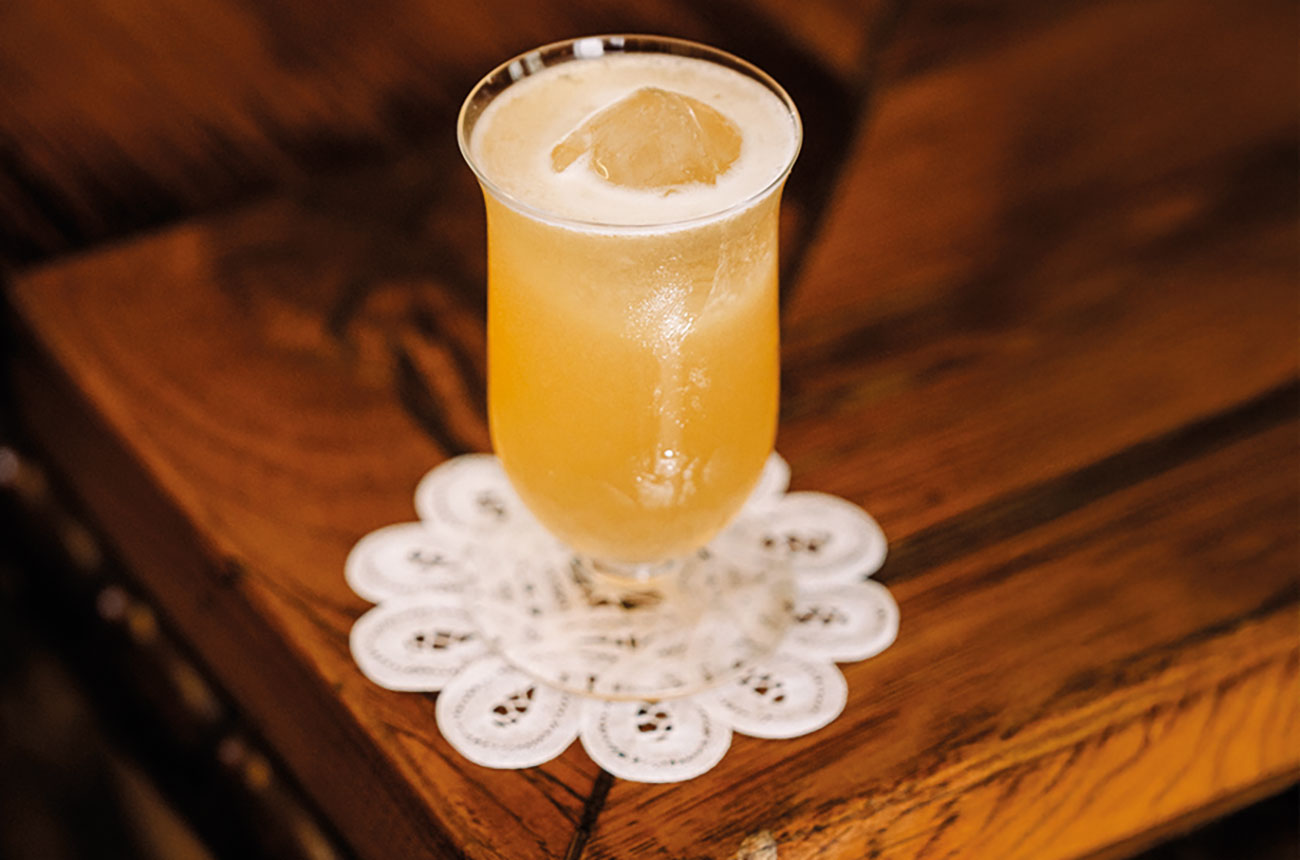
The "Proika" cocktail, inspired by sculptor Argyris Rallias, represents the experimental side of the industry. Where the Black Pearl focuses on preserving the purity of the past, the Proika focuses on the deconstruction of flavour profiles. By incorporating blue cheese-infused vodka, fig cordial, and sundried tomato, the drink challenges traditional notions of what a cocktail can be.
The preparation of such a drink is a labor-intensive process, involving the creation of bespoke infusions. The blue cheese vodka, for instance, requires a precise ratio of cheese to spirit, followed by a fat-washing process to remove the heavy solids while retaining the umami character of the cheese. This juxtaposition—the ultra-pure, historical Cognac versus the complex, modern culinary cocktail—illustrates the two divergent paths currently shaping the global spirits market.
Implications for Collectors and Connoisseurs
For the serious collector, the Black Pearl represents a significant addition to the historical record of Cognac. The use of early 20th-century eaux-de-vie serves as a bridge to a bygone era of viticulture, offering a taste profile that can never be truly replicated once the current stock is exhausted.
However, the high barrier to entry and the extreme scarcity raise questions about the long-term accessibility of such spirits. As major houses increasingly focus on these ultra-limited releases, the gap between "standard" premium offerings and "investor-grade" spirits continues to widen. This has significant implications for the secondary market, where auction prices for such limited editions are likely to appreciate as the remaining decanters are consumed or permanently locked away in private collections.
Furthermore, the emphasis on the "birthplace" of the Cognac reinforces the importance of terroir. In an era of increasing globalization, the focus on the specific Le Grollet cellar is a strategic effort to ground the brand in physical, unmovable reality. It reminds the consumer that despite the global reach of the brand, the product is fundamentally tethered to a specific plot of land and a specific set of environmental conditions in the Charente region.
Future Outlook
As the spirits industry moves into the latter half of the decade, the integration of technology—such as the active cooling cabinet—is expected to become a standard feature for high-value releases. This transition from "passive" storage to "active" preservation ensures that the intent of the Cellar Master is preserved in perpetuity, provided the consumer follows the prescribed ritual.
Whether viewed as a masterpiece of liquid history or a triumph of luxury marketing, the Black Pearl: Tribute to the Birthplace of Louis XIII stands as a testament to the enduring appeal of craft. By blending the historical gravitas of the early 1900s with the precision of 21st-century preservation, the House has set a new benchmark for what can be achieved in the world of high-end, limited-edition spirits. For the 398 individuals who secure a decanter, the experience will be one of profound, cold-cellar authenticity—a fleeting moment of the past, captured in blue-highlighted crystal.
Related posts: