Air Fryer Mofongo Recipe Brings Lighter Twist to Caribbean Culinary Tradition

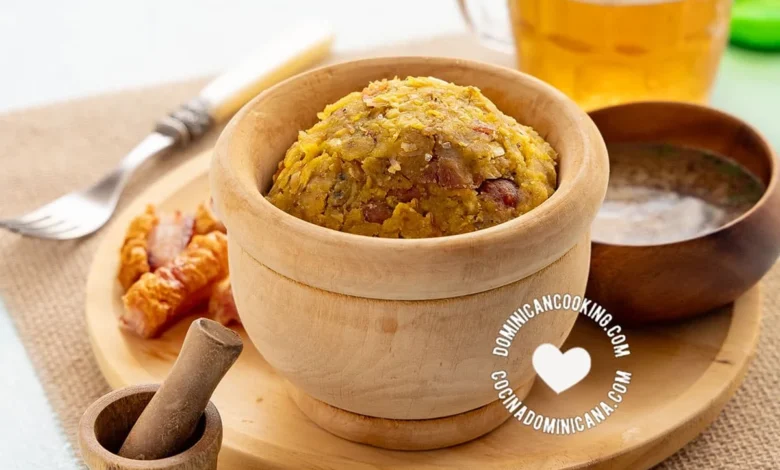
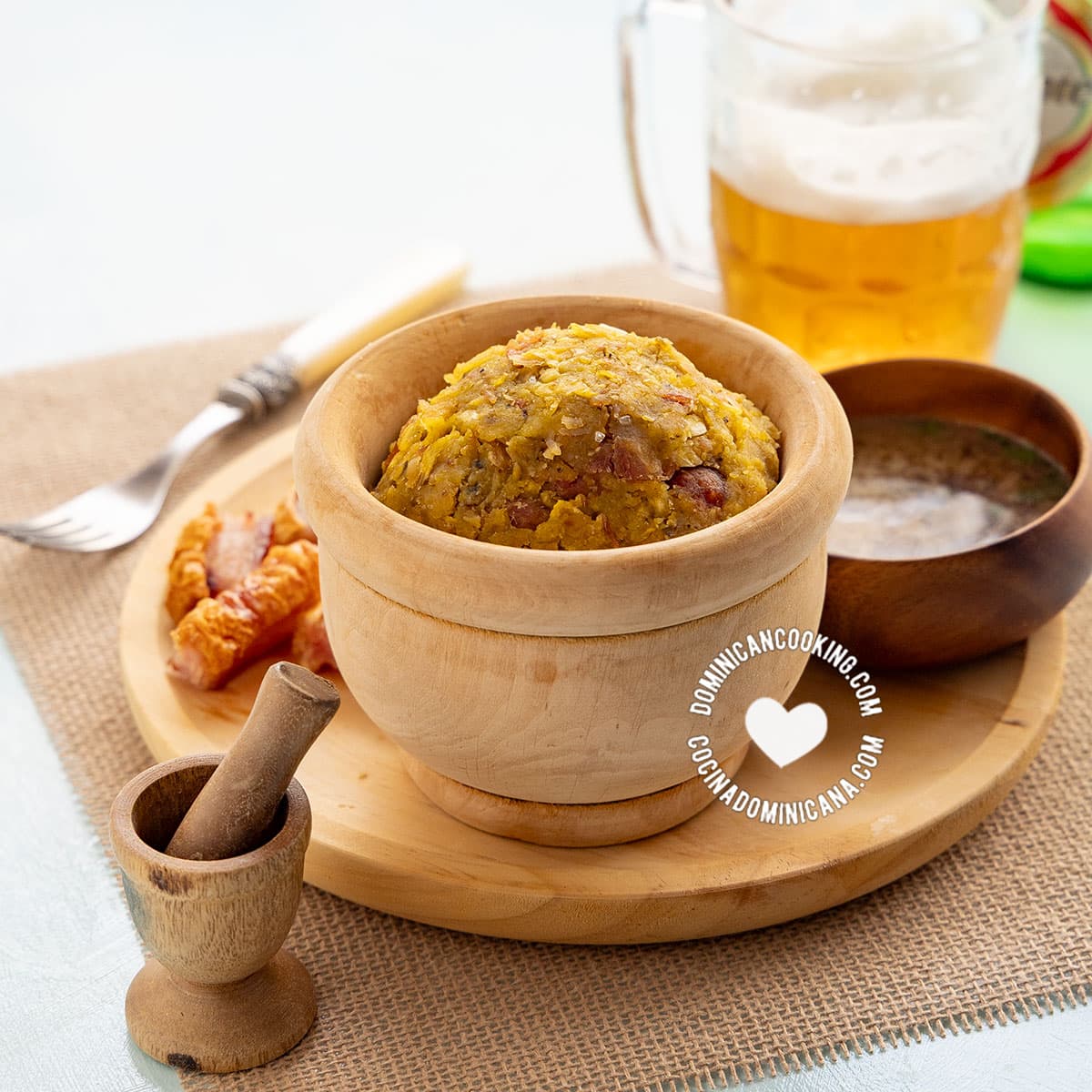
The landscape of Caribbean home cooking is undergoing a quiet technological evolution as traditional high-calorie staples meet modern kitchen appliances. A prominent example of this culinary adaptation is the introduction of air-fried mofongo, a lighter variation of the iconic plantain-based dish deeply rooted in Dominican and Puerto Rican culinary heritage. Developed by home economist and recipe creator Clara Gonzalez of Dominican Cooking, this modern recipe successfully replicates the savory texture and distinct garlic-and-pork profile of traditional mofongo while eliminating the deep-frying process that has long characterized its preparation.
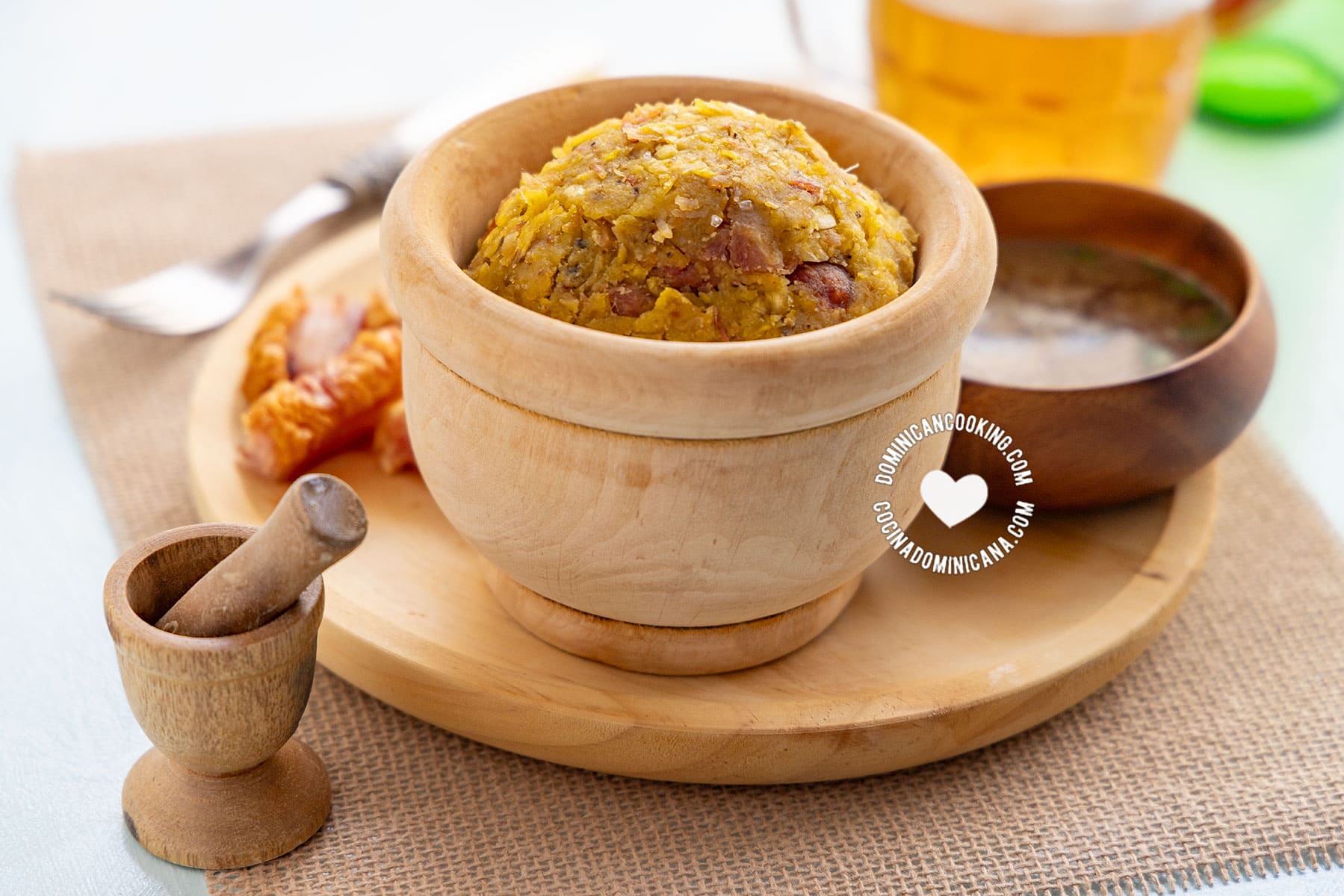
Mofongo stands as one of the most celebrated plantain recipes across the Caribbean diaspora. Traditionally, the dish is prepared by frying green plantains until tender, then transferring them to a wooden mortar—known as a pilón—where they are mashed aggressively with garlic, salt, olive oil, or broth, and typically combined with chicharrón (crispy fried pork rinds). While culturally revered and profoundly flavorful, the conventional frying method presents distinct challenges for the modern home cook. Chief among these are the significant caloric density of the dish, the safety hazards associated with hot oil splatters, and the laborious cleanup required after deep-frying.
The integration of air fryers into Latino households marks a broader shift in how traditional criollo dishes are executed. Culinary historians note that while fried mofongo remains the dominant commercial and domestic preparation, historical roots of the dish actually trace back to earlier cooking techniques that favored roasting plantains over submerging them in boiling oil—a method conceptually similar to roasting sweet potatoes or batatas. By substituting the deep fryer with a convection air-frying mechanism, contemporary cooks are able to achieve the necessary internal tenderness and exterior crispness of the plantains using a fraction of the fat.

From a nutritional standpoint, the transition yields measurable adjustments to the dish’s macronutrient profile. Standard restaurant-style mofongo frequently exceeds baseline caloric expectations due to the absorption of cooking oils during the initial frying phase. The air-fried iteration streamlined by Gonzalez registers approximately 690 kilocalories per serving, alongside 58 grams of carbohydrates, 37 grams of protein, and 36 grams of fat. Nutrition experts emphasize that while the dish remains a substantial main course—rich in potassium (884 mg) and dietary fiber derived from green plantains—the reduction in saturated and trans fats from commercial frying oils represents a notable nutritional improvement for consumers monitoring their cardiovascular health.
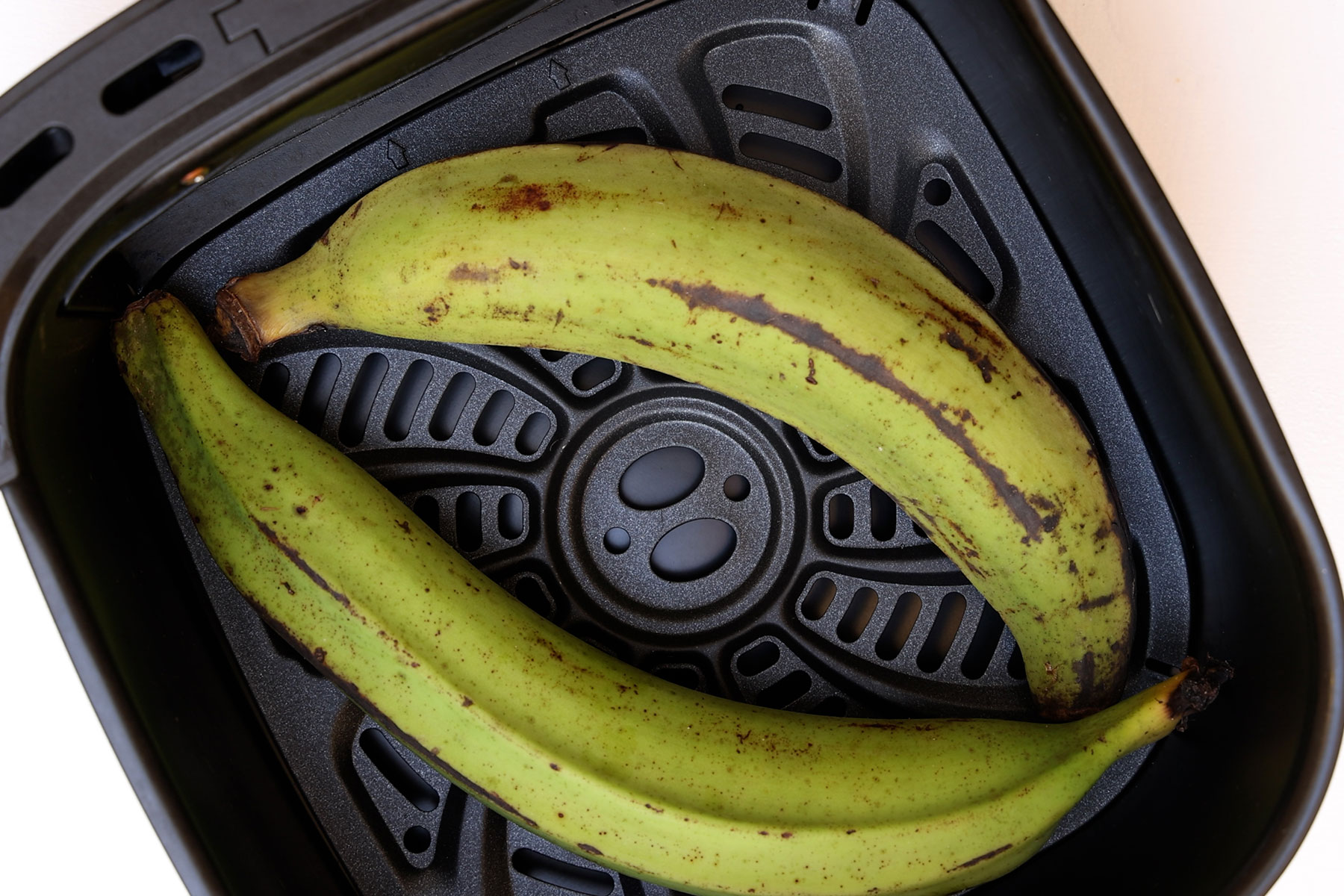
The operational workflow for preparing air-fryer mofongo requires a structured, multi-step chronology designed to mimic the texture of boiled and fried plantains without the immersion bath. The process begins with the initial cooking phase, where peeled green plantains are seasoned and placed into the air fryer to cook through until softened. Following this initial thermal softening, the plantains are chopped and subjected to a secondary cooking phase within the appliance to develop a golden exterior crust. The final stages mirror traditional preparation: the hot plantain pieces are transferred to a mortar and pestle, where they are pulverized alongside roasted garlic, broth, and seasoned pork cracklings until cohesive, then shaped into the characteristic dome form before serving.
The broader cultural implications of adapting Caribbean recipes for air fryers reflect a growing intersection between health consciousness and culinary preservation among immigrant communities. Across platforms dedicated to Dominican and Puerto Rican cuisine, home cooks increasingly experiment with air-fryer adaptations of classic dishes, including mangú, tostones, and maduros. This trend underscores a concerted effort to maintain cultural identity and traditional flavor profiles while aligning with contemporary dietary guidelines that prioritize lower oil consumption and reduced kitchen maintenance.
Food industry analysts observe that the popularity of air fryers in Latin American households has transformed digital recipe curation. Content creators specializing in traditional ethnic cuisines are finding high engagement rates when publishing modified versions of heritage meals. These adjustments do not seek to replace foundational recipes, but rather to expand accessibility for busy families, urban dwellers with limited kitchen ventilation, and health-conscious consumers who might otherwise avoid preparing labor-intensive traditional foods.
As culinary innovators continue to refine these methods, dishes like air-fryer mofongo demonstrate that cultural heritage and modern dietary adaptations can successfully coexist. By bridging the gap between ancestral flavors and contemporary appliance technology, home cooks are preserving the rich tapestry of Caribbean gastronomy for future generations while fostering a more sustainable approach to everyday meal preparation.