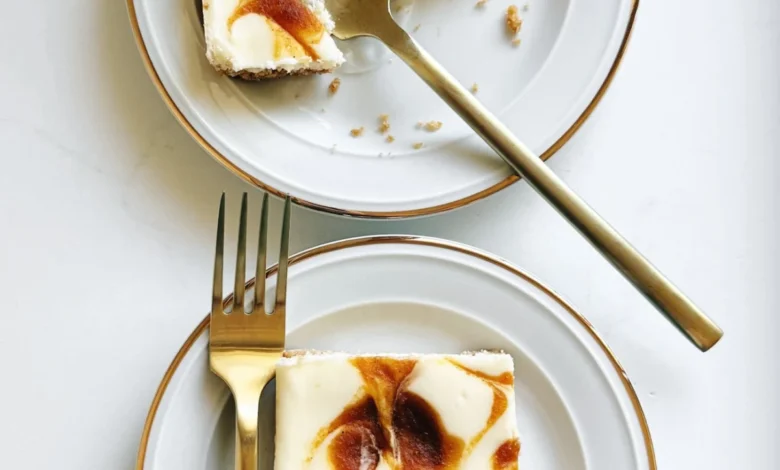
As autumn culinary traditions pivot toward efficient, high-yield desserts suited for large gatherings, home bakers and professional pastry chefs alike are embracing a streamlined approach to seasonal classics. Released ahead of the peak holiday hosting season on November 10, 2026, a newly popularized recipe for Sheet Pan Pumpkin Cheesecake Bars offers a distinct departure from traditional deep-dish or springform cheesecakes. By utilizing a standard half-sheet pan, this method produces a thinner, structurally uniform dessert designed to maximize servings while significantly reducing preparation and baking complexities.
The culinary mechanics behind the recipe center on a delicate balance of textures and flavor profiles. Traditional cheesecakes often require water baths, prolonged baking times, and delicate temperature management to prevent cracking. In contrast, the sheet-pan variation bakes rapidly into a thin, cohesive bar featuring a robust graham cracker crust, a spiced pumpkin foundation, and a tangy cream cheese layer. Culinary developers behind the recipe note that incorporating sour cream alongside traditional cream cheese introduces a vital element of depth and acidity, cutting through the dense richness typical of autumn baked goods. Furthermore, the inclusion of a modest amount of flour within the graham cracker crust provides essential structural integrity, ensuring the thin base releases cleanly from the pan without crumbling—a common technical hurdle in large-scale bar baking.
Evolution of Holiday Baking and the Rise of Sheet Pan Desserts
The transition toward sheet pan-based desserts reflects broader shifts in domestic and commercial baking trends over the past decade. Historically, holiday entertaining demanded time-intensive, multi-tier desserts or individual tarts that required extensive labor and specialized equipment. As modern households increasingly host large gatherings with diverse dietary requirements and limited kitchen space, recipe developers have focused on scalable solutions.
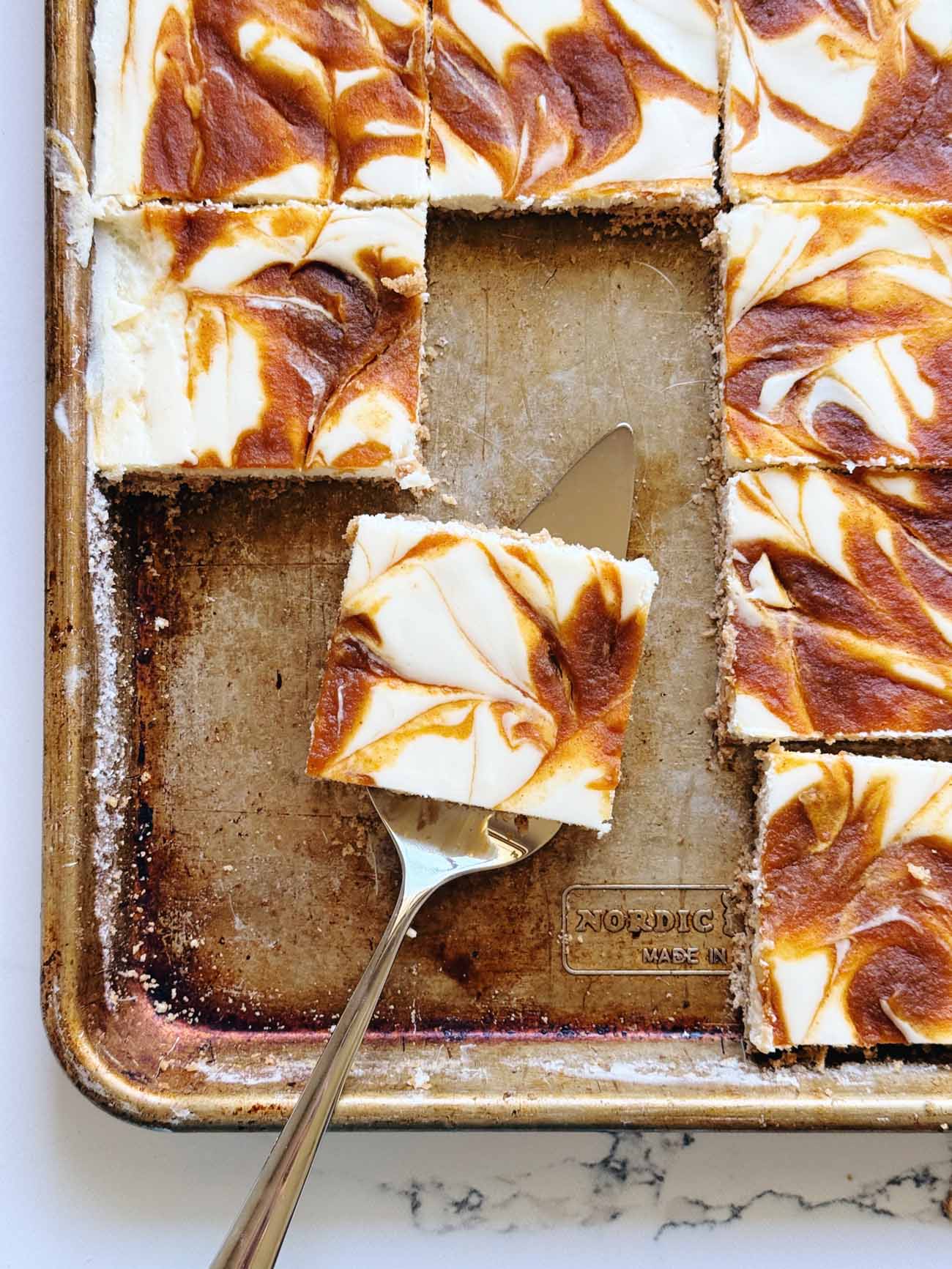
Baking cheesecake in a half-sheet pan yields approximately 24 standard servings, making it an efficient alternative to traditional 9-inch round pans that typically serve 12 to 16 guests with thicker slices. This format change not only accelerates baking times due to the decreased depth of the batter but also standardizes portion control. For bakers needing smaller quantities, the recipe remains adaptable; it can be halved and baked in a standard 9-by-13-inch pan while maintaining the single-egg proportion required for proper binding and structural stability.
Technical Specifications and Ingredient Dynamics
The formulation of the Sheet Pan Pumpkin Cheesecake Bars relies on precise chemical interactions between dairy proteins, starches, and binding agents. The crust combines finely milled graham cracker crumbs with granulated sugar, melted butter, and a measured addition of all-purpose flour. While traditional crumb crusts rely solely on butter to set upon cooling, the introduction of flour adds gluten development that binds the crumbs more securely during the slicing phase. For individuals requiring gluten-free alternatives, standard graham cracker crumbs can substitute for the flour-infused mixture, though bakers must navigate a more delicate crust prone to higher crumb displacement.
The filling is divided into two distinct components: a lightly spiced pumpkin base and a rich cream cheese layer. The pumpkin component utilizes standard puréed squash blended with warm spices such as cinnamon, nutmeg, and ginger, which balance the natural sweetness of the squash. Concurrently, the cream cheese layer incorporates high-fat dairy staples—specifically cream cheese and sour cream—whipped to incorporate air before the addition of whole eggs. This dual-layer or marbled approach ensures that neither flavor overpowers the palate, allowing the tanginess of the fermented dairy to complement the earthy tones of the pumpkin.
Dietary Adjustments and Adaptability
Modern baking trends increasingly necessitate flexibility regarding dietary restrictions, and the sheet pan pumpkin cheesecake formula accommodates several modifications without compromising its foundational integrity. Beyond the previously noted gluten-free crust adjustment using pure graham crumbs, bakers have experimented with alternative fat sources and dairy-free cream cheese substitutes to cater to plant-based diets.
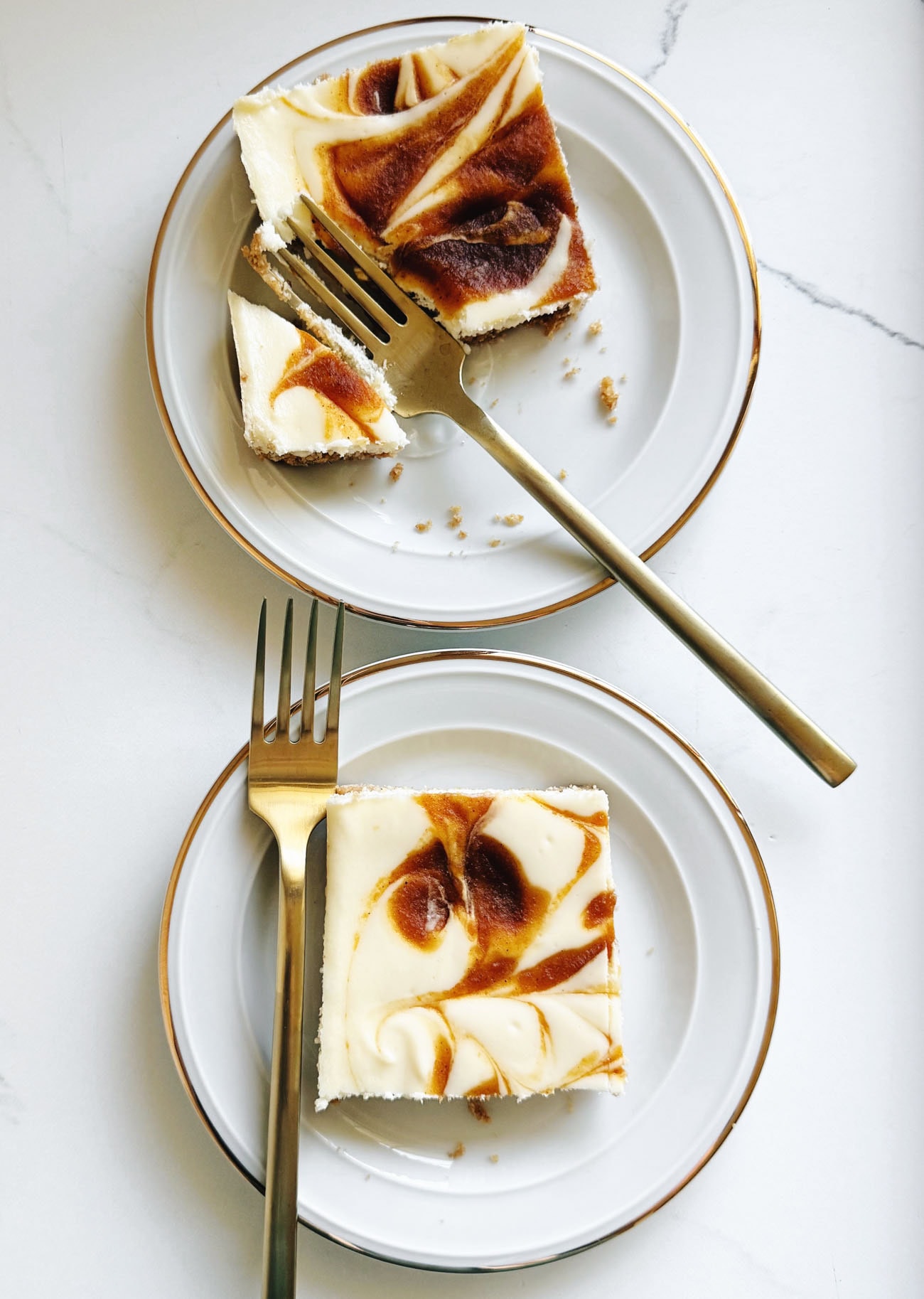
Nutritional analysts point out that while traditional cheesecakes are notoriously high in saturated fats and refined sugars, the thinner profile of a sheet pan bar naturally reduces the caloric and glycemic load per individual portion compared to a standard wedge of deep-dish cheesecake. This dimensional alteration appeals to health-conscious consumers who prefer portion-controlled holiday desserts that do not sacrifice traditional flavor profiles.
Economic and Logistical Implications for Holiday Hosting
The release of simplified, high-yield holiday recipes carries notable economic and logistical implications for seasonal home entertaining. The cost of ingredients for a single half-sheet pan of cheesecake bars remains comparable to, or lower than, purchasing multiple specialty holiday pies or preparing layered cakes that require advanced decorating skills.
From a logistical standpoint, the sheet pan format simplifies storage and refrigeration—a frequent bottleneck in domestic kitchens during Thanksgiving and winter holidays. Standard half-sheet pans fit efficiently onto refrigerator shelves without requiring the removal of racks or the precarious balancing acts associated with tall, multi-layered desserts. Once chilled and sliced into uniform geometric portions, the bars can be easily transferred to storage containers or served directly on platters, minimizing the labor required during peak hosting hours.
As culinary innovation continues to intersect with the practical demands of modern households, recipes like the Sheet Pan Pumpkin Cheesecake Bars demonstrate how traditional flavors can be successfully re-engineered for efficiency, scalability, and broad culinary appeal.