The annual tradition of preparing a pumpkin pie for holiday gatherings is a culinary endeavor that balances historical significance with precise chemical reactions. While the dish has remained a staple of North American autumn festivities for centuries, contemporary baking techniques have moved beyond traditional guesswork. Professional pastry chefs and food scientists have recently emphasized that achieving a consistent, silky custard—the hallmark of a high-quality pumpkin pie—requires a methodical approach to ingredient ratios, thermal management, and crust structural integrity.
Historical Context and Culinary Evolution
Pumpkin pie, in its earliest iterations, bore little resemblance to the modern custard-filled pastry familiar to contemporary households. Early versions dating back to the 17th century involved filling hollowed-out pumpkins with milk, spices, and honey, which were then baked in hot ashes. It was not until the 18th century that the transition to a crust-based pie became standardized in American cookbooks.
The evolution of the recipe has shifted significantly in the last two decades. While many traditional mid-century recipes relied on evaporated milk for stability, modern culinary standards favor a blend of fresh whole milk and heavy cream. This adjustment provides a richer mouthfeel and a more delicate protein structure, provided the baker adheres to strict temperature controls. The modern demand for efficiency, particularly during the high-pressure holiday season, has led to a focus on "work-ahead" workflows, allowing for the decomposition of the baking process into manageable stages that do not compromise the integrity of the final product.
The Physics of the Perfect Custard
At its core, a pumpkin pie is a set custard—a mixture of eggs, dairy, and pureed squash thickened by the coagulation of egg proteins. The primary challenge in baking this dish lies in managing the temperature gradient. If the custard is heated too quickly or reaches too high an internal temperature, the egg proteins undergo "syneresis," a process where the proteins tighten excessively and expel their liquid content. This results in the common defects of weeping, cracking, or a grainy texture.
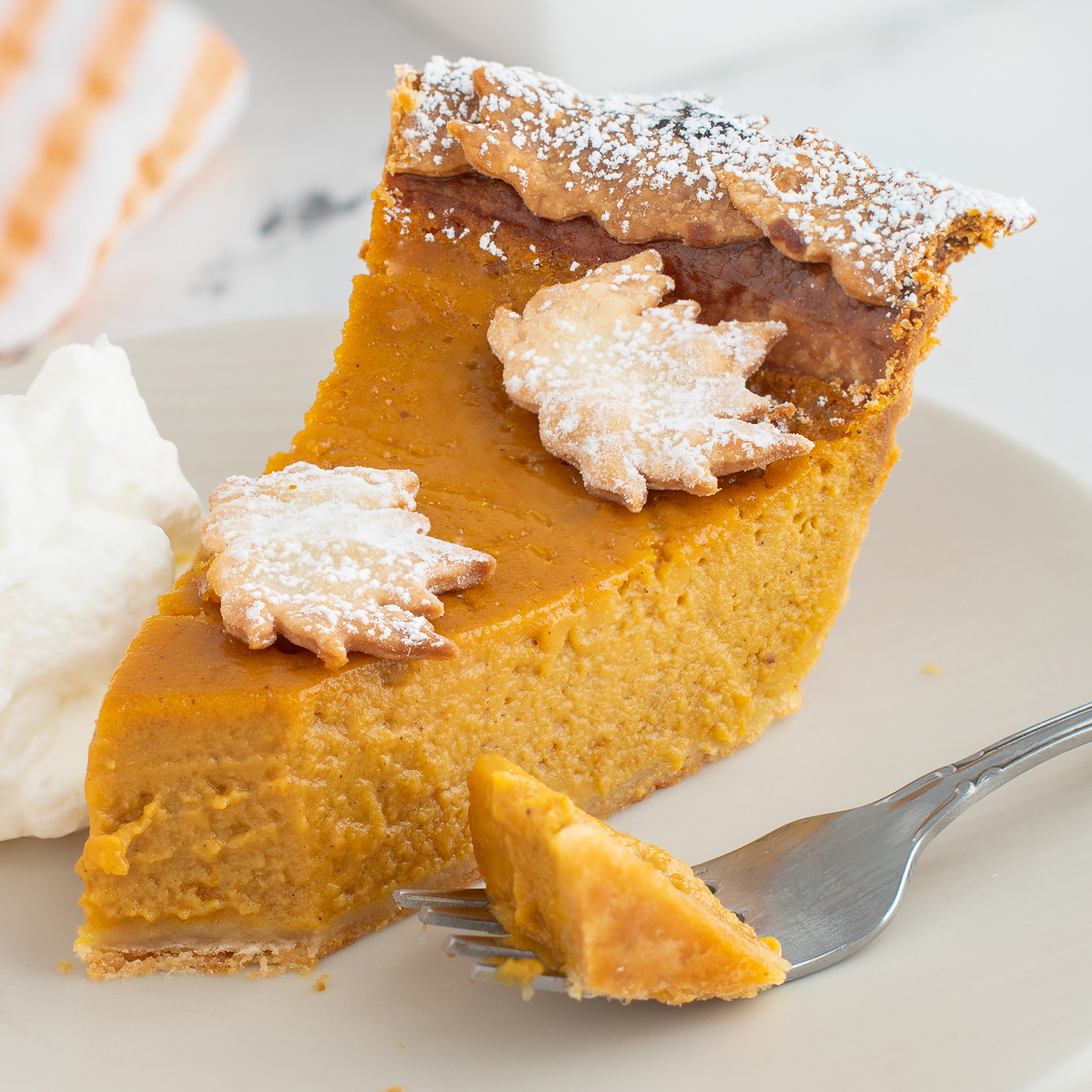
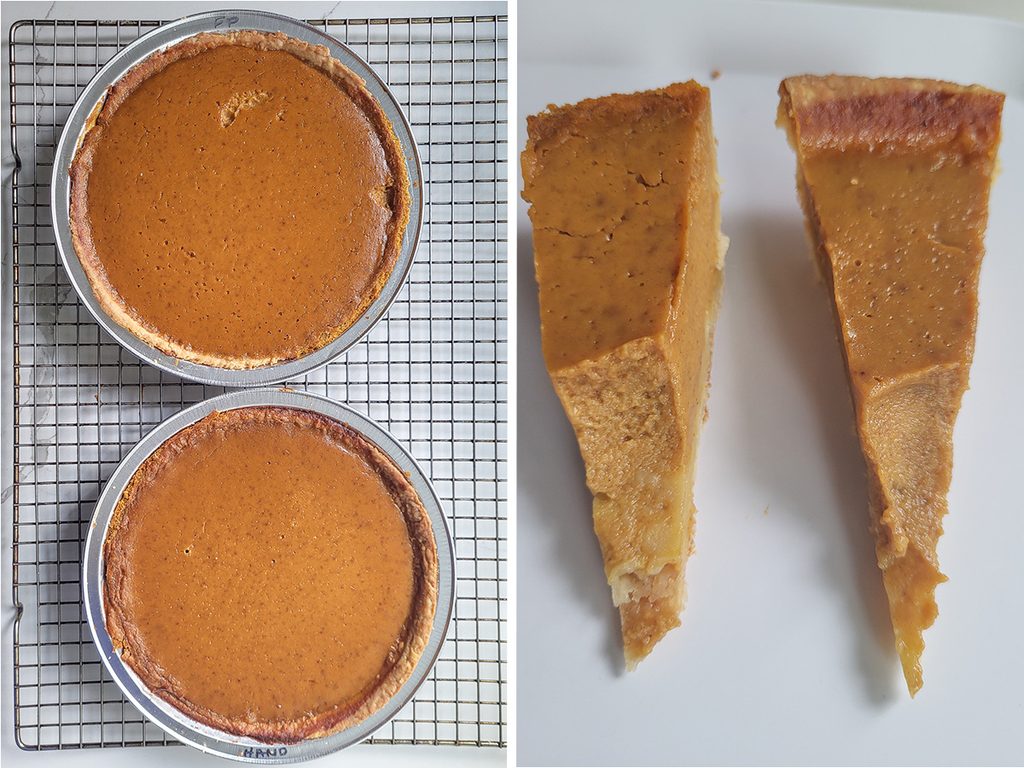
Recent testing confirms that an internal temperature of 175°F is the "sweet spot" for a finished pumpkin pie. At this temperature, the custard is set sufficiently to hold its shape upon slicing, yet remains tender. Bakers are advised to pull the pie from the oven when the center retains a slight, gel-like jiggle; the carry-over heat during the cooling phase is sufficient to complete the setting process. If the center is firm to the touch while still in the oven, it is statistically likely to be overbaked, which leads to the structural failures often observed in home kitchens.
Structural Integrity: The Par-Baking Mandate
A recurring failure point in home-baked pumpkin pies is the "soggy bottom." This occurs when the moisture from the custard base migrates into the raw dough before the crust has had sufficient time to set. The industry-standard solution is the process of par-baking, or "blind baking."
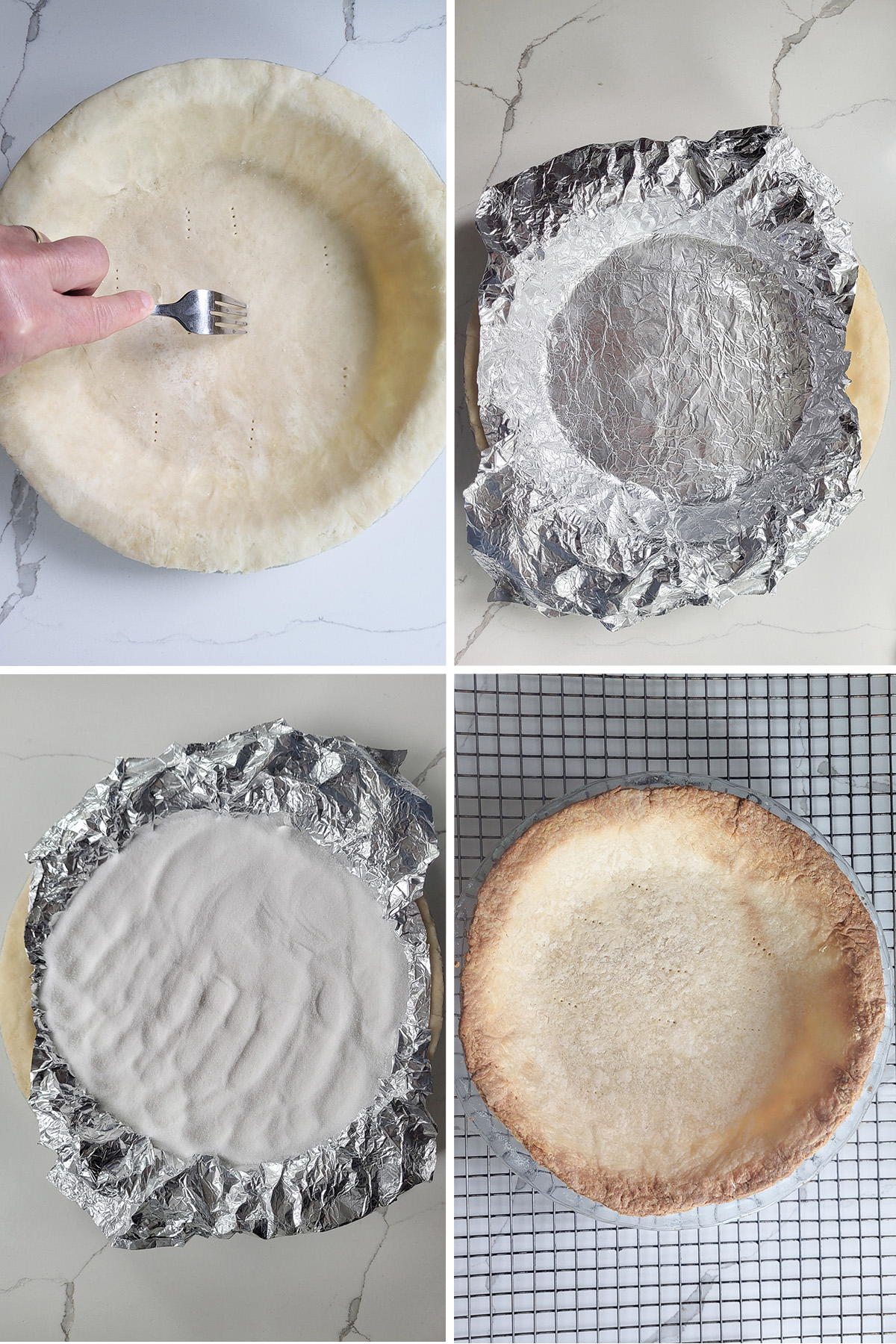
By baking the crust shell before the addition of the filling, the starch granules in the flour are allowed to gelatinize and the fat in the dough begins to solidify, creating a moisture-resistant barrier. To prevent the crust from slumping, professional kitchens utilize weights. While specialized ceramic or metal pie weights are common, data suggests that common granulated sugar serves as a highly effective, cost-efficient alternative. When used as a weight, the sugar is toasted during the par-bake, creating a secondary culinary ingredient that can be repurposed for subsequent recipes, thereby minimizing food waste.
The Role of Technology in Texture
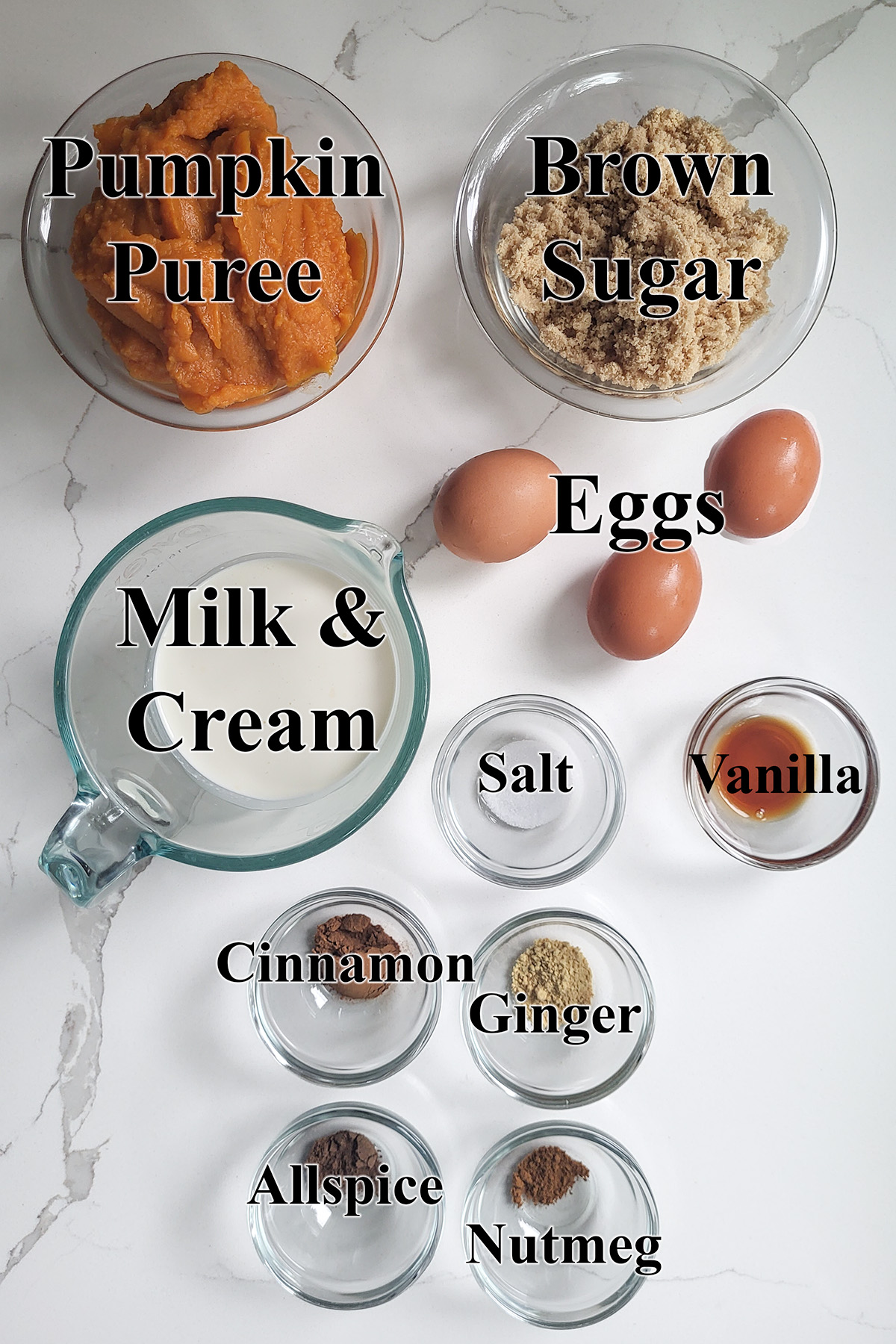
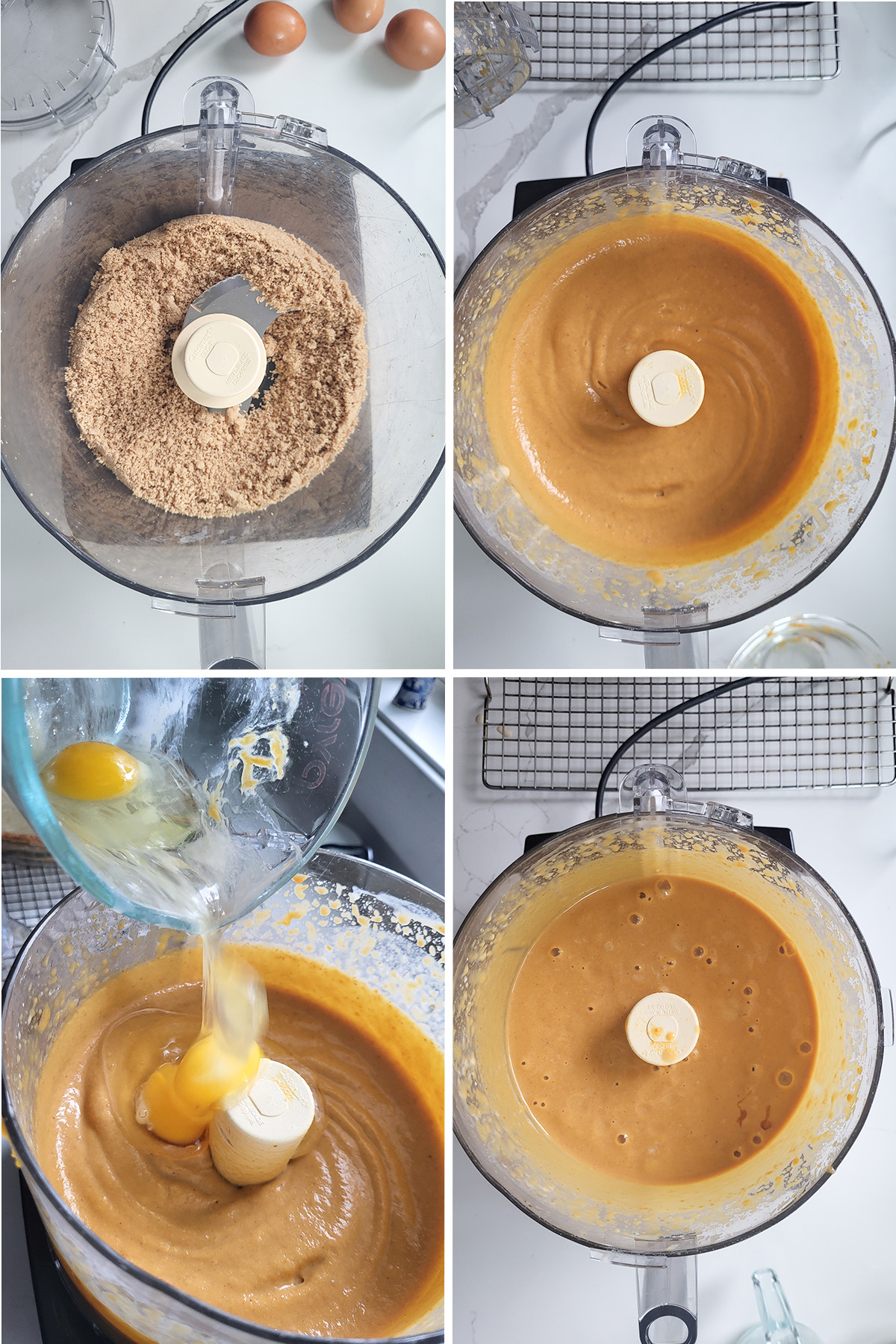
The use of a food processor for mixing the custard has moved from a convenience feature to a recommended technical step for texture optimization. The mechanical shearing action of the processor blades breaks down the pumpkin fibers more effectively than manual whisking. Furthermore, passing the completed mixture through a fine-mesh strainer is a critical quality-control step. This removes any residual coarse fibers from the pumpkin and eliminates small bubbles or unmixed bits of egg, ensuring a homogeneous, silky consistency throughout the finished pie.
Timeline for Professional-Grade Execution
For those managing holiday logistics, the process can be successfully spread over a 48-hour window without losing quality:
- Day 1: Prepare the pie crust, roll it out, and fit it into the pie dish. Chill the dough for at least one hour to prevent shrinkage.
- Day 2 (Morning): Par-bake the crust using weights. Prepare the pumpkin filling, strain it, and store it in an airtight container in the refrigerator.
- Day 2 (Afternoon): Assemble and bake the pie. The pie requires approximately two hours of cooling time at room temperature to stabilize before it can be moved to the refrigerator.
- Day 3: Service. The pie should be fully chilled, which allows for clean, sharp slices.
Troubleshooting Common Culinary Defects
Analysis of common failures reveals that most issues are linked to thermal mismanagement. A cracked surface is almost exclusively the result of excessive heat or overbaking. In the event of a cracked surface, many professional bakers recommend the "whipped cream concealment" method—a simple aesthetic fix that does not impact the flavor profile.
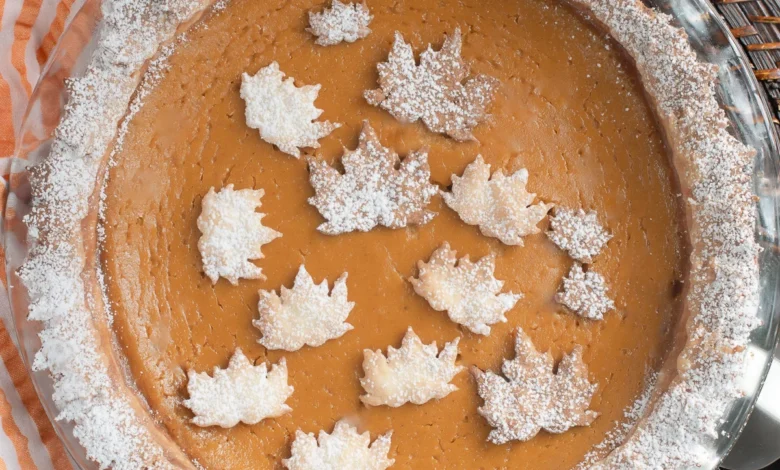
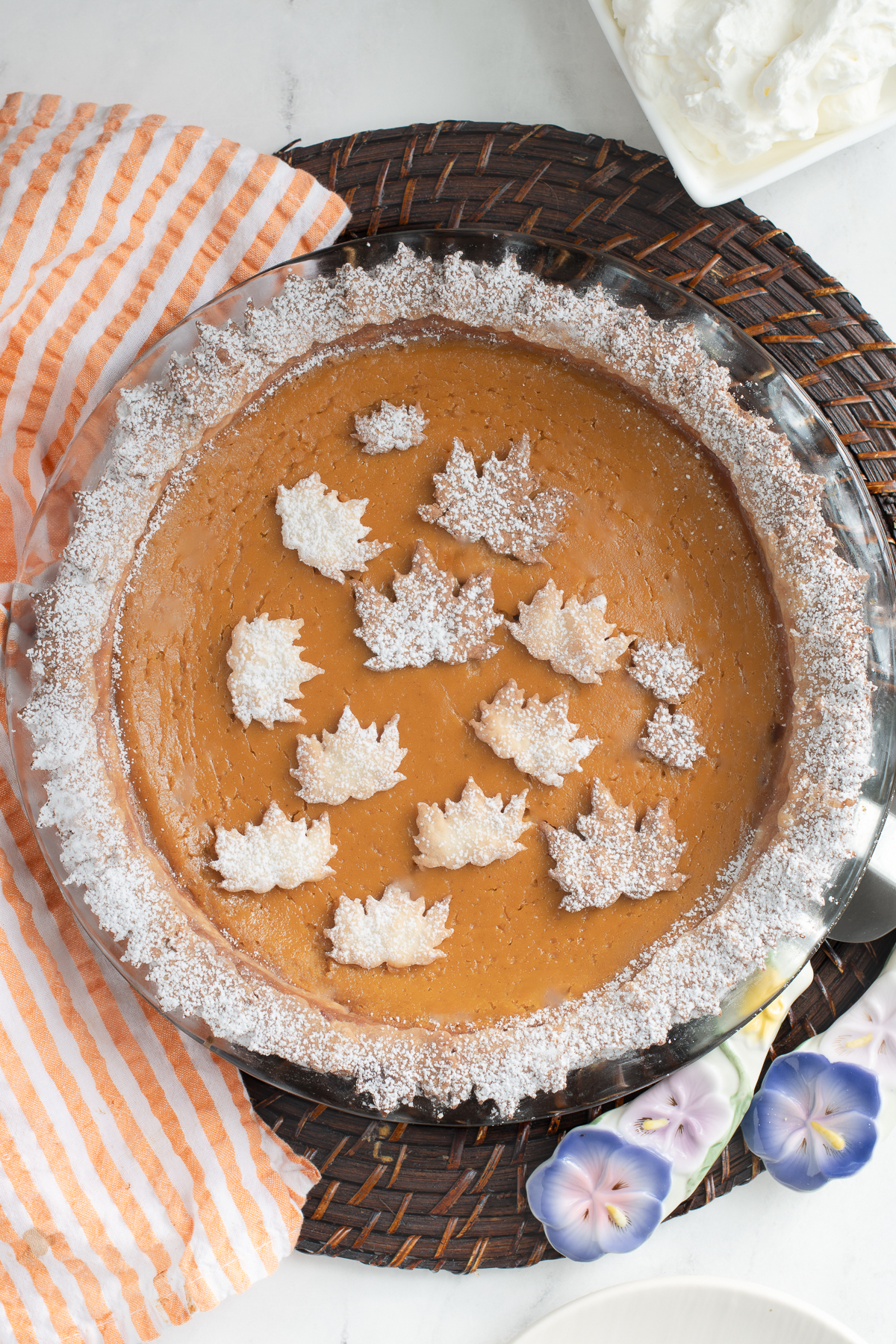
Conversely, if the crust edge becomes too dark during the bake, bakers should avoid the temptation of using loose aluminum foil, which can easily mar the custard surface. A reusable silicone or metal pie shield is the preferred tool. For those without specialized equipment, a light dusting of powdered sugar over the rim of the crust can mask uneven browning, a technique often employed in high-end pastry shops to ensure visual consistency.
Broader Economic and Nutritional Implications
From a nutritional standpoint, a standard slice of this classic pumpkin pie contains approximately 268 calories, with 16 grams of fat and 21 grams of sugar. While it remains a caloric-dense dessert, the inclusion of pumpkin—rich in Vitamin A—offers a minor nutritional advantage over starch-heavy holiday desserts.
The economic impact of home baking also remains significant. By choosing to prepare a pie from scratch, households significantly reduce the cost per serving compared to commercial or bakery-purchased alternatives. Furthermore, the ability to store a baked pie for up to three days, or freeze it for up to a month, aligns with modern consumer habits of batch cooking and preparation.
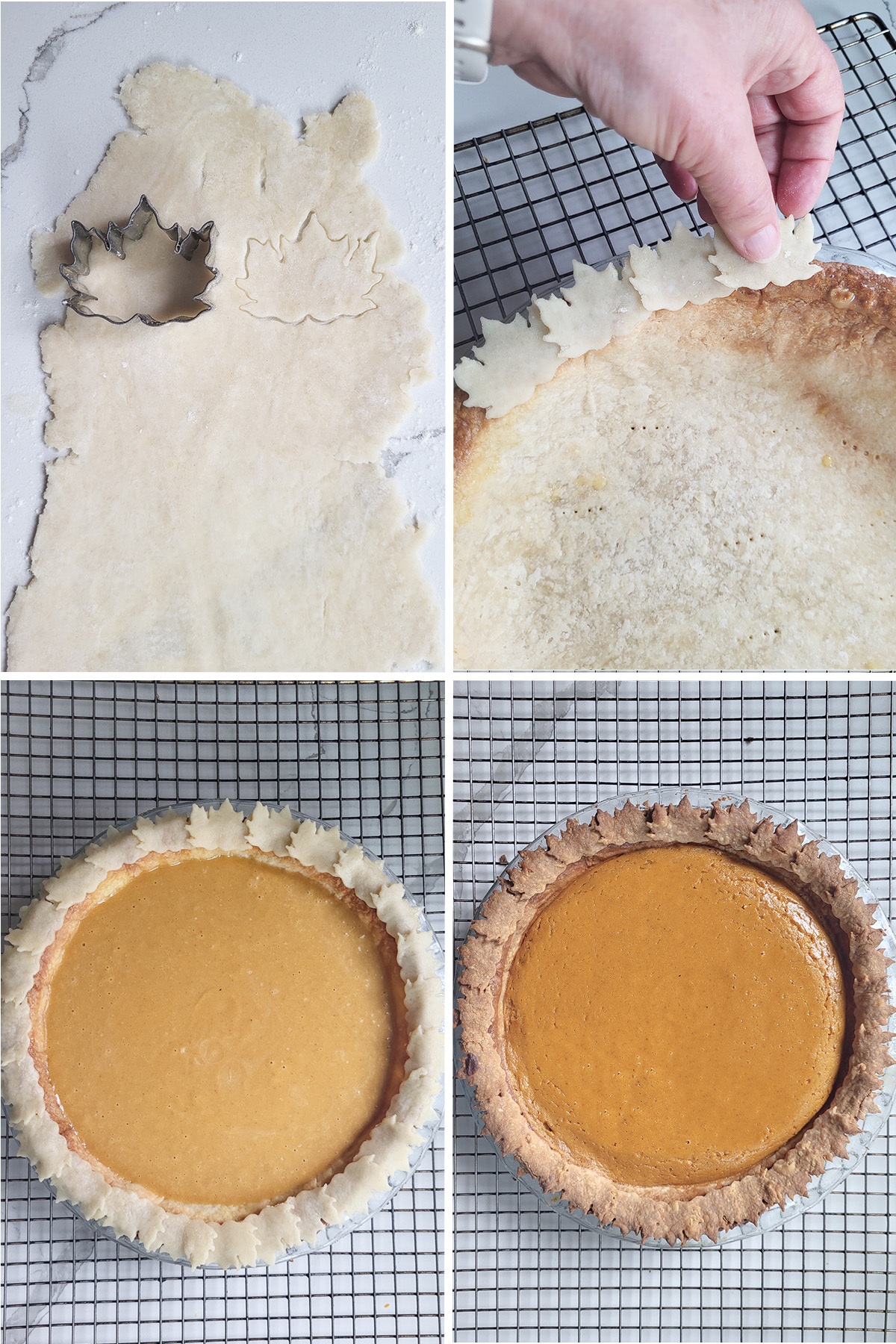
Ultimately, the transition from viewing pumpkin pie as a daunting holiday challenge to a manageable, science-based project allows for greater success. By prioritizing the par-baking of the crust, utilizing a food processor for texture, and respecting the 175°F thermal threshold, home bakers can achieve a product that meets professional standards. The integration of these technical refinements transforms the pie from a source of kitchen anxiety into a reliable, consistent, and sophisticated element of the seasonal table.