Beyond the Plate: The Rich History and Global Evolution of Italy’s Post-Dinner Digestivo Culture


In Italy, the final bite of a meal does not signal the conclusion of the evening, but rather the opening chapter of a cherished ritual that stretches out the social experience. While the country’s celebrated aperitivo culture focuses on whetting the appetite and easing diners into a meal, the tradition of the digestivo is dedicated entirely to what follows. Serving as a bridge between dining and lingering conversation, the post-dinner drink remains a cornerstone of Italian hospitality and gastronomic heritage.
This centuries-old practice originated from the medicinal use of alcohol infused with local herbs, roots, flowers, and other botanicals. Over generations, what began as an apothecary’s remedy for digestion transformed into an art form of flavor, pleasure, and regional pride. Today, the world of digestivi spans an immense spectrum—from intensely bitter amari and pungent grape-based spirits to anise-forward liqueurs and sun-drenched citrus digestifs. Just as Italy’s culinary landscape shifts dramatically from the alpine peaks of the north to the sun-soaked coasts of the south, its after-dinner drinks tell a deeply localized story of geography, resourcefulness, and cultural evolution.
The Historical Evolution: From Apothecary Remedies to Modern Gastronomy
The roots of the Italian digestivo trace back to the Middle Ages and the Renaissance, an era when monasteries and apothecaries served as the primary centers of health and medicine. Monks across the Italian peninsula experimented with neutral spirits distilled from wine or grains, steeping them with native flora—such as gentian root, worm
wood, juniper, and cinchona bark—believed to rebalance bodily humors and aid digestion after heavy feasts.
For centuries, these concoctions were consumed strictly for their perceived therapeutic properties. However, as distillation techniques modernized during the 18th and 19th centuries, production shifted from rural medicinal necessity to commercial craftsmanship. Artisans began refining recipes, incorporating exotic spices brought back through global trade routes alongside regional agricultural abundance.
By the late 19th and early 20th centuries, commercial brands began standardizing regional recipes, turning local elixirs into household names. While the original functional justification—aiding digestion after a hearty meal—remains a culturally accepted truth among Italians, the modern appeal of the digestivo relies far more on sensory pleasure, flavor complexity, and the art of slowing down time at the dinner table.

Grappa: Northern Italy’s Iconic Grape-Based Spirit
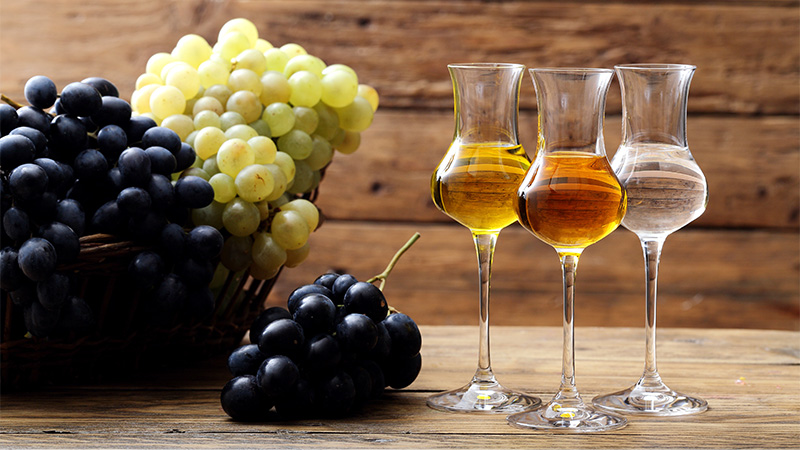
Among the most storied categories of Italian post-dinner drinks is grappa, a potent spirit deeply tied to the agricultural traditions of northern Italy. Grappa is produced by distilling grape pomace—the residual skins, seeds, and stems left over after grapes are pressed for winemaking.
Historically, grappa was born out of peasant resourcefulness. Rural communities in northern regions such as Veneto, Trentino-Alto Adige, and Piemonte sought to extract value from every component of the grape harvest, ensuring nothing went to waste. What started as a fiery, rustic spirit designed to warm laborers through harsh northern winters has since evolved into a sophisticated, highly regulated category of artisanal spirits.
Modern grappa production utilizes advanced distillation techniques, yielding a wide array of styles. Producers craft clear, unaged (giovane) grappas that showcase the vibrant, fruit-forward characteristics of specific varietals like Prosecco or Moscato, as well as complex, barrel-aged (invecchiata) expressions that acquire amber hues, vanilla, and spice notes from extended maturation in oak.
While connoisseurs typically enjoy grappa neat in a tulip-shaped glass at room temperature to fully appreciate its aromatics, it is also widely enjoyed across Italy in a preparation known as caffè corretto, or "corrected coffee," where a splash of the spirit is stirred directly into an espresso.
Amari: The Diverse, Cocktail-Ready World of Herbal Liqueurs
Italian amari (plural of amaro, meaning "bitter") represent one of the most diverse categories in the global spirits market. An amaro is crafted by infusing a neutral alcohol base with a proprietary blend of bittering agents, herbs, roots, flowers, and citrus peels, followed by sweetening with sugar syrup and a period of aging.
The flavor profiles of amari vary significantly based on their regional origins and ingredient composition, allowing them to be categorized into distinct styles:
- Amaro Leggero (Light): Characterized by lower bitterness, these expressions lean heavily into bright floral and citrus notes, rounded out by a gentle sweetness. They often serve as an approachable gateway for drinkers new to the category.
- Amaro Medio (Medium): Offering a balanced bittersweet profile, medium amari frequently feature flavor notes of cola, caramel, licorice root, and candied citrus peel.
- Rabarbaro: Built around the inclusion of rhubarb root, these styles deliver a distinctively smoky, earthy, and slightly medicinal character.
- Alpine or Mountain Amaro: Driven by high-altitude botanicals, mountain herbs, and pine resins, these varieties are typically drier, more herbaceous, and deeply aromatic.
While amari have traditionally been sipped neat as a digestivo, their complex flavor profiles have made them indispensable ingredients in modern craft cocktail bars worldwide. Notable examples include the Black Manhattan, a sophisticated nightcap that swaps traditional sweet vermouth for a rich, dark amaro alongside rye whiskey and bitters, and the Toronto, a classic riff combining Canadian or rye whiskey, fernet, simple syrup, and bitters.
Sambuca and Central Italy’s Anise Tradition
For many international drinkers, the aromatic, licorice-like aroma of sambuca is instantly recognizable. This sweet, anise-flavored liqueur has deep historical ties to Civitavecchia, a bustling port city in the Lazio region, where commercial production scaled significantly during the 19th century.
Sambuca is predominantly crafted from essential oils obtained from star anise, green anise, or elderflowers, combined with sugar and pure alcohol. Like many digestivi, it is most commonly consumed neat in a small glass following a meal. However, it is also famous for traditional serving rituals that elevate the drinking experience.
The most notable of these is sambuca con la mosca, or "with the fly," a traditional preparation where three roasted coffee beans are dropped directly into the glass. As the story goes, the three floating beans represent health, happiness, and prosperity, while releasing a subtle roasted aroma that pairs harmoniously with the sweet anise flavor. Additionally, adding a few drops of sambuca to an espresso is a beloved staple of Italian coffee culture, smoothing out the bitterness of the roast.
Limoncello: Southern Italy’s Citrus Sunshine
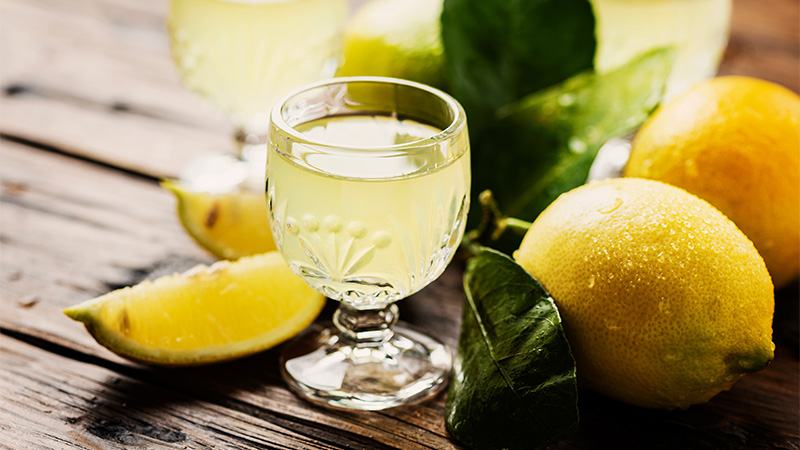
Representing the sunny coasts of southern Italy, limoncello stands apart from its herbal and bitter counterparts as one of the country’s most celebrated sweet digestifs. While its exact geographic origin is heavily debated—with various towns across the Sorrento Peninsula, the Amalfi Coast, and the island of Capri laying claim to its invention—the liqueur is universally recognized as a celebration of southern Italy’s prized agricultural asset: lemons.
Limoncello is produced through a remarkably straightforward yet labor-intensive process. Thick-skinned lemons, particularly local cultivars like the Sfusato Amalfitano, are carefully peeled by hand to ensure only the vibrant yellow zest—rich in essential aromatic oils—is collected, avoiding the bitter white pith. The peels are then steeped in high-proof neutral spirit for several days or weeks. Once the alcohol has extracted the aromatic compounds and rich yellow color, the infusion is blended with a simple syrup of sugar and water.
Served ice-cold, usually straight from the freezer in chilled ceramic or glassware, limoncello delivers an intensely vibrant, citrus-forward sweetness that cleanses the palate. Beyond its traditional role as a neat post-dinner pour, modern mixologists have increasingly embraced limoncello as a low-ABV base for refreshing spritz variations and seasonal summer cocktails.
Economic Impact and Global Market Integration
The enduring popularity of the digestivo has not gone unnoticed by global markets and economic policymakers. The export of traditional Italian spirits, amari, and liqueurs has seen steady growth over the past decade, driven by an international renaissance in cocktail culture and a growing consumer appetite for authentic, regional food and beverage products.
Trade bodies and agricultural agencies, including the Italian Trade Agency, have actively invested in masterclasses, educational seminars, and promotional campaigns to introduce international markets to the nuanced categories of grappa, amaro, and regional liqueurs. By positioning these spirits not merely as after-dinner novelties, but as versatile mixology ingredients and cultural touchstones, Italian producers have successfully expanded their footprint across North America, Europe, and Asia.
Industry analysts note that this global appreciation aligns with broader consumer trends favoring artisanal production, heritage brands, and lower-alcohol cocktail options. As consumers seek out products with authentic provenance and generational craftsmanship, Italian digestivi offer a compelling narrative rooted in agricultural sustainability and regional identity.
A Tradition Worth Savoring
Ultimately, the expansive world of Italian digestivi transcends the chemistry of herbs and alcohol; it tells a profound story of resourcefulness, regional identity, and centuries of social tradition. Whether it is a fiery northern grappa, a complex alpine amaro, an anise-spiked sambuca from Lazio, or a bright southern limoncello, each bottle encapsulates a specific landscape and community.
While these liqueurs were born out of practical, medicinal necessity to soothe the stomach after a heavy meal, their modern appeal lies in something far more profound: hospitality, flavor appreciation, and the shared human desire to extend an evening of good company just a little longer. In an increasingly fast-paced world, the Italian digestivo remains a delicious incentive to linger at the table.