Corn Casserole Is a Definitive Staple of Traditional American Holiday Cuisine

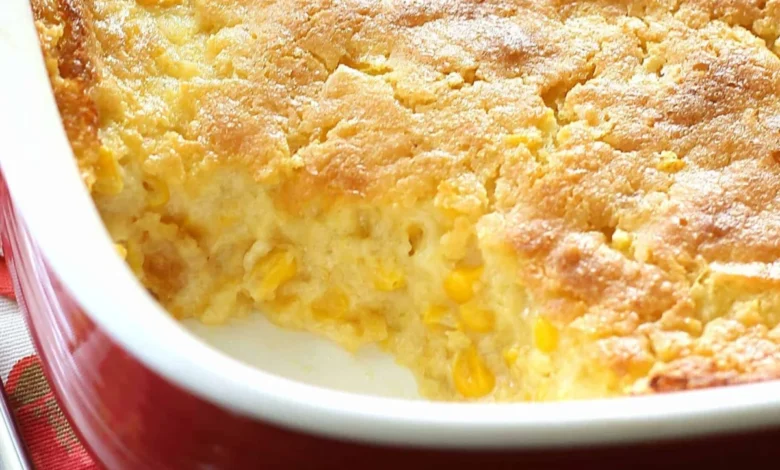
The cultural phenomenon surrounding the Thanksgiving dinner table in the United States is anchored by a select group of perennial side dishes that define the holiday experience. Among these, corn casserole—frequently referred to as corn pudding, spoon corn, or corn soufflé—has emerged as one of the most consistently requested items in modern domestic culinary practice. As households across the nation prepare for the annual late-November festivities, the preparation of this specific dish serves as a point of convergence between convenience-oriented cooking and traditional comfort food expectations.
Culinary Evolution and Regional Variations
While the term "corn casserole" is ubiquitous, the dish’s lineage can be traced back to early American adaptations of Native American maize-based preparations. Historically, corn pudding was a labor-intensive dish involving the manual scraping of kernels from cobs and the slow simmering of the resulting mash. However, the mid-20th century marked a pivot in American home cooking characterized by the adoption of pre-packaged convenience items.
The widespread integration of the Jiffy corn muffin mix into this recipe transformed it from a niche, seasonal endeavor into a rapid, accessible side dish. This evolution reflects broader trends in post-war American food culture, where the democratization of ingredients—such as canned cream-style corn and pre-mixed dry goods—allowed for a consistent, high-yield culinary output that could be replicated by novice and expert cooks alike.
The Economics of the Thanksgiving Side Dish
Market data regarding holiday food preparation consistently highlights the preference for "low-prep, high-reward" items. The corn casserole is an exemplar of this category. With a prep time typically measured in minutes, it provides a high caloric density and a texture profile that complements the traditional roast turkey centerpiece.
From an economic standpoint, the ingredients required for a standard corn casserole—canned sweet corn, canned creamed corn, eggs, butter, and cornmeal-based muffin mix—are among the most affordable items in a grocery store’s holiday inventory. During the inflationary periods of the early 2020s, retail analysis suggested that households pivoted toward these types of "casserole-style" sides as a cost-effective method to provide bulk and satiety to large family gatherings without the higher costs associated with fresh specialty produce or labor-intensive gourmet side dishes.
Chronology of Preparation and Storage Standards
Food safety protocols and modern culinary logistics dictate specific guidelines for the handling of mass-produced holiday side dishes. For those planning large-scale meal preparations, the corn casserole offers a unique advantage: high tolerance for advance preparation.
Culinary experts note that the structural integrity of the casserole, which relies on the coagulation of the egg-and-cornstarch base, allows for storage up to three days prior to the event. When refrigerated in airtight containers, the dish maintains its flavor profile, and the reheating process at 350°F (175°C) serves to restore the desired texture. Furthermore, the capacity for the dish to be frozen for up to three months allows for strategic meal planning, an essential consideration for those managing the logistics of large family assemblies.

Structural Integrity and Technical Preparation
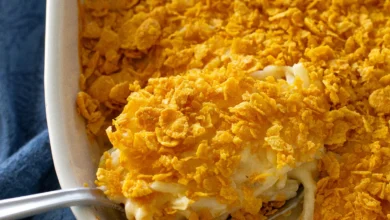
The preparation of a successful corn casserole requires adherence to specific technical parameters. Unlike a traditional soufflé, which relies on complex aeration techniques, the corn casserole achieves its characteristic "jiggly" yet set consistency through the chemical interaction between the moisture in the creamed corn and the leavening agents in the cornbread mix.
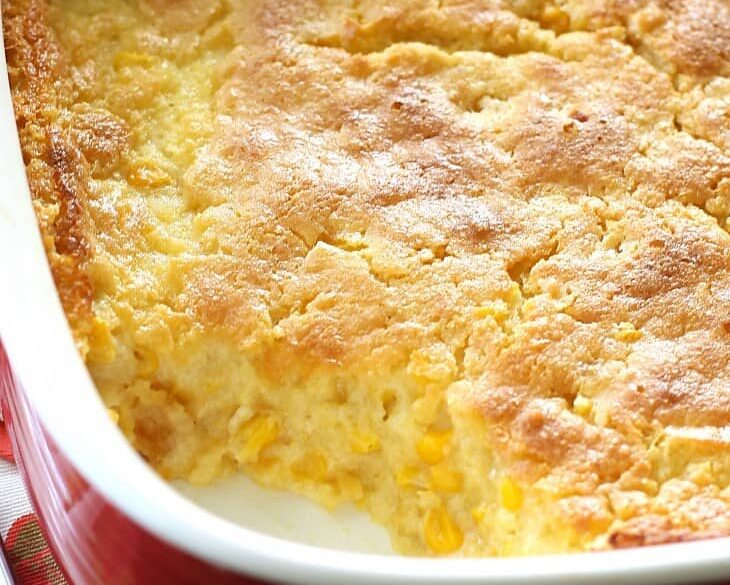
Technical advice for those scaling the recipe for large gatherings often centers on the 9×13 baking dish standard. When the volume of the dish is increased, the thermodynamics of the oven change. Professionals recommend extending baking times by 10 to 15 minutes to account for the increased surface area and density. The primary indicator of completion remains visual and tactile: the center must be set, and the edges should exhibit a golden-brown Maillard reaction, ensuring a balance between the moist interior and the structured crust.
The "Health-ification" Debate
In recent years, the culinary community has seen a push toward "skinny" or health-conscious modifications for classic holiday dishes. This has sparked significant debate among food historians and traditionalists. Critics of these modifications argue that Thanksgiving serves a specific psychological and social function in American life: a singular, designated period for indulgence.
The persistence of the original, high-butter, high-carbohydrate corn casserole recipe is seen by many as a form of cultural preservation. By rejecting the substitution of low-fat ingredients, families are effectively signaling a commitment to the "traditional" experience of the holiday. Nutritional data indicates that a single serving of a standard corn casserole contains approximately 316 calories, with 32 grams of carbohydrates and 18 grams of fat. While these figures are often highlighted in dietary studies, they are frequently contextualized within the broader "once-a-year" consumption model of the holiday, where the social value of the dish outweighs its nutritional profile.

Broader Societal Impact and Communal Dining
The role of the side dish in communal dining cannot be overstated. In many instances, the corn casserole serves as a bridge between the generations. Because the recipe is relatively simple and relies on shelf-stable ingredients, it is often the first dish assigned to younger family members or those participating in their first Thanksgiving preparations. This creates a cycle of knowledge transfer, where the recipe remains a constant across decades of family gatherings.
Furthermore, the versatility of the dish—being palatable at both warm and room temperatures—makes it a practical choice for the staggered service times often seen in large households. Its ability to serve as a filler for the "second and third servings" noted by home cooks confirms its status as a high-satisfaction food item.
Future Projections for Holiday Trends
As demographic shifts influence the American dinner table, the corn casserole is likely to undergo further experimentation. While the "classic" recipe remains the standard, recent culinary publications have begun to feature variations that include add-ins such as diced green chilies for heat, shredded cheddar for depth, or crispy bacon for a savory profile. These iterations suggest that while the base of the dish is firmly rooted in tradition, it possesses enough flexibility to adapt to changing palates.
Ultimately, the popularity of the corn casserole is a testament to the power of tradition in the American culinary landscape. It is a dish that succeeds not because of its complexity, but because of its reliability and its association with the comfort of the holiday season. As long as Thanksgiving remains a focal point for domestic social life, the corn casserole will continue to occupy a central place on the table, serving as a reliable constant in an ever-changing culinary environment. Whether viewed through the lens of history, economics, or simple family tradition, the dish remains an essential component of the American holiday experience.