The Historical Evolution of Pasta e Fagioli
The origins of Pasta e Fagioli, which translates literally from Italian to "pasta and beans," trace back to the agrarian traditions of Italy. Historically, the dish was a staple of the Mediterranean diet, designed to provide high caloric intake and protein at a low cost. Unlike the refined, meat-heavy iterations common in contemporary Western kitchens, the original version was largely vegetarian, relying on pulses—specifically borlotti or cannellini beans—to provide sustenance for rural laborers.
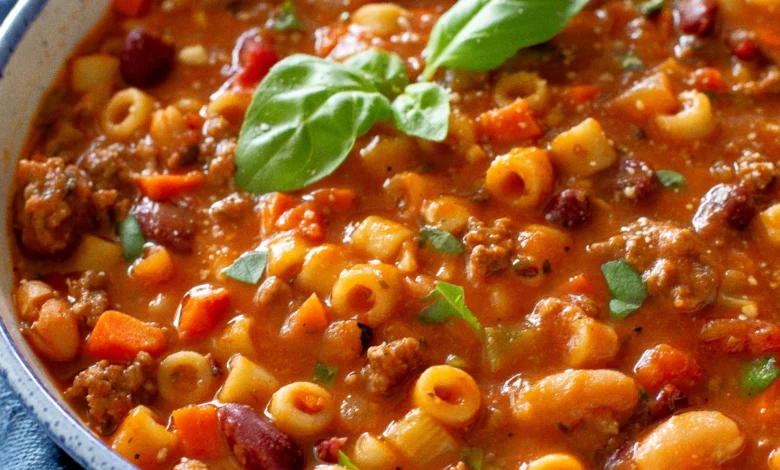
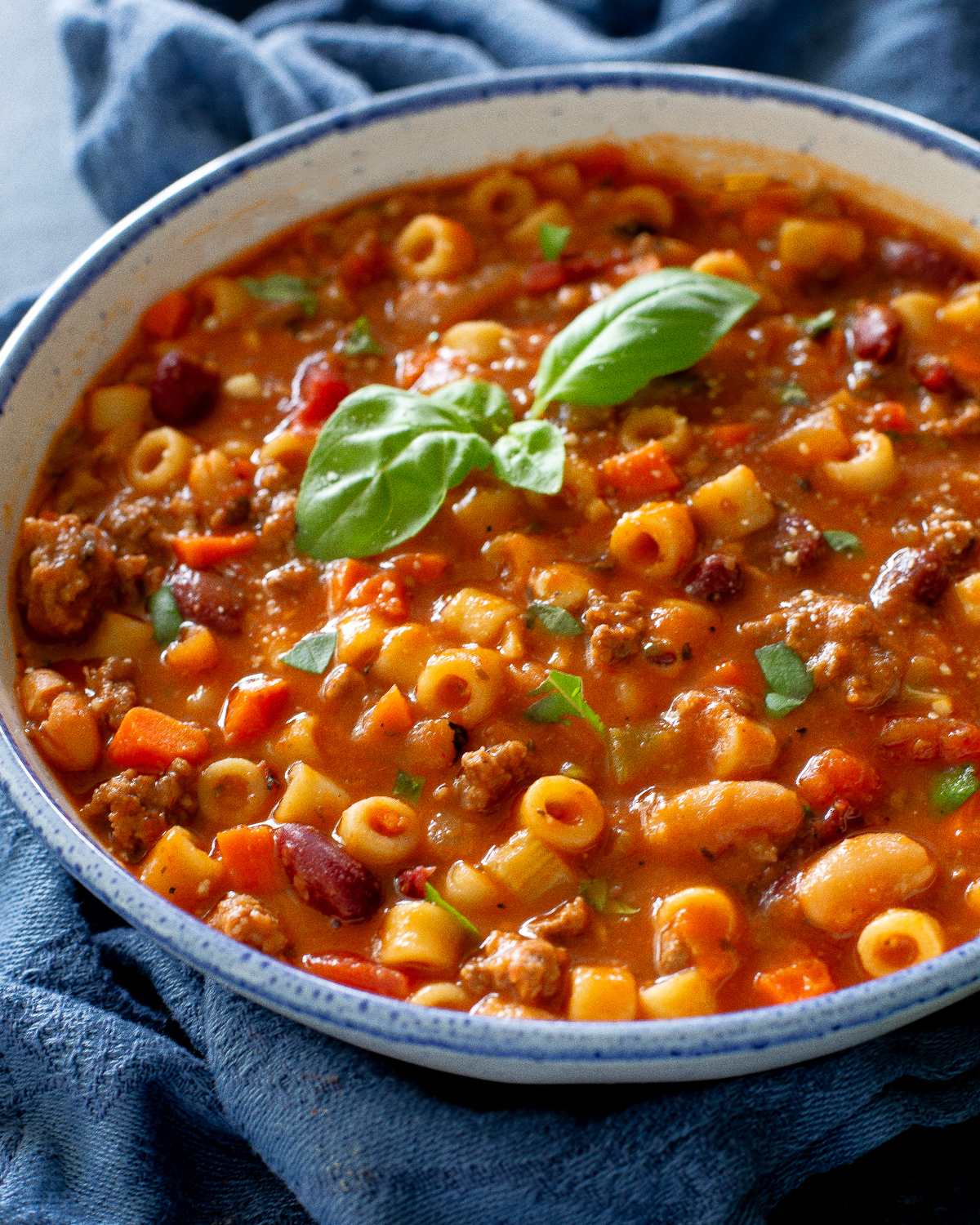
Throughout the 19th and early 20th centuries, as Italian immigrants moved to urban centers across the globe, the recipe underwent significant modifications. The introduction of high-protein additions like ground beef and a more aggressive tomato base transformed the dish from a modest legume soup into a hearty main course. This culinary adaptation reflects broader trends in the migration of regional Italian dishes, where local scarcity necessitated creative resourcefulness, which eventually gave way to the abundance and diverse protein availability of global markets.
Nutritional Composition and Dietary Profile
The modern interpretation of Pasta e Fagioli offers a balanced nutritional profile, making it a frequent subject of study in discussions regarding balanced home-cooking. Based on standard serving sizes, a single bowl of this soup typically provides approximately 329 kilocalories. The macronutrient breakdown is significant: 21 grams of protein, 27 grams of carbohydrates, and 15 grams of fat.
From a micronutrient perspective, the inclusion of kidney and Great Northern beans contributes essential dietary fiber—roughly 3 grams per serving—which aids in digestive health and blood sugar regulation. The tomato component provides a source of lycopene, an antioxidant linked to cardiovascular health, while the beef base offers iron and B-vitamins. However, analysts note that the sodium content, often averaging around 848 milligrams per serving, requires careful management, particularly for individuals monitoring their salt intake. Culinary experts often suggest using low-sodium broth or rinsing canned beans to mitigate these levels without compromising the depth of flavor.
Culinary Methodology and Best Practices
The preparation of a high-quality Pasta e Fagioli involves a systematic approach to layering flavors. Professional kitchens and home chefs alike emphasize the importance of the base aromatics—typically onions, carrots, and celery—which are sautéed to create a foundational flavor profile known as soffritto.
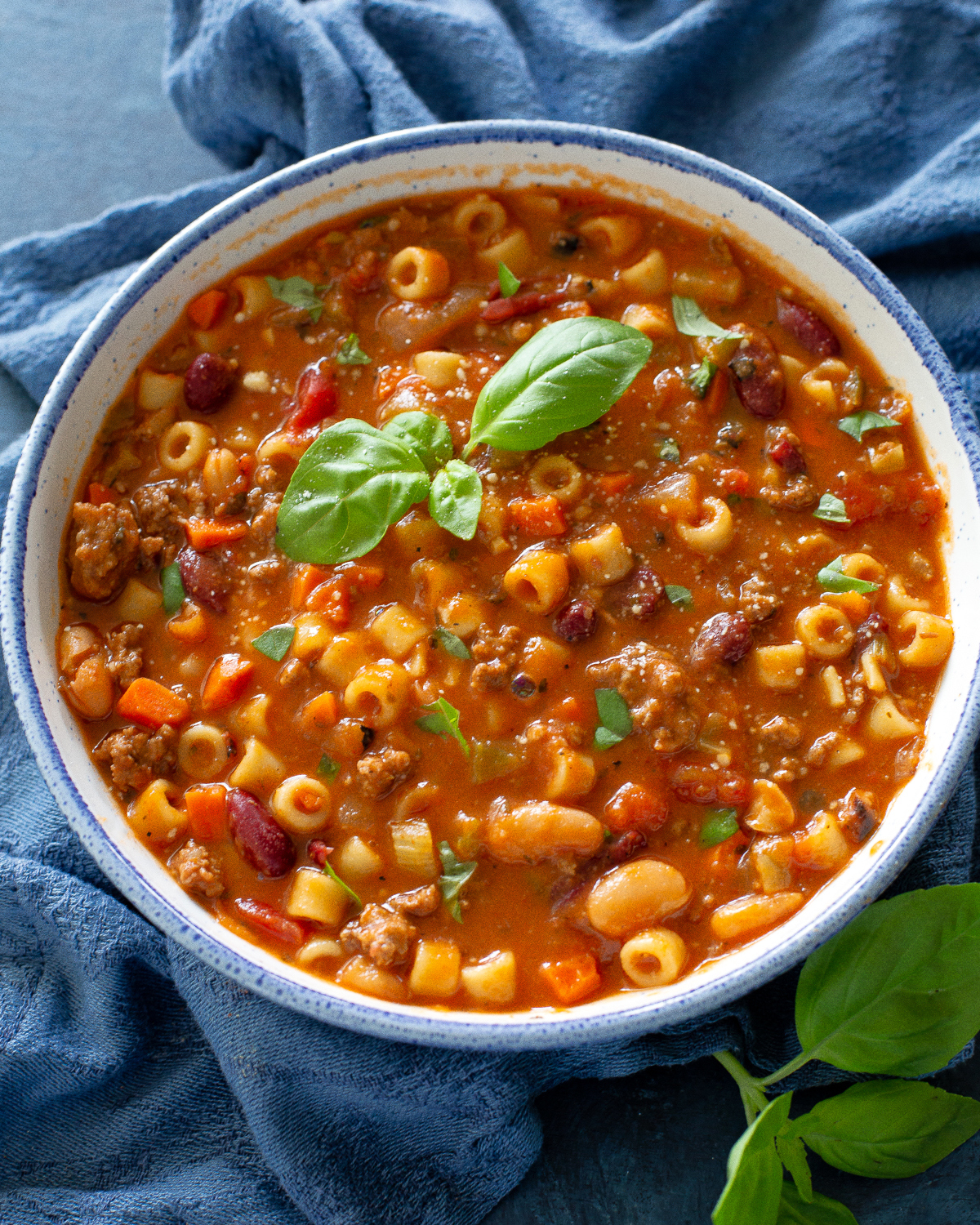
The chronology of cooking is critical to maintaining the structural integrity of the ingredients. The process generally follows this sequence:
- Protein Preparation: The ground beef is browned until caramelized, providing the essential Maillard reaction that deepens the savory notes of the broth.
- Aromatic Sauté: Vegetables are added to the rendered beef fat to soften and release their natural sugars.
- Deglazing and Liquid Addition: The addition of tomato sauce and beef stock creates the liquid medium.
- Simmering: The mixture is brought to a slow simmer, allowing the proteins and vegetables to tenderize and the flavors to emulsify.
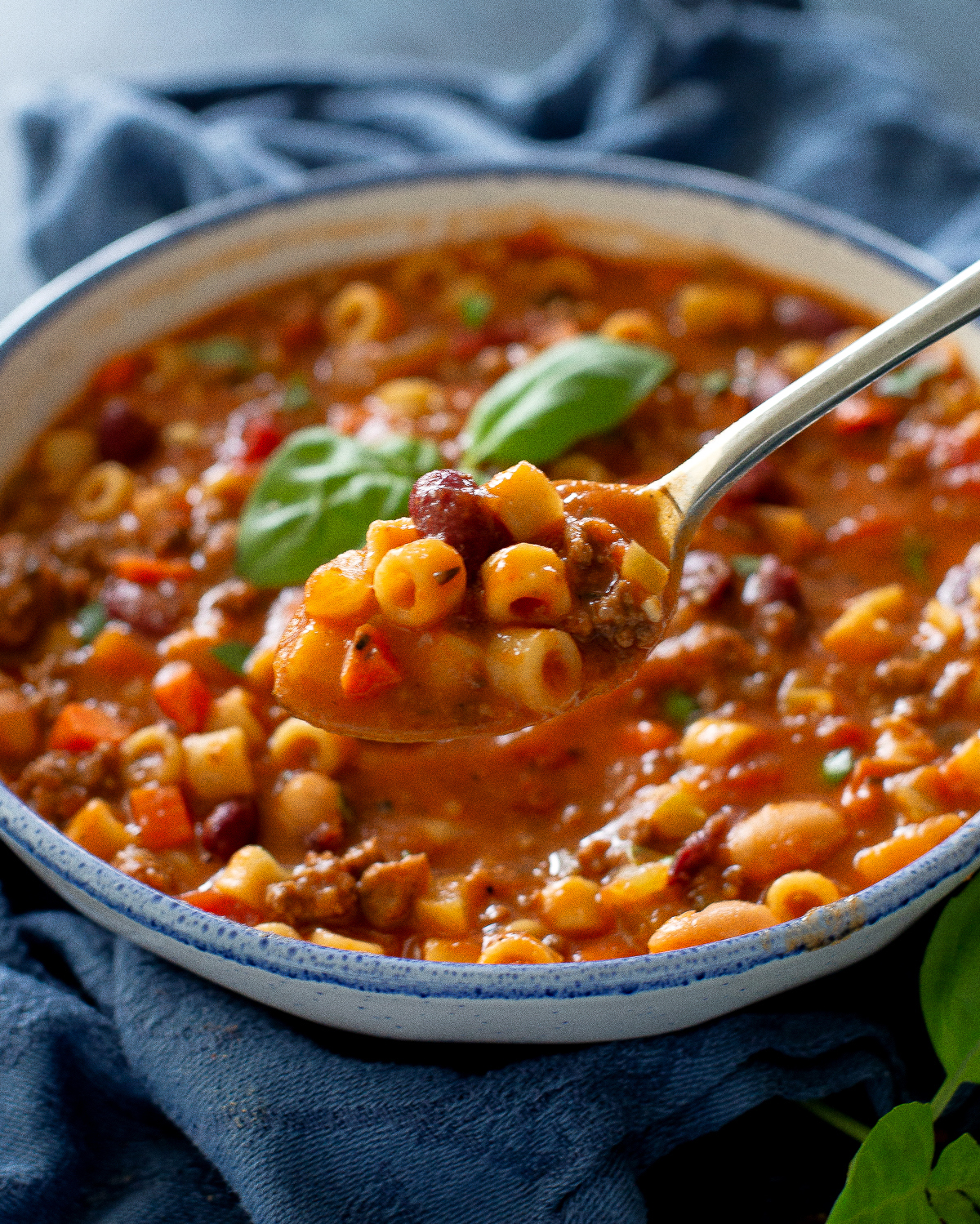
- Pasta Integration: The ditalini—a short, tubular pasta—is typically added during the final stages of cooking to ensure it maintains an al dente texture rather than absorbing too much moisture and becoming mushy.
One persistent technical challenge in the preparation of this soup is the storage of the pasta. Because pasta is highly porous, it continues to absorb liquid even after the heat source is removed. Culinary professionals frequently advise that if the soup is intended for long-term storage or meal planning, the pasta should be cooked separately and integrated only at the time of service. This prevents the broth from thinning or disappearing entirely upon reheating.
Economic and Cultural Significance
Pasta e Fagioli remains a popular subject in the culinary arts because of its extreme cost-effectiveness. In an era of rising food inflation, the dish serves as an example of "inflation-resistant" dining. By utilizing shelf-stable pantry items such as canned beans, dry pasta, and aromatics, households can produce a nutrient-dense meal for a fraction of the cost of dining out.
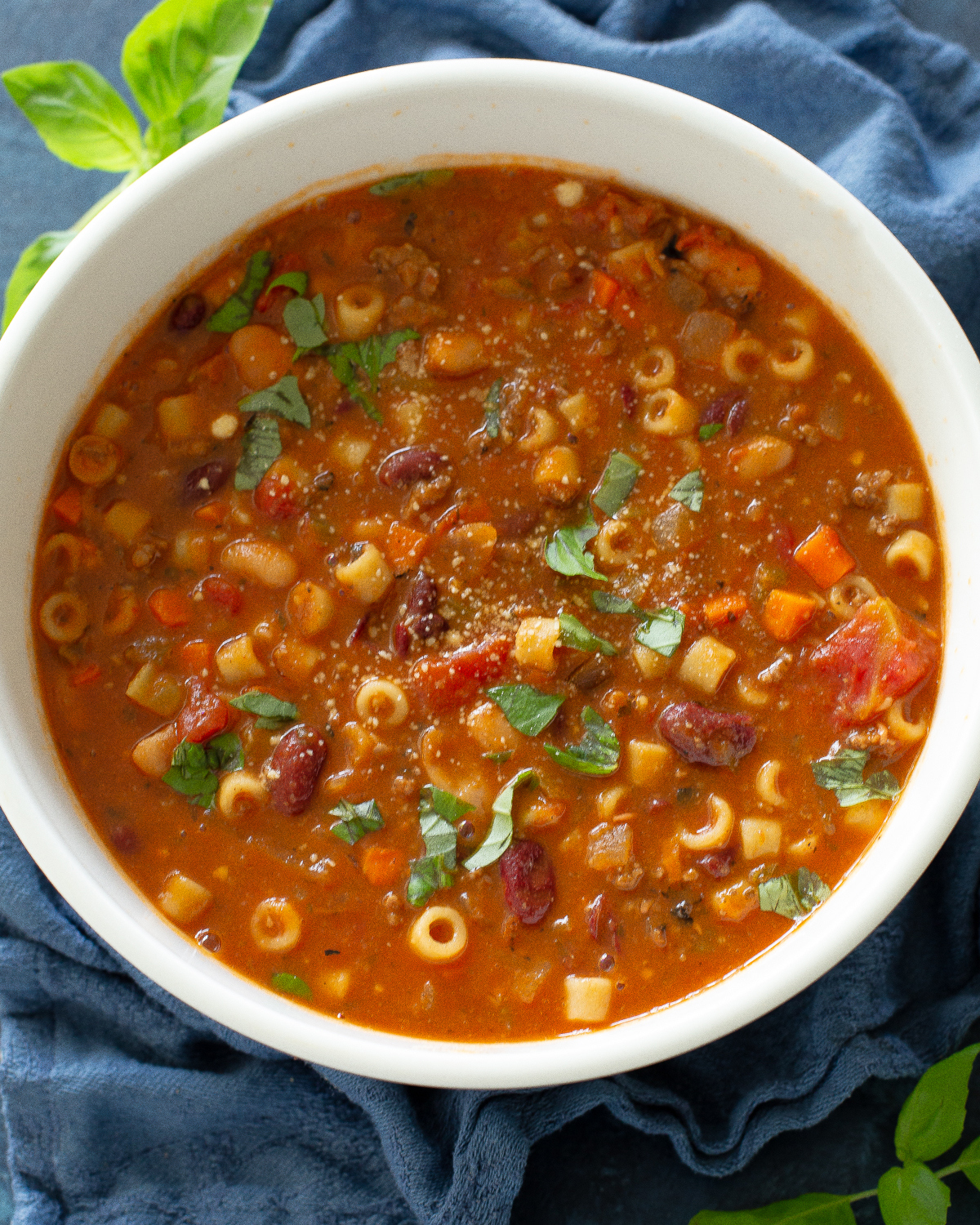
Furthermore, the dish holds a unique position in the North American "comfort food" category. Chain restaurants popularized the soup in the late 20th century, effectively standardizing a version that emphasized a creamy, tomato-beef balance. This commercial exposure has led to a widespread domestic familiarity with the dish, resulting in a proliferation of "home-style" variations that incorporate regional ingredients, such as kale or Italian sausage, further cementing its status as a versatile, adaptable recipe.
Storage, Preservation, and Food Safety
Effective management of leftovers is essential for maintaining the safety and quality of the dish. According to food safety guidelines, the soup can be refrigerated for up to four days. For long-term preservation, the dish is highly suitable for freezing; however, the absence of pasta is recommended during the freezing process.
When reheating, it is standard practice to add a small amount of liquid—either broth or water—to reconstitute the consistency that was lost during the cooling process. This ensures that the texture remains consistent with the original serving. Experts in food preservation note that the acidity in the tomato sauce acts as a mild preservative, but proper cooling—moving the soup from the stove to a shallow container before placing it in the refrigerator—is vital to prevent the growth of bacteria.
Future Outlook on Traditional Soups
As culinary trends shift toward "slow cooking" and intentional meal preparation, dishes like Pasta e Fagioli are seeing a resurgence in popularity. The focus on one-pot meals, which minimize cleanup and maximize flavor, aligns with current consumer preferences for efficiency.
Market research indicates that the demand for "cozy," traditional recipes remains high during the colder months of the year, as consumers seek out meals that provide both satiety and emotional comfort. The simplicity of the ingredients, combined with the depth of the flavor profile, ensures that Pasta e Fagioli will continue to be a staple in home kitchens for the foreseeable future. By balancing historical authenticity with modern dietary needs, the dish proves that classic, peasant-originated recipes can remain relevant and highly regarded in a contemporary global food landscape.
Whether prepared with artisanal, hand-rolled pasta or standard pantry staples, the fundamental nature of the dish remains unchanged: a testament to the power of simple, high-quality ingredients working in harmony to create a meal that is greater than the sum of its parts.