The Culinary Evolution of the Coffee Rub
The historical usage of coffee as a culinary ingredient predates its current status as a trendy spice rub. In many agricultural regions of South America, including Colombia, coffee has historically been integrated into savory cooking, utilizing the bitterness and acidity of high-quality beans to cut through the richness of fats. By the early 21st century, professional chefs in the United States began adopting these techniques, transforming coffee into a base for rubs on various proteins, including beef, ribs, and pork.
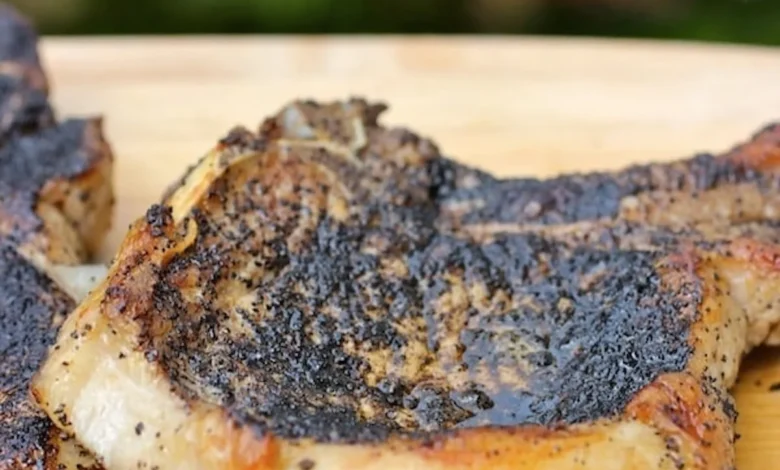
The science behind this pairing lies in the Maillard reaction. When a coffee-crusted protein is subjected to high heat, the sugars and proteins in the coffee beans caramelize, creating a complex, aromatic crust. This crust acts as a natural barrier that preserves the internal moisture of the pork chop while adding a sophisticated textural contrast. Nutritionists and culinary researchers note that coffee’s natural acidity also acts as a tenderizing agent, breaking down connective tissues in the meat during the resting phase of cooking.
Preparation and Technical Execution
To achieve a professional-grade result at home, the process involves a two-stage cooking method: initial searing followed by a controlled oven finish. This technique, often employed in high-end steakhouses, is designed to ensure the interior reaches a safe and optimal temperature of 145°F (63°C) without overcooking the exterior.
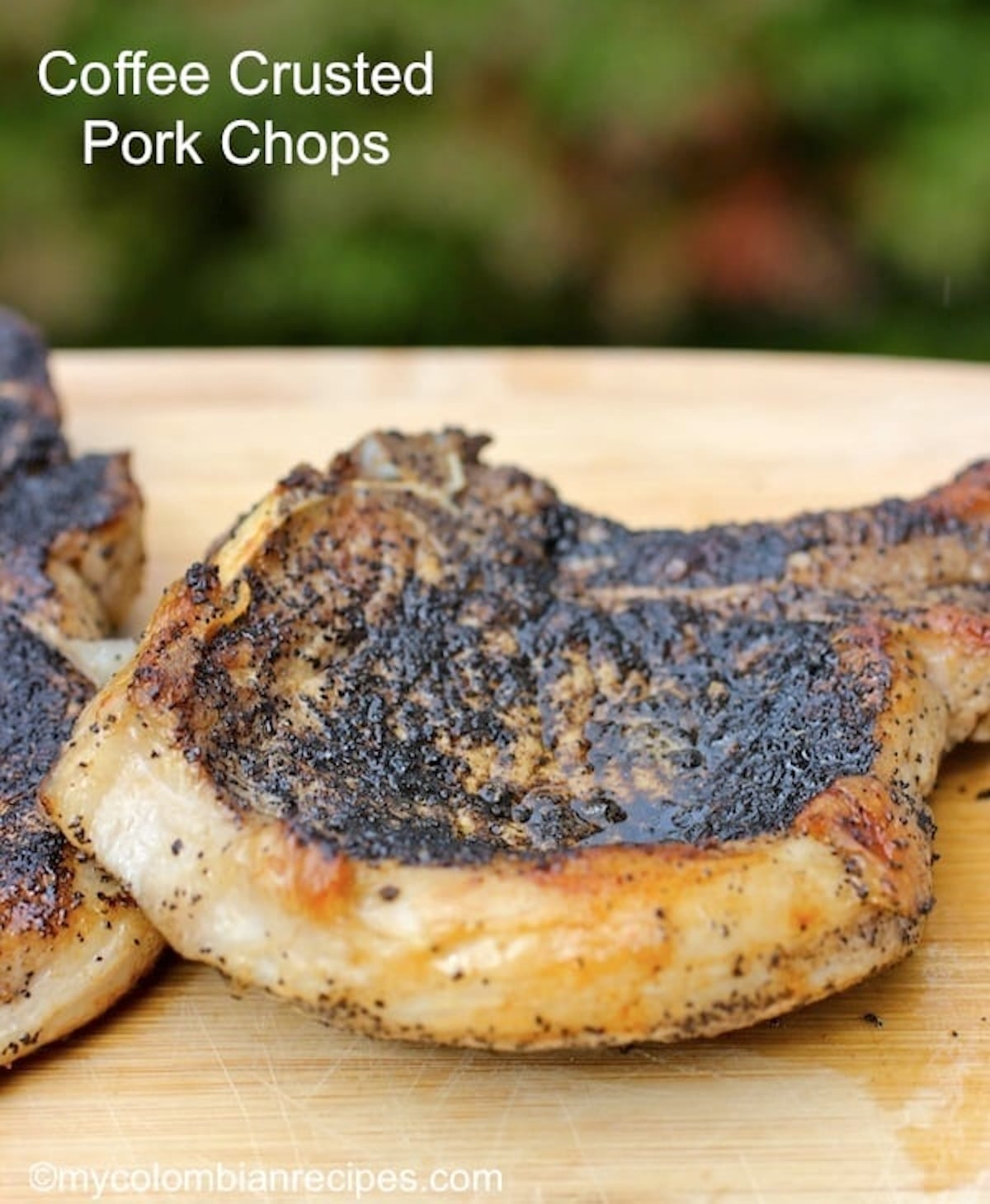
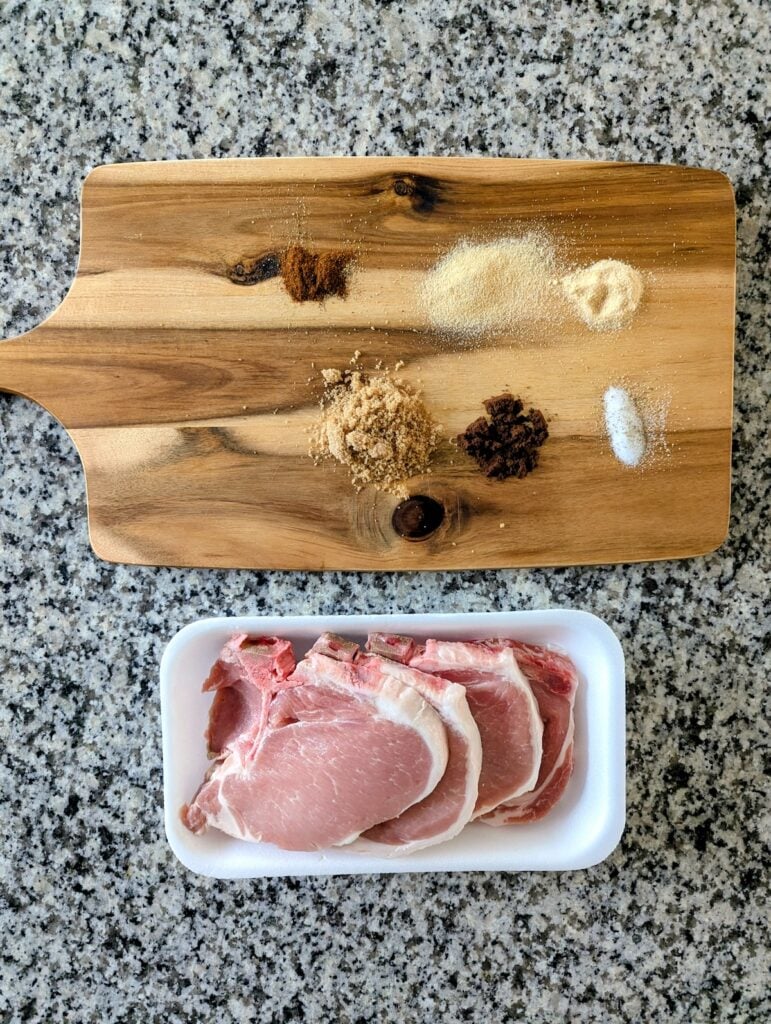
The preparation typically requires 5 minutes of active time, followed by approximately 23 minutes of thermal processing. The rub, composed of finely ground coffee, salt, pepper, and supplementary spices, is massaged into the surface of the meat. A brief resting period allows the dry ingredients to draw out just enough moisture to create a paste-like consistency, which ensures better adhesion during the searing process.
Economic and Nutritional Context
Pork remains one of the most accessible and versatile protein sources in the modern diet. According to agricultural economic data, pork chop consumption remains steady due to the favorable price-to-protein ratio compared to beef cuts such as ribeye or filet mignon. A standard 4-ounce serving of prepared pork chops provides approximately 36 grams of protein, making it an efficient choice for those seeking high-density nutritional value.
From a health perspective, the use of a dry rub rather than a heavy, oil-based marinade or breaded coating allows for a lower caloric intake. The dish, as prepared through this method, averages approximately 311 kilocalories per serving, with a balanced distribution of monounsaturated and polyunsaturated fats. This profile positions the dish as a viable option for those adhering to protein-rich or low-carbohydrate diets.
Broader Culinary Impact
The integration of international flavors—such as the Colombian influence brought to the North American palate by domestic cooks—highlights a broader trend in culinary globalization. Recipes like coffee-crusted pork chops are no longer relegated to fine-dining establishments. The accessibility of high-quality ground coffee and the ease of sourcing diverse cuts of pork have democratized the ability to execute complex flavor profiles in a home setting.
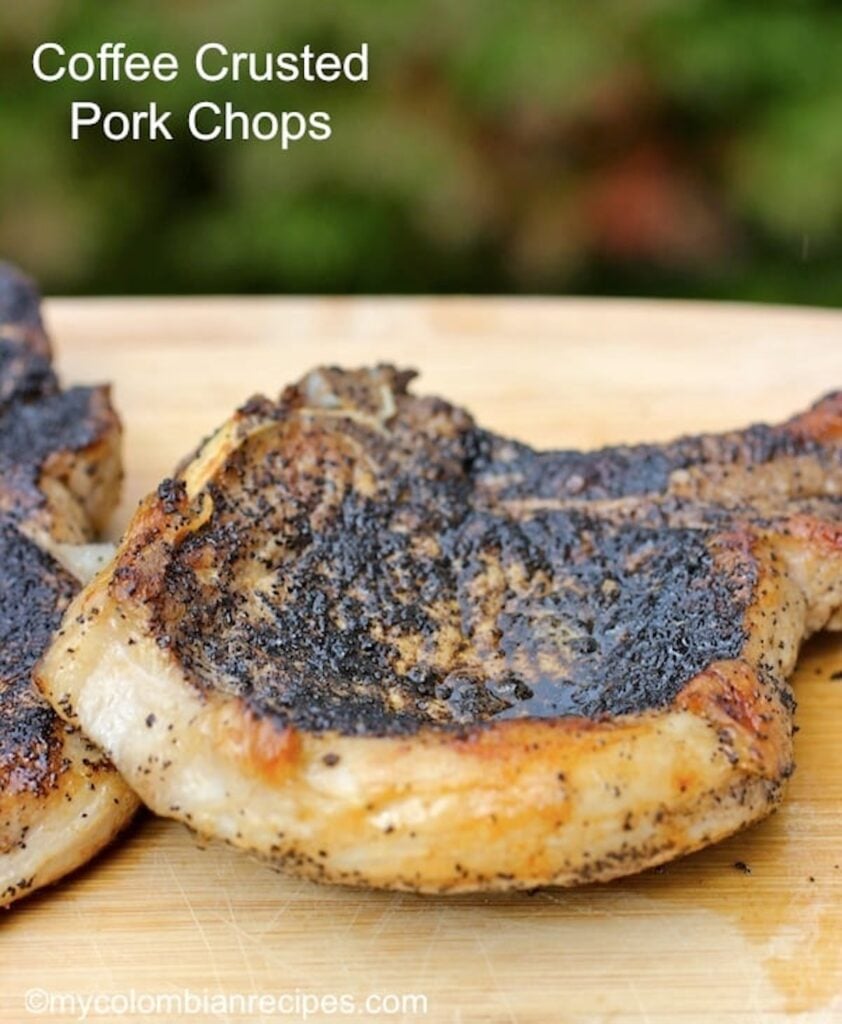
Culinary experts often emphasize that the success of this dish relies on the quality of the coffee bean. A medium-dark roast is generally recommended to provide enough body to withstand the searing heat without turning acrid. The addition of subtle spices—often including brown sugar, chili powder, or smoked paprika—serves to round out the flavor profile, ensuring that the coffee does not dominate the dish but rather complements the natural sweetness of the pork.
Complementary Sides and Dietary Pairings
The culinary tradition surrounding this dish often involves pairing the protein with sides that contrast the intensity of the coffee rub. In Colombian households, staples such as patacones (fried green plantains) and fresh avocado are standard, as their neutral, creamy profiles provide a necessary balance to the bold, spiced crust of the meat.
For those looking to expand the meal, other regional sides such as papas chorreadas (potatoes in a savory cheese and scallion sauce) or roasted root vegetables like carrots and beets offer a robust accompaniment. These sides reflect the historical emphasis on fresh, locally sourced produce, a hallmark of traditional home-style cooking that prioritizes both sustenance and flavor.
Future Trends in Home Cooking
As home cooking continues to shift toward efficiency and professional-level results, the adoption of techniques like the dual-heat cooking method (sear and bake) is expected to grow. This methodology allows for "company-worthy" results—meals that are visually appealing and complex in taste—without requiring the time-intensive labor traditionally associated with gourmet cooking.
The versatility of the coffee rub also extends beyond pork. Culinary professionals have successfully applied similar rub formulations to lamb, venison, and even firm-fleshed fish, suggesting that the "coffee crust" technique is likely to remain a staple in the modern culinary repertoire. By understanding the chemical interactions between the coffee and the protein, home cooks can continue to innovate, adapting the base recipe to suit individual preferences for heat, sweetness, or acidity.
In conclusion, the coffee-crusted pork chop stands as a testament to the effectiveness of simple, high-quality ingredients used in concert with precise cooking techniques. Whether served as a quick weeknight dinner or as the centerpiece for a formal gathering, the dish serves as a bridge between cultural tradition and contemporary culinary preferences, proving that complex, deep flavors are well within reach of the modern home cook. The continued popularity of this dish among home-cooking enthusiasts highlights a desire for meals that are not only efficient to prepare but also offer a sophisticated sensory experience that elevates the humble pork chop to a higher standard of gastronomy.