Culinary Evolution and the Rise of Plant-Based Baking
The transition toward plant-based alternatives in professional and home kitchens is driven by a convergence of health consciousness, environmental concerns, and advancements in food science. Historically, the butter pecan cookie relied heavily on the Maillard reaction—a chemical reaction between amino acids and reducing sugars—which occurs during the heating of dairy butter to create a distinct, nutty, and caramelized flavor profile.

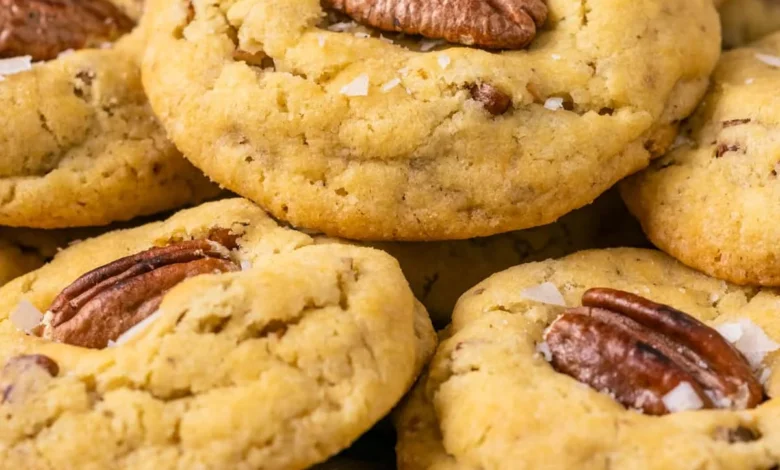
Modern plant-based culinary techniques have successfully mimicked this reaction. By substituting conventional butter with high-quality, lipid-rich vegan butter alternatives (typically derived from coconut, avocado, or sunflower oils), bakers can achieve the necessary fat content to maintain the structural integrity of the cookie. When combined with toasted pecans, these ingredients replicate the traditional flavor profile while adhering to strict vegan protocols.

Technical Composition and Ingredient Analysis
The nutritional profile of this particular recipe suggests a focus on accessibility and standard baking metrics. Each serving, calibrated at approximately 194 kcal, provides a balanced distribution of macronutrients suitable for a dessert item.

- The Fat Source: The reliance on vegan butter is the critical factor in ensuring a soft, chewy texture. Vegan butter typically contains emulsifiers that mimic the water-in-oil emulsion of dairy butter, allowing for proper aeration during the creaming stage.
- The Role of Toasted Pecans: Pecans are high in monounsaturated fats and provide the necessary structural crunch. The practice of dry-roasting these nuts prior to incorporation is essential; it releases essential oils, intensifying the aroma and flavor before the high-heat environment of the oven further develops their depth.
- Leavening and Binding: In the absence of eggs, which serve as a binder and leavening agent, the recipe utilizes a combination of baking soda, baking powder, and cornstarch. This trio provides the necessary lift and structural stability to prevent the cookies from flattening excessively during the bake.
Procedural Chronology for Optimal Results
Successful production of these cookies requires a strict adherence to timing and temperature. The following sequence has been established as the industry standard for home-scale production:

- Nut Preparation (0–10 minutes): Pecans must be toasted in a dry pan over medium heat. This step is non-negotiable for achieving the desired nutty profile.
- Creaming (10–15 minutes): The vegan butter and sugar must be creamed in a stand mixer. This process introduces air bubbles, which are critical for the final texture.
- Incorporation of Dry Ingredients: Dry components (flour, leavening agents, and salt) should be folded into the wet mixture. Over-mixing at this stage can develop gluten, leading to a tougher final product.
- Hydration (15–20 minutes): The addition of soy milk provides the necessary moisture to bring the dough together.
- Resting Phase (1–2 hours): Perhaps the most critical step, the dough must be chilled. This allows the fats to re-solidify, which controls the "spread" of the cookie during the baking process and improves the overall flavor through starch hydration.
- Baking and Cooling (12–15 minutes): Cookies should be baked on separate trays to ensure even heat distribution. They require a cooling period on the baking sheet to set properly before transfer to a wire rack.
Market Implications and Consumer Trends
The popularity of recipes like the Vegan Butter Pecan Cookie reflects a broader shift in the "holiday baking" sector. According to market data, there has been a 15% increase in searches for "vegan alternatives to traditional holiday treats" over the past three years. This trend is not limited to those following a strict vegan diet but includes a growing demographic of "flexitarians" who are looking to reduce their intake of animal products for health or environmental reasons.

The economic impact of this shift is visible in the supermarket aisles, where the price gap between dairy-based products and their plant-based counterparts is narrowing. As production scales increase, the accessibility of high-quality vegan butter has made it easier for amateur bakers to execute complex recipes that were previously restricted to specialty vegan bakeries.

Best Practices and Troubleshooting
To ensure consistency, professional bakers suggest specific modifications based on environmental variables:

- Oven Calibration: Because different ovens have varying heat distributions, it is advised to bake only one tray at a time. This ensures that the airflow is not obstructed, preventing uneven baking.
- Gluten-Free Adaptation: While the standard recipe utilizes all-purpose wheat flour, there is significant interest in gluten-free versions. Replacing the wheat flour with a 1:1 gluten-free all-purpose flour blend is generally successful, though bakers should note that the lack of gluten may result in a slightly more fragile cookie.
- Storage and Longevity: The inclusion of natural fats means the cookies have a limited shelf life. When stored in an airtight container at room temperature, they remain fresh for approximately seven days. For long-term storage, the dough can be portioned into balls and frozen for up to three months. Baking directly from a frozen state is feasible but requires an extension of the baking time by approximately two to three minutes.
Conclusion: The Future of Plant-Based Confectionery
The success of the Vegan Butter Pecan Cookie serves as a microcosm for the larger movement toward sustainable and inclusive food practices. By utilizing science-backed techniques—such as proper fat emulsification and the strategic use of dry-toasting—home bakers can create products that satisfy traditional expectations while meeting modern dietary requirements. As food technology advances, we can expect to see even more sophisticated applications of plant-based ingredients, further blurring the line between traditional baking and its modern, ethical counterpart. The ease with which these cookies can be produced, stored, and shared ensures their place as a staple in the repertoire of the contemporary baker.