Diwali, the annual Festival of Lights, stands as the most significant cultural and religious event in the Hindu calendar. Celebrated by millions globally, the festival symbolizes the spiritual victory of light over darkness, good over evil, and knowledge over ignorance. As the lunar calendar marks the arrival of the new moon—typically falling between mid-October and mid-November—households across Northern India and the diaspora prepare for a multi-day observance characterized by the lighting of diyas (oil lamps), intricate rangoli designs, and, most notably, the preparation of elaborate culinary spreads. This year, the shift toward plant-based living has prompted a modernization of traditional North Indian festive menus, allowing for the inclusion of classic flavors while adhering to contemporary dietary preferences.

The Evolution of Festive Gastronomy
Historically, North Indian Diwali cuisine has been defined by its richness, relying heavily on dairy-based ingredients like ghee, khoya (solidified milk), and paneer to signify prosperity and abundance. However, recent trends in the culinary sector indicate a significant pivot. According to recent market analysis in the plant-based food industry, there has been a 30% year-over-year increase in interest regarding vegan alternatives for traditional South Asian dishes. This evolution is driven by both health consciousness and a desire for environmental sustainability.
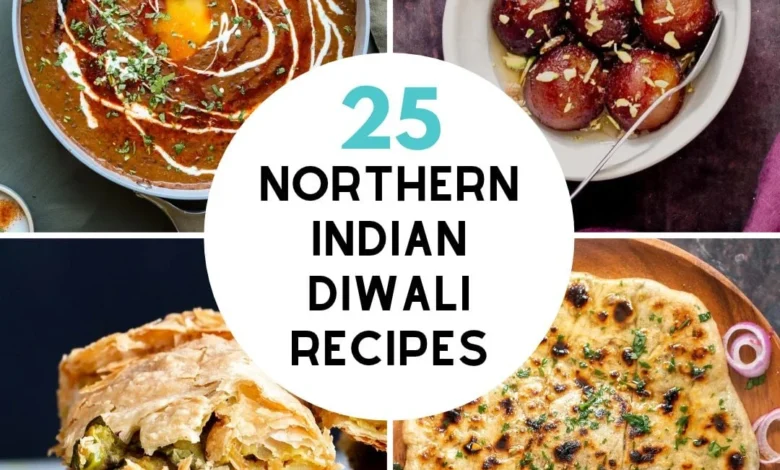
For those hosting gatherings, the challenge lies in maintaining the authentic, robust profiles of North Indian staples—such as the smoky depth of dal makhani or the delicate sweetness of gulab jamun—without the use of animal products. The current movement among home chefs and professional cooks is to utilize nutrient-dense substitutes like cashews, tofu, and legumes to replicate the mouthfeel and flavor profiles that define the region’s heritage.

Appetizers: Reimagining Classics for Modern Palates
The opening act of any Diwali feast is the appetizer course, which traditionally serves as a social bridge between the lighting of lamps and the main meal. Modern takes on these starters prioritize accessibility and shared consumption. For example, the transformation of the classic samosa into a "Samosa Pie" represents a shift toward practicality. Rather than the time-intensive process of folding individual pastries, a single-pie format allows for a communal dining experience.

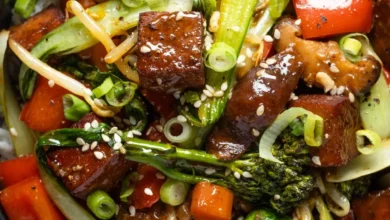
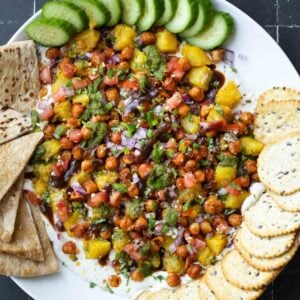
Furthermore, the "Samosa Dip" or "Chaat Platter" has emerged as a preferred alternative to individual portioning. By deconstructing the components of a traditional chaat—spiced potatoes, chickpeas, tamarind chutney, and yogurt—hosts can create a visually striking, interactive dish. These adaptations maintain the integrity of traditional spice blends, such as the use of amchur (dried mango powder) and chaat masala, while increasing the fiber and protein content per serving. Similarly, Indo-Chinese fusion, such as chilli garlic tofu puffs, reflects the globalized nature of modern Indian cuisine, incorporating the vibrant, heat-forward profiles popular in urban Indian centers like Delhi and Kolkata.
The Main Course: Complexity and Comfort
The centerpiece of the Diwali table in Northern India is typically a combination of lentil-based curries and vegetable preparations, often paired with unleavened breads. The transition to vegan versions of these dishes has required a nuanced approach to technique.

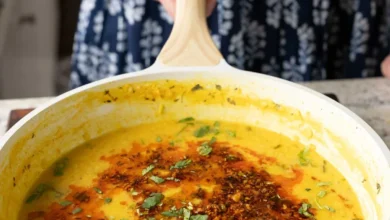
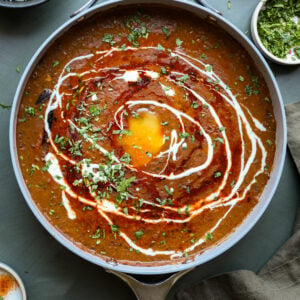
Dal Makhani, arguably the most iconic North Indian curry, traditionally requires hours of slow cooking to achieve its creamy consistency. Chefs are now successfully replicating this texture using a combination of black gram and kidney beans simmered in a spiced tomato base, utilizing high-quality plant-based fats or nut creams to mimic the traditional addition of butter and cream. This method retains the dish’s hallmark richness while aligning with dairy-free requirements.

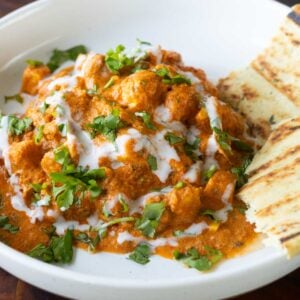
Similarly, regional favorites like Aloo Gobi and Punjabi Chole are being elevated through precise seasoning. The use of the Instant Pot has revolutionized the preparation of these dishes, particularly for large-scale family gatherings. By controlling the pressure and cooking time, home cooks can ensure that chickpeas (chole) achieve the "melt-in-your-mouth" texture essential for a restaurant-quality meal, a feat that historically required overnight soaking and manual monitoring.
Bread and Rice: The Essential Foundations
No North Indian meal is complete without a starch component to absorb the complex sauces of the curries. The shift toward alternative flours—such as almond or chickpea flour—has made traditional breads like naan and paratha accessible to those with gluten sensitivities.

The integration of vegetables directly into the dough, such as in spinach paratha, serves a dual purpose: it adds nutritional value and introduces a vibrant aesthetic to the table. For rice dishes, the mushroom biryani has gained significant traction. By utilizing meaty mushrooms to provide an umami-rich base, cooks can replicate the complexity of a traditional meat-based biryani, utilizing fragrant basmati rice and a bouquet of whole spices including cardamom, cinnamon, and cloves to create a layered, aromatic profile.

Sweets: Preserving Tradition in a Dairy-Free Era
The most challenging aspect of a vegan Diwali menu is arguably the dessert course. Indian sweets, or mithai, are historically inseparable from dairy. However, innovation in the pastry arts has allowed for the creation of dairy-free versions of classics like Gulab Jamun and Rasmalai.

The production of vegan Gulab Jamun—often using a dry mix of plant-based flours and leavening agents—proves that the texture of the deep-fried, syrup-soaked ball can be achieved without milk solids. Meanwhile, the fusion of Western and Indian dessert techniques, such as the Kulfi Tiramisu, reflects the cosmopolitan spirit of modern Diwali celebrations. By layering coffee-infused sponges with cardamom-scented, cashew-based "kulfi" cream, hosts are providing guests with a nostalgic yet novel experience.

Economic and Cultural Implications
The rise of these 25 plant-based recipes is not merely a culinary trend; it signals a broader shift in how cultural heritage is preserved and adapted. By decoupling traditional flavors from specific animal-derived ingredients, families can ensure that these culinary practices remain relevant for future generations, regardless of dietary restrictions.

Food historians note that Indian cuisine has always been inherently adaptive, absorbing influences from various regions and cultures throughout history. The current shift toward veganism is simply the latest chapter in this ongoing evolution. From an economic perspective, the availability of these recipes online has democratized the ability to host sophisticated, inclusive feasts, reducing the reliance on restaurant catering and encouraging home-based culinary experimentation.

Conclusion: A Feast for All
As households prepare for this year’s festivities, the emphasis remains on the core values of Diwali: community, reflection, and joy. The availability of diverse, plant-based North Indian recipes ensures that these celebrations remain as inclusive as possible. Whether one opts for the traditional preparations passed down through generations or explores these modern, plant-forward adaptations, the essence of the meal lies in the act of sharing. By embracing these diverse recipes—ranging from the crispy, spiced starters to the decadent, syrupy desserts—hosts can create a festive spread that honors the past while looking toward a healthier, more sustainable future. The fusion of tradition and innovation, captured in these 25 dishes, promises a Diwali feast that is as memorable as it is accessible.