
The Global Shift Toward Keratin Based Circularity Repurposing Human Hair And Animal Fiber For Agricultural And Ecological Restoration
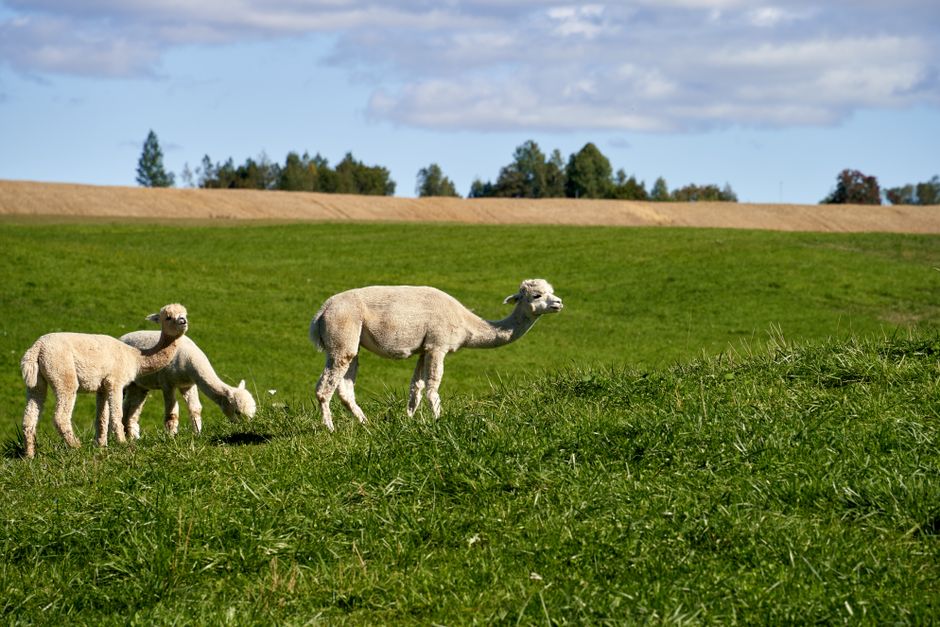
The Keratin Revolution: Repurposing Human Hair and Animal Fiber for a Circular Agriculture and Ecological Restoration Economy
The global agricultural and ecological restoration sectors are undergoing a profound paradigm shift, moving away from linear, resource-intensive models towards a circular economy. A key driver of this transformation is the innovative repurposing of keratin-rich biomaterials, primarily human hair and animal fibers, into valuable soil amendments and ecological remediation tools. This article explores the scientific underpinnings, practical applications, and significant environmental benefits of this burgeoning keratin-based circularity, highlighting its potential to address pressing challenges in food security, land degradation, and waste management.
Keratin, a fibrous structural protein, is the primary component of hair, nails, wool, feathers, and horns. Its unique chemical structure, characterized by a high sulfur content, particularly in the form of cysteine amino acids, confers remarkable resilience, durability, and resistance to degradation. This inherent robustness, while making keratin difficult to break down biologically, is precisely what makes it an attractive material for long-term soil conditioning and ecological applications. Historically, these materials have often been discarded as waste, contributing to landfill burdens. However, a deeper understanding of keratin’s composition and properties has unlocked its potential for a high-value, closed-loop system. The collection and processing of these abundant, renewable resources represent a significant untapped potential for sustainable development.
The journey from discarded keratin to a valuable agricultural input begins with collection and pretreatment. Human hair is readily available from salons, barbershops, and individuals, while animal fibers are generated from livestock farming, textile manufacturing byproducts, and even hunting. Collection systems are being established globally to aggregate these materials, often through partnerships with waste management companies and agricultural cooperatives. Pretreatment typically involves cleaning, sterilization (to eliminate pathogens), and mechanical processing. Shredding, grinding, or chopping keratinous materials into smaller particle sizes increases their surface area, facilitating subsequent chemical or biological treatments and improving their integration into soil matrices. Advanced techniques like hydrothermal treatment, alkaline hydrolysis, and enzymatic hydrolysis are employed to modify keratin’s structure, making it more bioavailable and releasing valuable nutrients. These processes can break down the recalcitrant keratin structure, enhancing its decomposition rate in soil and releasing nitrogen and sulfur, essential macronutrients for plant growth.
One of the most significant applications of processed keratin is as a slow-release nitrogen fertilizer. The high nitrogen content in keratin, coupled with its gradual decomposition in soil, provides a sustained release of this crucial nutrient, reducing the need for synthetic nitrogen fertilizers. Synthetic fertilizers are energy-intensive to produce, their overuse leads to environmental problems like eutrophication of waterways, and their production contributes to greenhouse gas emissions. Keratin-based fertilizers, in contrast, offer a natural, organic alternative. Studies have demonstrated that keratin amendments can improve crop yields, enhance plant vigor, and increase nutrient uptake. The sulfur content in keratin also plays a vital role, as sulfur is often deficient in agricultural soils and is essential for amino acid synthesis and enzyme activity in plants. This dual nutrient release addresses a common nutritional bottleneck in agriculture.
Beyond its fertilizing capabilities, keratin-based materials exhibit remarkable soil conditioning properties. When incorporated into soil, they improve soil structure by increasing aggregation, aeration, and water-holding capacity. This is particularly beneficial for degraded or compacted soils, which are prevalent in many agricultural regions worldwide. Improved soil structure leads to better root penetration, enhanced microbial activity, and greater resilience to drought and erosion. The physical presence of keratin particles can create a more porous soil matrix, facilitating water infiltration and retention, thereby reducing runoff and conserving precious water resources. This is a critical advantage in water-scarce regions facing increasing climatic variability. Furthermore, the increased pore space supports beneficial soil microorganisms, creating a more robust and healthy soil ecosystem.
The application of keratin-based materials extends to ecological restoration, particularly in combating land degradation and desertification. In arid and semi-arid regions, where soil erosion and nutrient depletion are severe, keratin amendments can help stabilize soil, prevent wind and water erosion, and promote vegetation regrowth. By binding soil particles and improving moisture retention, keratin acts as a natural binder, helping to reclaim barren land. This is crucial for biodiversity conservation, as restored ecosystems can support a wider range of plant and animal species. The introduction of keratin can kickstart the ecological succession process, gradually transforming degraded landscapes into more productive and resilient environments. The slow decomposition rate ensures long-term soil improvement, providing a sustained benefit for ecological recovery.
Recent research has also explored the use of keratin-derived hydrogels and bioplastics for various ecological applications. These materials can be used for controlled drug delivery in environmental remediation, acting as carriers for beneficial microbes or pollutants. They can also serve as biodegradable mulches, suppressing weeds, retaining soil moisture, and eventually decomposing to enrich the soil. The versatility of keratin allows for the creation of materials with tailored properties, opening up a wide array of innovative applications in environmental engineering and conservation. The ability to engineer these materials for specific functions underscores the transformative potential of keratin in addressing complex environmental challenges.
The economic viability of keratin-based circularity is increasingly apparent. The cost of waste disposal is rising, and the demand for sustainable agricultural inputs is growing. Repurposing keratin offers a cost-effective solution for both waste management and agricultural production. The development of efficient collection and processing technologies, coupled with market demand for organic and sustainable products, is driving investment in this sector. Furthermore, the creation of local and regional supply chains for keratin-based products can stimulate rural economies and create green jobs. This circular model fosters a more equitable distribution of resources and economic benefits.
Challenges remain in scaling up keratin-based circularity. Standardizing collection and processing methods, ensuring consistent product quality, and educating stakeholders about the benefits are crucial for widespread adoption. Further research is needed to optimize keratin processing for specific soil types and crop requirements, and to fully understand the long-term ecological impacts. Regulatory frameworks need to be developed to support the use of keratin-based products in agriculture and environmental restoration. Public awareness campaigns are essential to foster consumer acceptance and demand for products grown using these sustainable inputs. Building trust in the efficacy and safety of these novel materials is paramount.
Despite these challenges, the trajectory for keratin-based circularity is undeniably upward. The convergence of environmental imperatives, technological advancements, and economic opportunities is creating a powerful impetus for change. As our understanding of keratin’s potential deepens, and as innovative solutions emerge, this revolution in biomaterial repurposing promises to reshape agricultural practices and accelerate ecological restoration efforts. The integration of human hair and animal fiber into a circular economy offers a tangible pathway towards a more sustainable and resilient future, transforming what was once considered waste into a vital resource for planetary well-being. The "waste" product of one industry becomes the high-value input for another, embodying the core principles of a truly circular economy. The ongoing research into novel extraction and modification techniques will undoubtedly unlock even more transformative applications for this abundant and sustainable resource.