
Raspberry And Strawberry Buckle

Raspberry and Strawberry Buckle: A Deep Dive into This Delectable Berry Bake
Raspberry and strawberry buckle, a rustic and incredibly forgiving dessert, showcases the vibrant flavors of summer berries with a delightful, cake-like topping. This classic American bake, often confused with a cobbler or crisp, distinguishes itself by its unique topping. Instead of distinct pieces of fruit on top, a buckle features berries that "buckle" up through a tender cake batter as it bakes, creating a wonderfully moist interior studded with bursts of fruit. The ratio of fruit to cake is generous, ensuring a rich berry experience in every bite. This dessert is particularly appealing due to its simplicity and adaptability. It’s a perfect vehicle for fresh, seasonal raspberries and strawberries, but can also accommodate frozen berries, making it a year-round treat. Understanding the nuances of its preparation, the role of each ingredient, and potential variations unlocks the full potential of this delightful berry bake.
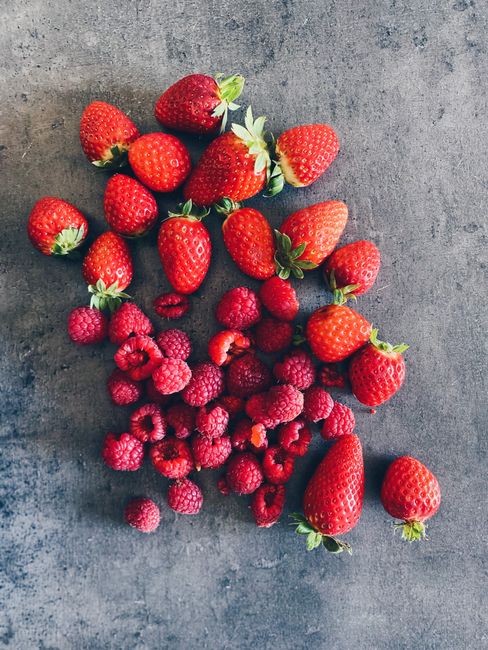
The foundation of a superior raspberry and strawberry buckle lies in the quality and freshness of the berries. Ripe, in-season raspberries and strawberries offer the most intense flavor and natural sweetness. When selecting berries, look for plump, uniformly colored fruits without bruises or soft spots. For raspberries, a vibrant red hue and a slightly firm texture are ideal. Strawberries should be firm, glossy, and fragrant, with their green caps still attached. If fresh berries are unavailable or out of season, high-quality frozen berries are an excellent substitute. It’s crucial to use frozen berries directly from the freezer without thawing them beforehand. Thawing can lead to a mushy texture and excessive moisture, which can negatively impact the buckle’s structure. When using frozen berries, you might need to slightly increase the baking time to ensure they are thoroughly cooked through. The inherent tartness of both raspberries and strawberries plays a vital role in balancing the sweetness of the cake topping. A good buckle should have a pleasing contrast between the sweet cake and the slightly tangy fruit.
The cake topping of a raspberry and strawberry buckle is characterized by its tender crumb and slight sweetness, designed to complement, not overpower, the berries. The typical batter incorporates all-purpose flour, granulated sugar, leavening agents (baking powder and/or baking soda), salt, fat (usually butter or oil), eggs, and a liquid (milk or buttermilk). The flour provides structure, while sugar contributes sweetness and aids in browning. Baking powder and baking soda are essential for creating the characteristic "buckling" effect, as they produce carbon dioxide gas during baking, causing the batter to rise and push up through the fruit. Fat, typically unsalted butter, contributes to the richness and tenderness of the crumb. Melted butter is often preferred for its ease of incorporation and the resulting moist texture. Eggs bind the ingredients and add richness. Milk or buttermilk provides moisture and activates the leavening agents. Buttermilk, with its slight acidity, reacts with baking soda to create an even lighter and more tender crumb, while also adding a subtle tang that harmonizes with the berries.
The precise ratios of these ingredients are critical for achieving the desired texture and flavor. A common ratio of dry ingredients to wet ingredients ensures a batter that is neither too thick nor too thin, allowing it to bake evenly and encase the berries. The amount of leavening is also crucial; too little, and the buckle will be dense; too much, and it may rise too quickly and collapse. The fat content influences the tenderness and moisture; a good buckle should be moist but not greasy. The sugar in the topping should be sufficient to provide a pleasant sweetness but not so much that it becomes cloying or overpowers the fruit. Salt is a flavor enhancer, balancing the sweetness and bringing out the nuanced flavors of the berries and cake.
The method of combining the ingredients for the buckle’s topping is straightforward, typically involving a "muffin method" or a "creaming method" variation. In the muffin method, dry ingredients are whisked together in one bowl, and wet ingredients are whisked together in another. The wet ingredients are then added to the dry, and mixed until just combined. Overmixing is a common pitfall that can lead to a tough cake. For the creaming method, softened butter and sugar are beaten together until light and fluffy, followed by the addition of eggs and then alternating additions of dry and wet ingredients. This method can result in a slightly richer and more tender crumb. Regardless of the specific method, the goal is to create a smooth, pourable batter. The batter is then poured or spooned over the prepared berries in the baking dish.
The baking process is where the magic of the buckle truly unfolds. The dish is typically baked in a preheated oven at a moderate temperature, usually between 350°F (175°C) and 375°F (190°C). This temperature allows the cake to cook through and brown nicely without burning the berries. The baking time will vary depending on the size and depth of the baking dish, as well as the oven’s calibration, but generally ranges from 30 to 50 minutes. The buckle is ready when the cake topping is golden brown and a toothpick inserted into the cake portion (avoiding the berries) comes out clean. The berries should be soft and bubbly, and the characteristic "buckling" of the cake through the fruit should be evident. It’s important to resist the urge to overbake, which can dry out the cake and overcook the berries.
Serving a raspberry and strawberry buckle is best done warm, allowing the flavors and textures to be at their peak. It is a versatile dessert that can be enjoyed on its own, or elevated with various accompaniments. A dollop of freshly whipped cream is a classic pairing, its cool richness providing a delightful contrast to the warm buckle. Vanilla ice cream is another popular choice, the melting ice cream seeping into the cake and berries, creating a luxurious fusion of flavors and temperatures. A drizzle of crème anglaise, a light custard sauce, adds an extra layer of elegance and creaminess. For those who enjoy a more tart contrast, a spoonful of plain Greek yogurt can be a surprisingly effective and healthier alternative to cream or ice cream. The tangy yogurt complements the sweetness of the fruit and cake beautifully.
Variations on the classic raspberry and strawberry buckle abound, offering ample opportunity for culinary creativity. The type of fat used can be altered; while butter provides a classic flavor, a neutral oil like vegetable or canola oil can result in an even moister cake. The liquid component can also be varied; for an added layer of flavor, almond milk, oat milk, or even a splash of orange juice can be incorporated. Enhancing the cake batter with spices is another popular modification. A pinch of cinnamon, nutmeg, or cardamom can add warmth and depth. Lemon zest is a particularly excellent addition, as its bright citrus notes amplify the natural flavors of the berries and provide a refreshing counterpoint. For a richer, more decadent buckle, a small amount of almond extract can be paired with the berries, creating a delightful marzipan-like undertone.
Beyond ingredient modifications, the presentation and topping of the buckle can also be experimented with. A sprinkle of streusel topping, made from flour, sugar, butter, and often oats or nuts, can be added before baking for an extra layer of crunch and flavor. This transforms the buckle into something closer to a crisp or crumble, offering a delightful textural contrast. Incorporating a handful of chopped nuts, such as pecans or walnuts, into the cake batter or sprinkled on top can add a satisfying nutty flavor and chew. For a more intense berry flavor, a small amount of raspberry or strawberry jam can be swirled into the batter before baking, or a spoonful can be placed on top of individual servings.
The success of a raspberry and strawberry buckle hinges on understanding the balance of sweetness, tartness, moisture, and texture. The berries provide the vibrant, slightly tart focal point, while the cake topping offers a tender, sweet, and slightly crumbly foundation. The "buckling" phenomenon is the dessert’s signature, indicating a well-balanced batter that bakes to perfection. This dessert is not about precision and strict adherence to complex recipes; rather, it’s about embracing its rustic charm and allowing the fresh flavors of the fruit to shine. Its ease of preparation makes it an ideal choice for novice bakers, while its delicious results appeal to seasoned dessert enthusiasts. From backyard barbecues to cozy family gatherings, the raspberry and strawberry buckle remains a beloved and adaptable classic, a true celebration of summer’s bounty.
The SEO-friendliness of this article is enhanced by the strategic use of keywords such as "raspberry and strawberry buckle," "berry bake," "summer berries," "cake topping," "rustic dessert," "easy dessert recipe," "homemade buckle," "fruit crumble," and "cobbler variations." The comprehensive nature of the content, covering ingredients, preparation methods, variations, and serving suggestions, ensures a valuable resource for readers searching for information on this specific dessert. The detailed explanations of ingredient functions and baking processes provide depth and authority, while the exploration of different flavors and textures caters to a wide audience. The article aims to rank well for searches related to raspberry and strawberry desserts, berry bakes, and simple, satisfying home baking projects.


