Tender Slow Cooked Pork Roast
Slow Cooker Pork Roast: The Ultimate Guide to Tender, Flavorful Results
Achieving a truly tender and succulent pork roast, especially when time is a constraint or the desire for minimal hands-on preparation is paramount, hinges on the strategic application of slow cooking techniques. The low and slow method, primarily executed within the confines of a modern slow cooker, revolutionizes tougher cuts of pork, transforming them into melt-in-your-mouth masterpieces. This approach leverages prolonged, consistent, low temperatures to break down connective tissues within the meat, such as collagen, into gelatin. This gelatin not only contributes to an incredibly tender texture but also adds moisture and a rich mouthfeel, preventing the roast from becoming dry or stringy. The sealed environment of the slow cooker also traps steam, further promoting moisture retention and infusing the meat with the flavors of the accompanying liquids and aromatics.
Selecting the right cut of pork is foundational for a successful slow cooker roast. While many pork cuts can benefit from slow cooking, certain types are inherently better suited to this method due to their fat content and connective tissue distribution. Bone-in pork shoulder, also known as Boston butt or pork picnic roast, is an exemplary choice. Its substantial marbling of intramuscular fat renders down during the slow cooking process, basting the meat from within and ensuring unparalleled tenderness and moisture. The bone also contributes to flavor and helps maintain the roast’s structural integrity throughout the extended cooking period. Another excellent option is the pork loin, particularly the bone-in variety. While leaner than pork shoulder, the bone-in loin still possesses enough intramuscular fat and connective tissue to benefit significantly from slow cooking, resulting in a moist and flavorful roast. Pork belly, though fattier, can also be slow-cooked to achieve a wonderfully tender and succulent outcome, often used for dishes like pulled pork. For those seeking a slightly leaner profile, a boneless pork loin roast can still be made tender, but it requires careful attention to liquid levels and cooking time to avoid drying out. The key differentiator for these cuts is their inherent ability to withstand prolonged heat without sacrificing moisture or becoming tough. The higher fat content and connective tissue in cuts like the shoulder provide a natural buffer against overcooking, making them more forgiving for novice slow cooker enthusiasts.
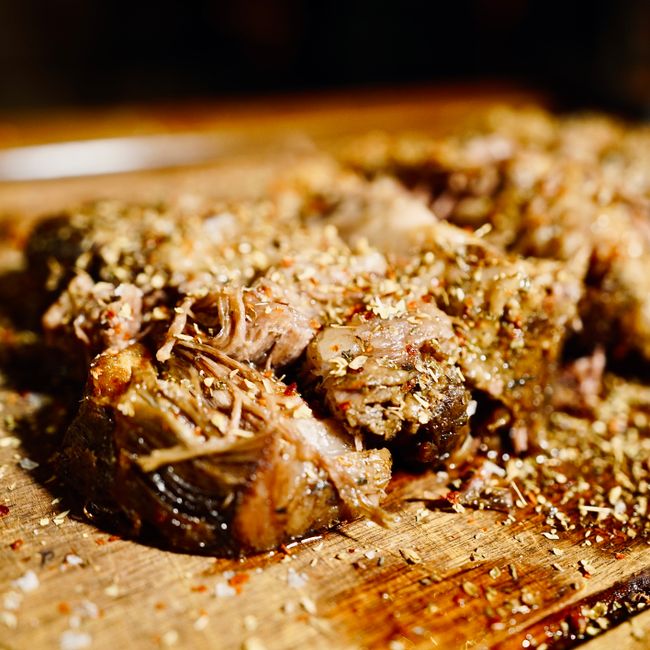
Seasoning the pork roast is a critical step that lays the groundwork for deep flavor. A robust rub, applied generously to all surfaces of the meat, will penetrate and season the pork from the outside in. Classic pork rub combinations often include a base of salt and black pepper, essential for enhancing the natural sweetness of the pork. Garlic powder and onion powder provide aromatic depth, while paprika, smoked paprika, or cayenne pepper introduce color and a subtle spicy kick. Brown sugar or a sweetener like maple syrup can help with caramelization and create a delightful sweet and savory crust. Herbs like dried thyme, rosemary, or oregano complement pork beautifully, adding herbaceous notes. For a more complex flavor profile, consider incorporating cumin, coriander, or chili powder. When applying the rub, it’s beneficial to use your hands to ensure even coverage, pressing the mixture firmly into the meat to create a better bond. Allow the seasoned roast to rest at room temperature for at least 30 minutes, or ideally a few hours, before cooking. This resting period allows the salt in the rub to begin its work, drawing out some moisture and then reabsorbing it, carrying the seasonings deeper into the meat. This pre-salting, or dry brining, is a simple yet highly effective technique for maximizing flavor penetration.
Browning the pork roast before slow cooking is a crucial step that significantly enhances both flavor and visual appeal. This process, known as the Maillard reaction, occurs when amino acids and reducing sugars in the meat are exposed to high heat, creating hundreds of new flavor compounds and a rich, savory brown crust. To brown the roast, heat a tablespoon or two of high-smoke-point oil, such as vegetable, canola, or avocado oil, in a heavy-bottomed skillet or Dutch oven over medium-high heat. Once the oil is shimmering, carefully place the seasoned pork roast in the hot pan, ensuring not to overcrowd it. Sear each side of the roast for 2-4 minutes, or until a deep golden-brown crust has formed. This step creates a foundation of complex flavors that will permeate the entire roast as it cooks in the slow cooker. The rendered fat from the browning process can also be incorporated into the slow cooker liquid, adding another layer of richness. If using a smaller skillet, it may be necessary to brown the roast in batches to achieve an even crust on all sides. This step is non-negotiable for a truly flavorful slow cooker pork roast, as it builds a depth of taste that cannot be achieved by simply placing raw meat into the slow cooker.
The choice of liquid in the slow cooker plays a pivotal role in infusing the pork roast with flavor and ensuring its tenderness. While water can be used, it is far less impactful than utilizing flavorful liquids. Broth, such as chicken, vegetable, or beef broth, provides a savory base. Beer, particularly lagers, ales, or darker beers like stouts, can add malty notes and a slight bitterness that complements pork well. Apple cider or apple juice introduces a touch of sweetness and a fruity undertone that pairs beautifully with pork. Wine, such as white or red wine, can offer acidity and complexity. For a richer, more robust flavor, consider using a combination of liquids. For instance, a mix of beef broth and dark beer can create a deeply savory and complex braising liquid. The amount of liquid is also important. Generally, you’ll want enough liquid to come up about one-third to one-half of the way up the sides of the roast. This allows the liquid to gently braise the meat, creating steam and infusing flavor without completely submerging the roast, which can lead to a boiled rather than roasted texture. The rendered juices from the browning process should also be deglazed from the skillet and added to the slow cooker, as they contain concentrated flavor.
Aromatics are essential for layering complexity and fragrance into slow cooker pork roast. These ingredients, added to the slow cooker alongside the liquid, release their essential oils and flavors during the long cooking process, imbuing the pork with a nuanced taste. Classic aromatics include roughly chopped onions, which contribute a sweet and savory base. Garlic, in whole cloves or roughly chopped, adds pungent depth. Carrots and celery, cut into large chunks, offer a mirepoix foundation, providing sweetness and a subtle earthiness. Fresh herbs, such as sprigs of thyme, rosemary, or bay leaves, infuse the roast with their distinct aromas. Dried herbs can also be used, but fresh herbs generally offer a more vibrant flavor. For a spicier profile, consider adding a few slices of jalapeño or a pinch of red pepper flakes. The key with aromatics is to use them generously and in larger pieces, as they will break down and release their flavors over the extended cooking time without becoming overly dominant or disintegrated. The slow cooker environment is ideal for slowly extracting the essence of these ingredients, creating a deeply flavorful braising liquid that enhances the pork.
Setting the correct cooking temperature and time is paramount for achieving optimal tenderness in a slow cooker pork roast. Slow cookers typically offer two primary heat settings: "Low" and "High." For pork roasts, the "Low" setting is almost always preferred. Cooking on "Low" for 6-10 hours, depending on the size and thickness of the roast, allows the connective tissues to break down gradually, resulting in a supremely tender and moist outcome. The "High" setting should generally be avoided for pork roasts, as it can cook the meat too quickly, leading to a tougher, drier texture and a less developed flavor profile. A general guideline is to allow approximately 1 hour per pound of pork on the "Low" setting. However, this is a flexible guideline, and it’s crucial to rely on internal temperature as the ultimate indicator of doneness. For pork shoulder or pork butt, the target internal temperature for shredding is around 195-205°F (90-96°C). For a pork loin roast, where a slightly firmer texture is desired, a target of 145°F (63°C) followed by a rest is more appropriate. The beauty of slow cooking is its forgiving nature. If you’re unsure, it’s better to err on the side of slightly longer cooking time on "Low" than to risk undercooking and having a tough roast.
Monitoring the internal temperature of the pork roast is the most accurate method for determining doneness and ensuring optimal tenderness. While time is a useful guide, the actual cooking time can vary based on the specific slow cooker, the starting temperature of the roast, and the cut of meat. Insert a meat thermometer into the thickest part of the roast, avoiding any bone or large pockets of fat. For pork shoulder or cuts intended for shredding, aim for an internal temperature of 195-205°F (90-96°C). At these temperatures, the collagen has effectively broken down into gelatin, and the meat will be exceptionally tender and easy to pull apart with forks. For pork loin, which is a leaner cut and is often served sliced, a target internal temperature of 145°F (63°C) is recommended for medium, followed by a resting period. This temperature ensures a juicy and tender roast without the risk of dryness. Once the desired internal temperature is reached, it’s crucial to remove the roast from the slow cooker and allow it to rest before carving or shredding.
Resting the pork roast after slow cooking is a critical, yet often overlooked, step that significantly impacts the final texture and juiciness of the meat. Once the roast has reached its target internal temperature, carefully remove it from the slow cooker and place it on a clean cutting board or platter. Tent it loosely with aluminum foil. This resting period allows the muscle fibers to relax and redistribute the juices throughout the roast. During the cooking process, the muscle fibers contract, pushing moisture to the center of the meat. Resting allows these fibers to loosen and reabsorb these juices, resulting in a more succulent and flavorful roast. For larger cuts like pork shoulder, a resting time of 15-20 minutes is recommended. For leaner cuts like pork loin, a slightly shorter rest of 10-15 minutes is usually sufficient. Skipping this step can lead to a significant amount of juice running out onto the cutting board when the roast is carved, leaving the meat drier and less flavorful.
Transforming the braising liquid into a flavorful sauce or gravy elevates the slow cooker pork roast from good to exceptional. After removing the pork, strain the braising liquid through a fine-mesh sieve into a saucepan. Discard the cooked aromatics and any large pieces of fat. Skim off any excess fat from the surface of the liquid. To thicken the liquid into a gravy, you can create a slurry by whisking together equal parts cornstarch or flour with a small amount of cold water or broth until smooth. Bring the strained liquid to a simmer over medium heat, then gradually whisk in the slurry until the desired consistency is achieved. Season the gravy with salt, pepper, and any other desired herbs or spices. For a richer sauce, you can reduce the liquid further by simmering it uncovered for a longer period. Alternatively, for a simpler pan sauce, you can deglaze the slow cooker insert with a splash of wine or broth after removing the roast and scraping up any browned bits, then reduce this liquid. The infused flavors from the slow cooking process make the braising liquid a treasure trove of taste, and its transformation into a sauce or gravy ties the entire dish together beautifully.
Serving suggestions for a tender slow cooker pork roast are as versatile as the dish itself. The shredded pork from a pork shoulder is the quintessential ingredient for pulled pork sandwiches, piled high on toasted buns with your favorite barbecue sauce and coleslaw. It’s also excellent in tacos, enchiladas, or as a topping for nachos. Sliced pork loin can be served as a traditional roast dinner, accompanied by roasted vegetables like potatoes, carrots, and Brussels sprouts, and a generous ladle of the prepared gravy. It also makes for delicious pork sandwiches or can be incorporated into pasta dishes or grain bowls. For a touch of elegance, the tender slices can be served with a fruit chutney or a dollop of apple sauce. The versatility of the slow cooker pork roast allows it to seamlessly transition from a casual weeknight meal to a more formal gathering. The key is to embrace the inherent tenderness of the meat and allow its rich, savory flavor to shine, whether dressed up with a sophisticated sauce or kept simple and rustic.