Garlic Ginger Chicken Wings
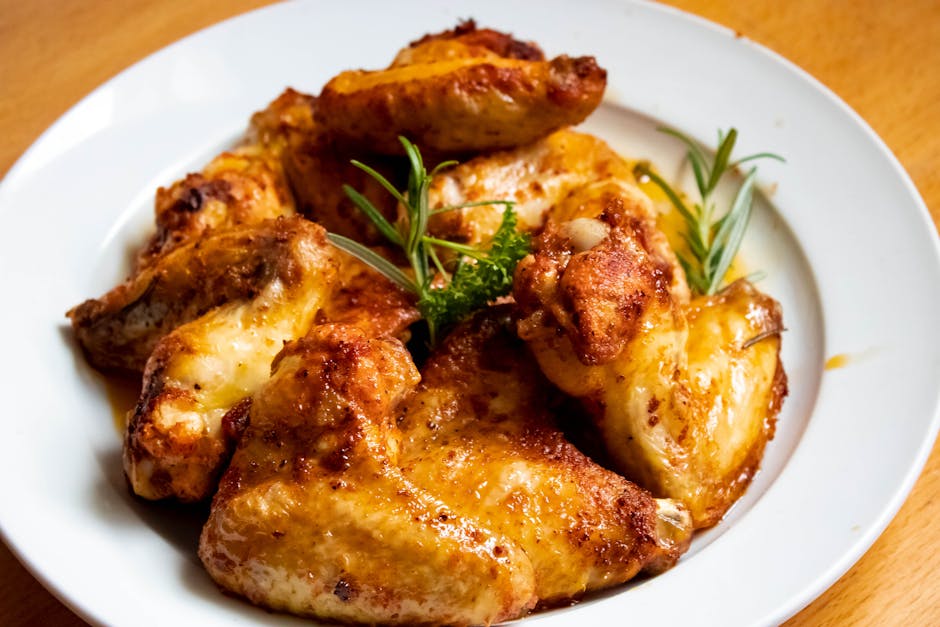
Garlic Ginger Chicken Wings: The Ultimate Flavor Fusion for a Crispy, Savory Delight
Garlic ginger chicken wings represent a culinary masterpiece, a harmonious marriage of pungent garlic and zesty ginger that elevates the humble chicken wing to extraordinary heights. This flavor combination, deeply rooted in Asian cuisines, offers a complex and satisfying profile that is both comforting and exciting. The inherent fattiness of chicken wings, when rendered crispy through proper cooking, provides the perfect canvas for the robust aromatics of garlic and ginger. The resulting dish is a symphony of textures and tastes: the initial satisfying crunch, followed by the tender, juicy meat, and finally, the lingering, savory warmth of the garlic and ginger marinade. This article will delve deep into the intricacies of creating exceptional garlic ginger chicken wings, covering everything from ingredient selection and preparation to various cooking methods and flavor enhancement techniques. Mastering this recipe unlocks a world of possibilities for appetizers, game-day snacks, or even a flavorful main course.
The foundational elements for outstanding garlic ginger chicken wings are fresh, high-quality ingredients. Opt for fresh chicken wings rather than frozen. Fresh wings generally have a better texture and absorb marinades more effectively. Look for wings that are plump and have a healthy pinkish hue. The cut of the wing is also important; a standard party wing, which is the drumette and the flat, is ideal for even cooking and easy eating. For the aromatics, use fresh garlic and fresh ginger. Pre-minced garlic or ginger from a jar can lack the potency and vibrant flavor of their fresh counterparts. When selecting garlic, look for firm, unblemished bulbs. For ginger, choose firm roots with smooth skin, avoiding any that are soft or shriveled. The quality of your oil for frying or baking also plays a role. A neutral, high-smoke-point oil like canola, vegetable, or peanut oil is recommended for frying. For baking, the oil is less critical for achieving crispiness but still contributes to browning and flavor. Soy sauce is another key component, providing the salty umami backbone of the marinade. A good quality, low-sodium soy sauce is preferable, allowing you to control the salt level more precisely. For sweetness, honey or brown sugar are common choices, balancing the savory and spicy elements. Rice vinegar adds a touch of acidity, cutting through the richness and brightening the overall flavor. A pinch of red pepper flakes or a dash of Sriracha can introduce a welcome kick of heat, further enhancing the complexity of the flavor profile.
The preparation of the chicken wings is a crucial step that directly impacts their texture and ability to absorb flavor. Begin by thoroughly patting the chicken wings dry with paper towels. This seemingly simple step is paramount for achieving crispy skin. Excess moisture on the surface of the wings will steam them during cooking, hindering the crisping process. Once dried, the wings can be cut into drumettes and flats if they are whole wings. This ensures more even cooking and makes them easier to handle and serve. The marinade is where the magic of garlic ginger chicken wings truly happens. A well-balanced marinade will infuse the meat with flavor and tenderize it slightly. For a classic garlic ginger marinade, finely mince a generous amount of garlic and grate fresh ginger. The ratio of garlic to ginger is a matter of personal preference, but a 2:1 or 3:2 ratio of garlic to ginger is a good starting point. Combine the minced garlic and grated ginger in a bowl. Add soy sauce, honey or brown sugar, rice vinegar, and optional red pepper flakes or Sriracha. Whisk these ingredients together until well combined. Place the dried chicken wings in a resealable plastic bag or a non-reactive bowl. Pour the marinade over the wings, ensuring each wing is coated. Marinate for at least 30 minutes at room temperature, or for optimal flavor infusion, refrigerate for 2 to 6 hours. Avoid marinating for excessively long periods (over 12 hours) as the acidity from the vinegar can begin to break down the meat too much, leading to a mushy texture. Before cooking, remove the wings from the marinade and allow any excess to drip off. Some recipes suggest discarding the marinade and making a fresh sauce later, while others advocate for reducing the marinade to create a glaze. The decision depends on your desired level of intensity and food safety considerations.
Several cooking methods can be employed to achieve delicious garlic ginger chicken wings, each offering distinct advantages. Frying is often considered the gold standard for achieving ultimate crispiness. Heat a neutral oil in a deep pot or Dutch oven to 350-375°F (175-190°C). Fry the wings in batches, ensuring not to overcrowd the pot, as this will lower the oil temperature and result in soggy wings. Fry for 6-8 minutes per side, or until golden brown and cooked through. The internal temperature should reach 165°F (74°C). Remove the fried wings with a slotted spoon and drain on a wire rack set over a baking sheet to maintain crispiness. Baking is a healthier alternative that can still produce wonderfully flavorful and reasonably crispy wings. Preheat your oven to 400-425°F (200-220°C). Arrange the marinated wings in a single layer on a baking sheet lined with parchment paper or aluminum foil. For extra crispiness, you can toss the wings with a tablespoon or two of cornstarch or baking powder (not baking soda) before baking. This helps to draw out moisture and promote browning. Bake for 25-35 minutes, flipping the wings halfway through, until they are golden brown and cooked through. Broiling can be used in conjunction with baking or as a finishing step to enhance crispiness. After baking, switch the oven to broil and cook for an additional 2-3 minutes per side, watching carefully to prevent burning. Air frying has become increasingly popular for its ability to deliver crispy results with less oil. Preheat your air fryer to 380-400°F (190-200°C). Place the wings in a single layer in the air fryer basket, working in batches if necessary. Air fry for 18-25 minutes, shaking the basket halfway through, until the wings are golden brown and crispy.
To elevate your garlic ginger chicken wings beyond the basic recipe, consider these flavor enhancement techniques. A popular addition is to create a glaze or sauce to toss the cooked wings in. This can be achieved by simmering some of the reserved marinade (if you’ve ensured it’s safe for re-boiling, typically by boiling it for a few minutes beforehand) with additional soy sauce, honey, and a touch of sesame oil until thickened. Alternatively, you can create a separate glaze by sautéing more minced garlic and ginger in a pan, then adding soy sauce, honey, rice vinegar, and a splash of water or chicken broth. Simmer until reduced and syrupy. Toss the cooked wings in this warm glaze just before serving. Incorporating other complementary flavors can add depth. A sprinkle of toasted sesame seeds adds a nutty crunch and visual appeal. Freshly chopped scallions (green onions) provide a fresh, oniony bite and a vibrant green contrast. A squeeze of fresh lime or lemon juice just before serving can cut through the richness and add a bright, zesty finish. For those who enjoy a spicier profile, additional chili flakes, a drizzle of Sriracha, or a few slices of fresh jalapeño can be added. The umami factor can be further enhanced by adding a teaspoon of fish sauce to the marinade or glaze. For a touch of sweetness and subtle spice, a tablespoon of hoisin sauce can be incorporated into the glaze. Consider a quick pickle of thinly sliced red onions or radishes to serve alongside the wings, offering a refreshing contrast to the rich, savory flavors.
Serving garlic ginger chicken wings in a way that complements their bold flavors is essential. They are an excellent appetizer for parties and gatherings, easily portioned and enjoyed with minimal fuss. For a more substantial meal, serve them with a side of steamed white or brown rice to soak up any excess sauce. A simple Asian-inspired slaw, made with shredded cabbage, carrots, and a light sesame-ginger dressing, provides a refreshing counterpoint. Steamed or stir-fried vegetables like broccoli, snap peas, or bok choy also pair well. For a game-day spread, consider offering a variety of dipping sauces, such as a creamy sriracha mayonnaise or a sweet chili sauce, to cater to different preferences. The presentation can also be enhanced. Arrange the wings on a platter and garnish with chopped scallions, toasted sesame seeds, and perhaps a few cilantro sprigs. The aroma alone is often enough to entice guests, but the vibrant colors and satisfying textures will ensure they are a crowd-pleaser.
Beyond the classic preparation, there are several variations on garlic ginger chicken wings that offer exciting twists. A popular adaptation involves incorporating a touch of citrus, such as orange juice or zest, into the marinade. This adds a subtle sweetness and tang that complements the garlic and ginger beautifully. Another variation involves adding a bit of spice beyond red pepper flakes, such as gochujang (Korean chili paste) for a deeper, fermented heat, or a pinch of five-spice powder for an aromatic complexity. For a richer, more decadent flavor, a tablespoon of peanut butter can be whisked into the glaze, creating a creamy, savory coating. Consider a honey-garlic-ginger glaze, where the sweetness is amplified, making them almost addictive. Experiment with different vinegars; apple cider vinegar or balsamic vinegar can offer unique flavor profiles. Some adventurous cooks incorporate a touch of soy sauce and ginger into a breading for a doubly flavorful crunch. When considering dietary restrictions, a gluten-free soy sauce or tamari can be substituted. For those avoiding refined sugar, maple syrup or agave nectar can be used as sweeteners, though this will alter the flavor profile slightly. The versatility of the garlic ginger flavor combination allows for endless culinary exploration, making these wings a staple for any home cook looking to impress.
When troubleshooting common issues with garlic ginger chicken wings, several factors can be addressed. If your wings are not crispy, it’s likely due to insufficient drying before cooking, overcrowding the cooking vessel, or cooking at too low a temperature. Ensure you are patting the wings thoroughly dry, cooking in batches, and maintaining the correct oil temperature for frying or oven temperature for baking. If your wings are bland, the marinade time may have been too short, or the marinade itself may have lacked sufficient flavor intensity. Consider marinating for longer or increasing the quantities of garlic, ginger, and soy sauce. If your wings are too salty, use a low-sodium soy sauce and taste your marinade before adding the wings. You can also adjust the saltiness of the final glaze or sauce. If your wings are mushy, it’s often a result of over-marinating in an acidic liquid, leading to the breakdown of the meat’s structure. Stick to the recommended marinating times. If your wings are burning, your oven temperature might be too high, or you may be broiling them for too long. Monitor them closely, especially during the final stages of cooking. By understanding these potential pitfalls and their solutions, you can consistently achieve perfectly cooked, flavorful, and crispy garlic ginger chicken wings every time.