
Grilled Tri Tip With Oregon Herb Rub

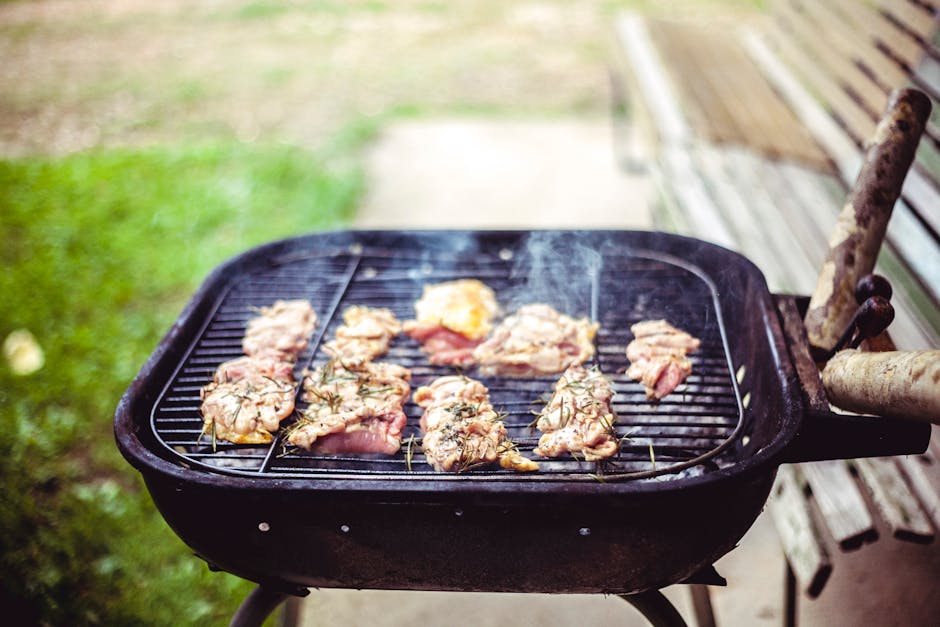
The Ultimate Grilled Tri-Tip with Oregon Herb Rub: A Culinary Masterpiece
The tri-tip roast, a triangular muscle cut from the bottom sirloin of a beef carcass, has experienced a significant surge in popularity, particularly for its grilling prowess. Its lean yet tender composition, coupled with a distinctive flavor profile, makes it an ideal candidate for high-heat cooking methods. This article delves into the intricacies of preparing a superior grilled tri-tip, focusing on the development and application of a robust Oregon herb rub, designed to enhance its natural richness and introduce a complex layer of aromatic sophistication. The tri-tip’s inherent suitability for grilling lies in its relatively uniform thickness, which promotes even cooking, and its moderate fat content, which bastes the meat during the grilling process, ensuring moisture and succulence. Unlike larger roasts that often require slow, low cooking, the tri-tip excels at direct heat, allowing for a beautifully seared exterior and a perfectly medium-rare interior. The key to unlocking its full potential lies in selecting a high-quality roast, employing a thoughtful seasoning strategy, and mastering the art of grilling to achieve that coveted crispy crust and tender, juicy center.
The foundation of an exceptional tri-tip lies in the selection of the beef itself. Opt for a well-marbled tri-tip, characterized by thin streaks of intramuscular fat. This marbling is crucial for flavor and moisture retention during the high-heat grilling process. Look for a roast that is bright red in color, with a firm texture. The size of the tri-tip can vary, but a typical roast will range from 1.5 to 3 pounds, making it suitable for a family meal or a gathering of friends. The grain of the meat is also an important consideration; it typically runs in one direction, and understanding this will be vital for proper slicing after cooking. When purchasing, don’t hesitate to ask your butcher for recommendations or for a specific cut that they are proud of. A good butcher can be an invaluable resource in sourcing premium beef that will form the bedrock of your culinary success. For those venturing into less familiar butcher shops, a visual inspection is key: vibrant color, a smooth, slightly moist surface (not slimy), and evident marbling are all positive indicators of quality. The thickness of the roast is also a factor; a more uniformly thick roast will cook more evenly. Avoid tri-tips that are excessively thin in some areas and thick in others, as this can lead to uneven doneness.
The Oregon herb rub is the star of this particular tri-tip preparation, designed to complement, not overpower, the inherent beefy notes. This rub draws inspiration from the abundant and diverse flora of the Pacific Northwest, incorporating earthy, pungent, and slightly sweet aromatics. The core components include finely chopped fresh rosemary, thyme, and sage. These robust herbs stand up well to the heat of the grill and infuse the meat with their distinctive fragrances. In addition to these, consider incorporating finely minced fresh oregano for a touch of Mediterranean zest, and a hint of dried lavender for a subtle floral undertone that is surprisingly complementary to beef. The ratio of these herbs is important, and experimentation is encouraged to find your personal preference. A good starting point is to use equal parts rosemary, thyme, and sage, with half the amount of oregano and a very small pinch of lavender. Freshly ground black pepper is essential for its pungent bite, and coarse sea salt is paramount for drawing out moisture and enhancing flavor. Some recipes may also benefit from a touch of garlic powder or onion powder, but in this instance, the fresh herbs are intended to be the dominant flavor profile, allowing the natural sweetness of the tri-tip to shine through. The importance of freshly ground spices cannot be overstated; pre-ground spices often lose their volatile oils and therefore their potency and aroma. For the salt, coarse sea salt, such as Kosher salt, is preferred over fine table salt as it adheres better to the meat and provides a more pleasant textural contrast.
To prepare the rub, thoroughly wash and dry all fresh herbs. Finely chop them, ensuring no large pieces remain that might burn on the grill. Combine the chopped herbs with freshly ground black pepper and coarse sea salt in a small bowl. For those seeking an extra layer of complexity, consider adding a touch of smoked paprika for a subtle smokiness, or a pinch of red pepper flakes for a hint of heat. The key is to create a well-balanced blend where no single herb overpowers the others. Once the rub is mixed, it should be generously applied to all surfaces of the tri-tip. Ensure an even coating, gently pressing the rub into the meat to help it adhere. For optimal flavor development, it is highly recommended to allow the seasoned tri-tip to rest in the refrigerator, uncovered, for at least two hours, and ideally overnight. This dry-brining process, facilitated by the salt in the rub, draws out surface moisture, concentrates the beef’s natural flavors, and allows the herbs to penetrate the meat. The uncovered resting period in the refrigerator also helps to dry the surface of the meat, which is crucial for developing a superior sear on the grill. This step is not to be skipped, as it significantly contributes to the final texture and depth of flavor.
The grilling process for tri-tip is a technique that requires attention to detail and a keen understanding of heat management. The ideal grilling temperature for tri-tip is high, typically between 450°F and 500°F (232°C to 260°C). This intense heat is necessary to achieve a beautiful, caramelized crust while quickly cooking the interior to a perfect medium-rare. Preheat your grill for at least 15-20 minutes, ensuring the grates are clean and well-oiled to prevent sticking. If using a charcoal grill, aim for a hot coal bed with no direct flames licking the meat. For a gas grill, set the burners to high. The cooking time will vary depending on the thickness of the tri-tip and the actual temperature of your grill, but a general guideline is approximately 5-7 minutes per side for a 2-inch thick roast, aiming for an internal temperature of 125°F to 130°F (52°C to 54°C) for medium-rare. It is crucial to use an instant-read meat thermometer to accurately gauge doneness. Avoid the temptation to constantly flip the meat; allow it to develop a good sear on each side before turning. Some grill masters advocate for a two-zone grilling setup, where one side of the grill is hotter than the other. This allows for searing on the hot side and a gentler finish on the cooler side if needed, particularly for thicker roasts or to avoid overcooking.
The final, and arguably most important, step in achieving a succulent tri-tip is proper resting. Once the tri-tip reaches your desired internal temperature, remove it from the grill and place it on a clean cutting board. Tent it loosely with aluminum foil and let it rest for at least 10-15 minutes. This resting period allows the juices within the meat to redistribute, preventing them from escaping when sliced. If you cut into the tri-tip immediately after grilling, you will lose a significant amount of moisture, resulting in a drier, less flavorful roast. The fibers of the meat will relax during this time, making it more tender and easier to carve. Patience here is rewarded with a significantly more enjoyable eating experience.
Slicing tri-tip is an art form that requires understanding the grain of the meat. Tri-tip has a distinct grain that runs in one direction. For the most tender result, you must slice the tri-tip against the grain. This means that the blade of your knife should be perpendicular to the direction of the muscle fibers. Identifying the grain is usually straightforward; look for the lines of the meat fibers. When slicing, aim for thin, uniform pieces. This maximizes tenderness and allows the flavor of the herb rub to be appreciated with each bite. If you are unsure about the grain, it is often helpful to look at the roast before it is cooked to get a sense of its direction. Slicing against the grain shortens the muscle fibers, making them easier to chew and thus perceived as more tender. Cutting with the grain, conversely, results in tougher, stringier meat.
To further enhance the grilled tri-tip experience, consider complementary side dishes that will not compete with the robust flavors of the beef and herb rub. Grilled asparagus, blistered cherry tomatoes, or a simple corn on the cob are excellent choices that echo the smoky, grilled notes of the main course. A fresh, vibrant salad with a light vinaigrette can provide a refreshing counterpoint to the richness of the beef. For a more substantial meal, consider a creamy potato salad or grilled sweet potatoes. The key is to select sides that are flavorful on their own but do not detract from the star of the show.
The Oregon herb rub, when applied correctly and complemented by skillful grilling and resting, transforms the humble tri-tip into a culinary revelation. The aromatic notes of rosemary, thyme, sage, and oregano, imbued by the heat of the grill, create a complex and satisfying flavor profile that is distinctly of the Pacific Northwest. This recipe is a testament to the power of simple, high-quality ingredients and well-executed techniques in producing an unforgettable meal. The beauty of this dish lies in its accessibility for home cooks while delivering restaurant-quality results. Mastering the tri-tip with an Oregon herb rub is a journey of flavor exploration, promising a delicious reward with every perfectly grilled slice. The emphasis on fresh, local ingredients, a fundamental tenet of Pacific Northwest cuisine, elevates this dish beyond mere sustenance to a celebration of regional bounty.


