
The Enduring Legacy Of Tempe Bacem A Deep Dive Into Javanese Culinary Tradition And Global Appeal

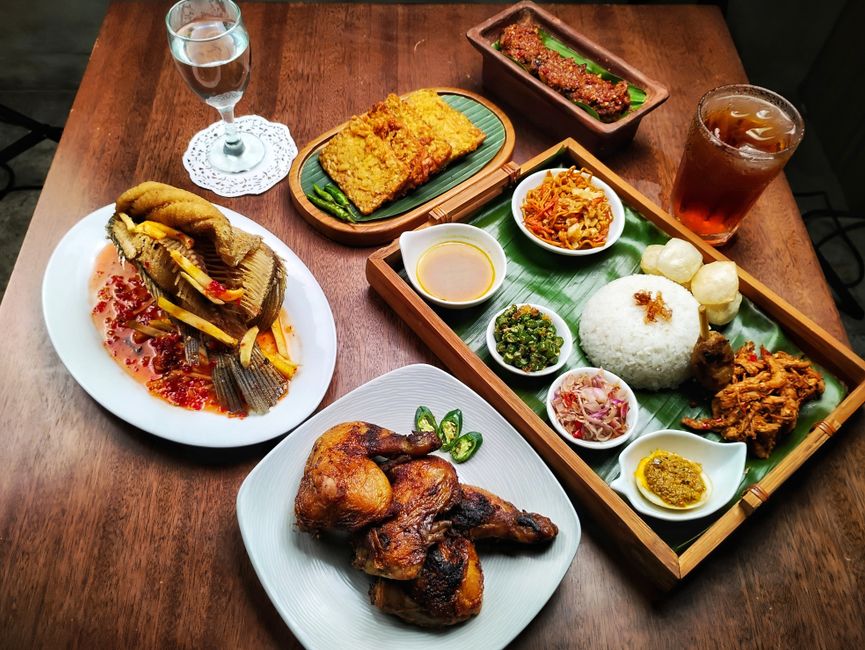
Tempe Bacem: A Deep Dive into Javanese Culinary Tradition and its Enduring Global Appeal
Tempe bacem, a cornerstone of Javanese cuisine, represents more than just a dish; it’s a testament to the intricate tapestry of Indonesian culinary heritage and a potent symbol of cultural resilience. Its enduring legacy stems from a harmonious blend of simple, readily available ingredients transformed through a time-honored cooking process into a profoundly flavorful and versatile foodstuff. At its core, tempe bacem involves marinating and simmering tempeh, a fermented soybean product indigenous to Indonesia, in a sweet and savory liquid. This seemingly straightforward preparation belies a sophisticated understanding of flavor development and preservation techniques that have been refined over centuries. The fundamental ingredients of the bacem marinade typically include palm sugar (gula jawa), coconut water or milk, tamarind, galangal, lemongrass, coriander seeds, and bay leaves. The palm sugar imparts a rich, caramel-like sweetness, balanced by the tartness of tamarind and the aromatic depth of the spices. Coconut water or milk adds a subtle creaminess and further tenderizes the tempeh. The simmering process, often prolonged, allows these flavors to deeply penetrate the tempeh, rendering it tender, moist, and imbued with an unforgettable umami profile. This method of slow cooking not only enhances flavor but also aids in the preservation of the tempeh, a crucial aspect in traditional Indonesian food preparation where refrigeration was not always readily available. The resulting tempe bacem is characterized by its deep mahogany hue, a testament to the caramelization of the palm sugar, and a complex flavor that is both comforting and exotic. Its texture is equally appealing, transforming the typically firm tempeh into a succulent, almost melt-in-your-mouth experience. This transformation is a hallmark of Javanese culinary ingenuity, where humble ingredients are elevated to gastronomic heights.
The historical roots of tempe bacem are deeply embedded in Javanese culture, particularly within the royal courts and aristocratic households. The elaborate preparation and use of specific spices suggest a dish of significance, often served at important ceremonies and gatherings. The very term "bacem" itself refers to the process of marinating and then stewing or boiling in a sweet liquid, a technique that was likely developed as a method for both flavoring and preserving food. The use of palm sugar, a staple sweetener in Indonesia, further solidifies its Javanese origin. The inclusion of spices like galangal and lemongrass, which are indigenous to the region, points to the dish’s ancient lineage. Furthermore, the practice of fermenting soybeans into tempeh is an ancient Indonesian tradition, dating back centuries, likely originating in Central Java. This indigenous ingredient, when combined with the bacem technique, creates a uniquely Indonesian culinary creation. The nutritional profile of tempeh itself – rich in protein, fiber, and beneficial probiotics – contributes to the dish’s inherent value. When prepared as bacem, it becomes an even more palatable and accessible way to consume these health benefits. The simplicity of its core components, combined with the depth of flavor achieved through the bacem process, speaks to a culinary philosophy that values both resourcefulness and sophisticated taste. It reflects an era where local ingredients were maximized, and traditional techniques were employed to create sustenance that was both nourishing and celebratory. The enduring presence of tempe bacem in Javanese households, passed down through generations, underscores its integral role in the continuity of cultural identity.
The versatility of tempe bacem is a significant factor in its sustained popularity and its ability to transcend traditional Javanese dining. It can be enjoyed in numerous ways, making it a flexible addition to any meal. As a standalone appetizer, its sweet and savory notes are immediately engaging. When served as a side dish, it complements a wide array of Indonesian staples, from white rice and various sambals to grilled fish and stir-fried vegetables. Its rich flavor profile also makes it an excellent ingredient in more complex dishes. For instance, it can be finely chopped and incorporated into fried rice or omelets, adding a burst of flavor and texture. It can also be incorporated into sandwiches or wraps, offering a vegetarian protein option with a distinctively Indonesian twist. The slightly chewy yet tender texture of bacem tempeh also lends itself well to being grilled further after simmering, creating a smoky char and intensifying the caramelization of the palm sugar. This grilled iteration, often referred to as "tempe bacem bakar," offers a delightful contrast in textures and an even deeper layer of flavor. The natural sweetness of the bacem tempeh also allows it to be paired with spicy accompaniments, creating a balanced flavor explosion on the palate. This inherent adaptability has allowed tempe bacem to seamlessly integrate into contemporary Javanese kitchens and, more importantly, to gain traction in the global culinary landscape.
The global appeal of tempe bacem can be attributed to several converging factors, most notably the growing international interest in plant-based diets and the increasing recognition of tempeh as a nutritional powerhouse. As vegetarianism and veganism continue to gain momentum worldwide, consumers are actively seeking out flavorful and protein-rich alternatives to animal products. Tempe, with its firm texture and complete protein profile, has emerged as a highly desirable option. Tempe bacem, in particular, offers a pre-prepared, intensely flavorful entry point for those unfamiliar with tempeh. The sweet and savory profile of the bacem marinade is generally very palatable to a wide range of international palates, avoiding the potentially challenging fermented notes that some might associate with other plant-based proteins. The rich, caramelized sweetness and aromatic spice blend create a universally appealing flavor. Furthermore, the "umami" – the savory fifth taste – inherent in the fermented soybeans and enhanced by the cooking process is a key draw for food enthusiasts. Chefs and home cooks alike are discovering the culinary potential of tempe bacem, experimenting with its inclusion in diverse cuisines. From plant-based burgers and tacos to curries and stir-fries, tempe bacem provides a unique and delicious flavor dimension. Its ability to absorb and complement other flavors makes it an incredibly versatile ingredient for fusion cooking. The visual appeal of the deep mahogany color also adds to its desirability, making it an attractive component on any plate. The growing accessibility of Indonesian ingredients in international supermarkets and specialty stores has also played a crucial role in making tempe bacem more readily available to a global audience. This increased availability allows individuals to recreate this authentic Javanese dish in their own kitchens, further propagating its popularity.
The SEO-friendly nature of tempe bacem’s appeal lies in its intersection of several popular search queries and culinary trends. Keywords such as "tempeh recipes," "Javanese food," "Indonesian cuisine," "vegetarian protein," "vegan recipes," and "healthy eating" all directly relate to this dish. The inherent versatility of tempe bacem means it can be optimized for a wide range of search terms. For instance, a recipe for "Tempe Bacem Burger" would capture searches for both "tempeh recipes" and "vegan burgers." Similarly, a post highlighting "Tempe Bacem as a healthy side dish" would appeal to users looking for "healthy Indonesian food" or "vegetarian side dishes." The descriptive nature of the dish – "sweet and savory tempeh," "caramelized tempeh," "spiced tempeh" – also provides ample opportunity for keyword integration. Moreover, the narrative of its cultural significance as a "traditional Javanese dish" and its "enduring legacy" adds depth and authority, attracting users interested in authentic culinary experiences. Content creators focusing on tempe bacem can leverage its global appeal by discussing its use in various international dishes, thereby expanding their reach to a broader audience. The inclusion of terms like "plant-based protein," "sustainable food," and "fermented foods" further aligns the dish with current health and environmental consciousness, attracting a more niche but highly engaged audience. The historical context and the nuanced flavor profile offer opportunities for rich, long-form content that can rank well for more complex, informational search queries related to Indonesian food culture. The ease of preparation, once the marinade is made, also appeals to busy individuals seeking quick and healthy meal solutions, making terms like "easy tempeh recipes" or "quick Indonesian meals" relevant.
The culinary nuances of tempe bacem extend beyond its basic ingredients, revealing a sophisticated understanding of flavor balance and texture. The choice of palm sugar is critical; it’s not just about sweetness, but the complex, smoky notes and deep caramelization it provides. Different types of palm sugar, from the darker, more intensely flavored gula aren to the lighter gula enau, can subtly alter the final taste. The ratio of palm sugar to tamarind is another crucial element, dictating the perfect equilibrium between sweet and sour. Too much tamarind can overpower the delicate flavors, while too little can result in an overly sweet dish. The aromatic spices – galangal, lemongrass, bay leaves, coriander – are not merely for fragrance but contribute distinct layers of flavor. Galangal, with its peppery, slightly citrusy notes, adds a unique warmth. Lemongrass provides a bright, zesty counterpoint, while bay leaves lend an herbaceous depth. The coriander seeds, when toasted and ground, release a nutty, citrusy aroma. The process of simmering is equally important. It’s not a rapid boil but a gentle simmer that allows the tempeh to slowly absorb the marinade without becoming mushy. The liquid should gradually reduce, coating the tempeh in a sticky, flavorful glaze. Some traditional recipes even call for the bacem liquid to be strained and reduced further into a sauce, to be drizzled over the finished tempeh. This attention to detail in ingredient selection and preparation elevates tempe bacem from a simple marinated food to a culinary masterpiece. The subtle variations in preparation between different Javanese regions and families also contribute to its rich tapestry. Some may add a touch of kecap manis (sweet soy sauce) to the marinade for an extra layer of umami and color, while others might opt for a spicier version with the addition of chilies. These subtle differences, passed down through generations, are what give tempe bacem its enduring character and make it a subject of ongoing culinary exploration. The preparation of the marinade itself is a ritual, with the crushing and toasting of spices and the slow melting of palm sugar creating an aromatic prelude to the cooking process.
The enduring legacy of tempe bacem is inextricably linked to its role as a cultural ambassador for Indonesian cuisine. In a world increasingly eager to explore diverse culinary traditions, tempe bacem offers an accessible and delicious entry point into the rich tapestry of Indonesian flavors. Its ability to satisfy a wide range of dietary preferences, from vegetarian and vegan to simply health-conscious, positions it as a modern culinary staple. The rise of food bloggers, travel vloggers, and social media platforms has significantly amplified the visibility of tempe bacem, showcasing its preparation, versatility, and deliciousness to a global audience. This digital dissemination of culinary knowledge has democratized access to traditional recipes and inspired countless individuals to experiment with Indonesian cooking. As more people seek authentic and flavorful plant-based options, tempe bacem is poised to become an even more prominent figure in global food landscapes. Its humble origins, rooted in the resourceful ingenuity of Javanese culinary traditions, have blossomed into a celebrated dish with international acclaim. The continued exploration and adaptation of tempe bacem by chefs and home cooks worldwide will ensure its legacy continues to grow, solidifying its place not just as a Javanese delicacy, but as a beloved dish on the global gastronomic stage. The inherent adaptability of tempe bacem allows for its integration into virtually any culinary context, making it a truly universal food item. Its name itself, evocative of its sweet and savory character, is easily memorable and appealing. The ongoing trend of "food tourism" further fuels interest in authentic dishes like tempe bacem, as travelers seek to replicate the flavors they experience abroad. This sustained curiosity and experimentation by both seasoned foodies and novice cooks alike ensures that tempe bacem will continue to be a vibrant and evolving part of the global culinary conversation for years to come.


