
Nine Easy Greek Recipes From A Family Kitchen Offer Authentic Flavors And Mediterranean Diet Benefits

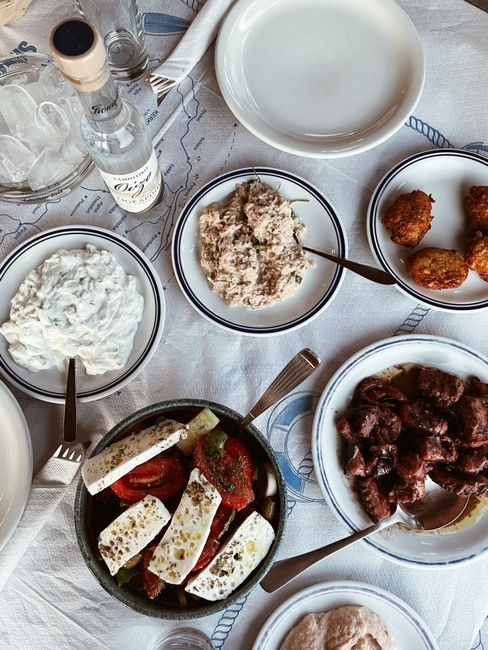
Nine Easy Greek Recipes for Authentic Flavors and Mediterranean Diet Benefits
Embarking on a culinary journey into Greek cuisine can be an incredibly rewarding experience, offering a delightful fusion of vibrant flavors, wholesome ingredients, and a lifestyle deeply rooted in the principles of the Mediterranean diet. This collection of nine easy Greek recipes is designed to bring the authentic tastes of a Greek family kitchen directly to your table, while simultaneously highlighting the numerous health benefits associated with this world-renowned dietary pattern. These recipes prioritize simplicity, accessibility of ingredients, and maximum flavor, proving that preparing delicious and healthy Greek food at home is well within reach for cooks of all skill levels. The Mediterranean diet, characterized by its emphasis on fresh produce, lean proteins, healthy fats, and minimal processed foods, is lauded for its ability to promote heart health, reduce the risk of chronic diseases, and support overall well-being. By incorporating these nine dishes into your weekly meal rotation, you not only savor the rich cultural heritage of Greece but also actively embrace a healthier way of eating, replete with antioxidant-rich vegetables, omega-3 fatty acids from fish, and the beneficial properties of olive oil.
1. Horiatiki Salata (Greek Village Salad)
The quintessential Greek village salad, or Horiatiki Salata, is a testament to the power of simple, high-quality ingredients. This iconic salad embodies the Mediterranean diet’s emphasis on fresh vegetables and healthy fats. Its preparation is remarkably straightforward, making it an ideal starter or a light, refreshing lunch. The foundation of Horiatiki Salata lies in its core components: ripe, juicy tomatoes, crisp cucumbers, thinly sliced red onions, bright green bell peppers, and briny Kalamata olives. The star of the show, however, is the generous slab of authentic Greek feta cheese, typically made from sheep’s milk or a mixture of sheep and goat’s milk, providing a creamy, tangy counterpoint to the vegetables. A drizzle of extra virgin olive oil, the cornerstone of the Mediterranean diet, emulsifies the flavors and adds a wealth of monounsaturated fats, known for their cardiovascular benefits. A sprinkle of dried oregano, a fragrant herb native to Greece, infuses the salad with its characteristic aromatic notes. The beauty of Horiatiki Salata lies in its unadulterated simplicity; no leafy greens are involved, a departure from many Western salads. The ingredients are usually roughly chopped, allowing their natural textures and flavors to shine through. To assemble, combine the chopped vegetables and olives in a large bowl. Top with the feta cheese, either crumbled or as a single block. Drizzle generously with extra virgin olive oil and season with a pinch of sea salt and freshly ground black pepper. The olive oil and the natural juices from the tomatoes create a light vinaigrette. This salad is best enjoyed immediately after preparation to preserve the crispness of the vegetables. Its nutritional profile is exceptional: rich in vitamins A and C from the tomatoes and peppers, fiber from the vegetables, and beneficial fats from the olive oil. Feta cheese, while a source of calcium and protein, is also relatively high in sodium, so moderation is key for those monitoring their intake. The Mediterranean diet promotes the consumption of such fresh, vibrant salads as a daily habit, contributing to hydration and nutrient intake. This recipe is a perfect gateway to understanding the essence of Greek cooking – letting the ingredients speak for themselves.
2. Spanakopita (Spinach and Feta Pie)
Spanakopita, a beloved savory pie, showcases the harmonious marriage of flaky phyllo dough, earthy spinach, and salty feta cheese. This recipe, while appearing complex, is surprisingly manageable and delivers an explosion of authentic Greek flavors. The filling is where the Mediterranean diet’s nutritional prowess truly shines. Fresh spinach, a powerhouse of vitamins K, A, and folate, forms the base, providing essential nutrients and fiber. It’s typically wilted and then finely chopped to ensure an even distribution throughout the pie. This is combined with crumbled feta cheese, adding its signature tang and creamy texture. Eggs are often incorporated to bind the filling, contributing protein and richness. Scallions or leeks add a subtle oniony sweetness, while fresh dill, another herb deeply ingrained in Greek cuisine, offers a distinct fresh, anise-like aroma. Nutmeg, a common spice in Greek cooking, adds a warm, subtle undertone that beautifully complements the other ingredients. The true magic of Spanakopita lies in its crust: delicate layers of phyllo dough. While phyllo can seem intimidating, the technique involves brushing each layer with melted butter or olive oil (opting for olive oil enhances the Mediterranean profile) and layering them to create a shatteringly crisp exterior. The filling is then spread over a few layers of phyllo, folded over, and more layered phyllo is placed on top, often brushed with more fat and scored to create individual portions. Baking transforms these humble ingredients into a golden-brown masterpiece. The process of making Spanakopita is a ritual in itself, a comforting kitchen activity that yields a deeply satisfying result. The Mediterranean diet encourages the inclusion of whole grains where possible, and while phyllo is made from refined flour, the abundance of vegetables and the healthy fats used in its preparation keep it within the spirit of a balanced diet. Spanakopita is excellent served warm or at room temperature, making it a versatile option for a light meal, an appetizer, or a contribution to a potluck. It pairs wonderfully with a simple Greek salad or a dollop of plain Greek yogurt. Its preparation offers a hands-on experience that connects you to the heart of Greek home cooking.
3. Tzatziki Sauce
Tzatziki is more than just a dip; it’s an indispensable condiment in Greek cuisine and a celebrated staple of the Mediterranean diet. Its refreshing, cooling properties and rich flavor profile make it incredibly versatile. The primary ingredients are thick, plain Greek yogurt, grated cucumber, and garlic. Greek yogurt, strained to remove excess whey, offers a luxuriously creamy texture and a higher protein content compared to regular yogurt, aligning perfectly with the Mediterranean diet’s focus on lean protein sources. The cucumber, peeled and grated, provides hydration and a crisp, subtle sweetness. It’s crucial to squeeze out as much excess water from the grated cucumber as possible to prevent a watery tzatziki. Fresh garlic, minced or grated, adds a pungent kick that is balanced by the cooling yogurt and cucumber. Extra virgin olive oil is drizzled in to contribute healthy monounsaturated fats and a silken mouthfeel. Fresh dill and a touch of lemon juice add brightness and complexity. Salt and pepper are used to season to taste. The simplicity of tzatziki’s preparation is remarkable. All the ingredients are combined in a bowl and stirred until well incorporated. Allowing the tzatziki to chill in the refrigerator for at least 30 minutes, or even longer, allows the flavors to meld and deepen, creating a more harmonious taste. The Mediterranean diet emphasizes the use of healthy fats and probiotics, both of which are abundant in tzatziki. This versatile sauce can be served with grilled meats, vegetables, pita bread, or as a topping for gyros and souvlaki. Its refreshing nature makes it an ideal accompaniment to heavier dishes, offering a palate-cleansing counterpoint. The ease with which tzatziki can be prepared and its inherent health benefits make it a cornerstone recipe for anyone seeking to embrace authentic Greek flavors and the Mediterranean lifestyle.
4. Psari Plaki (Baked Fish with Tomatoes and Herbs)
Psari Plaki, meaning “fish in the style of Crete,” is an elegant yet remarkably simple baked fish dish that beautifully showcases the Mediterranean diet’s emphasis on fresh seafood and vibrant produce. This recipe celebrates the bounty of the sea and the earth, baked together in a flavorful sauce. The type of fish can vary; white, flaky fish like sea bream, cod, or snapper are excellent choices, providing lean protein and omega-3 fatty acids crucial for heart health. The preparation involves layering the fish fillets in a baking dish with a rich tomato-based sauce. Ripe tomatoes, either fresh or canned, form the base, their sweetness and acidity creating a delightful flavor profile. Onions, sliced thin, and garlic cloves, left whole or lightly smashed, add aromatic depth. The Mediterranean diet is rich in herbs, and Psari Plaki is no exception, often featuring fresh parsley, dill, or oregano, which not only impart flavor but also contribute antioxidants. A generous glug of extra virgin olive oil is essential, infusing the dish with healthy monounsaturated fats and contributing to the tender texture of the fish. White wine is frequently used to deglaze the pan and add a subtle acidity and complexity to the sauce. Olives, often Kalamata or green olives, are scattered throughout, providing a briny, salty counterpoint. The baking process allows the flavors to meld beautifully, resulting in moist, tender fish bathed in a fragrant, savory sauce. Psari Plaki is a complete meal in itself, or it can be served with a side of rice, crusty bread for soaking up the sauce, or a simple Greek salad. The combination of lean protein from the fish, vitamins and antioxidants from the tomatoes and herbs, and healthy fats from the olive oil makes this dish a perfect embodiment of the Mediterranean diet’s principles. Its relatively short preparation and cooking time make it an ideal weeknight dinner option for those seeking healthy and authentic Greek flavors.
5. Gigantes Plaki (Giant Baked Beans)
Gigantes Plaki, translating to “giant beans in the style of Crete,” is a hearty, flavorful, and incredibly satisfying dish that epitomizes the vegetarian and vegan-friendly aspects of the Mediterranean diet. This recipe celebrates the humble yet powerful giant lima bean, transformed into a comforting and nutritious main course or a substantial side dish. The foundation of Gigantes Plaki is, of course, the large white beans, which are an excellent source of plant-based protein, dietary fiber, and complex carbohydrates. They are typically soaked overnight and then simmered until tender. The magic happens in the sauce, which is a rich tomato base infused with aromatics and herbs. Chopped onions and garlic are sautéed until softened, releasing their fragrant oils. Crushed tomatoes or tomato passata provide the luscious liquid for the beans to simmer in. A generous amount of extra virgin olive oil is crucial, lending its healthy fats and contributing to the dish’s velvety texture. Fresh parsley and dill are often used, adding herbaceous brightness, while a bay leaf can lend a subtle, earthy note. A touch of sweetness from a pinch of sugar or a splash of red wine can balance the acidity of the tomatoes. The dish is then baked in a covered casserole dish, allowing the beans to absorb the rich flavors of the sauce and become incredibly tender. Some recipes incorporate small chunks of feta cheese into the sauce before baking, adding a creamy, salty dimension, though this is optional for a vegan version. Gigantes Plaki is a fantastic example of how the Mediterranean diet prioritizes plant-based foods. The high fiber content of the beans promotes digestive health and satiety, while the olive oil provides beneficial monounsaturated fats. This dish is often served warm, making it a perfect comfort food, especially during cooler months. It pairs wonderfully with crusty bread for dipping, or alongside grilled vegetables. Its impressive nutritional profile and delicious, comforting flavor make it a standout recipe for embracing the wholesome goodness of Greek cuisine.
6. Soutzoukakia Smyrneyka (Smyrna Meatballs in Tomato Sauce)
Soutzoukakia Smyrneyka are a delightful Greek specialty, originating from the region of Smyrna (now Izmir, Turkey), showcasing the influence of diverse culinary traditions on Greek cuisine. These are not your average meatballs; they are characterized by their unique aroma and a subtle spiciness. The meatballs themselves are typically made from ground beef or a mixture of beef and lamb, providing a good source of lean protein. The distinctive flavor comes from the inclusion of spices like cumin and allspice, which are not as commonly found in Western meatball recipes, lending a warm, earthy depth. Breadcrumbs soaked in red wine or water help bind the mixture and ensure tenderness. Finely chopped onion adds moisture and flavor. Once formed into elongated oval shapes, they are often lightly pan-fried before being simmered in a rich tomato sauce. The sauce is made with crushed tomatoes, sautéed onions and garlic, and often a splash of red wine for added complexity. The key to their authentic flavor is the generous use of cumin, which is the dominant spice. The Mediterranean diet, while often associated with lighter fare, also embraces flavorful meat dishes prepared with healthy ingredients. Soutzoukakia offer a delicious way to enjoy meat in moderation, prepared with antioxidant-rich tomatoes and aromatic spices. The simmering process allows the meatballs to become incredibly tender and infused with the flavors of the sauce. They are traditionally served with rice pilaf or crusty bread to soak up the delicious sauce. The combination of savory meatballs and the tangy, spiced tomato sauce makes this a truly comforting and satisfying meal, perfectly aligning with the heartiness that can also be found within the broader spectrum of Mediterranean eating patterns.
7. Kotopoulo Lemonato (Lemon Chicken)
Kotopoulo Lemonato, or Lemon Chicken, is a simple yet incredibly flavorful Greek dish that highlights the bright, zesty flavors characteristic of Greek cooking and the Mediterranean diet’s emphasis on fresh citrus. This recipe transforms humble chicken into a dish of elegant simplicity, bursting with tangy lemon and aromatic herbs. The star of this dish is the chicken, typically chicken pieces with bone and skin, which impart moisture and flavor during the cooking process, providing lean protein. The sauce is where the magic truly happens. Fresh lemon juice provides a vibrant, tart base, its acidity tenderizing the chicken and creating a bright, refreshing flavor profile. Extra virgin olive oil is used generously, adding healthy fats and contributing to a rich, silken sauce. Chicken broth or water forms the liquid for simmering, allowing the flavors to meld. Garlic cloves, left whole or lightly smashed, infuse the sauce with their pungent sweetness. Dried oregano and fresh parsley are the classic herb choices, their herbaceous notes complementing the lemon beautifully. Some variations might include a bay leaf for added depth. The chicken is typically browned first to create a lovely sear, then simmered in the lemon-herb broth until tender and cooked through. The resulting sauce is light, flavorful, and incredibly appetizing. Kotopoulo Lemonato is a perfect example of how the Mediterranean diet utilizes simple, whole ingredients to create deeply satisfying meals. The lemon provides vitamin C and aids in digestion, while the olive oil contributes healthy fats. This dish is often served with rice, potatoes, or orzo pasta to soak up the delicious sauce. Its bright, clean flavors make it a refreshing and healthy option for any meal, embodying the essence of simple, delicious, and healthy Greek cuisine.
8. Prasorizo (Leek and Rice)
Prasorizo, a comforting and subtly flavored dish of leeks and rice, represents the earthy, vegetable-forward side of Greek cuisine and aligns perfectly with the Mediterranean diet’s focus on plant-based foods. This recipe is a testament to how simple ingredients, when prepared with care, can create incredibly satisfying and healthy meals. The primary ingredients are fresh leeks and rice. Leeks, a milder cousin to the onion, offer a delicate sweetness and a subtle garlic-like flavor that is less pungent. They are typically sliced thinly and sautéed until softened, releasing their natural sugars. The rice, often short-grain or medium-grain rice, absorbs the flavors of the leeks and the cooking liquid, becoming tender and aromatic. Vegetable broth or water forms the cooking liquid, and a generous drizzle of extra virgin olive oil is essential for both flavor and healthy fat content. Fresh dill and parsley are the quintessential herbs, adding herbaceous brightness and a touch of freshness. A squeeze of lemon juice at the end brightens the flavors and adds a characteristic Greek zest. Some recipes might also include a bay leaf for added depth. Prasorizo is a wonderfully adaptable dish. It can be served as a light main course, a flavorful side dish, or even as a filling for savory pies. Its high fiber content from the leeks and rice contributes to digestive health and satiety. The Mediterranean diet encourages the consumption of a wide variety of vegetables, and Prasorizo is an excellent way to incorporate more leeks into your diet. Its comforting texture and subtle, clean flavors make it a delightful and healthy choice, showcasing the power of simple, wholesome ingredients in Greek home cooking.
9. Melomakarona (Honey Cookies)
Melomakarona, traditional Greek honey cookies, are a delightful way to conclude a meal and offer a taste of Greek holiday traditions, while still fitting within a balanced approach to the Mediterranean diet, especially when enjoyed in moderation. These cookies are known for their rich, spiced flavor and their distinct texture, which is both tender and slightly chewy. The base of the cookie is typically made with olive oil, which is a cornerstone of the Mediterranean diet, providing healthy monounsaturated fats. Flour, semolina, and baking soda form the structure of the cookie. The warm spices are crucial to their characteristic flavor; cinnamon and cloves are prominent, imparting a fragrant, autumnal aroma. Orange juice and zest add brightness and a subtle sweetness. After baking, the cookies are soaked in a fragrant syrup made from honey, sugar, water, and spices, which gives them their signature moistness and intense flavor. The honey, a natural sweetener, is a healthier alternative to refined sugars and is often used in moderation in the Mediterranean diet. While cookies are a treat, Melomakarona, with their olive oil base and natural honey sweetness, are a more wholesome choice than many Western baked goods. They are often garnished with chopped walnuts, adding healthy fats, protein, and a satisfying crunch. The preparation of Melomakarona can be a rewarding baking project, offering a glimpse into the sweet side of Greek culinary heritage. Enjoyed as a special treat, these cookies provide a delightful burst of flavor and a connection to the authentic tastes of a Greek family kitchen, embodying the idea that even sweet indulgences can be part of a balanced and healthy lifestyle.


