
Amazingly Easy Irish Soda Bread

Amazing Irish Soda Bread: The Easiest Way to Authentic Flavor
Irish soda bread, a staple of Irish cuisine, is renowned for its simplicity and delicious, rustic charm. Unlike yeasted breads that require time for rising, soda bread utilizes baking soda as a leavening agent, reacting with an acidic ingredient (traditionally buttermilk) to create a quick, satisfying loaf. This makes it an incredibly accessible and beginner-friendly bread to bake, perfect for those seeking authentic Irish flavors without the fuss. The beauty of Irish soda bread lies in its minimal ingredients and straightforward method, allowing the natural goodness of the flour and the subtle tang of the buttermilk to shine through. This article will guide you through the process of making exceptionally easy and delicious Irish soda bread, providing tips for success and variations to suit your palate. Whether you’re a seasoned baker or stepping into the kitchen for the first time, this recipe promises a rewarding experience and a loaf that’s perfect for any occasion, from breakfast to accompanying a hearty stew.
The core of any great Irish soda bread recipe is its simplicity, and this easy version is no exception. The fundamental ingredients are few, readily available, and come together quickly, minimizing prep time and maximizing the potential for delicious results. We’ll focus on the classic, unadorned version first, laying the foundation for understanding the bread’s unique texture and flavor. The magic lies in the chemical reaction between baking soda and acid. When baking soda (sodium bicarbonate) comes into contact with an acid, like the lactic acid found in buttermilk, it produces carbon dioxide gas. This gas, trapped within the dough’s gluten structure, causes the bread to rise, creating its characteristic dense yet tender crumb.
To begin your journey into making amazing Irish soda bread, gather your essential ingredients. You will need: all-purpose flour, baking soda, salt, and buttermilk. The quality of these ingredients, particularly the buttermilk, can influence the final outcome. While many recipes call for specific types of flour, a good all-purpose flour is perfectly suitable for this easy version and readily available in most grocery stores. The key is the type of flour – avoid self-rising flour as it already contains leavening agents. Baking soda is your leavening powerhouse, so ensure it’s fresh. Stale baking soda will result in a flat, dense loaf. Salt enhances all the flavors, bringing out the subtle nuttiness of the flour and balancing the tang of the buttermilk. And finally, buttermilk is the crucial acidic component. Its thickness and acidity are what activate the baking soda and contribute to the bread’s moist texture and slightly tangy flavor profile. If you don’t have buttermilk on hand, a simple substitute can be made by adding one tablespoon of white vinegar or lemon juice to one cup of milk and letting it sit for five to ten minutes until it thickens slightly.
The process for making this easy Irish soda bread is remarkably straightforward, designed to be completed in a matter of minutes. Begin by preheating your oven to a moderately high temperature, typically around 400-425°F (200-220°C). This high initial heat is important for achieving a good crust and encouraging a quick rise. While the oven heats, prepare your baking surface. You can use a lightly floured baking sheet or a cast-iron skillet, which is a traditional and excellent choice for soda bread as it provides excellent heat distribution and a wonderfully crisp bottom crust. Greasing the baking sheet or skillet is usually not necessary if you’re using parchment paper or if the cast iron is well-seasoned.
In a large mixing bowl, combine your dry ingredients: the flour, baking soda, and salt. Whisk them together thoroughly to ensure the baking soda and salt are evenly distributed throughout the flour. This even distribution is critical for consistent leavening and flavor. Take care not to over-mix at this stage; you’re simply aiming to incorporate everything.
Now, it’s time to introduce the wet ingredient: the buttermilk. Pour the buttermilk into the bowl with the dry ingredients. Using a light hand and a fork or a wooden spoon, gently mix the ingredients until they just come together to form a shaggy dough. It’s crucial not to overmix. Overmixing develops the gluten in the flour, which can lead to a tough and rubbery soda bread. The dough should be wet and sticky; this is perfectly normal for soda bread and contributes to its characteristic crumb. Resist the urge to add more flour, even if the dough seems very wet.
Once the dough has just come together, turn it out onto a lightly floured surface. Lightly flour your hands as well. Gently and quickly shape the dough into a round, somewhat flattened loaf. The less you handle the dough, the better the texture will be. You’re not kneading here; you’re simply coaxing it into shape. Traditional Irish soda bread is often scored with a deep cross on top. This is not just decorative; it’s believed to let the fairies out, or more practically, it allows the heat to penetrate the center of the loaf more effectively, ensuring it bakes evenly. Use a sharp knife to cut a deep cross into the top of the dough, going about halfway through its thickness.
Carefully transfer your shaped loaf to the prepared baking sheet or skillet. Place it in the preheated oven. The baking time will typically be around 30 to 40 minutes, but this can vary depending on the size of your loaf and your oven. You’ll know the bread is ready when it’s golden brown on top and sounds hollow when tapped on the bottom. The crust should be firm and well-developed.
Once baked, remove the soda bread from the oven and transfer it to a wire rack to cool slightly. While it’s tempting to slice into it immediately, allowing it to cool for at least 15-20 minutes will help the crumb set properly and prevent it from being gummy. The aroma of warm, freshly baked soda bread is intoxicating, and the anticipation is part of the pleasure.
The beauty of this easy Irish soda bread recipe lies not only in its simplicity but also in its versatility. While the classic version is delightful, there are numerous simple additions you can make to customize it to your taste. One of the most popular variations is to incorporate raisins. For a sweet and fruity twist, gently fold in about ½ to ¾ cup of raisins into the dough just after you’ve added the buttermilk, before shaping. Ensure the raisins are evenly distributed. Another delicious addition is caraway seeds. These add a subtle, savory, and slightly anise-like flavor that pairs wonderfully with the bread’s tanginess. Add about 1 to 2 tablespoons of caraway seeds along with the dry ingredients. For a heartier bread, you can substitute a portion of the all-purpose flour with whole wheat flour. A 50/50 blend of all-purpose and whole wheat flour is a good starting point, though you might need to adjust the liquid slightly as whole wheat flour absorbs more moisture. For a richer flavor, you can also add a tablespoon or two of sugar to the dry ingredients, though this is not traditional and leans away from the purest form of soda bread.
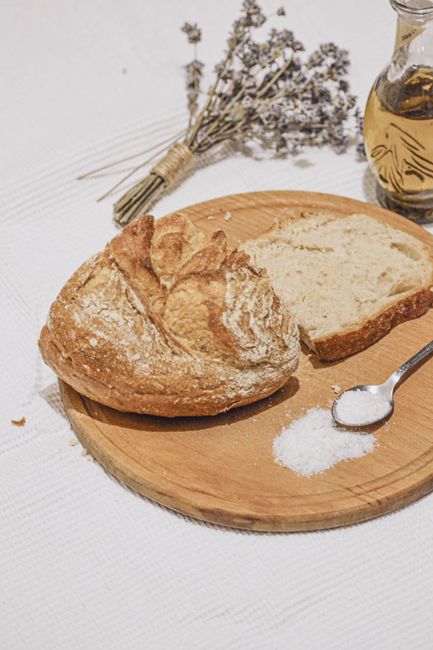
The texture of authentic Irish soda bread is something to behold. It’s characterized by a dense, yet tender crumb. It’s not meant to be light and airy like a baguette; its charm lies in its substantial feel and satisfying chew. The crust is typically robust and slightly chewy, providing a wonderful contrast to the softer interior. The flavor is subtly tangy from the buttermilk, with a mild, wheaty undertone from the flour. The salt plays a crucial role in balancing these flavors and enhancing the overall taste. When made correctly, it’s not overtly sour but has a pleasant, mild tang.
Serving Irish soda bread is as varied as its potential variations. It is a perfect accompaniment to a wide array of dishes. Traditionally, it’s served with Irish butter – and make sure it’s good quality butter! A thick slather of salted butter melting into a warm slice is pure comfort. It’s also an excellent bread for dipping into hearty stews and soups, such as Irish lamb stew or a rich beef and barley soup. For breakfast, it can be enjoyed toasted and topped with jam, marmalade, or even a fried egg. The slightly rustic texture makes it ideal for absorbing the rich flavors of savory dishes.
Storage of Irish soda bread is also quite simple. Because it doesn’t contain yeast and is baked with a relatively dry dough, it tends to stale faster than yeasted breads. It is best enjoyed the day it is made, ideally still slightly warm. However, if you have leftovers, wrap them tightly in plastic wrap or store them in an airtight container at room temperature for up to two days. If it starts to feel a bit dry, it can be revived by lightly toasting it. Freezing is also an option for longer storage. Once completely cooled, wrap the loaf tightly in plastic wrap and then place it in a freezer bag. It can be stored in the freezer for up to three months. To reheat, thaw at room temperature and then warm gently in a low oven (around 300°F or 150°C) for about 10-15 minutes.
For SEO purposes, understanding keywords is crucial. Terms like "easy Irish soda bread recipe," "how to make soda bread," "simple soda bread," "authentic Irish bread," "buttermilk bread," "no-yeast bread," and "traditional Irish baking" are highly relevant. The article’s structure, with clear headings and a focus on practical advice, makes it easily scannable for readers and search engines alike. The comprehensive nature of the article, covering ingredients, method, variations, serving suggestions, and storage, ensures it addresses a wide range of user queries related to Irish soda bread. The emphasis on "easy" throughout the title and content appeals to a broad audience seeking straightforward baking solutions.
Troubleshooting common issues can also enhance the user experience and SEO. If your soda bread is too dense and heavy, it’s likely due to overmixing the dough, which develops too much gluten. Remember to mix only until the ingredients are just combined. If your soda bread is too crumbly, you might have too much flour, or your baking soda might be old and not providing enough leavening. Ensure your baking soda is fresh and measure flour accurately, avoiding packing it into the cup. A flat soda bread often indicates stale baking soda or an oven that wasn’t preheated properly. The reaction between baking soda and buttermilk is time-sensitive, so a hot oven is essential.
The history of Irish soda bread is deeply rooted in necessity and resourcefulness. Developed in the 19th century when bicarbonate of soda became commercially available, it offered a quick and reliable alternative to traditional bread-making, which relied on yeast and often lengthy rising times. This made it an invaluable part of the Irish diet, particularly during times of hardship. Its simplicity and affordability made it accessible to all social classes, cementing its place as a beloved national dish. The iconic cross scoring is said to have pagan origins, intended to ward off evil spirits, or simply to allow the bread to cook evenly and ensure the "devil" could escape from the middle.
In conclusion, the allure of Irish soda bread lies in its profound simplicity and the delicious, comforting results it delivers. This easy recipe demystifies the process, allowing anyone to create a wonderfully authentic loaf with minimal effort. From understanding the science of leavening to exploring delightful variations and serving suggestions, this guide provides a comprehensive approach to mastering this beloved Irish classic. Whether you’re seeking a quick bread for a weeknight meal or a traditional treat for a special occasion, this amazingly easy Irish soda bread is sure to become a cherished addition to your baking repertoire. Its rustic charm, satisfying texture, and subtly tangy flavor will transport you to the heart of Ireland with every delicious bite. The accessibility of this recipe, coupled with its delicious outcome, makes it an outstanding choice for home bakers of all skill levels.


