
Baked Brown Sugar Wings

Baked Brown Sugar Wings: A Comprehensive Guide to Achieving Crispy, Flavorful Perfection
Achieving perfectly baked brown sugar wings is a culinary endeavor that rewards patience and attention to detail with a delightful balance of sweet and savory. This guide delves into the essential steps, ingredient choices, and techniques required to produce wings that boast a crispy exterior and a deeply caramelized, flavorful coating. Unlike their fried counterparts, baked wings offer a healthier, yet equally satisfying, alternative for wing enthusiasts. The magic lies in the interaction of brown sugar with the chicken skin under the dry heat of the oven, creating a sticky, almost brittle glaze that crackles with every bite. This article will cover everything from selecting the ideal chicken wings to the final resting period, ensuring your baked brown sugar wings are a resounding success.
The Foundation: Choosing and Preparing Your Chicken Wings
The quality of your chicken wings significantly impacts the final outcome. Opt for fresh, plump chicken wings from a reputable butcher or grocery store. Look for wings with intact skin and a good fat-to-meat ratio. It’s generally recommended to purchase whole chicken wings and then break them down into flats and drumettes yourself. This allows you to control the size and ensures you’re getting both parts of the wing. To separate the wings, locate the joint between the flat and the drumette, and between the flat and the tip. A sharp chef’s knife or kitchen shears can make this task easier. While wing tips can be discarded or saved for stock, the flats and drumettes are where the culinary magic happens.
Crucially, thorough drying of the chicken wings is paramount for achieving a crispy skin. Moisture is the enemy of crispiness. Pat each wing piece meticulously with paper towels, ensuring every surface is as dry as possible. This step is non-negotiable and will dramatically improve the texture of your baked wings. Some chefs even recommend air-drying the wings in the refrigerator, uncovered, for several hours or even overnight. This advanced technique further dehydrates the skin, promising an exceptionally crispy result. If time is limited, a vigorous pat-down with paper towels will suffice, but remember, the drier, the better.
The Flavor Profile: Crafting the Perfect Brown Sugar Glaze
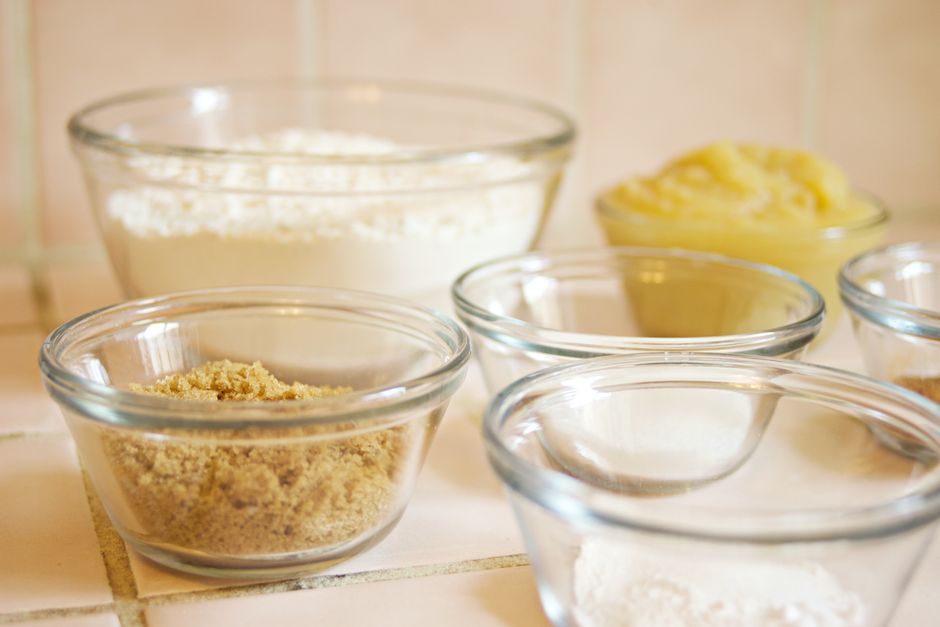
The brown sugar glaze is the heart and soul of these wings. While the name suggests a simple sugar coating, a truly exceptional glaze requires a few complementary ingredients to balance the sweetness and enhance the overall flavor. The base is, of course, brown sugar. Dark brown sugar is generally preferred for its higher molasses content, which imparts a richer, deeper flavor and a more intense caramelization. Light brown sugar can be used, but the flavor will be slightly less complex.
Beyond the brown sugar, a key component for savory depth is soy sauce. It adds umami, saltiness, and a beautiful mahogany hue to the glaze. For a touch of acidity and brightness, a splash of vinegar is essential. Apple cider vinegar or rice vinegar are excellent choices, as they offer a mild tang that cuts through the richness. Garlic powder and onion powder provide aromatic foundations, infusing the glaze with classic savory notes. A pinch of black pepper adds a subtle warmth. Some recipes also include a touch of paprika for color and a hint of smoky sweetness, or a pinch of cayenne pepper for a subtle kick of heat that beautifully contrasts with the sweetness of the brown sugar.
The ideal ratio of these ingredients is crucial for a balanced glaze. A common starting point is roughly equal parts brown sugar and soy sauce, with smaller proportions of vinegar and spices. Experimentation is key, and personal preference will dictate the exact amounts. For example, if you prefer a tangier glaze, increase the vinegar. If you enjoy a spicier wing, add more cayenne. The goal is a thick, syrupy consistency that will coat the wings beautifully without being overly liquid.
The Baking Process: Achieving Optimal Crispiness and Caramelization
The baking process is where the transformation from raw chicken to delectable brown sugar wings takes place. Preheating your oven to the correct temperature is the first step. A moderately high temperature, typically between 400°F and 425°F (200°C to 220°C), is ideal. This high heat promotes rapid browning and crisping of the skin.
Line your baking sheets with parchment paper or aluminum foil for easy cleanup. While this is helpful, some chefs prefer to bake directly on a wire rack set inside a baking sheet. This allows air to circulate around the entire wing, promoting more even crisping from all sides. If using a wire rack, ensure the baking sheet below is lined to catch any drippings.
There are two primary methods for applying the glaze during baking. The first involves tossing the dried wings with a portion of the glaze ingredients before baking, then basting with additional glaze during the cooking process. This ensures flavor penetrates the meat and the exterior develops a rich coating. The second method, often yielding a more intensely caramelized and slightly crispier exterior, involves applying the glaze in stages.
In the staged glaze method, you’ll typically bake the wings for an initial period, uncovered, to allow the skin to begin rendering and crisping. This might be for 20-25 minutes. Then, you’ll remove the wings from the oven, toss them with a portion of your brown sugar glaze, and return them to the oven for another interval. This process of glazing and returning to the oven can be repeated 1-2 more times, with each application building up the caramelized layer. The final minutes of baking are crucial for achieving the desired sticky, almost brittle texture of the brown sugar coating. Watch them closely during this stage to prevent burning. The sugar will bubble and caramelize, transforming into a deeply colored, glossy glaze.
The internal temperature of the wings should reach 165°F (74°C) for safe consumption. Using a meat thermometer is the most accurate way to ensure they are cooked through. The total baking time will vary depending on the size of the wings and your oven, but typically ranges from 35 to 50 minutes.
Seasoning Nuances and Variations
While the brown sugar glaze provides a fantastic flavor base, there are numerous ways to enhance and customize your baked brown sugar wings. For a smoky depth, consider adding a teaspoon of smoked paprika to the dry rub or the glaze. A pinch of chipotle powder or smoked chili flakes can introduce a pleasant heat and smokiness.
For a spicier kick, increase the amount of cayenne pepper or introduce other chili powders like ancho or gochugaru. A drizzle of sriracha or your favorite hot sauce incorporated into the glaze can also elevate the heat level.
Citrus notes can add a refreshing counterpoint to the sweetness. A tablespoon of fresh lime or orange juice whisked into the glaze can provide a bright, zesty dimension. Consider adding citrus zest for an even more intense aromatic infusion.
Herbs can also play a significant role. Finely chopped fresh rosemary or thyme, added either to the dry rub or as a garnish after baking, can impart a wonderful herbaceous aroma and flavor.
For a deeper umami experience, consider adding a teaspoon of Worcestershire sauce to the glaze, or a sprinkle of garlic powder and onion powder directly onto the wings before the initial bake.
Serving Suggestions and Garnishes
Once your baked brown sugar wings have achieved their perfect crispy, caramelized state, it’s important to let them rest for a few minutes before serving. This allows the juices to redistribute, resulting in more tender and flavorful meat.
Classic accompaniments to wings include a cooling dip like blue cheese dressing or ranch dressing. The creamy tang of these dips beautifully contrasts with the sweet and sticky glaze of the wings. Freshly chopped celery and carrot sticks are also essential for a refreshing crunch.
For a more elevated presentation, consider garnishing the wings with toasted sesame seeds, which add a nutty flavor and appealing texture. Freshly chopped green onions or chives offer a pop of color and a mild oniony flavor. A sprinkle of extra red pepper flakes can indicate the level of heat for those who dare.
For those who appreciate a more pronounced sweetness, a drizzle of extra honey or a light glaze of apricot jam (warmed and thinned slightly) can be applied in the final minutes of baking for an even glossier finish.
Troubleshooting Common Issues
Problem: Wings are not crispy enough.
Solution: Ensure your wings were thoroughly dried before baking. Increase oven temperature slightly for the final few minutes. If you have the time, consider air-drying the wings in the refrigerator overnight. Ensure you are not overcrowding the baking sheet, as this can lead to steaming rather than crisping.
Problem: Glaze is too thin or too thick.
Solution: If too thin, you can try simmering it gently on the stovetop to reduce and thicken. If too thick, add a tablespoon of water or soy sauce at a time until the desired consistency is reached.
Problem: Wings are burning before they are cooked through.
Solution: Reduce oven temperature slightly and continue baking. Tent the wings loosely with foil if the glaze is browning too quickly but the interior is not cooked. Ensure you are watching the wings closely during the final glazing stages.
Problem: Glaze is too sweet or not flavorful enough.
Solution: Adjust the ratios of soy sauce, vinegar, and spices in your glaze. Taste and adjust as you go. For a less sweet glaze, increase the soy sauce and vinegar proportions.
The SEO Advantage: Keywords and Structure
To maximize the SEO potential of this article, strategic keyword integration is vital. Throughout the text, variations of "baked brown sugar wings" should be naturally incorporated. Other relevant keywords include: "crispy chicken wings," "easy baked wings," "sweet and savory wings," "caramelized chicken wings," "homemade chicken wing recipe," "oven-baked wings," and "party wings."
The structure of the article is designed to be easily digestible for both readers and search engines. Clear headings and subheadings (though not explicitly formatted in this text, they are implied by paragraph breaks) break down the information logically. The introduction, though brief, establishes the topic, and the subsequent paragraphs delve into specific aspects of wing preparation, flavor development, cooking techniques, and troubleshooting. The comprehensive nature of the content, covering all essential aspects from ingredient selection to serving, aims to answer user queries thoroughly, thus improving search engine rankings. The emphasis on actionable advice and detailed instructions also contributes to user engagement and time on page, further signaling positive SEO signals. The inclusion of troubleshooting tips anticipates common user problems, providing immediate solutions and enhancing the article’s utility.
In conclusion, mastering the art of baked brown sugar wings involves a careful balance of technique and flavor. By prioritizing dry ingredients, crafting a well-balanced glaze, and employing a judicious baking process, you can consistently achieve wings that are both incredibly crispy and decadently flavorful. This guide provides the foundational knowledge and actionable steps to elevate your wing-making prowess.


