
Baked Potato Salad I

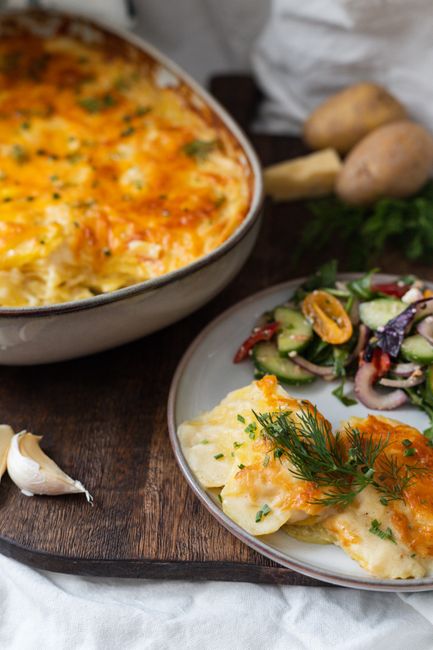
Baked Potato Salad: A Richer, Deeper Flavor Profile
Baked potato salad presents a compelling alternative to its traditional, boiled counterpart, offering a distinctly richer and more complex flavor profile. The baking process caramelizes the natural sugars within the potatoes, imparting a subtle sweetness and a depth of flavor that boiling cannot replicate. This method also results in a slightly firmer texture, preventing the salad from becoming mushy and ensuring each bite retains its integrity. Unlike boiled potatoes, which can absorb water and dilute the dressing, baked potatoes hold their structure and allow the creamy, savory ingredients to cling more effectively. This fundamental difference in potato preparation elevates baked potato salad from a simple side dish to a star attraction, capable of satisfying even the most discerning palates. The Maillard reaction, responsible for browning and flavor development in baked goods and roasted meats, plays a crucial role here, transforming the humble potato into a culinary canvas for a symphony of savory notes. This approach allows for greater control over moisture content, a common pitfall in traditional potato salads, leading to a more satisfying textural experience. The inherent sweetness coaxed out by baking also complements a wider range of ingredients, opening doors to bolder flavor combinations.
The foundational elements of a superior baked potato salad begin with the potato selection. Starchy potatoes like Russets are ideal for baking as they yield a fluffy interior and a slightly crisp exterior when roasted. Their higher starch content contributes to the creamy texture of the finished salad, absorbing the dressing without becoming waterlogged. Waxy potatoes, while good for boiling, tend to become mushy when baked in this manner and are therefore less suitable. The baking technique itself is paramount. Preheating the oven to a moderate temperature, around 400°F (200°C), is crucial for achieving the desired caramelization without overcooking the potatoes. Cutting the potatoes into uniform, bite-sized pieces before baking ensures even cooking and prevents some cubes from being underdone while others are burnt. Tossing the potato cubes with a generous amount of olive oil, salt, and pepper before baking is essential for developing flavor and achieving a desirable crispness. Some recipes may advocate for adding herbs like rosemary or thyme directly to the potatoes during baking for an infused aromatic quality. The key is to achieve a tender interior with slightly browned, crisped edges – the hallmark of a well-executed baked potato salad. This initial baking stage is a critical differentiator, setting the stage for the subsequent layering of flavors and textures.
The dressing for baked potato salad is where personalization and depth truly shine. While a classic mayonnaise-based dressing is a popular choice, the baked potato’s inherent richness lends itself to more sophisticated variations. A blend of mayonnaise and sour cream offers a tangy counterpoint to the potato’s sweetness, while Greek yogurt can provide a lighter, protein-rich alternative with a pleasant tang. Incorporating Dijon mustard adds a subtle bite and emulsifying properties, binding the dressing together. For a more complex flavor, consider adding a splash of apple cider vinegar or white wine vinegar for acidity, which cuts through the richness. Roasted garlic, mashed into a paste, infuses the dressing with an unparalleled depth of savory flavor that complements the baked potatoes beautifully. Other additions to consider include finely chopped fresh herbs such as chives, parsley, or dill, which provide pops of freshness and color. A pinch of smoked paprika can lend a subtle smokiness, echoing the baked potato’s origins. The goal is to create a dressing that is creamy, tangy, and savory, with layers of complementary flavors that enhance, rather than mask, the baked potato’s unique character. The balance of fat, acid, and seasoning is critical; a well-balanced dressing will coat the potatoes evenly and create a harmonious flavor experience.
Beyond the foundational potatoes and dressing, a wealth of textural and flavor enhancements can elevate baked potato salad to extraordinary heights. Crispy, rendered bacon is an almost indispensable addition, its salty crunch providing a delightful contrast to the creamy potatoes and dressing. Caramelized onions, slow-cooked until deeply browned and sweet, add another layer of savory complexity. Roasted red peppers, diced finely, introduce a mild sweetness and a vibrant color. For a touch of heat, consider adding finely chopped jalapeños or a dash of hot sauce. Pickled elements, such as chopped dill pickles or capers, offer a welcome tang and acidity, cutting through the richness. Hard-boiled eggs, a traditional potato salad component, are equally at home here, adding a creamy texture and a mild, eggy flavor. For a more elevated take, consider incorporating crumbled blue cheese or sharp cheddar for a pungent, savory kick. Toasted nuts, such as pecans or walnuts, can add a nutty crunch and a subtle earthiness. The key to successful additions lies in thoughtful consideration of texture and flavor synergy. Each component should contribute to the overall balance of the dish, creating a harmonious and multi-layered culinary experience. Avoid overcrowding the salad with too many competing flavors; instead, focus on a few well-chosen ingredients that complement each other.
The assembly of baked potato salad requires a gentle hand to maintain the integrity of the baked potato cubes. Once the potatoes have cooled slightly, but are still warm, gently toss them with the dressing. This allows the warm potatoes to absorb some of the dressing’s flavors. Over-mixing can lead to mushy potatoes, so a light, even coating is preferred. Incorporate the firmer additions, such as bacon and onions, at this stage. More delicate ingredients, like fresh herbs, should be added towards the end of the mixing process to preserve their freshness and color. Chilled potato salad is generally preferred, as the flavors meld together further as it sits. Allow at least an hour for the salad to chill in the refrigerator, and ideally, several hours for optimal flavor development. Before serving, a final garnish can significantly enhance the visual appeal and flavor. A sprinkle of fresh chives, a dollop of sour cream, or a few extra crispy bacon crumbles can make a significant difference. Consider the serving temperature; while chilled is standard, some variations, particularly those with a focus on roasted flavors, can be served at room temperature. The resting period is crucial for allowing the flavors to meld and the dressing to fully penetrate the potatoes. This patience is rewarded with a more cohesive and flavorful final product.
The versatility of baked potato salad makes it an ideal dish for a variety of occasions, from casual backyard barbecues to more formal potlucks. Its robust flavor profile means it can stand up to hearty grilled meats and other strong flavors. It pairs exceptionally well with pulled pork, ribs, and grilled chicken. For a lighter meal, it can be served alongside a fresh green salad or grilled fish. The ability to prepare it in advance is a significant advantage for hosts, as it can be made a day ahead and simply brought to room temperature or served chilled. This makes it a stress-free option for busy individuals. Baked potato salad also lends itself well to creative interpretations. Consider a "loaded baked potato" version with cheddar cheese, sour cream, and chives. A smoky chipotle-lime dressing can transform it into a Southwestern-inspired delight. For a Mediterranean twist, incorporate sun-dried tomatoes, Kalamata olives, and feta cheese. The core technique of baking the potatoes provides a stable foundation for an endless array of flavor explorations. Its adaptability ensures it can be tailored to suit any dietary preference or culinary theme. The inherent ability to be a make-ahead dish solidifies its status as a go-to for entertaining.
When it comes to nutritional considerations, baked potato salad can be a more nutrient-dense option than its boiled counterpart, depending on the ingredients used. Potatoes themselves are a good source of potassium, vitamin C, and dietary fiber, particularly when the skin is left on during baking. The baking process, as discussed, also enhances flavor without the need for excessive salt. When choosing a dressing, opting for a lighter mayonnaise or incorporating Greek yogurt can reduce the overall fat content. Filling your baked potato salad with plenty of vegetables, such as bell peppers, onions, and celery, boosts the vitamin and mineral profile. Leaner protein sources, like turkey bacon or grilled chicken strips, can be added to increase satiety and provide essential amino acids. While undeniably a treat, mindful ingredient choices can make baked potato salad a more balanced and wholesome addition to your diet. The skin of the potato, often discarded in boiled potato salad, contains a significant portion of its fiber and nutrients, making it a valuable component in the baked version. Focus on whole food ingredients to maximize the nutritional benefits.
The SEO potential of the term "baked potato salad" is significant, reflecting a growing interest in more flavorful and texturally interesting variations of classic comfort foods. Optimizing content around this keyword requires a deep dive into the specific benefits and techniques associated with this preparation method. Focusing on terms like "rich baked potato salad," "caramelized potato salad," "savory potato salad," and "easy baked potato salad recipe" will attract users searching for these specific qualities. Highlighting the unique flavor profile, the step-by-step baking process, and the versatility of additions will also be crucial for ranking. Incorporating long-tail keywords such as "best potato salad recipe for summer barbecue" or "how to make potato salad without boiling" will capture a wider audience. Detailed explanations of ingredient choices, from potato types to dressing components, will satisfy user intent and improve search engine rankings. The visual appeal of baked potato salad, with its slightly browned edges and vibrant mix-ins, is also a significant factor that can be leveraged through high-quality imagery and descriptive language. Emphasizing the "baked" aspect as a key differentiator is paramount for SEO success.
Troubleshooting common issues in baked potato salad is essential for achieving consistent, delicious results. One common pitfall is under-baking the potatoes, leading to a tough interior and a lack of caramelization. Ensure the potatoes are fork-tender before proceeding. Conversely, over-baking can result in dry, crumbly potatoes that don’t absorb dressing well. Keep a close eye on them during the roasting process and adjust cooking time as needed. A dressing that is too thin can lead to a watery salad. Ensure your mayonnaise or yogurt is of good quality and that any acidic components are balanced. Too much acid can also cause the potatoes to break down. If the salad lacks flavor, it’s usually due to insufficient seasoning in the potatoes themselves or in the dressing. Don’t be afraid to taste and adjust salt, pepper, and other seasonings. Another common issue is a lack of textural contrast. If the salad is too uniformly soft, consider adding more crispy elements like bacon or toasted nuts. If the salad is made too far in advance, the potatoes can become slightly dry. A splash of extra dressing or a bit of milk can help rehydrate them. Addressing these potential problems proactively will ensure a superior baked potato salad experience every time. The initial baking stage is where many of these issues can be mitigated or exacerbated.
The evolution of baked potato salad reflects a culinary landscape that increasingly values depth of flavor and textural nuance. While traditional potato salad has its place, the baked iteration offers a sophisticated upgrade, transforming a simple side dish into a memorable culinary experience. Its inherent adaptability, coupled with the enhanced flavor profile derived from baking, positions it as a modern classic. As home cooks and professional chefs alike seek out more exciting and flavorful options, baked potato salad is poised to become an even more prominent fixture in culinary repertoires. The emphasis on quality ingredients and thoughtful preparation techniques elevates this dish beyond its humble origins, offering a compelling testament to the power of innovative culinary approaches. The ongoing search for unique and satisfying flavor profiles will continue to drive interest in this exceptionally delicious rendition of a beloved staple.


