
Bibimbap Korean Rice With Mixed Vegetables

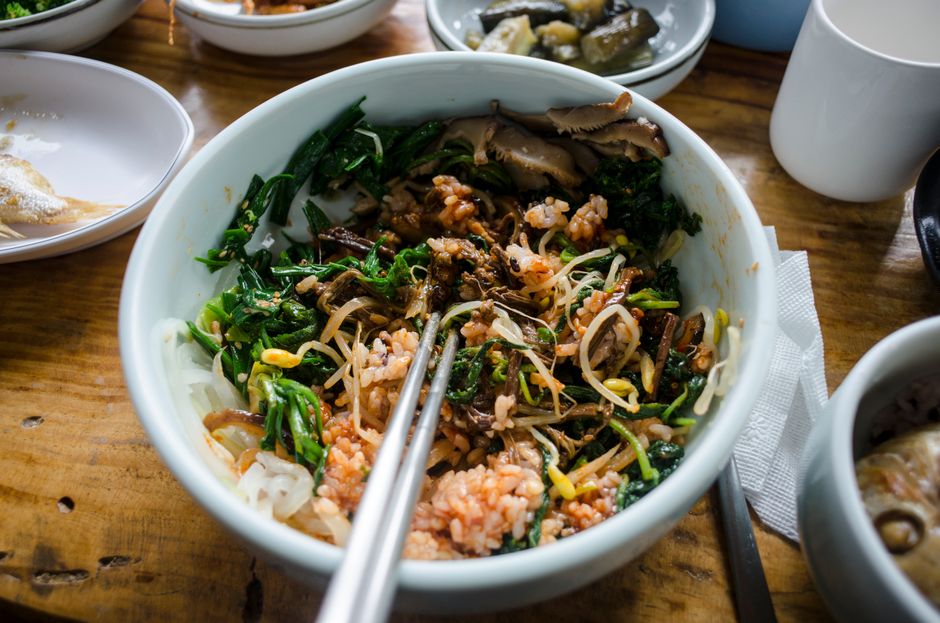
Bibimbap: A Culinary Tapestry of Korean Rice and Mixed Vegetables
Bibimbap, a cornerstone of Korean cuisine, translates literally to "mixed rice" and embodies a harmonious blend of textures, colors, and flavors. At its heart, bibimbap is a bowl of warm white rice, meticulously topped with a vibrant array of seasoned vegetables, often accompanied by meat or seafood, and crowned with a luscious fried or raw egg and a dollop of spicy gochujang (Korean chili paste). This dish transcends mere sustenance; it is a culinary art form, a celebration of fresh ingredients, and a deeply satisfying gastronomic experience that has gained international acclaim for its nutritional value and delicious versatility. The beauty of bibimbap lies in its adaptability. While a classic configuration exists, it’s a canvas for individual preference, allowing for endless variations based on regional ingredients, seasonal availability, and personal taste. Understanding the components and their preparation is key to appreciating this beloved Korean staple.
The foundational element of bibimbap is, undeniably, the rice. Typically, short-grain white rice, often referred to as "sushi rice," is preferred for its slightly sticky texture, which allows the ingredients to adhere well and creates a cohesive dish. The rice is cooked until tender and fluffy, its subtle sweetness providing a neutral yet comforting base for the more assertive flavors of the toppings. The texture of the rice is crucial; overcooked, mushy rice can detract from the overall experience, while undercooked rice can be unpleasantly hard. The preparation often involves rinsing the rice thoroughly before cooking to remove excess starch, a practice that contributes to the ideal texture. While white rice is traditional, modern interpretations sometimes incorporate mixed grains, brown rice, or even quinoa for added nutritional complexity and a nuttier flavor profile. Regardless of the grain, the rice is served warm, acting as a perfect medium to meld the disparate elements of the dish.
The true artistry of bibimbap unfolds in the preparation of its diverse vegetable toppings, known as namul. Each vegetable is treated with care, often blanched, sautéed, or seasoned individually to preserve its unique flavor, color, and texture. This meticulous approach ensures that no single vegetable overwhelms the others, fostering a symphony of tastes. Common namul include seasoned spinach (sigeumchi namul), often blanched and tossed with garlic, soy sauce, and sesame oil; sautéed bean sprouts (kongnamul muchim), which provide a satisfying crunch and a slightly nutty flavor; shredded carrots (danggeun bokkeum), lightly sautéed to soften their texture and bring out their sweetness; and julienned zucchini (hobak bokkeum), often pan-fried until tender. Other popular additions can include shiitake mushrooms (pyogo beoseot bokkeum), which lend a deep umami flavor and a chewy texture; fern brake (gosari namul), with its distinctive earthy taste and slightly fibrous consistency; and radish sprouts (sukju namul), offering a fresh, peppery bite. The seasoning for these namul typically involves a delicate balance of garlic, soy sauce, sesame oil, and often a pinch of salt. The goal is to enhance the natural flavors of the vegetables without masking them.
Beyond the namul, bibimbap frequently features a protein component, adding further depth and satiety to the dish. The most traditional protein is thinly sliced beef, marinated in a savory mixture of soy sauce, garlic, sesame oil, and often sugar or pear juice for tenderness. This marinated beef, known as bulgogi, is then typically pan-fried until slightly caramelized, its rich, savory notes complementing the fresh vegetables. Another popular protein is ground pork, which can be seasoned and sautéed in a similar fashion to the beef. For seafood lovers, options include sautéed shrimp, squid, or even small pieces of fish. Vegetarian and vegan versions are also widely enjoyed, often substituting the meat with firm tofu, pan-fried or seasoned with soy sauce and spices, or utilizing an abundance of assorted vegetables. The protein is usually placed in the center of the rice or artfully arranged alongside the vegetables, creating a visually appealing presentation.
The crowning glory of many bibimbap dishes is the egg, which serves as both a binder and a source of richness. Traditionally, a sunny-side-up fried egg is placed atop the bowl, its runny yolk acting as a luscious sauce when mixed into the rice and toppings. The bright yellow yolk contrasts beautifully with the vibrant colors of the vegetables, adding another layer of visual appeal. Some preparations opt for a raw egg yolk, particularly in certain regional variations, the richness of which gently cooks in the heat of the rice. For those concerned about raw eggs, a gently poached or boiled egg can also be used. The egg’s soft texture and creamy richness provide a delightful counterpoint to the crispness of some vegetables and the chewiness of the rice and protein.
The indispensable condiment that brings bibimbap to life is gochujang, a fermented Korean chili paste. Its complex flavor profile, characterized by a blend of spicy, sweet, and savory notes, is crucial to the authentic bibimbap experience. Gochujang is made from fermented soybeans, chili powder, glutinous rice, and salt, and its unique fermentation process imparts a deep, nuanced taste. A generous dollop of gochujang is typically placed in the center of the bowl, and the diner is encouraged to mix it thoroughly with the rice, vegetables, and egg. The intensity of the spiciness can vary, and individuals can adjust the amount of gochujang to their preference. Beyond gochujang, other seasonings might include toasted sesame seeds for a nutty aroma and subtle crunch, and a drizzle of sesame oil for added richness and fragrance. Some variations might also incorporate a splash of rice vinegar for a touch of acidity, or a sprinkle of finely chopped scallions for a fresh, oniony bite.
The act of eating bibimbap is as much a part of its appeal as its taste. It’s a communal experience, often served in a large bowl meant for sharing, or as individual portions. The diner is encouraged to thoroughly mix all the ingredients together before eating. This mixing is not merely a culinary step; it’s an interactive process that allows for the melding of flavors and textures. Using a spoon, the diner carefully combines the rice, vegetables, protein, and egg, ensuring that each bite is a harmonious blend of everything in the bowl. The sound of the spoon against the bowl, as the ingredients are artfully combined, is a prelude to the delightful sensory journey that awaits.
The nutritional prowess of bibimbap is another significant factor in its widespread popularity. It’s a well-balanced meal, offering a good source of complex carbohydrates from the rice, essential vitamins and minerals from the array of vegetables, protein from the meat, seafood, or tofu, and healthy fats from the sesame oil and egg. The variety of vegetables ensures a broad spectrum of antioxidants and dietary fiber, contributing to overall health and well-being. This inherent nutritional completeness makes bibimbap a guilt-free indulgence and a smart choice for those seeking a wholesome and satisfying meal.
Regional variations of bibimbap add further depth to its culinary landscape. Jeonju bibimbap, named after the city of Jeonju, is perhaps the most famous regional iteration. It is characterized by its use of high-quality ingredients, often including yukhoe (seasoned raw beef), a visually stunning presentation with artfully arranged toppings, and a distinctive soybean sprout soup served alongside. Another notable variation is Tongyeong bibimbap, originating from the coastal city of Tongyeong, which features a generous portion of seafood, such as oysters, abalone, and shrimp, incorporated into the dish, reflecting the region’s maritime bounty. Andong bibimbap often incorporates jeotgal (fermented seafood) for a salty, umami-rich flavor profile. These regional specialties highlight the adaptability of the bibimbap concept, demonstrating how local ingredients and culinary traditions can shape its final form.
The global appeal of bibimbap is undeniable. Its vibrant appearance, the interactive dining experience, and its delicious, healthy profile have captivated palates worldwide. From bustling street food stalls in Seoul to upscale Korean restaurants in New York, bibimbap has become a ubiquitous ambassador for Korean cuisine. Its adaptability to different dietary needs, whether vegetarian, vegan, or gluten-free, further contributes to its broad accessibility and appeal. The growing awareness of Korean culture, amplified by K-pop and K-dramas, has also played a significant role in popularizing bibimbap and introducing it to a wider audience. The dish’s inherent versatility makes it easy for home cooks to recreate, further fostering its global presence.
In conclusion, bibimbap is far more than just a dish; it is a cultural icon, a culinary masterpiece that celebrates balance, freshness, and the art of mixing. Its foundation of warm rice, adorned with a kaleidoscope of meticulously prepared vegetables, savory protein, and a crowning egg, all brought together by the bold flavors of gochujang, creates an unforgettable gastronomic experience. The interactive nature of its consumption, where the diner actively participates in the creation of the final flavor profile, adds a unique dimension to its enjoyment. As a testament to its enduring appeal, bibimbap continues to be a beloved staple in Korean households and a celebrated export, offering a delicious and nutritious journey into the heart of Korean culinary tradition. Its SEO-friendly nature stems from its distinct name, descriptive qualities, and broad appeal, making it a readily discoverable and highly sought-after culinary topic online.


