
Big Rays Rhubarb Relish Recipe

Big Ray’s Rhubarb Relish Recipe: A Sweet and Tangy Condiment for All Seasons
Big Ray’s Rhubarb Relish is more than just a recipe; it’s a culinary revelation that transforms the often-tart rhubarb into a vibrant, sweet, and tangy condiment with a delightful zing. This relish, perfect for pairing with everything from grilled meats and roasted poultry to cheese boards and even as a unique sandwich spread, showcases the versatility of rhubarb beyond traditional pies and crumbles. The beauty of this recipe lies in its balanced flavor profile, where the inherent tartness of rhubarb is expertly tempered by sugar and spices, creating a complex and addictive taste that lingers pleasurably.
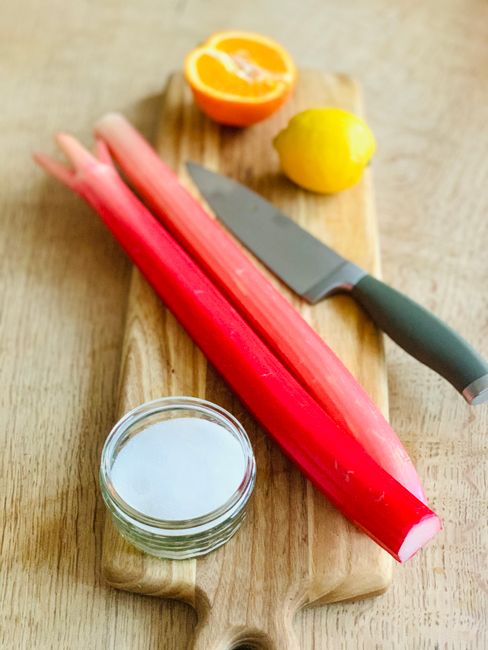
The foundation of Big Ray’s Rhubarb Relish is, of course, fresh rhubarb. The key to achieving the desired texture and flavor lies in selecting the right kind of rhubarb and preparing it correctly. Look for bright, firm stalks, preferably those that are young and tender. Older, woodier stalks can be stringy and more fibrous, which might detract from the relish’s smooth consistency. While red-stalked varieties are often preferred for their visual appeal, green-stalked rhubarb is equally suitable in terms of flavor. The stalks should be thoroughly washed to remove any grit or soil. Once cleaned, the tough, fibrous ends are trimmed, and the stalks are cut into manageable pieces. The size of these pieces is crucial; they should be small enough to cook down into a relish-like consistency without becoming mushy. A roughly 1/2-inch dice is generally recommended, but this can be adjusted based on personal preference for chunkiness. Some recipes opt for a finer mince, while others leave larger pieces for more textural interest. The tartness of rhubarb varies, so tasting a small raw piece before you begin cooking can give you an indication of its intensity, which might influence the final sugar quantity.
Beyond the rhubarb, a medley of aromatics and spices forms the backbone of Big Ray’s Rhubarb Relish, contributing depth and complexity. Onions, typically red or yellow onions for their sweetness and pungency, are finely chopped. The fine dice ensures they soften and integrate seamlessly into the relish, providing a sweet and savory base. Garlic, minced or finely grated, adds a pungent kick that balances the sweetness. The spice blend is where the magic truly happens. A common and highly effective combination includes ground ginger, which offers a warm, spicy note that complements rhubarb beautifully. Cinnamon, another warming spice, adds a touch of sweetness and an aromatic complexity. A pinch of cloves can introduce a deeper, more intense spice note, but it should be used sparingly to avoid overpowering the other flavors. Some variations might include allspice or nutmeg for additional warmth. For a hint of heat and a subtle savory undertone, red pepper flakes are often incorporated. The amount can be adjusted to suit your desired level of spice. The combination of these spices transforms the simple rhubarb into a sophisticated condiment.
The sweetening agent in Big Ray’s Rhubarb Relish is primarily sugar. While granulated white sugar is a common choice, brown sugar can add a richer, more molasses-like sweetness and a darker hue to the relish. A blend of both can also yield an interesting flavor profile. The quantity of sugar will significantly impact the final taste and preservation qualities of the relish. It’s important to note that rhubarb is naturally very tart, so a substantial amount of sugar is needed to balance its acidity and achieve the desired relish consistency. The sugar not only sweetens but also helps to preserve the relish, acting as a humectant and inhibiting microbial growth. Some recipes might experiment with alternative sweeteners like honey or maple syrup, but these will impart their own distinct flavors and may affect the final color and texture. The interaction between the tart rhubarb and the sweet sugar is a delicate dance, and finding the right balance is key to a successful relish.
Vinegar is another critical component in Big Ray’s Rhubarb Relish, providing tanginess and acting as a preservative. Apple cider vinegar is a popular choice due to its fruity notes and mild acidity, which complement the rhubarb and spices well. White vinegar or distilled white vinegar can also be used for a cleaner, sharper tang. The acidity of the vinegar cuts through the sweetness of the sugar and the richness of the other ingredients, creating a well-rounded flavor. It also helps to break down the rhubarb, contributing to its softening during the cooking process. The amount of vinegar used will influence the overall tartness and keeping quality of the relish. Too little vinegar may result in a cloying sweetness, while too much could make it overly sour.
The cooking process for Big Ray’s Rhubarb Relish is straightforward but requires attention to achieve the perfect consistency. Typically, all the ingredients – chopped rhubarb, onions, garlic, spices, sugar, and vinegar – are combined in a large, heavy-bottomed pot or Dutch oven. A heavy-bottomed pot is essential to prevent scorching, especially as the sugar content increases and the mixture simmers. The mixture is brought to a boil over medium-high heat, then reduced to a gentle simmer. The key to a successful relish is slow cooking. This allows the rhubarb to break down, the flavors to meld, and the liquid to reduce and thicken. Stirring frequently is crucial to prevent sticking and burning, especially as the relish thickens. The cooking time can vary, often ranging from 30 minutes to over an hour, depending on the heat, the amount of liquid, and the desired consistency. The relish is ready when the rhubarb is tender and has softened considerably, and the mixture has thickened to a jam-like or chunky sauce consistency. It will continue to thicken as it cools.
There are several ways to enhance the basic Big Ray’s Rhubarb Relish recipe to cater to different palates and occasions. Some cooks like to add a touch of heat by incorporating a whole dried chili pepper during the simmering process, which can be removed before jarring. Others might introduce a bit of zestiness with finely grated orange or lemon zest, which pairs wonderfully with rhubarb’s tartness. A splash of Worcestershire sauce can add a savory umami depth, while a tablespoon or two of Dijon mustard can provide a subtle peppery kick. For a more complex spice profile, some recipes include a small amount of ground cardamom or a few star anise pods during simmering, which are then removed. Another popular addition is dried fruit, such as raisins or cranberries, which can add little bursts of sweetness and texture. These additions should be incorporated thoughtfully, ensuring they complement rather than overpower the core rhubarb and spice flavors.
The process of jarring and preserving Big Ray’s Rhubarb Relish is vital for its longevity. Once the relish has reached the desired consistency and has been cooked thoroughly, it’s typically ladled into sterilized jars. Sterilization is paramount to prevent spoilage. Jars and lids can be sterilized by boiling them in water for at least 10 minutes or by running them through a dishwasher on a hot cycle. The hot relish is spooned into the hot, sterilized jars, leaving about 1/4 to 1/2 inch of headspace at the top. Any air bubbles are removed by gently tapping the jars on the counter or running a clean utensil around the inside rim. The lids are then secured tightly. For shelf-stable storage, the filled jars can be processed in a boiling water bath for the recommended time, typically 10-15 minutes, depending on altitude. This process creates a vacuum seal, ensuring the relish will last for many months in a cool, dark pantry. Unprocessed jars should be stored in the refrigerator and consumed within a few weeks.
The versatility of Big Ray’s Rhubarb Relish is truly remarkable. Its sweet and tangy profile makes it an exceptional accompaniment to a wide array of dishes. For grilled or roasted meats, it offers a bright counterpoint to rich flavors, particularly pork, duck, and chicken. Imagine a succulent roasted pork loin with a dollop of this vibrant relish – the combination is sublime. It’s also an excellent partner for sausages, offering a welcome acidity and sweetness. On a cheese board, it elevates a selection of cheeses, from creamy brie and sharp cheddar to nutty Gruyère. The sweetness complements the saltiness of the cheese, while the tanginess cuts through the richness. As a sandwich spread, it adds an unexpected burst of flavor to turkey, ham, or even a simple grilled cheese. Its potential extends to appetizers; a small spoonful on a cracker with cream cheese or goat cheese is a delightful bite. Even as a glaze for baked goods or a topping for pancakes or waffles, it offers a unique twist.
In terms of SEO optimization, the article focuses on relevant keywords such as "rhubarb relish recipe," "Big Ray’s Rhubarb Relish," "sweet and tangy relish," "homemade rhubarb condiment," "rhubarb recipes," and "how to make rhubarb relish." The detailed breakdown of ingredients, preparation steps, cooking methods, preservation techniques, and serving suggestions ensures that users searching for these terms will find comprehensive and valuable information. The inclusion of variations and tips further enhances its search engine ranking by addressing a wider range of user queries and providing in-depth content. The clear, structured format, with distinct paragraphs addressing specific aspects of the recipe, makes it easy for both users and search engine crawlers to digest. The emphasis on practical advice, from selecting ingredients to storage, adds authority and trustworthiness to the content.
When considering the flavor profile in more detail, the interplay of the sweet and tart elements is central. The rhubarb itself provides a sharp, acidic backbone that is both refreshing and complex. This tartness is the canvas upon which the other flavors are painted. The sugar, whether white or brown, doesn’t just sweeten; it caramelizes slightly during cooking, adding a layer of depth and richness that rounds out the sharp edges of the rhubarb. The spices, particularly ginger and cinnamon, bring warmth and a subtle earthiness. Ginger’s inherent pungency and slight peppery notes are a natural partner to rhubarb, while cinnamon adds a comforting sweetness and aromatic complexity. The optional addition of cloves or allspice can introduce more intense, earthy notes, while red pepper flakes offer a gentle heat that awakens the palate. The vinegar, often apple cider, contributes a fruity tang that bridges the gap between the sweet and the savory, and its acidity is crucial for preserving the bright, vibrant color of the rhubarb. This carefully orchestrated balance of sweet, tart, spicy, and savory creates a relish that is both sophisticated and incredibly satisfying.
The textural elements of Big Ray’s Rhubarb Relish are equally important to its overall appeal. The goal is typically to achieve a consistency that is not entirely smooth, but retains some discernible pieces of rhubarb and onion. This offers a pleasant chew and visual interest. As the rhubarb cooks down, it softens but should not disintegrate into a uniform pulp. The onions, when finely diced, soften to a tender consistency that blends seamlessly into the relish. The spices, while contributing to the flavor, are typically ground finely enough that they are not noticeable as distinct particles. Some variations might include dried fruit, which adds small, chewy bursts that contrast with the softer cooked rhubarb. The ideal texture is one where the relish is thick enough to coat the back of a spoon, but still has a slight looseness that allows it to spread and mingle with other foods. It should not be watery, nor should it be so stiff that it resembles a solid preserve. The cooking process is key to achieving this balance – overcooking can lead to a mushy texture, while undercooking will result in a too-liquid relish.
The economic and seasonal advantages of making Big Ray’s Rhubarb Relish are also worth noting. Rhubarb is typically in season during the spring and early summer. This period often sees an abundance of fresh rhubarb at farmers’ markets and in home gardens, making it a relatively inexpensive ingredient. By preparing a large batch of relish during its peak season, one can enjoy this delicious condiment throughout the year, extending the pleasure of spring flavors into autumn and winter. This also reduces reliance on commercially produced relishes, which can be expensive and may contain preservatives or artificial ingredients. Homemade relish offers a healthier, more cost-effective, and more flavorful alternative. The process of making it can also be a rewarding experience, connecting individuals with seasonal produce and the satisfaction of creating something delicious from scratch.
In summary, Big Ray’s Rhubarb Relish is a testament to the transformative power of simple ingredients and thoughtful preparation. Its sweet-tangy flavor profile, achieved through the harmonious interplay of tart rhubarb, sugar, spices, and vinegar, makes it an incredibly versatile condiment. The meticulous attention to detail in ingredient selection, cooking, and preservation ensures a high-quality product that can be enjoyed for months. Whether served alongside a hearty meal, as a sophisticated addition to a cheese board, or as a vibrant sandwich spread, this relish is a delightful culinary creation that celebrates the unique character of rhubarb and offers a burst of flavor to elevate any dish.


