Black Eyed Peas Became Soul Foods Lucky Bean
Black-Eyed Peas: The Lucky Bean of Soul Food Tradition
The black-eyed pea, scientifically known as Vigna unguiculata, is far more than a humble legume; it’s a cornerstone of soul food cuisine and a potent symbol of good fortune, particularly in the Southern United States and across various African diaspora culinary traditions. Its journey from ancient staple to beloved soul food icon is a rich tapestry woven with history, migration, cultural adaptation, and the enduring power of food as a cultural anchor. Understanding how this unassuming bean earned its "lucky bean" moniker and its profound significance in soul food requires delving into its origins, its historical trajectory, and the culinary alchemy that transformed it into a dish synonymous with prosperity and celebration.
The origins of the black-eyed pea trace back to West Africa, where it has been cultivated for thousands of years. Archaeological evidence suggests its domestication occurred in Africa, likely around the second millennium BCE. This region, with its favorable climate, provided the ideal environment for Vigna unguiculata to thrive. These peas were a vital source of protein and nutrients for ancient African civilizations, a sustainable and reliable food source in a region where agriculture was paramount. Their ability to grow in arid and semi-arid conditions, often requiring less water than other staple crops, made them particularly valuable. The cultivation and consumption of black-eyed peas were deeply ingrained in the agricultural practices and dietary habits of numerous West African cultures. They were prepared in a variety of ways, often as stews, porridges, or ground into flour for other dishes. The nutritional profile of the black-eyed pea – rich in protein, fiber, folate, and iron – made it a dietary powerhouse, contributing to the health and sustenance of these populations for millennia. This deep-rooted history in West Africa is the foundational layer of the black-eyed pea’s significance, laying the groundwork for its eventual role in soul food.
The transatlantic slave trade tragically transported millions of West Africans to the Americas, and with them, they carried their culinary heritage. The black-eyed pea was among the many crops and food traditions that made this arduous journey. Enslaved Africans in the Southern United States found ways to cultivate and adapt their familiar foods to the new environment. The black-eyed pea, with its resilience and ability to grow in the Southern climate, proved to be a readily available and adaptable crop. It became a crucial component of the diet provided to enslaved people, often prepared in simple, yet nourishing ways. The legumes were a source of essential nutrients, helping to sustain them through back-breaking labor. Crucially, enslaved Africans imbued their food with their cultural memories and traditions, transforming even the most basic ingredients into expressions of their identity and resilience. The preparation of black-eyed peas during this era, though often dictated by limited resources, began to lay the groundwork for their eventual elevation within the burgeoning soul food cuisine.
The post-slavery era saw the continuation and evolution of these culinary traditions. As African Americans established their own communities and culinary practices, the black-eyed pea solidified its place in what would become known as soul food. The term "soul food" itself emerged in the mid-20th century, but the culinary practices it describes have much deeper roots, stemming directly from the ingenuity and resourcefulness of enslaved Africans and their descendants. Black-eyed peas, often prepared with ingredients readily available and affordable – such as pork fat, onions, and spices – became a staple. The slow cooking process, a hallmark of soul food, allowed the peas to become tender and absorb the flavors of the seasonings. Dishes like "Hoppin’ John," a classic preparation featuring black-eyed peas and rice, became iconic. This dish, in particular, is steeped in lore and tradition, and its connection to New Year’s Day and good fortune is a critical element in understanding the "lucky bean" designation.
The association of black-eyed peas with luck, particularly on New Year’s Day, is a deeply ingrained tradition in Southern culture, with strong ties to African American communities. While the exact origins of this specific New Year’s tradition are debated, several theories offer plausible explanations. One prominent theory links it to the Civil War. During the siege of Vicksburg, Mississippi, the Union army’s rations were depleted, and the Confederate soldiers were on the brink of starvation. The black-eyed pea, however, was a readily available and resilient crop that was not heavily rationed. The Union soldiers, possessing an abundance of black-eyed peas, considered them "field peas" and often fed them to their livestock. When Confederate soldiers encountered these peas, they saw them as a gift from providence, a symbol of survival and a sign that their fortunes might change. This wartime experience, where black-eyed peas represented sustenance and a potential turning point, may have contributed to their association with good luck and a fresh start.
Another significant influence on the "lucky bean" tradition comes from Jewish traditions, specifically Sephardic Jewish communities who settled in the American South. In some Jewish traditions, specifically for Rosh Hashanah (the Jewish New Year), round foods are eaten to symbolize the cycle of life and continuity. While black-eyed peas are not inherently round, their historical connection to ancient Mediterranean and Middle Eastern cuisines, where legumes were staples, might have contributed to their adoption in Southern Jewish dietary customs. Some scholars suggest that the black-eyed pea, or a similar legume, may have been incorporated into New Year’s meals by Sephardic Jews, and this practice subsequently influenced the broader Southern culinary landscape, including African American traditions. The convergence of these culinary and cultural influences likely played a role in solidifying the black-eyed pea’s lucky status.
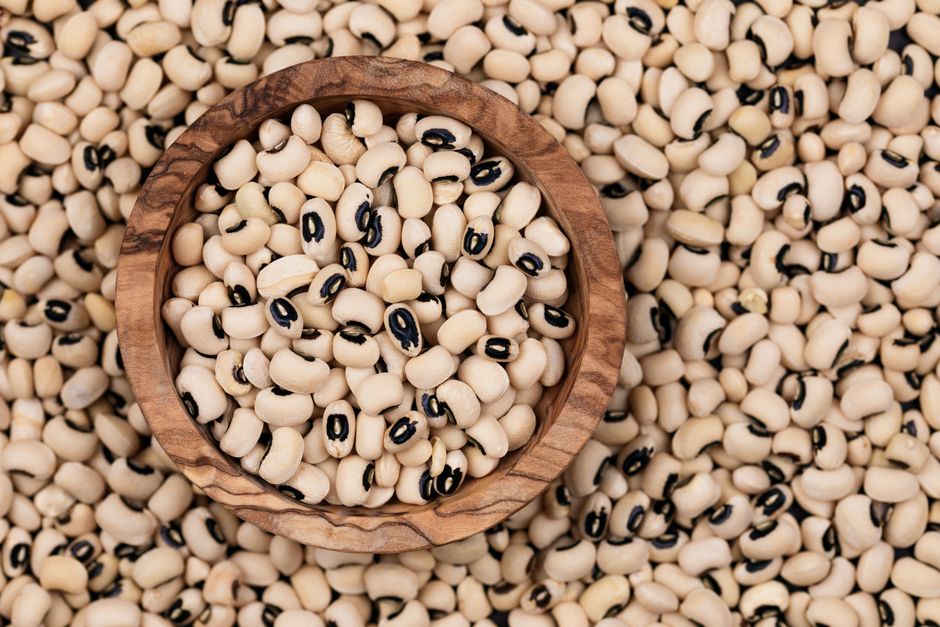
Furthermore, the symbolism of the black-eyed pea’s appearance itself contributes to its auspicious reputation. The distinctive black "eye" against the pale beige "body" of the pea can be interpreted in various ways. Some believe the black eye represents a coin or a penny, further reinforcing the association with wealth and prosperity. Others see it as a small protective eye, warding off evil and bringing good fortune. The simple act of eating black-eyed peas on New Year’s Day became a ritualistic way to usher in a year of abundance, good health, and financial well-being. This tradition is so widespread that in many Southern households, it’s almost unthinkable to start the new year without a pot of black-eyed peas simmering on the stove.
Beyond their New Year’s significance, black-eyed peas are a versatile and nutritious ingredient that holds a central place in everyday soul food cooking. Their mild, slightly earthy flavor makes them a perfect canvas for absorbing the rich, savory flavors that characterize soul food. They are commonly prepared with smoked ham hocks, bacon, or salt pork, which impart a deep, smoky, and salty dimension to the dish. The addition of aromatics like onions, garlic, and bell peppers provides a foundational layer of flavor. Slow simmering is crucial, allowing the peas to soften and the flavors to meld together. This patient cooking process is not just about taste; it’s also about creating a comforting and satisfying texture that is deeply ingrained in the soul food experience.
The preparation methods for black-eyed peas in soul food are varied and often reflect regional nuances and family traditions. Beyond the ubiquitous Hoppin’ John, black-eyed peas can be found in hearty stews, served as a side dish seasoned with a flavorful broth, or even mashed into a paste for dishes like black-eyed pea fritters. The liquid used in their cooking is often as important as the peas themselves, becoming a flavorful broth that is highly prized. This broth, often referred to as "pot liquor," is rich with the essence of the peas, seasonings, and any added meats, and is often enjoyed on its own or used to moisten other dishes like cornbread. The ability of the black-eyed pea to contribute its flavor and nutrients to the cooking liquid underscores its importance as a foundational ingredient.
From a nutritional standpoint, the black-eyed pea is a nutritional powerhouse, contributing significantly to the health benefits often associated with a well-balanced soul food diet. They are an excellent source of plant-based protein, making them a vital food for communities where meat may not always be readily available or affordable. Their high fiber content aids in digestion and contributes to feelings of fullness, which can be beneficial for weight management. Black-eyed peas are also exceptionally rich in folate, a B vitamin crucial for cell growth and development, and particularly important for pregnant women. Iron is another key nutrient found in abundance, essential for transporting oxygen throughout the body and preventing anemia. Additionally, they provide magnesium, phosphorus, and potassium, all vital minerals for various bodily functions. This robust nutritional profile makes black-eyed peas not just a delicious and culturally significant food, but also a healthy one, reinforcing their role as a sustaining staple in soul food cuisine.
The SEO (Search Engine Optimization) value of discussing black-eyed peas as a lucky bean of soul food lies in the confluence of several key search terms and concepts. "Black-eyed peas" is a direct search term, but its association with "soul food," "lucky bean," "New Year’s Day," "Southern food," and specific dishes like "Hoppin’ John" creates a rich landscape for online discoverability. Content that accurately and comprehensively explores these connections appeals to a wide range of search queries, from individuals seeking to understand the origins of New Year’s traditions to food enthusiasts looking for authentic soul food recipes and historical context. The detailed exploration of its African origins, its role during slavery, and its evolution into a modern culinary staple further adds depth and authority, attracting users looking for comprehensive information. By using these keywords naturally within the narrative, discussing historical context, culinary preparations, and cultural significance, this article aims to rank highly for searches related to black-eyed peas and their cultural importance in American cuisine.
In conclusion, the black-eyed pea’s ascension to the status of a "lucky bean" within soul food tradition is a testament to its multifaceted journey. From its ancient West African roots as a vital food source, through the hardships of the transatlantic slave trade where it offered sustenance and a connection to heritage, to its embrace and reinterpretation in the American South, the black-eyed pea has absorbed layers of cultural meaning. Its association with New Year’s luck, potentially influenced by wartime survival and cross-cultural exchange, has cemented its symbolic power. More than just an ingredient, the black-eyed pea represents resilience, hope, and the enduring ability of food to carry history, tradition, and good fortune across generations. Its humble appearance belies its profound significance in the culinary and cultural tapestry of soul food.