
Bread And Butter Pudding

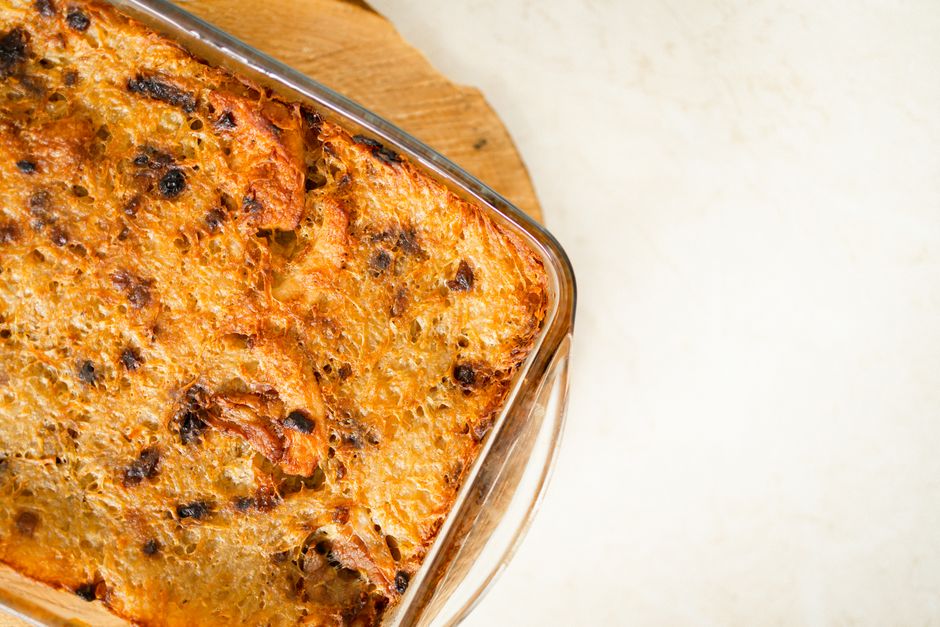
The Ultimate Guide to Bread and Butter Pudding: A Culinary Classic Reimagined
Bread and butter pudding, a humble yet profoundly satisfying dessert, stands as a testament to the art of transforming simple ingredients into something truly spectacular. At its core, this classic British comfort food is an assembly of stale bread, rich butter, creamy custard, and often a hint of sweetness and spice. Its origins are steeped in the necessity of resourcefulness, a way to prevent food waste by repurposing day-old bread into a delightful treat. This article delves into the multifaceted world of bread and butter pudding, exploring its history, the science behind its texture, variations, essential ingredients, advanced techniques, and how to achieve SEO prominence for this beloved dessert.
The historical roots of bread and butter pudding trace back to at least the early 18th century, though variations likely existed long before. The concept of layering soaked bread with sweet components and baking it is ancient, echoing in dishes like Italian pappa al pomodoro or French pain perdu (French toast). However, the specific iteration we recognize as bread and butter pudding, with its distinct strata of buttered bread and custard, solidified its place in culinary traditions during a time when food scarcity was more prevalent. It wasn’t a dessert of decadence but one of practicality, elevating common ingredients to a level of comfort and indulgence. This inherent resourcefulness continues to resonate, making bread and butter pudding a sustainable and approachable dessert for home cooks. Its enduring popularity is a testament to its comforting nature and its ability to adapt to various flavor profiles and dietary needs.
The magic of bread and butter pudding lies in its transformation through heat. The stale bread, when soaked in custard, rehydrates and softens, acting as a sponge to absorb the rich, creamy liquid. The butter, melted and spread or layered between the bread, contributes to the pudding’s characteristic richness and creates pockets of delightful crispness as it browns during baking. The custard, typically a blend of eggs, milk, and sugar, binds the ingredients together, creating a cohesive and luscious final product. The Maillard reaction, responsible for browning and developing complex flavors, plays a crucial role in the caramelization of the sugar and the toasting of the bread’s edges, contributing significantly to the overall sensory experience. Understanding these fundamental culinary processes is key to mastering bread and butter pudding.
The foundational elements of a truly exceptional bread and butter pudding are, first and foremost, the bread. While almost any bread can be used, its texture and density significantly influence the final outcome. Stale, day-old bread is ideal because it has lost some of its moisture, allowing it to absorb the custard more effectively without becoming completely mushy. Brioche, challah, or other enriched doughs lend a superior richness and a softer, more tender crumb. Sourdough, with its inherent tang, can add an intriguing counterpoint to the sweetness. French baguette, sliced thinly, offers a more delicate texture and can achieve a delightful crispness. The key is to avoid fresh, soft sandwich bread, which can disintegrate too readily.
Butter is the second cornerstone ingredient. Unsalted butter is generally preferred as it allows for better control over the salt content of the final dessert. Its role is twofold: to impart richness and moisture to the bread, and to contribute to the glorious golden-brown crispness on the edges and top of the pudding. The amount of butter used is crucial; too little, and the pudding will lack richness; too much, and it can become greasy.
The custard base is where much of the flavor and creamy texture is derived. Whole milk and heavy cream, or a combination of the two, provide the luxurious richness. The eggs, primarily egg yolks, are responsible for thickening the custard and contributing to its velvety mouthfeel. Sugar, typically granulated or caster sugar, provides sweetness. Vanilla extract is a classic flavoring, but variations abound, from citrus zest to liqueurs. A pinch of salt is essential to balance the sweetness and enhance the overall flavor profile.
The interplay of textures is what elevates bread and butter pudding from mere sustenance to a dessert of distinction. The contrast between the soft, yielding interior and the crisp, caramelized exterior is paramount. This is achieved through careful consideration of the bread’s thickness, the butter’s distribution, and the baking temperature and time. A well-made bread and butter pudding should offer a satisfying contrast with every spoonful, a symphony of soft and crunchy notes.
Variations on the bread and butter pudding theme are as numerous as the bakers who create it. Traditionalists may stick to a simple vanilla and cinnamon infusion, while the adventurous might incorporate fruit, nuts, or chocolate. Dried fruits like sultanas, raisins, or currants are common additions, plumping up in the custard and adding bursts of sweetness and chewiness. Fresh berries, such as raspberries or blueberries, can be layered within, offering a tart counterpoint. Chopped nuts, like almonds or pecans, provide an additional layer of texture and nutty flavor. Chocolate chips or chunks can transform the pudding into a decadent treat. For a more sophisticated twist, liqueurs such as Grand Marnier, Cointreau, or rum can be added to the custard, infusing the pudding with complex aromatic notes.
Beyond classic custard, other liquid bases can be employed. For a lighter pudding, evaporated milk can be used. For a dairy-free option, plant-based milks like almond, oat, or soy milk can be substituted, though the richness may be slightly diminished. Some recipes even incorporate a touch of sweetened condensed milk for added sweetness and a smoother texture.
Mastering bread and butter pudding involves understanding several key techniques. The method of preparing the bread is fundamental. Slicing the bread evenly ensures uniform soaking. Buttering each slice thoroughly, or liberally greasing the baking dish, is essential for preventing sticking and promoting browning. The ratio of bread to custard is also critical; too much bread will result in a dry pudding, while too much custard can lead to a soggy, undercooked dessert. The soaking time is another important factor. Allowing the bread to soak for at least 15-30 minutes ensures it’s fully saturated but not overly waterlogged.
When it comes to baking, a moderate oven temperature (around 180°C or 350°F) is generally recommended. This allows the custard to cook through and set without the bread burning. Covering the pudding for the initial part of the baking time can prevent the top from browning too quickly, ensuring the interior cooks evenly. Removing the cover for the latter half of the baking allows the top to develop a beautiful golden-brown crust. Resting the pudding after baking is also crucial; this allows the custard to firm up further and the flavors to meld.
For those seeking to optimize their bread and butter pudding for search engines, several SEO strategies can be employed. Keyword research is paramount. Identifying high-volume, relevant keywords such as "bread and butter pudding recipe," "classic bread pudding," "easy bread and butter pudding," "best bread and butter pudding," and variations incorporating specific ingredients like "chocolate bread pudding" or "fruit bread pudding" will form the backbone of content optimization.
Content should be structured logically with clear headings and subheadings (H1, H2, H3 tags) that incorporate these keywords naturally. The title tag and meta description are critical for attracting clicks from search engine results pages (SERPs). They should be concise, compelling, and include primary keywords. Image optimization is also important. Alt text for all images should accurately describe the image and include relevant keywords. For example, an image of the finished pudding could have alt text like "Golden brown classic bread and butter pudding with sultanas."
Internal linking is another powerful SEO tactic. Linking to other relevant recipes on your site, such as "how to make custard from scratch" or "best bread for pudding," will improve user experience and spread link equity. Building high-quality backlinks from reputable food blogs or culinary websites will significantly boost domain authority and search rankings. Encouraging user engagement through comments and social media shares can also signal to search engines that the content is valuable and popular.
Furthermore, focusing on creating comprehensive and authoritative content is key. This article’s depth, covering history, science, ingredients, variations, and techniques, aims to provide a complete resource for bread and butter pudding enthusiasts. Detailed ingredient lists with measurements, step-by-step instructions, and clear baking times and temperatures are essential for user satisfaction and SEO. Addressing common questions or challenges, such as "why is my bread pudding soggy?" or "how to make bread pudding without eggs?", will further enhance the content’s value and search visibility.
The versatility of bread and butter pudding makes it a fantastic canvas for culinary creativity. Consider the addition of spices beyond cinnamon, such as nutmeg, cardamom, or even a touch of ginger. Citrus zest, from lemon or orange, can add a bright, refreshing note. For a more decadent twist, coffee or chocolate can be incorporated into the custard base. The presentation can also be enhanced. A dusting of powdered sugar, a drizzle of caramel sauce, or a dollop of whipped cream or crème fraîche can elevate its visual appeal and complement its flavor.
From a nutritional perspective, while traditionally a rich dessert, modifications can be made to create a healthier alternative. Utilizing whole-wheat bread, reducing sugar content, and opting for lower-fat milk or plant-based alternatives can create a more wholesome version. Nevertheless, the inherent decadence of a classic bread and butter pudding is part of its charm.
In conclusion, bread and butter pudding is far more than just a simple dessert; it’s a culinary cornerstone that embodies comfort, resourcefulness, and deliciousness. By understanding its historical context, the science behind its creation, and the nuances of its key ingredients and techniques, home cooks can master this timeless classic. For those aiming to share their passion for this beloved pudding online, a strategic approach to SEO, focusing on relevant keywords, comprehensive content, and user engagement, will ensure its continued popularity and discoverability in the digital culinary landscape. Whether enjoyed in its simplest form or as a canvas for innovative flavor combinations, bread and butter pudding remains a universally adored treat, a testament to the enduring power of simple, well-executed ingredients.


