
Carrot Apple Baby Food

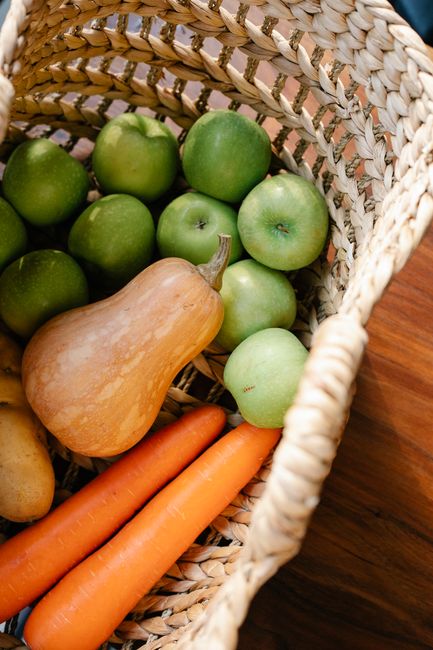
Carrot Apple Baby Food: A Nutrient-Rich Introduction to Solids
Carrot apple baby food represents a foundational and highly beneficial choice for introducing solid foods to infants. This simple yet potent combination offers a synergistic blend of essential vitamins, minerals, and natural sweetness that is both palatable for developing taste buds and supportive of crucial growth and development milestones. The inherent properties of both carrots and apples contribute significantly to a baby’s health, addressing key nutritional needs during this critical phase. Carrots, a vibrant root vegetable, are renowned for their exceptionally high beta-carotene content. Beta-carotene is a powerful antioxidant that the body converts into vitamin A, a nutrient indispensable for vision development, immune function, and healthy skin. As babies transition to solids, their reliance on breast milk or formula for micronutrients gradually shifts, making nutrient-dense foods like carrots paramount. Vitamin A plays a vital role in the development of the retina, particularly the rods, which are responsible for vision in low light. Beyond vision, vitamin A is crucial for maintaining the integrity of the mucous membranes lining the respiratory and digestive tracts, acting as a first line of defense against pathogens. Adequate vitamin A intake is also linked to proper bone growth and cell differentiation, fundamental processes in a rapidly developing infant.
Apples, on the other hand, bring their own impressive nutritional profile to the blend. Apples are a good source of dietary fiber, particularly soluble fiber like pectin. For infants, introducing fiber early is important for establishing a healthy digestive system and preventing constipation, a common concern during the transition to solids. Pectin can also contribute to a feeling of fullness, which can be beneficial in managing appetite and encouraging healthy eating habits. Apples also provide a range of other vitamins and minerals, including vitamin C and potassium. Vitamin C is another vital antioxidant that works synergistically with vitamin A, bolstering the immune system and aiding in iron absorption. Iron is critical for cognitive development and preventing iron-deficiency anemia, a prevalent issue in infancy. Potassium, an electrolyte, is important for maintaining fluid balance and supporting nerve and muscle function. The natural sweetness of apples makes them an appealing flavor for babies, often masking the earthier notes of carrots and encouraging acceptance of this new food. The combination of carrot and apple baby food thus provides a balanced introduction, addressing both micronutrient needs and digestive health, while offering a flavor profile that is generally well-received.
The optimal age for introducing carrot apple baby food, or any solid food, is typically around six months. This is when a baby’s digestive system is mature enough to handle solids, they exhibit signs of readiness such as sitting up with support, good head and neck control, and a diminished tongue-thrust reflex, and their iron stores from birth begin to deplete. Introducing a single ingredient first, like plain pureed carrot or plain pureed apple, is often recommended to monitor for any potential allergic reactions or sensitivities. Once a single ingredient has been well-tolerated for a few days, then combining them into carrot apple baby food is a logical next step. This phased approach allows parents and caregivers to pinpoint any specific food triggers. When preparing homemade carrot apple baby food, proper hygiene and cooking methods are paramount. Carrots should be thoroughly washed, peeled, and cooked until very soft to ensure digestibility and to eliminate any potential contaminants. Steaming or boiling are excellent methods as they retain more nutrients compared to other cooking techniques. Apples should also be washed, cored, and cooked until tender. Once cooked, both the carrots and apples should be pureed to a smooth consistency, free of lumps, to prevent choking hazards. Using a blender, food processor, or immersion blender is effective for achieving the desired texture. For very young infants, a thinner consistency might be necessary, which can be achieved by adding breast milk, formula, or cooled boiled water during the pureeing process.
Commercially prepared carrot apple baby food offers a convenient alternative, particularly for busy parents. These products undergo rigorous testing for safety and nutritional content, and are formulated to meet specific infant feeding guidelines. When selecting store-bought options, it is crucial to read the ingredient list carefully. Opt for purees with minimal ingredients, ideally just carrots and apples, without added sugars, salts, or artificial preservatives. The absence of added sugars is particularly important, as it helps to cultivate a preference for natural flavors and prevents the development of unhealthy eating habits. Similarly, added salt is unnecessary and can be detrimental to an infant’s developing kidneys. The packaging should also be checked for integrity, ensuring no damage or signs of spoilage. Storage instructions on commercial baby food should be strictly adhered to. Unopened jars or pouches can typically be stored in a pantry, while opened portions should be refrigerated and consumed within a specified timeframe, usually 2-3 days, to prevent bacterial growth.
The nutritional benefits of carrot apple baby food extend beyond the immediate introduction of solids. The beta-carotene from carrots, converted to vitamin A, supports ongoing visual development throughout infancy and childhood. Vitamin A is crucial for maintaining healthy eyesight as the child grows and their visual system matures. Furthermore, the immune-boosting properties of vitamin A and vitamin C help to build a robust immune system, equipping the infant to ward off common childhood illnesses. This early exposure to nutrient-dense foods can lay the groundwork for a lifetime of healthy eating. The fiber from apples aids in establishing a healthy gut microbiome, which is increasingly recognized as fundamental to overall health, influencing everything from digestion and nutrient absorption to immune function and even mood. A balanced gut flora established in infancy can have long-term positive effects on health.
When introducing carrot apple baby food, it is important to observe the baby’s cues. Offer small amounts initially, perhaps a teaspoon or two, and gradually increase the quantity as the baby becomes accustomed to the texture and flavor. If the baby shows disinterest, do not force them. Try again another day, or perhaps offer it in a different way. Sometimes, the temperature of the food can make a difference; some babies prefer it slightly warm, while others are content with room temperature purees. It is also beneficial to offer a variety of textures as the baby progresses. While smooth purees are essential for the initial stages, introducing slightly thicker textures and small, soft pieces (when developmentally appropriate) can aid in the development of chewing skills. Carrot apple baby food can serve as a stepping stone to a wider array of fruits and vegetables. Once a baby has accepted this combination, parents can introduce other purees like sweet potato, butternut squash, pear, or banana, continuing the process of offering single ingredients and then combining them. This gradual expansion of the palate is key to encouraging a diverse and healthy diet.
The preparation of carrot apple baby food can also be adapted to suit various dietary needs and preferences. For instance, if there are concerns about lactose intolerance or milk protein allergies, using water or a suitable infant-friendly milk alternative can be used for thinning the puree. For babies with a higher risk of developing allergies, consulting with a pediatrician or a registered dietitian is advisable before introducing new foods, including carrots and apples. While carrots and apples are generally considered low-allergen foods, individual sensitivities can occur. Signs of an allergic reaction can include rash, hives, vomiting, diarrhea, or difficulty breathing. Any suspected allergic reaction should be immediately reported to a healthcare professional.
The journey of introducing solids is a significant milestone in a baby’s development, and carrot apple baby food provides a gentle yet powerful introduction. Its readily digestible nature, combined with a wealth of essential nutrients, makes it an excellent choice for fostering healthy growth and development. The natural sweetness and smooth texture are often well-accepted by infants, facilitating a positive first experience with solid foods. Furthermore, the fiber content aids in digestive regularity, a crucial aspect of a baby’s comfort and well-being. The beta-carotene in carrots, which the body converts to vitamin A, is vital for numerous bodily functions, including vision and immune support, directly contributing to the infant’s foundational health. The vitamin C present in apples acts as an antioxidant and assists in iron absorption, further enhancing the nutritional value of this simple blend. As babies continue to grow, the nutritional benefits derived from this early exposure to nutrient-rich foods can contribute to long-term health outcomes, helping to establish a foundation for a balanced and healthy diet throughout childhood and beyond. The versatility of carrot apple baby food, whether homemade or commercially prepared, allows for easy integration into a baby’s feeding routine. When preparing homemade versions, prioritizing hygiene and proper cooking techniques ensures both safety and nutrient preservation. For store-bought options, careful scrutiny of ingredient lists to avoid unnecessary additives is paramount. Observing the baby’s cues during mealtimes and introducing textures gradually are also key aspects of a successful transition to solids. Ultimately, carrot apple baby food stands as a testament to the power of simple, whole foods in nurturing the rapid growth and development of infants, making it a staple in many feeding journeys. The sustained importance of vitamin A for ongoing vision development, cell growth, and immune system maturation cannot be overstated. Likewise, the role of fiber in establishing healthy digestive patterns and potentially influencing the gut microbiome for the long term underscores the profound impact of early dietary choices. This foundational food empowers parents to provide their infants with a delicious, nutritious, and easily digestible introduction to the world of solid foods, setting the stage for a lifetime of healthy eating habits.


