
Old Fashioned Three Bean Salad

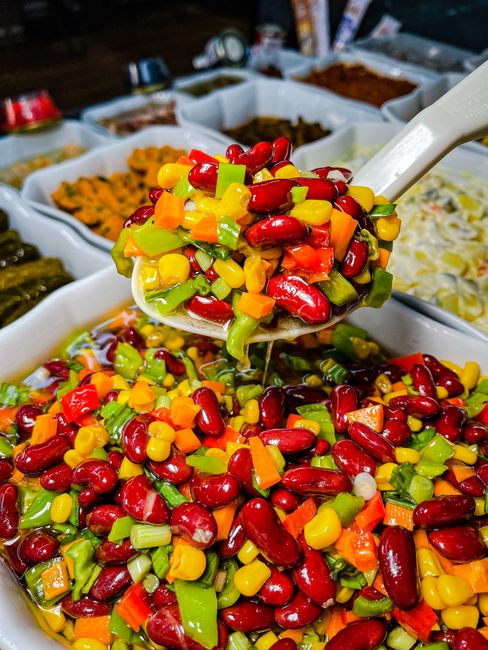
Old Fashioned Three Bean Salad: A Timeless Classic for Your Table
The old-fashioned three-bean salad is more than just a side dish; it’s a culinary cornerstone, a testament to simple, wholesome ingredients transformed into a vibrant and satisfying culinary experience. Its enduring popularity stems from a perfect harmony of textures and flavors: the earthy heartiness of beans, the crisp bite of fresh vegetables, and a tangy, slightly sweet dressing that ties it all together. This salad embodies a nostalgic charm, reminiscent of backyard barbecues, family potlucks, and the comforting familiarity of home cooking. Unlike more complex or trend-driven salads, the three-bean salad relies on readily available, inexpensive ingredients, making it an accessible and practical choice for any occasion. Its versatility is another key to its widespread appeal. It functions beautifully as a side dish to grilled meats, sandwiches, or even as a light and refreshing lunch on its own. The foundational elements – typically green beans, kidney beans, and chickpeas – provide a robust base, while variations in vegetables and dressing allow for endless customization. This article will delve into the quintessential components of an old-fashioned three-bean salad, explore the nuances of its dressing, discuss popular variations, offer tips for optimal preparation and storage, and highlight its nutritional benefits, all while optimizing for relevant search terms to ensure this classic recipe reaches a wider audience seeking a taste of tradition.
The core of any traditional three-bean salad lies in its namesake trio of beans. The most common and beloved combination includes:
-
Green Beans: These provide a crucial element of freshness and a satisfying crisp-tender texture. For an authentic old-fashioned flavor, canned green beans are often preferred. While fresh green beans can be used, they require blanching to achieve the desired tenderness and can sometimes overpower the other flavors. Canned green beans, particularly those that are whole or cut into uniform pieces, offer a consistent texture and absorb the dressing beautifully without becoming mushy. Look for brands that are not overly salty or mushy. Draining them thoroughly is paramount to avoid a watery salad.
-
Kidney Beans: These contribute a deep, earthy flavor and a slightly firmer texture that contrasts wonderfully with the green beans. Their reddish-brown hue adds visual appeal to the salad. Canned kidney beans are the standard for this recipe, offering convenience and a consistent quality. Rinsing them thoroughly under cold water is essential to remove any excess sodium or the metallic taste that can sometimes be present. This rinsing step is critical for achieving a clean, bright flavor profile in the finished salad.
-
Chickpeas (Garbanzo Beans): These add a nutty sweetness and a distinctively creamy texture. Their round shape and pale color also contribute to the visual mosaic of the salad. Like the other beans, canned chickpeas are the most common choice. Again, thorough rinsing is crucial to eliminate the briny liquid they are packed in, ensuring the dressing can properly coat and flavor the beans. The slight chewiness of a well-rinsed chickpea is a delightful counterpoint to the other components.
While these three beans form the quintessential base, sourcing high-quality canned beans is a significant factor in the success of the salad. Opting for brands known for their freshness and minimal preservatives will yield a superior taste. Furthermore, ensuring the beans are thoroughly drained and rinsed is not merely a procedural step but a flavor-enhancing one, preventing any off-notes from diluting the delicate balance of the dressing.
Beyond the beans, the addition of other crisp vegetables is what elevates a simple bean mixture into a true old-fashioned three-bean salad. These vegetables provide contrasting textures, vibrant colors, and additional layers of flavor that complement the beans and dressing. The most classic additions include:
-
Onion: Finely chopped red onion or yellow onion is a staple. Red onion offers a slightly milder, sweeter flavor and a beautiful purplish hue. Yellow onion provides a more pungent bite. The key is to chop the onion very finely, almost minced, to ensure its flavor is distributed evenly throughout the salad and doesn’t create overpowering pockets of raw onion. Some recipes call for soaking the chopped onion in cold water for 10-15 minutes to mellow its sharpness, which is a worthwhile step for a more refined flavor.
-
Celery: Thinly sliced or diced celery adds a refreshing crunch and a subtle, herbaceous note. Its watery texture helps to keep the salad moist and provides a satisfying textural contrast to the beans. Ensure the celery is fresh and firm, as wilted celery can detract from the overall appeal.
-
Bell Peppers: Diced green bell pepper is a common addition, offering a slightly bitter undertone and a vibrant green color. Red or yellow bell peppers can also be used for added sweetness and a more colorful presentation. The crispness of the bell pepper should be maintained, not cooked down.
The exact proportions of these vegetables can vary according to personal preference, but a balance that ensures each vegetable’s flavor and texture can be appreciated is ideal. Uniform dicing of all the vegetables ensures that each spoonful offers a harmonious blend of ingredients.
The magic of an old-fashioned three-bean salad truly lies in its dressing. It’s a simple yet potent vinaigrette that balances tanginess, sweetness, and savory notes. While numerous variations exist, the fundamental components typically include:
-
Vinegar: Apple cider vinegar is the most traditional choice, offering a pleasant tartness with a hint of fruitiness. White vinegar can also be used for a sharper tang, while red wine vinegar can add a more robust flavor. The acidity of the vinegar is crucial for "cooking" the vegetables slightly and tenderizing them, as well as for preserving the salad.
-
Oil: A neutral-flavored oil such as vegetable oil, canola oil, or a light olive oil is generally preferred. This allows the vinegar and other dressing ingredients to shine without competing flavors. The oil helps to emulsify the dressing and coat the beans and vegetables evenly.
-
Sugar: Granulated sugar is essential for balancing the acidity of the vinegar and adding a subtle sweetness that is characteristic of old-fashioned dressings. The amount of sugar can be adjusted to individual taste preferences, but it should be enough to create a pleasant sweet-and-sour profile.
-
Seasonings: Salt and freshly ground black pepper are indispensable for enhancing all the flavors. Some recipes also include:
- Mustard: A touch of Dijon mustard or yellow mustard can add a subtle piquancy and help to emulsify the dressing.
- Herbs: Freshly chopped parsley or dill can add brightness and freshness. Dried herbs like oregano or thyme can also be incorporated.
- Garlic: Minced fresh garlic or garlic powder can provide a savory depth.
The dressing is typically whisked together until well combined and then poured over the bean and vegetable mixture. The key to a successful dressing is allowing it to meld with the ingredients. This often means letting the salad marinate for at least a few hours, or ideally, overnight in the refrigerator. This resting period allows the flavors to deepen and harmonize, transforming the individual components into a cohesive and delicious whole.
The beauty of the old-fashioned three-bean salad lies in its adaptability. While the classic combination is beloved, there are numerous ways to personalize it to suit specific tastes or available ingredients. These variations demonstrate the enduring appeal and versatility of this simple dish.
-
Bean Variations: While green beans, kidney beans, and chickpeas are standard, other beans can be incorporated. Black beans add a different textural element and a mild, earthy flavor. Cannellini beans (white kidney beans) offer a creamier texture and a slightly sweeter profile. Even a mix of canned lima beans or pinto beans can be explored. The key is to maintain a balance of textures and flavors.
-
Vegetable Additions: Beyond the core vegetables, several other additions can enhance the salad.
- Corn: Canned or frozen corn kernels add a pop of sweetness and a different texture.
- Peas: Frozen peas, thawed, can contribute a delicate sweetness and a tender bite.
- Carrots: Finely diced or shredded carrots add sweetness, color, and a slight crunch.
- Radishes: Thinly sliced radishes offer a peppery bite and a beautiful visual contrast.
- Pickles or Relish: Finely chopped dill pickles or sweet pickle relish can introduce an extra layer of tanginess and a pleasant crunch.
-
Dressing Adjustments: The dressing can also be customized to individual preferences.
- Sweetness Level: The amount of sugar can be increased or decreased. Some recipes use honey or maple syrup as a sweetener for a different flavor profile.
- Tanginess: The ratio of vinegar to oil can be adjusted. A touch of lemon juice can also be added for extra brightness.
- Creaminess: A tablespoon or two of mayonnaise or plain yogurt can be added to the dressing for a creamier, richer texture, though this moves slightly away from the purely vinaigrette-based traditional dressing.
- Spiciness: A pinch of red pepper flakes can be added to the dressing for a subtle kick.
-
Garnish and Serving: While not strictly part of the salad itself, how it’s garnished and served can enhance its appeal. Freshly chopped parsley or chives add a burst of color and freshness. Serving the salad chilled is essential for optimal flavor and texture.
Preparing the perfect old-fashioned three-bean salad involves more than just combining ingredients. Attention to detail at each step ensures a superior result.
-
Bean Preparation: As mentioned, thorough draining and rinsing of all canned beans is non-negotiable. This removes excess sodium and any canning liquid that could impart an off-flavor. A fine-mesh sieve is your best friend here.
-
Vegetable Uniformity: Chop all vegetables into uniformly sized pieces. This ensures that each bite contains a balanced mix of flavors and textures. Mincing the onion is particularly important for even distribution.
-
Dressing Emulsification: Whisk the dressing ingredients vigorously until they are well combined and slightly thickened. This creates a cohesive dressing that will cling to the beans and vegetables.
-
Marination Time: This is perhaps the most crucial step for developing flavor. The salad should be refrigerated for at least 2-3 hours, but ideally overnight. This allows the beans and vegetables to absorb the dressing, and the flavors to meld and mature. Stirring the salad occasionally during the marination period can help ensure even flavor distribution.
-
Temperature: Serve the salad well chilled. This enhances its refreshing quality and allows the flavors to be at their peak.
-
Storage: Old-fashioned three-bean salad can be stored in an airtight container in the refrigerator for 3-4 days. The flavors will continue to develop over the first couple of days. If the salad becomes too watery after a few days, you can drain off some of the excess liquid.
The old-fashioned three-bean salad is a surprisingly nutritious dish, offering a wealth of health benefits from its simple, wholesome ingredients.
-
Protein Powerhouse: Beans are an excellent source of plant-based protein, which is essential for building and repairing tissues, supporting muscle growth, and promoting satiety. This makes the salad a filling and satisfying option.
-
Fiber Rich: The high fiber content of beans aids in digestion, promotes a healthy gut microbiome, and can help regulate blood sugar levels. It also contributes to feelings of fullness, which can be beneficial for weight management.
-
Vitamins and Minerals: Beans are packed with essential vitamins and minerals, including iron, folate, potassium, magnesium, and zinc. Green beans contribute vitamin K and vitamin C, while chickpeas offer manganese and folate.
-
Low in Fat (depending on dressing): When made with a vinaigrette-style dressing, the salad is typically low in unhealthy fats. The use of plant-based oils in the dressing provides healthy monounsaturated and polyunsaturated fats.
-
Antioxidants: The vibrant colors of the vegetables and beans indicate the presence of antioxidants, which help protect the body’s cells from damage caused by free radicals.
When considering its nutritional profile, the choice of dressing ingredients plays a role. Opting for a vinaigrette over a mayonnaise-based dressing will result in a lighter, healthier salad. The sugar content can also be moderated for those watching their sugar intake.
The old-fashioned three-bean salad is a testament to the power of simple ingredients. Its enduring appeal lies in its delightful combination of textures, its vibrant colors, and its perfectly balanced tangy-sweet dressing. Whether served at a summer picnic, a holiday gathering, or as a weekday lunch, this timeless classic consistently delivers on flavor and satisfaction. Its ease of preparation, affordability, and nutritional benefits make it a smart and delicious choice for any table. By understanding the key components, mastering the dressing, and embracing the art of marination, you can recreate this beloved dish and experience a true taste of culinary tradition. Its SEO-friendly nature stems from its universally recognized name and its appeal to searches related to classic recipes, potluck dishes, side salads, and bean salads, ensuring that those seeking this comforting and delicious salad can easily find it.


