
Cashew Chicken With Water Chestnuts

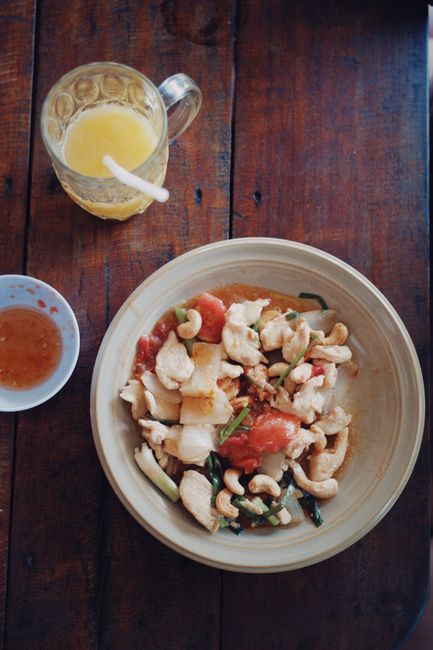
Savory Cashew Chicken with Water Chestnuts: A Flavorful Exploration
This article delves into the multifaceted world of cashew chicken, specifically focusing on a popular and delicious variation featuring the delightful crunch of water chestnuts. We will explore its origins, key ingredients, variations, preparation techniques, health benefits, and its prominent place in both restaurant menus and home kitchens. The appeal of this dish lies in its harmonious balance of sweet, savory, and a textural contrast that keeps diners engaged. Cashew chicken, in its essence, is a stir-fry that showcases the versatility of chicken as a protein, the rich nuttiness of cashews, and the refreshing crispness of water chestnuts, all enveloped in a flavorful sauce. Understanding the components and their interactions is crucial to mastering this culinary creation.
The foundation of cashew chicken lies in its core ingredients. Chicken, typically breast or thigh meat, is the primary protein. It’s often cut into bite-sized pieces for even cooking and easy consumption within a stir-fry. The cashews, the dish’s namesake, provide a rich, buttery flavor and a satisfying, slightly chewy texture. They are often toasted to enhance their nuttiness, a simple step that significantly elevates the overall taste profile. Water chestnuts are the textural star. Their inherent crispness, often described as refreshing and slightly earthy, cuts through the richness of the sauce and the chicken, preventing the dish from becoming monotonous. These aquatic vegetables are usually sold canned and pre-sliced, making them incredibly convenient for home cooks. The sauce is where much of the flavor magic happens. It’s typically a complex blend of savory, sweet, and often a hint of umami. Common components include soy sauce for saltiness and depth, hoisin sauce for sweetness and complexity, oyster sauce for a deeper savory note, and often chicken broth or water to create the right consistency. A touch of sugar, whether granulated, brown, or honey, balances the saltiness. Cornstarch is almost universally used as a thickener, creating that glossy, clinging sauce that coats every ingredient. Aromatics like garlic and ginger are indispensable, providing pungent warmth and fragrance that forms the backbone of many Asian-inspired stir-fries. Some recipes might also incorporate a dash of rice vinegar for acidity or sesame oil for a nutty finish.
The history of cashew chicken is somewhat debated, with many attributing its popularity to American Chinese cuisine. While stir-frying with nuts has ancient roots in Chinese cooking, the specific iteration of cashew chicken as we know it today, particularly the incorporation of the Western cashew nut, likely emerged in the United States. Restaurants sought to create dishes that appealed to American palates, often incorporating sweeter and more familiar flavor profiles. The development of cashew chicken can be seen as a fusion, blending traditional Chinese stir-frying techniques with ingredients and flavor preferences that resonated with a broader audience. Its widespread adoption in Chinese-American restaurants cemented its status as a beloved and accessible dish. The emphasis on readily available ingredients and a relatively straightforward preparation method also contributed to its enduring popularity.
Variations of cashew chicken abound, reflecting the adaptability of the dish. Beyond the fundamental combination of chicken, cashews, and water chestnuts, chefs and home cooks experiment with different vegetables to add color, nutrients, and varied textures. Bell peppers, particularly red and green varieties, are common additions, offering a slight sweetness and a vibrant visual appeal. Broccoli florets provide a healthy dose of fiber and a different kind of crunch. Snow peas or snap peas introduce a delicate sweetness and a crisp bite. Onions, especially yellow or red onions, contribute pungency and sweetness as they caramelize during cooking. Mushrooms, such as shiitake or button mushrooms, add an earthy depth and a tender chew. For those seeking a spicier kick, red chili flakes or thinly sliced fresh chilies can be incorporated into the sauce or stir-fried with the other ingredients. Some recipes might also include a touch of Shaoxing wine, a Chinese cooking wine, to add a subtle complexity to the sauce. The type of soy sauce used can also influence the flavor; light soy sauce offers saltiness, while dark soy sauce contributes color and a deeper, more robust flavor.
The preparation of cashew chicken with water chestnuts typically follows a well-established stir-frying methodology. The process begins with preparing the ingredients. Chicken is usually marinated, often in a mixture of soy sauce, cornstarch, and sometimes a little cooking wine, to tenderize it and help it brown nicely. The vegetables are chopped into uniform, bite-sized pieces. The aromatics, garlic and ginger, are minced. The sauce ingredients are whisked together in a bowl to ensure they are well combined and ready to be added at the opportune moment. The cooking process itself is a rapid, high-heat affair. A wok or a large, heavy-bottomed skillet is heated until very hot. Oil, typically a high-smoke-point oil like vegetable, canola, or peanut oil, is added. The marinated chicken is then added and stir-fried until it’s cooked through and lightly browned. This is often done in batches to avoid overcrowding the pan, which would steam the chicken rather than fry it. Once the chicken is removed, the aromatics are added and stir-fried briefly until fragrant, being careful not to burn them. Then, the firmer vegetables, such as bell peppers and broccoli, are added and stir-fried for a few minutes until they are tender-crisp. Softer vegetables like snow peas and the pre-sliced water chestnuts are added later to maintain their crisp texture. Finally, the prepared sauce is poured into the wok, and it thickens quickly as it cooks, coating all the ingredients. The toasted cashews are usually added in the last minute of cooking or sprinkled on top just before serving to preserve their crunch.
From a nutritional standpoint, cashew chicken with water chestnuts offers a balanced profile when prepared with mindful ingredient choices. Chicken is a good source of lean protein, essential for muscle repair and growth. Cashews, while calorie-dense, provide healthy monounsaturated and polyunsaturated fats, which are beneficial for heart health. They also contain minerals like magnesium, copper, and zinc. Water chestnuts are low in calories and provide dietary fiber, aiding in digestion. They also contain vitamins and minerals, though in smaller quantities. The nutritional impact of the sauce largely depends on its composition. A sauce high in sodium from soy sauce can be a concern, but this can be mitigated by using reduced-sodium soy sauce. The sugar content can also be adjusted. Incorporating a variety of vegetables further enhances the nutritional value, adding vitamins, minerals, and antioxidants. When served with brown rice instead of white rice, the fiber content of the meal increases.
The appeal of cashew chicken extends beyond its taste and texture. Its cultural significance in American Chinese cuisine is undeniable. It represents a successful adaptation of traditional cooking methods and flavors to suit a different culinary landscape. It’s a dish that evokes comfort and familiarity for many, often ordered as a staple at Chinese restaurants. Its accessibility also means it’s a popular choice for home cooks looking to recreate restaurant-quality meals in their own kitchens. The visual appeal of the dish, with its vibrant colors from the vegetables and the glossy sauce, also contributes to its popularity. The aroma that fills the kitchen during preparation is equally inviting. The sound of the stir-fry, the sizzle of ingredients in the hot wok, adds to the sensory experience of making and enjoying this dish.
When it comes to SEO considerations for cashew chicken with water chestnuts, several keywords and phrases are crucial for visibility. "Cashew chicken recipe," "easy cashew chicken," "healthy cashew chicken," "homemade cashew chicken," and "chicken stir fry with cashews" are highly relevant. Incorporating specific ingredients like "water chestnuts recipe" or "chicken with water chestnuts" further refines the search. The long-tail keywords would include phrases like "quick cashew chicken recipe for weeknights" or "best cashew chicken sauce recipe." Optimizing the article for these terms involves naturally integrating them into headings, subheadings, the body text, and meta descriptions. Using descriptive language that highlights the flavor profiles and textures, such as "savory cashew chicken," "crispy water chestnuts," and "sweet and savory sauce," will also enhance search engine rankings. Including internal links to related recipes or ingredient guides on a website can also improve user engagement and SEO.
The versatility of cashew chicken with water chestnuts makes it a staple in many culinary contexts. It’s a dish that can be adapted for various dietary needs and preferences. For a gluten-free option, tamari or coconut aminos can replace soy sauce, and a gluten-free cornstarch or tapioca starch can be used as a thickener. For those watching their sugar intake, the amount of sweetener can be reduced or substituted with natural sweeteners like monk fruit or stevia. The choice of oil for stir-frying can also be tailored to individual preferences, with avocado oil or grapeseed oil being good alternatives to peanut oil for those with nut allergies. The fundamental principles of stir-frying and sauce creation remain constant, allowing for these adjustments.
In conclusion, cashew chicken with water chestnuts is more than just a dish; it’s a culinary phenomenon that bridges cultures and satisfies diverse palates. Its enduring popularity stems from a masterful combination of textures and flavors, its relative ease of preparation, and its adaptability. From the humble origins of Chinese stir-frying to its evolution into a beloved American Chinese classic, this dish continues to be a go-to for both professional chefs and home cooks seeking a flavorful, satisfying, and texturally exciting meal. The crunch of the water chestnuts, the richness of the cashews, and the savory embrace of the sauce create a symphony of sensations that make cashew chicken a truly exceptional culinary experience. Understanding its components, preparation, and variations allows for a deeper appreciation of this iconic dish.


