
Cheddar And Macaroni Salad

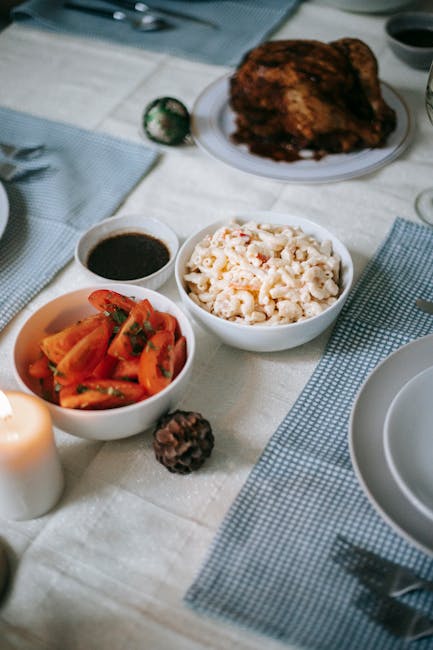
Cheddar Macaroni Salad: A Comprehensive Culinary and SEO Guide
Cheddar macaroni salad, a beloved staple in American potlucks, picnics, and casual dining, represents a harmonious marriage of creamy, tangy cheddar cheese and tender macaroni pasta. Its enduring popularity stems from its versatile flavor profile, satisfying texture, and comforting appeal. This article delves into the intricacies of cheddar macaroni salad, exploring its history, core components, recipe variations, culinary applications, and strategies for optimizing its online presence through Search Engine Optimization (SEO). Understanding these facets is crucial for home cooks, restaurateurs, and food bloggers aiming to master and promote this classic dish.
The foundation of any exceptional cheddar macaroni salad lies in its two primary ingredients: macaroni and cheddar cheese. The type of macaroni used significantly impacts the salad’s final texture and flavor absorption. Elbow macaroni, with its characteristic curves, is the traditional and most common choice. Its hollow center and ridged exterior effectively capture and hold the dressing, ensuring a burst of flavor with every bite. Other pasta shapes, such as rotini, cavatappi, or even penne, can be substituted, offering a different textural experience and visual appeal. The key is to cook the macaroni al dente – firm to the bite, but not mushy. Overcooked pasta will disintegrate, leading to a paste-like salad that lacks structural integrity. Proper cooking also involves salting the pasta water generously to infuse the macaroni with inherent flavor. A common ratio is one tablespoon of salt per gallon of water. After cooking, the macaroni should be thoroughly drained and, for optimal texture, rinsed with cold water. This rinsing step immediately halts the cooking process, preventing further softening and washing away excess starch, which can contribute to a gummy salad. Some chefs advocate for a quick toss with a small amount of olive oil or reserved dressing after rinsing to prevent the pasta from clumping together while it cools.
Cheddar cheese, the namesake ingredient, dictates the salad’s signature tang and richness. The type and age of cheddar are critical. Sharp cheddar offers a pronounced, piquant flavor that cuts through the creaminess of the dressing, providing a complex taste. Medium cheddar provides a more balanced, mellow cheese flavor, while mild cheddar is less assertive and often preferred by those with a less developed palate for sharp cheeses. White cheddar is a popular choice for its distinct flavor profile and visual appeal, as it doesn’t impart an orange hue to the salad. Aged cheddars, often labeled as "extra sharp" or "vintage," develop a crumbly texture and intense, nutty, and even slightly crystalline characteristics due to the formation of tyrosine crystals. These crystals add a delightful textural contrast to the creamy salad. The quality of the cheddar is paramount; using a good quality block cheddar and grating it yourself will yield a superior result compared to pre-shredded cheeses, which often contain anti-caking agents that can affect meltability and texture. For a truly decadent cheddar macaroni salad, a blend of cheddars can be employed. For instance, combining sharp cheddar with a milder, creamier variety can create layers of flavor and a smoother mouthfeel.
Beyond the macaroni and cheddar, the dressing is the unifying element that binds all the ingredients together. The classic dressing for cheddar macaroni salad is typically mayonnaise-based, providing a rich, creamy emulsification. High-quality mayonnaise, with a good fat content and balanced acidity, forms the backbone of a superior dressing. Its emulsified structure ensures a smooth, homogenous texture that coats the pasta and other ingredients evenly. The tanginess of the mayonnaise complements the sharpness of the cheddar. Beyond mayonnaise, other dressing components are essential for flavor development and balance. A touch of acidity is crucial to brighten the flavors and prevent the salad from tasting heavy or cloying. This is often achieved through the addition of vinegar (white vinegar, apple cider vinegar, or even distilled white vinegar) or lemon juice. The acidity also helps to emulsify the dressing, creating a stable and creamy mixture. Sweetness is another important element, often provided by sugar or honey. The sweetness balances the acidity and the tang of the cheese and mayonnaise, creating a harmonious flavor profile. Mustard, in its various forms, adds another layer of complexity and a subtle peppery bite. Dijon mustard is a popular choice for its smooth texture and nuanced flavor, while yellow mustard offers a more pronounced, classic tang. A pinch of salt and freshly ground black pepper are essential seasonings to enhance and round out all the flavors. Some recipes incorporate finely chopped onions (yellow, red, or Vidalia) or green onions for a pungent, savory counterpoint. Celery, diced finely, adds a refreshing crunch and a mild, slightly vegetal note. Pickles, particularly sweet pickle relish or finely chopped dill pickles, contribute a briny, tangy, and slightly sweet element that is characteristic of many classic macaroni salads.
Variations on the cheddar macaroni salad theme are abundant, reflecting regional preferences and individual culinary creativity. Adding hard-boiled eggs, chopped, introduces an extra layer of richness and protein, further enhancing the salad’s heartiness. Bacon, crumbled and crispy, provides a smoky, salty, and savory dimension that is undeniably appealing. Bell peppers, diced finely (red, green, or yellow), add color, a slight sweetness, and a crisp texture. Peas, either fresh or frozen and thawed, offer a burst of sweetness and a pop of color. A sprinkle of fresh herbs, such as parsley, chives, or dill, can elevate the salad, adding freshness and visual appeal. For those seeking a spicier kick, a dash of hot sauce or finely minced jalapeños can be incorporated into the dressing. Some modern interpretations embrace a more gourmet approach, using artisanal cheeses, different types of pasta, and even incorporating ingredients like smoked paprika, curry powder, or capers for a unique flavor twist. The beauty of cheddar macaroni salad lies in its adaptability; it serves as a canvas for a wide range of flavor combinations.
The culinary applications of cheddar macaroni salad are extensive, solidifying its status as a versatile dish. It is an indispensable component of any picnic or barbecue spread, pairing perfectly with grilled meats, burgers, hot dogs, and fried chicken. As a side dish, it complements a wide array of main courses, from roasted chicken and pork to fish and even vegetarian entrees. Its creamy texture and savory flavor make it an ideal accompaniment to hearty stews and casseroles. In a casual dining setting, it can be offered as a standalone item on a buffet or as a side option on a menu. Its popularity also extends to sandwich fillings; a scoop of cheddar macaroni salad can elevate a simple turkey or ham sandwich into something more substantial and flavorful. For busy households, it’s a go-to make-ahead dish, as the flavors meld and deepen overnight, making it even more delicious the following day. This characteristic also makes it an excellent option for meal prepping.
In the realm of digital promotion and culinary content creation, Search Engine Optimization (SEO) is paramount for cheddar macaroni salad. To ensure visibility and attract a wide audience, targeting relevant keywords is crucial. Primary keywords include "cheddar macaroni salad recipe," "easy mac salad," "classic macaroni salad," "picnic salad," and "potluck salad." Secondary keywords can encompass variations like "creamy macaroni salad," "sharp cheddar mac salad," "homemade mac and cheese salad," and ingredient-specific terms like "elbow macaroni salad." Long-tail keywords, such as "best cheddar macaroni salad recipe for a crowd" or "quick and easy cheddar macaroni salad no peas," can attract highly specific and engaged users.
Content optimization involves structuring articles and blog posts with clear headings and subheadings using these keywords. For instance, a heading like "The Best Elbow Macaroni for Cheddar Macaroni Salad" or "Mastering the Perfect Cheddar Macaroni Salad Dressing" will improve readability and search engine crawlability. High-quality, original images are essential for showcasing the dish, and these images should be optimized with descriptive alt text that includes relevant keywords. For example, an image of a creamy cheddar macaroni salad could have alt text like "Creamy Cheddar Macaroni Salad with Elbow Pasta and Sharp Cheddar Cheese."
Recipe schema markup is a powerful SEO tool for food-related content. Implementing this markup allows search engines to understand the ingredients, cooking time, and other key details of a cheddar macaroni salad recipe, leading to rich snippets in search results, which can significantly increase click-through rates. User engagement is another critical SEO factor. Encouraging comments, shares, and ratings on blog posts and recipes related to cheddar macaroni salad can signal to search engines that the content is valuable and relevant. Building backlinks from reputable food blogs, culinary websites, and social media platforms can also enhance a cheddar macaroni salad recipe’s authority and search engine ranking. Technical SEO aspects, such as website speed, mobile-friendliness, and secure browsing (HTTPS), are foundational for any SEO strategy and apply equally to content featuring cheddar macaroni salad. Understanding the search intent behind user queries is also vital. Users searching for "cheddar macaroni salad recipe" are likely looking for a step-by-step guide to making the dish, while those searching for "history of macaroni salad" might be interested in the culinary origins. Tailoring content to meet these diverse search intents will lead to greater success. Furthermore, consistently updating content with new variations, tips, and trends related to cheddar macaroni salad can keep it fresh and relevant in the eyes of search engines and users alike. The ongoing evolution of search algorithms means that a dynamic and responsive SEO approach is necessary for sustained online visibility of this popular dish.


