
Chef Johns Beef And Barley Stew

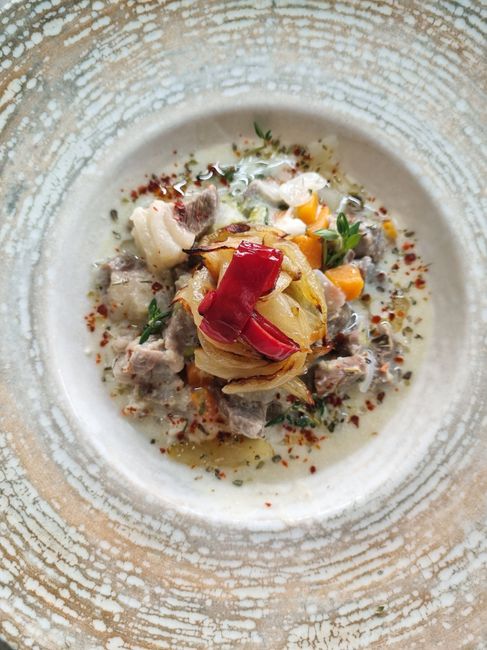
Chef John’s Beef and Barley Stew: A Culinary Masterclass in Hearty Comfort
Chef John’s Beef and Barley Stew stands as a testament to the enduring appeal of simple, yet profoundly satisfying, comfort food. This recipe, a cornerstone in many home kitchens and a celebrated dish for its rich flavor profile and nourishing qualities, elevates humble ingredients into a culinary masterpiece. The stew’s inherent heartiness stems from its core components: tender chunks of beef, plump, chewy barley, and a robust broth infused with aromatic vegetables. This is not a dish to be rushed; rather, it’s an exercise in patience and flavor development, where time and heat transform raw ingredients into a symphony of taste and texture. Understanding the nuances of each element is key to unlocking the full potential of Chef John’s Beef and Barley Stew, making it a perennial favorite for those seeking warmth and sustenance, particularly during colder months. The beauty of this stew lies in its adaptability, allowing for personal touches while remaining true to its foundational principles of deep flavor and comforting satiety.
The foundation of Chef John’s Beef and Barley Stew is, without question, the beef. The choice of cut is paramount for achieving the desired tenderness and depth of flavor. Tougher cuts, like chuck roast, brisket, or even beef shank, are ideal. These cuts are rich in connective tissue, which breaks down during the slow cooking process, rendering the meat exceptionally tender and contributing a gelatinous richness to the broth. This process is what differentiates a truly great stew from an merely adequate one. When searing the beef, a high heat is crucial. This Maillard reaction, a chemical process responsible for browning food, creates complex flavors and a desirable crust on the exterior of the beef. This browning is not just for aesthetics; it’s a vital flavor-building step that imparts a nutty, savory depth to the entire stew. Properly searing the beef in batches, avoiding overcrowding the pan, ensures that each piece develops a beautiful brown exterior without steaming. This attention to detail at the initial stage sets the tone for the entire dish. The size of the beef chunks should be substantial enough to withstand the long cooking time without disintegrating, typically cut into 1-inch to 1.5-inch cubes. This ensures that each bite offers a satisfying chew and a burst of savory beef flavor.
Barley, the namesake grain, plays an equally critical role in Chef John’s Beef and Barley Stew. Pearled barley is the most common choice, as it has had its outer husk removed, allowing it to cook more quickly and develop a pleasant chewiness. While hulled barley offers more fiber and a nuttier flavor, it requires a significantly longer cooking time and can sometimes remain too firm. The ratio of barley to liquid is important; too little barley, and the stew will be thin; too much, and it can become overly thick and gummy. The barley absorbs the rich flavors of the broth as it cooks, becoming plump and contributing a satisfying texture that complements the tender beef. It’s often recommended to rinse the barley before adding it to the stew to remove any excess starch, which can contribute to a gluey consistency. Some chefs also advocate for toasting the barley lightly in the pot before adding the liquid, further enhancing its nutty flavor profile. The gentle simmer allows the barley to release its starches gradually, thickening the stew naturally and creating that signature luscious texture that makes this dish so comforting. The textural contrast between the tender beef and the slightly firm, chewy barley is a hallmark of this classic stew.
The aromatic base, often referred to as a mirepoix, is the unsung hero of many stews, and Chef John’s Beef and Barley Stew is no exception. This classic combination of finely diced onions, carrots, and celery forms the flavor bedrock of the dish. These vegetables, when sautéed until softened and slightly caramelized, release their natural sweetness and savory notes, building layers of flavor that permeate the entire stew. The onions provide a foundational sweetness, the carrots add a subtle earthiness and a touch of sweetness, and the celery contributes a mild, herbaceous note that balances the richness of the beef. Beyond the mirepoix, the addition of garlic is essential for its pungent, savory depth. Minced garlic, sautéed briefly until fragrant, infuses the stew with its characteristic aroma and taste. The order of sautéing is important; onions and celery are often cooked first to soften and release their moisture, followed by carrots which require a slightly longer cooking time, and finally garlic, which can burn if added too early. This careful layering of aromatics ensures a well-rounded and deeply flavorful stew.
The liquid component of Chef John’s Beef and Barley Stew is crucial for both flavor and texture. A good quality beef broth or stock is the ideal choice. Homemade beef stock, simmered for hours with bones and aromatics, will yield the most profound flavor, but high-quality store-bought broth can also be used. The broth not only provides the liquid medium for cooking but also carries and melds all the individual flavors together. Some recipes also incorporate a touch of tomato paste, which, when sautéed with the vegetables, deepens the umami notes and adds a subtle tang that brightens the overall flavor profile. A splash of red wine is another common addition, particularly in more traditional European-inspired versions. The wine, when reduced, adds a complex layer of acidity and depth, its tannins helping to tenderize the beef and its fruit notes complementing the richness of the meat. The alcohol evaporates during cooking, leaving behind its desirable flavor compounds. The simmering process allows these liquids to reduce and concentrate, intensifying the flavors and creating the signature thick, unctuous consistency of a well-executed stew.
Beyond the core ingredients, a variety of herbs and spices elevate Chef John’s Beef and Barley Stew to new heights. Thyme and bay leaves are classic companions to beef stews, their earthy and slightly peppery notes harmonizing beautifully with the richness of the meat. A sprig of fresh thyme, added during the simmering process, releases its fragrant oils slowly, infusing the broth with its signature aroma. Bay leaves, while potent, should be used judiciously and removed before serving, as their flavor can become overwhelming if left in too long. Black pepper, freshly ground, adds a subtle warmth and bite. Some variations may include a pinch of smoked paprika for a hint of smoky depth or a dash of Worcestershire sauce for an extra layer of umami and tang. The key is to use these flavor enhancers to complement, not overpower, the natural flavors of the beef, barley, and vegetables. The slow cooking process allows these spices to meld and meld, becoming an integral part of the stew’s complex flavor profile.
The cooking method for Chef John’s Beef and Barley Stew is typically a slow simmer. Whether undertaken on the stovetop in a heavy-bottomed pot or Dutch oven, or in a slow cooker or oven, the principle remains the same: low and slow heat. This gentle cooking allows the tough connective tissues in the beef to break down, resulting in fork-tender meat. It also gives the flavors ample time to meld and deepen. A Dutch oven is particularly well-suited for this task, as its heavy construction ensures even heat distribution and retention, preventing scorching and promoting consistent simmering. The lid should be kept on, trapping steam and moisture, which keeps the stew from drying out and allows the ingredients to cook in their own juices. The cooking time can vary, but generally ranges from 2 to 4 hours, or until the beef is tender and the barley is cooked through. Regular checks for liquid levels are advisable, and if the stew becomes too thick, additional broth or water can be added. The goal is a rich, thick stew that coats the back of a spoon.
Serving Chef John’s Beef and Barley Stew is an occasion in itself. It is best enjoyed piping hot, allowing its comforting aromas to fill the air. While delicious on its own, it is often served with crusty bread for dipping, its absorbent texture perfect for soaking up every last drop of the flavorful broth. A dollop of sour cream or a sprinkle of fresh parsley can add a touch of brightness and visual appeal. For a more substantial meal, it can be served alongside a simple green salad or mashed potatoes. The inherent heartiness of the stew means it’s a complete meal in a bowl, satisfying and nourishing. Leftovers are often even better, as the flavors continue to meld and deepen overnight. Reheating should be done gently on the stovetop or in the oven to preserve the texture of the beef and barley. The enduring popularity of this dish is a testament to its ability to provide comfort, warmth, and a profound sense of culinary satisfaction, making it a timeless classic in the realm of hearty, home-style cooking. The careful balance of ingredients, the patient cooking process, and the resulting depth of flavor are what solidify Chef John’s Beef and Barley Stew as an indispensable recipe for any home cook.


