
Chewy Peanut Butter Chocolate Chip Cookies

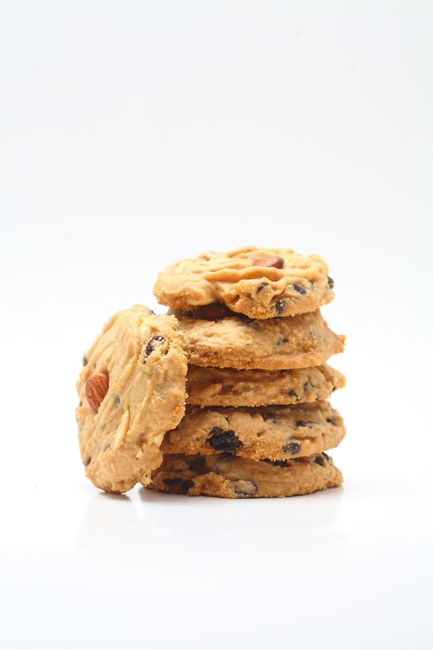
The Ultimate Guide to Chewy Peanut Butter Chocolate Chip Cookies: Achieving Bakery-Quality Perfection at Home
Achieving the perfect chewy peanut butter chocolate chip cookie is a culinary quest for many home bakers. It’s a delicate balance of textures and flavors, where the rich nuttiness of peanut butter meets the sweet intensity of chocolate, all bound together by a dough that’s yielding yet structured. This comprehensive guide dissects the science and art behind creating these beloved cookies, offering actionable advice, troubleshooting tips, and a deep dive into the ingredient interactions that contribute to that sought-after chewy texture. We will explore the critical role of each ingredient, the impact of baking techniques, and how to tailor your recipe for consistent, bakery-quality results. Forget flat, crumbly disappointments; this article is your roadmap to consistently delicious, irresistibly chewy peanut butter chocolate chip cookies.
Deconstructing the Chewy Texture: The Foundation of Great Cookies
The chewiness of a cookie is not an accident; it’s a direct consequence of ingredient ratios and baking science. The primary culprits behind a chewy cookie are sugar, fat, and moisture.
Sugar’s Dual Role: Sugars, particularly brown sugar, are paramount to chewiness. Brown sugar contains molasses, which is hygroscopic, meaning it attracts and retains moisture. This increased moisture content in the dough, and subsequently the baked cookie, directly contributes to a softer, chewier texture. White granulated sugar, on the other hand, contributes to crispiness. A higher ratio of brown sugar to white sugar is a fundamental principle for chewy cookies. Furthermore, sugar contributes to browning through the Maillard reaction, which adds flavor complexity.
The Fat Factor: Fat, primarily butter and peanut butter, tenderizes the cookie. Fat coats flour particles, inhibiting gluten development. Less gluten means a more tender cookie. The type of fat also plays a role. Melted butter, as opposed to creamed butter, can lead to a chewier cookie because it incorporates less air into the dough, resulting in a denser, flatter cookie with more surface area for moisture retention. Unsalted butter is generally preferred to control the salt content precisely.
Moisture Management: The presence and retention of moisture are key. Over-baking is the arch-nemesis of chewiness, as it evaporates crucial moisture. Under-baking, conversely, can result in a doughy, uncooked center. The goal is to bake the cookies until the edges are set and lightly golden brown, while the centers still appear slightly underdone. This residual heat will continue to cook the cookies as they cool on the baking sheet.
Ingredient Deep Dive: Optimizing for Flavor and Texture
Each ingredient in a peanut butter chocolate chip cookie recipe contributes significantly to the final outcome. Understanding their roles allows for informed adjustments and troubleshooting.
Peanut Butter: The Heart of the Flavor: The type of peanut butter used dramatically impacts flavor and texture.
- Creamy vs. Chunky: Creamy peanut butter generally yields a smoother, chewier cookie. Chunky peanut butter can introduce pockets of texture and can affect the even distribution of fat.
- Natural vs. Conventional: Natural peanut butters, especially those with only peanuts and salt, can be oilier. This excess oil can spread the cookies more and affect their structure. Conventional peanut butters, which often contain stabilizers like hydrogenated vegetable oil, tend to create a more consistent texture. For optimal chewiness, a conventional, creamy peanut butter is often recommended.
- Salted vs. Unsalted: Most recipes call for unsalted butter to allow for precise salt control. If using salted peanut butter, you’ll need to adjust the added salt in the recipe accordingly to avoid an overly salty cookie.
Flour: The Structural Backbone: All-purpose flour provides the structure. Its protein content develops gluten when hydrated and mixed.
- Gluten Development: Over-mixing the dough can lead to excessive gluten development, resulting in tough, cakey cookies. Mixing until just combined is crucial.
- Flour Type: While all-purpose flour is standard, some bakers experiment with bread flour (higher protein, more gluten) for a chewier result or cake flour (lower protein, less gluten) for a softer, more cake-like cookie. For the ideal chew, all-purpose flour is the safest bet.
Sugars: The Sweet and Chewy Architects:
- Brown Sugar (Light vs. Dark): Light brown sugar contains less molasses than dark brown sugar. Dark brown sugar will impart a deeper, richer molasses flavor and a more pronounced chewiness due to its higher moisture content.
- Granulated Sugar: This contributes to spread and crispiness. A balance between brown and granulated sugar is essential. Recipes that lean heavily on brown sugar will be chewier.
Fat: The Tenderizer and Flavor Enhancer:
- Butter: Unsalted butter is the gold standard. Its fat content and flavor are crucial. The temperature of the butter matters. Softened butter (room temperature) is ideal for creaming with sugar, incorporating air for a lighter texture. Melted butter, however, leads to less air incorporation and a denser, chewier cookie.
- Peanut Butter: As discussed, this contributes fat, flavor, and moisture.
Eggs: The Binder and Enricher:
- Egg Yolks: Yolks are rich in fat and lecithin, contributing to tenderness and chewiness. They also add richness and a deeper color.
- Egg Whites: Whites are primarily protein and water. Too many egg whites can lead to a cakier texture. Some recipes call for an extra egg yolk or omit one egg white to enhance chewiness.
Leavening Agents: The Lift and Spread Controllers:
- Baking Soda: This is an alkaline ingredient that reacts with acidic components in the dough (like brown sugar) to produce carbon dioxide gas, causing the cookies to spread and brown. Too much baking soda can lead to a bitter taste and excessive spread.
- Baking Powder: Contains both an acid and a base, producing leavening in two stages. It generally contributes to a cakier texture. For chewy cookies, baking soda is typically the primary leavening agent.
Chocolate Chips: The Indulgent Contrast: The quality and type of chocolate chips are subjective but impactful.
- Semi-Sweet vs. Milk Chocolate: Semi-sweet chips offer a pleasant contrast to the sweetness of the cookie dough. Milk chocolate will be sweeter.
- Chip Size: Larger chips create more concentrated pockets of chocolate. Smaller chips distribute more evenly.
- Quality: Good quality chocolate will melt and create a more luxurious experience.
Salt: The Flavor Enhancer: Salt is not just for savory dishes. In cookies, it balances sweetness, intensifies flavors, and can even affect gluten development. Don’t skip it!
The Art of Cookie Assembly: Techniques for Optimal Texture
Beyond the ingredients, the method of preparation and baking plays a pivotal role in achieving that coveted chewy texture.
Creaming vs. Melding:
- Creaming Butter and Sugar: This traditional method involves beating softened butter and sugar together until light and fluffy. This process incorporates air, leading to a cakier, lighter cookie.
- Melting Butter: For maximum chewiness, many recipes opt for melted butter. This results in less air incorporated into the dough, leading to a denser, flatter cookie that holds its moisture better. Some recipes suggest melting the butter and then allowing it to cool slightly before incorporating it with the sugars.
Dough Hydration and Resting:
- Dough Consistency: The dough should be thick and hold its shape, not too wet or too dry.
- Chilling the Dough: This is a critical step for many chewy cookie recipes. Chilling the dough allows the flour to hydrate fully, the fats to solidify, and the flavors to meld. This leads to a cookie that spreads less during baking, resulting in a thicker, chewier cookie with a more intense flavor. A minimum of 30 minutes is recommended, but chilling for several hours or even overnight can yield superior results.
Portioning and Shaping:
- Uniform Size: Use a cookie scoop or spoons to ensure cookies are of uniform size. This promotes even baking.
- Rolling into Balls: Rolling the dough into balls before baking is essential. This creates a consistent shape and allows the edges to set while the center remains soft. Avoid flattening the balls too much, as this can lead to excessive spread and crispiness.
Baking Parameters: The Final Frontier of Chewiness
The oven is where the magic (or disaster) happens. Precise control over baking is paramount.
Oven Temperature: A moderately hot oven (350-375°F or 175-190°C) is generally ideal. Too low a temperature will cause the cookies to spread too much and become thin and crispy. Too high a temperature can lead to burnt edges and an undercooked center.
- Oven Calibration: Ovens can be notoriously inaccurate. Using an oven thermometer to ensure the correct temperature is crucial.
Baking Time: The Sweet Spot: This is arguably the most critical factor.
- Visual Cues: Bake the cookies until the edges are set and lightly golden brown, while the centers still look soft and slightly underbaked. The cookies will continue to cook on the hot baking sheet after being removed from the oven.
- Don’t Overbake: This is the cardinal sin of chewy cookie making. Err on the side of underbaking if you are unsure.
Cooling Process:
- On the Baking Sheet: Allow the cookies to cool on the baking sheet for 5-10 minutes. This allows them to set and firm up, preventing them from falling apart when transferred.
- On a Wire Rack: Transfer the cookies to a wire rack to cool completely. This prevents the bottoms from becoming soggy.
Troubleshooting Common Cookie Calamities
Even with the best intentions, cookie baking can present challenges. Here are solutions to common problems encountered when aiming for chewy peanut butter chocolate chip cookies.
-
Cookies are Spreading Too Much and Becoming Flat and Crispy:
- Cause: Too much butter, too much sugar (especially granulated), not enough flour, over-creaming of butter and sugar, oven too hot, dough too warm.
- Solution: Chill the dough thoroughly. Ensure your butter isn’t too soft or melted if the recipe calls for softened. Measure flour accurately, spooning it into the measuring cup and leveling it off rather than scooping directly from the bag. Use a recipe with a higher ratio of brown sugar to white sugar. Ensure your oven temperature is accurate.
-
Cookies are Cakey and Dry:
- Cause: Too much flour, too much leavening (especially baking powder), over-mixing, over-baking.
- Solution: Measure flour accurately. Reduce baking powder if using. Mix dough only until combined. Do not over-bake. Consider adding an extra egg yolk.
-
Cookies are Burnt on the Edges and Undercooked in the Center:
- Cause: Oven temperature too high, baking for too long.
- Solution: Calibrate your oven with an oven thermometer. Reduce baking time and rely on visual cues. If your oven has hot spots, rotate the baking sheets halfway through.
-
Peanut Butter Flavor is Lacking:
- Cause: Using a mild peanut butter, not enough peanut butter.
- Solution: Use a good quality, flavorful peanut butter. Ensure you’re measuring accurately. Consider using a combination of creamy and crunchy peanut butter for added flavor complexity.
-
Cookies are Too Salty:
- Cause: Using salted butter and salted peanut butter without adjusting added salt.
- Solution: Always use unsalted butter. Carefully measure salt. If using salted peanut butter, omit or significantly reduce the added salt.
Achieving Bakery-Quality Chewiness: Advanced Tips and Variations
For those seeking to elevate their chewy peanut butter chocolate chip cookie game even further, consider these advanced techniques and variations.
- Browned Butter: Browning the butter before incorporating it into the dough adds a nutty, complex flavor that complements peanut butter beautifully. This process also slightly alters the water content of the butter, contributing to a chewier cookie.
- Flaky Sea Salt Finish: A sprinkle of flaky sea salt on top of the cookies before baking enhances the sweet and salty contrast and adds a delightful textural element.
- Mix-Ins: Beyond standard chocolate chips, consider adding chopped peanut butter cups, toffee bits, or a swirl of caramel for added indulgence and texture.
- High-Quality Ingredients: Investing in good quality butter, chocolate, and peanut butter can significantly elevate the overall flavor profile of your cookies.
- Experimentation with Sugar Ratios: Once you’ve mastered the basic recipe, play with the ratio of brown sugar to granulated sugar. A slight increase in brown sugar can further enhance chewiness.
- No-Bake Peanut Butter Chocolate Chip Cookies: While not baked, these offer a different kind of chewiness. They rely on oats, peanut butter, and a binder like honey or syrup.
The SEO Advantage: Keywords and Content Structure
This article is designed with SEO in mind. Key phrases like "chewy peanut butter chocolate chip cookies," "best peanut butter cookie recipe," "how to make chewy cookies," "easy peanut butter chocolate chip cookies," and "bakery-quality cookies" are integrated naturally throughout the text. The structured format, using headings and subheadings, improves readability for both users and search engines, allowing for easy scanning and indexing. The comprehensive nature of the content, covering ingredients, techniques, and troubleshooting, aims to establish this article as a definitive resource for anyone searching for information on this popular cookie.
Conclusion: The Rewarding Pursuit of Perfect Chewy Cookies
Mastering the art of the chewy peanut butter chocolate chip cookie is a rewarding endeavor that yields consistently delicious results. By understanding the fundamental principles of sugar, fat, and moisture, carefully selecting and preparing your ingredients, and employing precise baking techniques, you can transform your home kitchen into a purveyor of these beloved treats. Embrace the process, learn from any missteps, and most importantly, enjoy the irresistible chew and rich flavor of your perfectly crafted peanut butter chocolate chip cookies.


