
Chicken And Turkey Marinade

Unlock Flavor: The Ultimate Guide to Chicken and Turkey Marinades for Unforgettable Meals
Marinades are the unsung heroes of poultry preparation, transforming ordinary chicken and turkey into culinary masterpieces. A well-crafted marinade not only infuses meat with vibrant flavor but also tenderizes it, creating a juicier, more succulent final product. Understanding the fundamental components of a marinade and how they interact with poultry is crucial for achieving consistently delicious results. At its core, a successful marinade is a balanced blend of an acid, an oil, and flavorings. The acid, whether it be vinegar, citrus juice, or even yogurt, plays a vital role in breaking down the tough connective tissues within the meat, thereby tenderizing it. However, excessive marinating in highly acidic solutions can lead to a mushy texture, so moderation and appropriate marinating times are key. The oil acts as a conduit, helping to distribute the fat-soluble flavor compounds from the herbs, spices, and aromatics throughout the meat. It also prevents the poultry from drying out during cooking. Finally, the flavorings are where the creativity truly shines, allowing for an endless array of taste profiles, from bright and zesty to rich and savory, and even sweet and spicy.
The science behind effective marinades involves the principles of osmosis and protein denaturation. Acids in the marinade work by denaturing the proteins in the meat, essentially unfolding them. This process makes the protein strands more accessible to other ingredients in the marinade, allowing for deeper flavor penetration. Simultaneously, osmosis facilitates the movement of flavorful molecules from the marinade into the meat. The salt content of a marinade also plays a significant role. Salt not only enhances the inherent savory notes of the chicken or turkey but also helps to draw moisture into the meat, contributing to its juiciness. This is often referred to as a "brining effect" within the marinade. Enzymes, present in ingredients like pineapple or papaya juice (though these should be used with caution due to their potent tenderizing capabilities), can also accelerate the breakdown of proteins. When formulating a chicken or turkey marinade, consider the cooking method. For grilling, marinades with higher oil content are beneficial for preventing sticking and promoting char. For baking or roasting, a more balanced approach might be preferred. For pan-searing, a marinade that creates a flavorful crust is ideal.
Acidic components are fundamental to the tenderizing action of marinades. Common acidic bases include: Citrus Juices: Lemon, lime, orange, and grapefruit juices offer a bright, tangy flavor that cuts through the richness of poultry. Their natural acidity breaks down muscle fibers effectively. Vinegars: White wine vinegar, red wine vinegar, balsamic vinegar, apple cider vinegar, and rice vinegar provide a range of flavor profiles from sharp and clean to sweet and complex. Each type of vinegar will impart a distinct nuance to the final dish. Dairy Products: Yogurt and buttermilk, due to their lactic acid content, provide a gentler yet effective tenderizing effect, while also contributing a creamy richness that is particularly well-suited for chicken. Wine and Beer: While primarily for flavor, the alcohol and organic acids present in wine and beer can also contribute to tenderization. White wines are often preferred for chicken, while richer red wines can complement turkey.
Oils are crucial for distributing fat-soluble flavors and preventing dryness. The type of oil used will influence the overall flavor profile: Olive Oil: Extra virgin olive oil offers a robust, fruity flavor that pairs well with Mediterranean and Italian-inspired marinades. Regular olive oil provides a milder taste. Vegetable Oil: Neutral-flavored oils like canola, sunflower, or grapeseed oil are excellent choices when you want the other marinade ingredients to shine without competing oil flavors. Sesame Oil: Toasted sesame oil, used in smaller quantities, imparts a distinct nutty, aromatic flavor, often found in Asian-inspired marinades. Avocado Oil: This oil has a high smoke point, making it suitable for marinades intended for high-heat cooking methods like grilling.
Flavorings are the heart of any marinade, offering endless possibilities. They can be broadly categorized: Herbs (Fresh and Dried): Rosemary, thyme, sage, oregano, basil, parsley, cilantro, and dill are just a few of the many herbs that add aromatic depth. Fresh herbs generally offer a brighter, more vibrant flavor than dried. Spices: Black pepper, white pepper, paprika, cumin, coriander, chili powder, cayenne pepper, garlic powder, and onion powder provide warmth, heat, and complexity. Grinding whole spices just before use maximizes their aromatic potential. Aromatics: Garlic (minced or crushed), ginger (freshly grated), onions (diced or pureed), and shallots are foundational flavor builders that infuse marinades with pungent, savory notes. Sweeteners: Honey, maple syrup, brown sugar, and molasses can balance acidity, promote caramelization during cooking, and add a subtle sweetness. Umami Boosters: Soy sauce, Worcestershire sauce, fish sauce, and miso paste deliver rich, savory depth and complexity. Heat Elements: Fresh chilies (like jalapeños or serranos), chili flakes, or hot sauces can introduce a pleasant level of spiciness.
When creating a chicken marinade, consider its versatility. Chicken breast, being leaner, benefits from marinades that introduce moisture and flavor without being overly heavy. A lemon-herb marinade with olive oil, garlic, rosemary, and thyme is a classic for grilled or baked chicken breast. For chicken thighs, which have more fat, you can be more adventurous with richer marinades, perhaps incorporating soy sauce, ginger, and garlic for an Asian-inspired flavor, or a smoky paprika and cumin blend for a Spanish flair. The key for chicken is to match the marinade’s intensity to the cut of meat and the desired cooking method. Chicken absorbs marinades relatively quickly compared to turkey, so marinating times for chicken are generally shorter.
Turkey, particularly larger cuts like whole birds or turkey breasts, demands marinades that can penetrate deeply and tenderize effectively. The dense muscle fibers of turkey can benefit from longer marinating times and more robust acidic components. A classic brine-like marinade, incorporating salt, sugar, herbs, and aromatics, is excellent for whole turkeys, ensuring even seasoning and moisture retention. For turkey breasts, a marinade with yogurt, lemon juice, garlic, and herbs can provide both tenderization and a bright, flavorful crust. Consider the cooking time for turkey. Marinades with high sugar content can burn easily on the grill, so adjust accordingly. For roasting, a flavorful glaze-like marinade that can caramelize beautifully is a great option. Remember that turkey, especially breast meat, can dry out easily, so ensuring your marinade contributes to moisture retention is paramount.
Classic Lemon-Herb Marinade for Chicken: This timeless marinade is incredibly versatile. Combine 1/2 cup olive oil, 1/4 cup fresh lemon juice, 4 cloves minced garlic, 2 tablespoons chopped fresh rosemary, 2 tablespoons chopped fresh thyme, 1 teaspoon salt, and 1/2 teaspoon black pepper. This is ideal for chicken breasts, thighs, or whole spatchcocked chicken, and can be marinated for 30 minutes to 4 hours.
Smoky Paprika and Cumin Marinade for Chicken Thighs: This marinade is perfect for grilling or roasting. Whisk together 1/3 cup olive oil, 2 tablespoons lime juice, 1 tablespoon smoked paprika, 1 teaspoon cumin, 1/2 teaspoon chili powder, 1/4 teaspoon cayenne pepper (optional), 2 cloves minced garlic, salt, and pepper to taste. Marinate chicken thighs for 1 to 4 hours.
Asian-Inspired Soy-Ginger Marinade for Chicken or Turkey: This marinade offers a savory and aromatic profile. Combine 1/4 cup soy sauce, 2 tablespoons rice vinegar, 1 tablespoon sesame oil, 1 tablespoon grated fresh ginger, 2 cloves minced garlic, 1 tablespoon honey or brown sugar, and 1/2 teaspoon red pepper flakes (optional). Marinate chicken for 30 minutes to 2 hours, and turkey for 1 to 6 hours.
Yogurt-Marinated Turkey Breast with Garlic and Dill: This offers a wonderfully tender and flavorful turkey breast. Mix 1 cup plain yogurt, 3 tablespoons lemon juice, 4 cloves minced garlic, 2 tablespoons chopped fresh dill, 1 teaspoon salt, and 1/2 teaspoon black pepper. Marinate turkey breast for 2 to 8 hours.
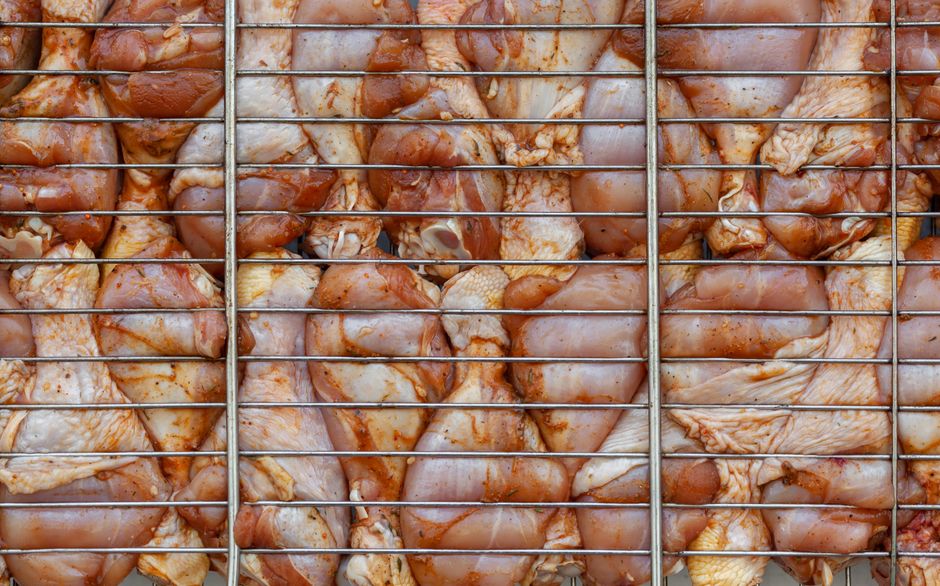
Spicy Buffalo Marinade for Chicken Wings or Drumsticks: For a kick of heat. Combine 1/2 cup hot sauce (like Frank’s RedHot), 1/4 cup melted butter, 2 tablespoons white vinegar, 1 tablespoon Worcestershire sauce, 1 clove minced garlic, and a pinch of cayenne pepper. Marinate chicken pieces for at least 30 minutes, and up to 4 hours.
The optimal marinating time is a critical factor that directly impacts the texture and flavor of the poultry. It’s a balance: too little time, and the flavors won’t penetrate deeply enough; too much time, and the meat can become mushy, especially with acidic marinades. For chicken breast and thighs, a marinating time of 30 minutes to 4 hours is generally sufficient. Delicate cuts like chicken tenders might only need 15-30 minutes. For larger chicken pieces or whole chickens, you can extend this to 6-12 hours, especially if the marinade is not overly acidic. Turkey, with its denser muscle structure, typically requires longer marinating periods. Turkey breasts can benefit from 2 to 8 hours of marinating. Whole turkeys, or large turkey roasts, can be marinated for as long as 12 to 24 hours, provided the marinade is balanced and not excessively acidic. Always store marinated poultry in the refrigerator.
Several factors influence how effectively a marinade penetrates the meat. The size and cut of the poultry are paramount. Smaller, thinner pieces will absorb marinades more quickly than larger, thicker cuts. Scoring the surface of the meat with a knife or fork can create more surface area for the marinade to penetrate. This is particularly useful for denser cuts of turkey. The temperature of the marinade and the meat also plays a role. Marinating at room temperature for a short period (no more than 30 minutes) can slightly accelerate penetration, but for longer marinating times, refrigeration is essential for food safety. Agitating or turning the meat periodically during marinating ensures even exposure to the marinade.
Marinade disposal is a crucial aspect of food safety. Any marinade that has come into contact with raw poultry must be treated as a potential source of foodborne illness. Never reuse marinade that has touched raw meat without boiling it vigorously for at least 5 minutes to kill any bacteria. Even then, it’s generally recommended to discard raw meat marinades to minimize risk. If you intend to use some of the marinade as a sauce, it’s best to reserve a portion of the marinade before adding the raw poultry. This "clean" portion can then be safely reduced and seasoned for serving. Alternatively, bring the used marinade to a rolling boil for a minimum of five minutes to ensure any harmful bacteria are destroyed before using it as a sauce or glaze.
Exploring diverse global flavors can elevate your chicken and turkey dishes. Consider: Mediterranean: Lemon, garlic, oregano, thyme, olive oil, and a touch of red pepper flakes. Mexican: Lime juice, chili powder, cumin, cilantro, garlic, and onion. Thai: Soy sauce, lime juice, ginger, garlic, chili, and cilantro. Indian: Yogurt, ginger, garlic, garam masala, cumin, turmeric, and chili powder. Italian: Olive oil, balsamic vinegar, garlic, rosemary, thyme, and basil. Each region offers a unique palate that can be adapted to your poultry.
Beyond the standard ingredients, some additions can enhance marinades. Mustard: Dijon or whole-grain mustard adds tang and emulsification properties. Worcestershire Sauce: A complex umami flavor. Anchovy Paste: A potent umami booster, use sparingly. Fruit Zests: Orange or lemon zest adds intense aromatic oils. Spicy Elements: Fresh chilies, hot sauces, or chili pastes. Broth: Chicken or vegetable broth can extend the volume of a marinade and add subtle flavor.
When grilling chicken or turkey, marinades contribute significantly to flavor and prevent sticking. High-oil marinades are beneficial here. A slightly higher sugar content can promote caramelization and attractive grill marks, but be mindful of burning. For tougher cuts, ensuring adequate tenderization through the marinade is crucial for a pleasant grilling experience.
For baking and roasting, marinades can infuse flavor deep into the meat and contribute to a moist outcome. Marinades with a good balance of acid and oil are generally suitable. They can also form the base for delicious pan sauces after cooking. Allowing the marinated poultry to come to room temperature for about 30 minutes before baking can promote more even cooking.
Pan-searing requires a marinade that creates a flavorful crust. Marinades with sugar or honey can caramelize beautifully, creating a delectable outer layer. Ensure your pan is sufficiently hot to achieve a good sear without burning the marinade. For pan-fried chicken, a slightly thicker marinade or a glaze can be beneficial.
The concept of "dry brining" is a popular alternative or complement to wet marinades. Dry brining involves seasoning poultry with salt, sugar, and spices and letting it rest uncovered in the refrigerator for an extended period. This process draws moisture out of the meat initially, then the salt dissolves into that moisture, creating a concentrated brine within the meat itself. This results in deeply seasoned and exceptionally moist poultry. You can combine elements of dry brining with a light marinade applied shortly before cooking for added flavor complexity.
Understanding the interplay of ingredients and their effect on poultry is the foundation of successful marinades. By mastering the principles of acidity, oil, and flavoring, and by paying attention to marinating times and cooking methods, you can consistently produce chicken and turkey dishes that are not only flavorful but also tender and juicy. Experimentation is encouraged; don’t be afraid to adjust classic recipes or create your own unique flavor combinations to suit your preferences and the occasion. The humble marinade is a powerful tool in any home cook’s arsenal, capable of transforming the everyday into the extraordinary.


