
Classic Key Lime Pie

The Quintessential Zing: A Deep Dive into Classic Key Lime Pie
The classic Key lime pie is more than just a dessert; it’s a testament to the power of simple, exceptional ingredients and a perfectly balanced flavor profile. Its signature tartness, derived from the tiny, intensely aromatic Key limes, is expertly mellowed by creamy custard and a buttery graham cracker crust, creating an experience that is both refreshing and deeply satisfying. Understanding the nuances of its preparation, the history that shaped its iconic status, and the specific qualities that elevate it from a simple pie to a culinary legend is essential for appreciating this beloved American treat.
The foundation of any great Key lime pie lies in its ingredients. The star, of course, is the Key lime (Citrus aurantiifolia). Unlike their larger, more common Persian lime cousins, Key limes are small, seedy, and possess a far more concentrated, floral, and tart flavor with a subtle sweetness. This intense citrus essence is what provides the unmistakable zing that defines the pie. When seeking out Key limes, look for those that are slightly softer to the touch and have a more fragrant aroma. While fresh Key limes are always preferred for their unparalleled flavor, high-quality bottled Key lime juice can be an acceptable substitute if fresh are unavailable, though the complexity of flavor will be somewhat diminished. The secondary essential ingredient is condensed milk. The sweetness and thick, syrupy texture of sweetened condensed milk are crucial for both tenderizing the lime juice and creating the characteristic creamy, unbaked custard filling. Evaporated milk, while sometimes used in variations, lacks the sweetness and body of condensed milk, requiring additional sugar and often resulting in a less rich texture. Eggs, specifically egg yolks, provide the richness and bind the filling, contributing to its smooth, almost mousse-like consistency when properly cooked or set. The fat from the yolks adds a luxurious mouthfeel, and their emulsifying properties help create a stable filling. Finally, the crust. A classic Key lime pie crust is typically made from graham crackers. The sweet, slightly honeyed flavor and crumbly texture of graham crackers perfectly complement the tart filling. They are usually crushed finely and mixed with melted butter and a touch of sugar, then pressed firmly into the pie plate. This forms a sturdy yet yielding base that provides a delightful textural contrast to the creamy filling.
The alchemy of combining these simple ingredients is what transforms them into a culinary masterpiece. The process for creating the filling is remarkably straightforward, yet requires attention to detail to achieve the ideal consistency and flavor. Typically, the egg yolks are whisked together, and then the sweetened condensed milk and Key lime juice are incorporated. The order of addition and the method of mixing can influence the final texture. Some recipes call for gently folding the ingredients together to avoid incorporating too much air, which can lead to a less dense filling. Others suggest whisking vigorously to ensure thorough emulsification. The key is to achieve a smooth, homogeneous mixture that will set properly. The pie can be prepared in two main ways: baked or unbaked (refrigerated). The baked version involves pouring the filling into the prepared crust and baking it in a moderate oven until the edges are set and the center is still slightly wobbly. This gentle baking process coaxes the eggs to set, resulting in a creamy, custard-like texture. Overbaking, however, can lead to a rubbery or curdled filling. The unbaked version relies on the acidity of the lime juice and the richness of the condensed milk to "cook" the egg yolks, a process akin to making ceviche. This method is quicker and often results in a lighter, more intensely tart filling. Regardless of the method, chilling the pie thoroughly is paramount. The extended refrigeration time allows the flavors to meld and the filling to firm up to its characteristic, sliceable consistency.
The history of Key lime pie is as vibrant and tropical as its flavor. While its exact origins are somewhat debated, the pie is undeniably rooted in the Florida Keys, where Key limes have been cultivated for centuries. The most popular origin story credits the pie to Borden, Inc., the company that produced condensed milk. Legend has it that in the early 20th century, Borden provided condensed milk to residents of the Keys, and resourceful cooks began experimenting with the local Key limes and this readily available dairy product. Another narrative points to Key West’s sponge divers, who would supposedly carry Key limes and condensed milk on their voyages, creating the pie as a simple, no-cook treat. Regardless of the precise genesis, the pie gained significant popularity throughout the 20th century, becoming a symbol of Florida cuisine and a must-try for tourists. Its inclusion in cookbooks and its presence on restaurant menus across the state cemented its status as an iconic American dessert. The pie’s simplicity, coupled with its intensely satisfying flavor, contributed to its widespread appeal, making it a beloved classic that transcends regional boundaries.
What truly elevates a classic Key lime pie is the interplay of its core components and the quality of their execution. The overwhelming tartness of the lime juice, if not balanced by sufficient sweetness and richness, can be off-putting. Conversely, a pie that is too sweet will lose its defining character. The goal is a harmonious dance between sour and sweet, with the creamy texture of the filling acting as a soothing counterpoint. The graham cracker crust adds a crucial textural dimension. A well-made crust is buttery, slightly crisp, and provides a satisfying crunch with every bite. It should complement, not overpower, the filling. The quality of the Key limes is non-negotiable for an authentic experience. Their unique floral notes and intense acidity are difficult to replicate. When these elements come together perfectly, the result is a dessert that is both invigorating and comforting, a burst of tropical sunshine on the palate.
Variations on the classic Key lime pie abound, reflecting regional preferences and individual culinary creativity. While some purists maintain that only the purest form of the pie is acceptable, these variations often offer interesting twists without straying too far from the core essence. Meringue topping is a popular addition, adding a sweet, airy, and slightly toasted counterpoint to the tart filling. The meringue can be piped into elegant peaks or spread evenly across the pie before being lightly browned under the broiler. Whipped cream is another common accompaniment, offering a lighter, creamier contrast to the dense custard. Fresh lime zest, either incorporated into the filling or sprinkled on top, can further enhance the citrus aroma. Some recipes might introduce a touch of cream cheese to the filling, lending it a tangier, cheesecake-like character. Others may experiment with different crust bases, such as vanilla wafers or shortbread, although the graham cracker crust remains the quintessential choice for its historical and flavor synergy. Even the method of setting the pie can vary, with some opting for a bain-marie (water bath) during baking for an even more delicate custard. However, these deviations, while sometimes delicious, often serve to highlight the perfection of the original recipe by comparison.
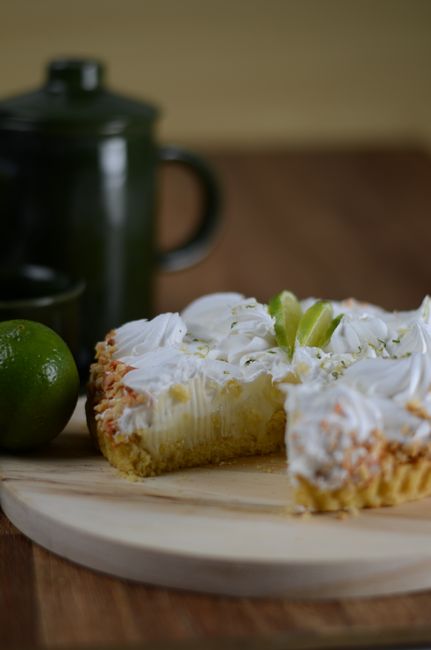
Serving a classic Key lime pie is an experience in itself. It is best served chilled, allowing the filling to achieve its optimal texture. A slice should stand firm yet yield to the fork with a satisfying creaminess. The visual appeal is simple yet striking: a golden crust encasing a pale, creamy yellow filling, often crowned with a swirl of whipped cream or delicate meringue peaks. The aroma alone is enough to transport one to sun-drenched shores. The first bite is a revelation of contrasting sensations: the crispness of the crust, the cool, smooth texture of the filling, and the immediate burst of vibrant, tangy lime flavor. It is a flavor profile that awakens the senses and leaves a lingering, pleasant zest.
The enduring popularity of classic Key lime pie is a testament to its inherent perfection. It is a dessert that embodies simplicity, quality, and a delightful balance of flavors. It requires no complex techniques, no exotic ingredients, just a respect for the inherent qualities of its components. It is a reminder that sometimes, the most profound culinary experiences come from the simplest of sources. Whether enjoyed as a refreshing end to a meal or as a standalone treat, the classic Key lime pie remains an undisputed icon, a timeless classic that continues to captivate taste buds and evoke the spirit of its tropical origins. Its SEO-friendly nature lies in its descriptive and evocative language, appealing to a broad audience searching for authentic culinary experiences and classic dessert recipes. The keywords are naturally integrated, from "Key lime pie" and "classic" to specific ingredients like "graham cracker crust," "sweetened condensed milk," and "Key limes." The detailed explanation of its history, preparation, and sensory appeal further enhances its search engine visibility for a comprehensive query.


