
Corned Beef And Cabbage Shepherds Pie

Corned Beef and Cabbage Shepherd’s Pie: A Hearty and Flavorful Fusion
The traditional Shepherd’s Pie, a comforting dish of minced lamb or beef topped with mashed potatoes, finds a robust and flavorful reimagining in this corned beef and cabbage iteration. This recipe elevates the humble pie with the distinct salty, savory notes of slow-cooked corned beef, the slightly bitter sweetness of softened cabbage, and the creamy, rich embrace of a potato crust. It’s a dish that marries the essence of Irish-American St. Patrick’s Day celebrations with the homestyle appeal of a classic bake, offering a depth of flavor and a satisfying textural contrast that appeals to a wide audience. The SEO potential of this recipe lies in its clear identification of core ingredients, its comforting and nostalgic connotations, and its versatility as a hearty meal, making it a prime candidate for searches related to comfort food, Irish cuisine, St. Patrick’s Day recipes, and creative ways to use leftover corned beef. Understanding the nuances of corned beef preparation, cabbage integration, and the perfect potato topping is crucial for achieving this harmonious blend.
Mastering the Corned Beef: The Foundation of Flavor
The success of this corned beef and cabbage Shepherd’s Pie hinges on the quality and preparation of the corned beef. Traditionally, corned beef is a brisket cut of beef that has been cured in a brine of salt and spices. For this recipe, it’s essential to start with a good quality piece of corned beef, typically weighing between two and three pounds. The curing process imbues the meat with its characteristic savory flavor and tender texture, but it also requires careful cooking to avoid dryness or excessive saltiness. The most common and effective method for cooking corned beef for this purpose is slow simmering. This can be achieved on the stovetop or in a slow cooker, both of which allow the connective tissues to break down, resulting in fork-tender meat.
When cooking corned beef on the stovetop, begin by placing the corned beef in a large pot and covering it with water or, for added flavor, a mixture of water and beef broth. The spice packet that often accompanies pre-packaged corned beef is essential; it typically contains peppercorns, bay leaves, mustard seeds, and cloves, which infuse the meat with aromatics. Bring the water to a boil, then reduce the heat to a gentle simmer. Cover the pot and cook for approximately three to four hours, or until the corned beef is tender enough to be easily pierced with a fork. The cooking liquid should be reserved; it is a flavorful elixir that can be used to moisten the filling and enhance its depth.
For those opting for a slow cooker, the process is even simpler. Place the corned beef in the slow cooker, add the spice packet, and cover with water or broth. Cook on low for six to eight hours or on high for four to five hours, until tender. Again, the cooking liquid is a valuable resource. Once the corned beef is cooked, it’s imperative to let it cool slightly before shredding or dicing it. This allows the juices to redistribute, making the meat more succulent. While some prefer to shred corned beef, others find that dicing it into small, uniform pieces provides a better texture within the pie filling, ensuring a more even distribution of meat throughout the dish.
Integrating the Cabbage: A Sweet and Savory Counterpoint
Cabbage is the natural companion to corned beef, and in this Shepherd’s Pie, it plays a crucial role in balancing the richness of the meat and potato topping. The key to incorporating cabbage effectively is to soften it while retaining a hint of its characteristic crispness and subtle sweetness. Overcooking can result in a mushy, unappetizing texture and a sulfurous aroma.
The best approach is to sauté or steam the cabbage until it is tender-crisp. For sautéing, shred or thinly slice about half a head of green cabbage. Heat a tablespoon or two of butter or oil in a large skillet over medium heat. Add the cabbage and cook, stirring occasionally, for about 5 to 7 minutes, until it begins to soften. Season with salt and pepper. Alternatively, the cabbage can be steamed. Place shredded cabbage in a steamer basket over boiling water and steam for 3 to 5 minutes, until tender-crisp. Some chefs like to add a touch of sugar during the sautéing process to enhance the natural sweetness of the cabbage, further balancing the saltiness of the corned beef. Another consideration is the type of cabbage. While green cabbage is the most common, savoy cabbage, with its crinkled leaves, can also be used and offers a slightly more delicate flavor. The goal is to achieve a tender bite that complements, rather than overpowers, the other elements of the pie.
Crafting the Savory Filling: A Symphony of Flavors
The filling of this corned beef and cabbage Shepherd’s Pie is where the magic truly happens, bringing together the prepared corned beef, softened cabbage, and a savory gravy. After shredding or dicing the cooked corned beef, set it aside. In the same skillet used for the cabbage (or a clean one), melt a tablespoon of butter over medium heat. Add one finely chopped medium onion and sauté until softened and translucent, about 5 minutes. For an extra layer of flavor, add two minced cloves of garlic and cook for another minute until fragrant.
Next, a thickening agent is required for the gravy. All-purpose flour is the standard. Sprinkle about two tablespoons of flour over the sautéed onions and garlic, and cook for one to two minutes, stirring constantly, to cook out the raw flour taste. This creates a roux, which will form the base of the gravy. Gradually whisk in about 1.5 to 2 cups of the reserved corned beef cooking liquid. Continue to whisk until the liquid has thickened into a smooth gravy. If the gravy is too thick, add a little more cooking liquid or beef broth. Season the gravy with salt, black pepper, and a pinch of dried thyme or parsley for added herbaceousness.
Once the gravy is thickened and seasoned, gently fold in the shredded or diced corned beef and the sautéed cabbage. Stir to ensure everything is evenly coated in the savory sauce. This mixture forms the heart of the Shepherd’s Pie. It’s important that the filling is not too wet, as this can lead to a soggy potato topping. The gravy should be thick enough to hold its shape.
The Creamy Potato Topping: The Crown Jewel
No Shepherd’s Pie is complete without a luscious potato topping, and this corned beef and cabbage version is no exception. The ideal topping is creamy, fluffy, and slightly golden brown. Start with about two pounds of starchy potatoes, such as Russets or Yukon Golds, peeled and quartered. Place them in a large pot, cover with cold water, and add a generous pinch of salt. Bring to a boil and cook until the potatoes are fork-tender, typically 15 to 20 minutes.
Drain the potatoes thoroughly and return them to the hot, empty pot. This residual heat helps to dry out the potatoes, preventing a watery mash. Mash the potatoes until smooth, using a potato masher or a ricer for the ultimate creamy texture. Avoid over-mashing, which can make them gummy.
To achieve a truly decadent topping, add about ¼ cup of butter and ½ cup of milk or cream. Warm the milk or cream gently before adding it to the potatoes, as this helps to create a smoother emulsion. Season the mashed potatoes generously with salt and freshly ground black pepper. For an extra layer of richness and a hint of tang, some recipes incorporate a tablespoon of sour cream or cream cheese into the mash. A sprinkle of chopped fresh chives or parsley can also add a burst of color and fresh flavor. The consistency of the mash should be firm enough to hold its shape when piped or spread but still luxuriously creamy.
Assembly and Baking: Bringing it All Together
The final stage involves assembling and baking the corned beef and cabbage Shepherd’s Pie. Preheat your oven to 375°F (190°C). Lightly grease a 9×13 inch baking dish or a similar-sized oven-safe skillet.
Spoon the corned beef and cabbage filling evenly into the prepared baking dish, spreading it out to create a uniform layer. This ensures that every bite of the pie contains a balanced proportion of filling.
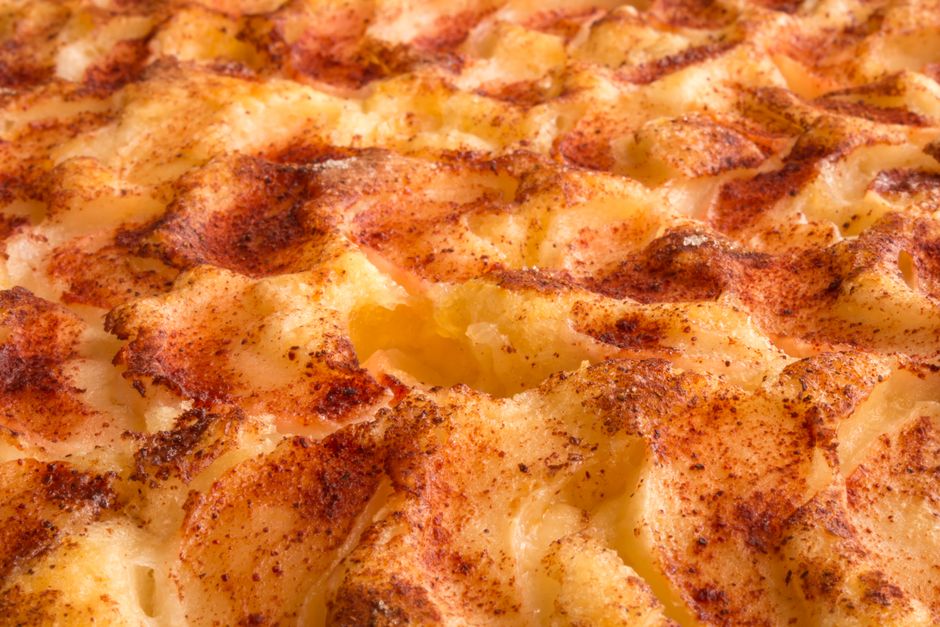
Next, carefully spoon the mashed potato topping over the filling. You can spread it evenly with a spatula to create a smooth surface, or for a more rustic and visually appealing presentation, use a piping bag with a star tip to create decorative swirls. Whichever method you choose, ensure the entire filling is covered to prevent it from bubbling up and burning during baking. For a golden brown crust, you can lightly fork the surface of the mashed potatoes, creating ridges that will crisp up nicely. Some chefs also like to brush the top with a little melted butter or dot it with small pieces of butter before baking.
Place the assembled pie in the preheated oven and bake for 25 to 30 minutes, or until the filling is bubbling around the edges and the potato topping is golden brown and slightly crisped. If the top is browning too quickly, you can loosely tent the pie with aluminum foil.
Serving and Variations: Personalizing the Pie
Corned beef and cabbage Shepherd’s Pie is best served hot, straight from the oven. The contrast between the hot, savory filling and the creamy, warm potato topping is what makes this dish so comforting. It’s a complete meal in itself, but it also pairs well with a simple green salad or a side of pickled red onions for an extra tang.
This recipe is highly adaptable. For a richer filling, consider adding a splash of Worcestershire sauce or a tablespoon of Dijon mustard to the gravy. If you prefer a more robust vegetable presence, you can incorporate other complementary vegetables like diced carrots or peas into the filling. For a spicier kick, a pinch of red pepper flakes can be added to the onion and garlic sauté.
For those looking for a lighter option, consider using a smaller amount of butter and milk in the mashed potatoes or substituting some of the potatoes with mashed cauliflower. The corned beef itself can also be prepared in various ways; while slow simmering is recommended for tenderness, some may choose to oven-bake or pressure cook it. The key is to ensure it is tender and easily shreddable or diceable.
For a truly authentic Irish-inspired twist, consider incorporating a touch of Guinness stout into the gravy. Adding a few ounces of stout when you add the cooking liquid can impart a malty depth of flavor that beautifully complements the corned beef.
SEO Considerations and Keyword Integration:
The title and the content of this article are strategically crafted to be SEO-friendly. Keywords such as "corned beef and cabbage Shepherd’s Pie," "Shepherd’s Pie recipe," "Irish comfort food," "St. Patrick’s Day dinner," "hearty casserole," "ground beef casserole," "beef and potato bake," and "easy corned beef recipe" are naturally integrated throughout the text. The detailed breakdown of each component—corned beef preparation, cabbage integration, filling construction, and potato topping—allows for the inclusion of relevant long-tail keywords that users might search for when seeking specific instructions or variations. For instance, phrases like "how to cook corned beef for pie," "best way to mash potatoes for Shepherd’s Pie," and "how to make savory gravy for pie filling" are implicitly addressed. The emphasis on "flavor," "comfort," and "hearty" taps into the emotional drivers of food searches. The comprehensive nature of the article, covering all aspects from ingredient selection to serving suggestions, aims to establish it as a definitive resource for anyone looking to create this delicious dish, thereby increasing its visibility in search engine results. The structured format, with clear headings and paragraphs, also contributes to readability and search engine crawling.


