
Crispy No Fry Potato Pancake Poppers

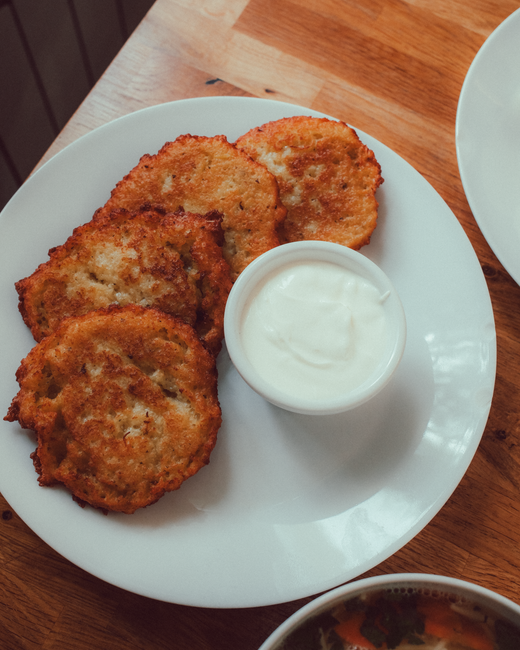
Crispy No-Fry Potato Pancake Poppers: A Healthier Twist on a Beloved Appetizer
The allure of crispy potato dishes is undeniable. From classic french fries to golden potato skins, their irresistible crunch and satisfying texture have cemented their place as go-to appetizers and comfort foods. However, traditional preparation methods often involve deep-frying, which, while delicious, can be a barrier for health-conscious individuals or those seeking a lighter alternative. Enter the no-fry potato pancake popper, a culinary innovation that captures the essence of a beloved appetizer without the oil bath. This article delves into the science, techniques, and variations of creating these remarkably crispy, oven-baked delights, offering a comprehensive guide for home cooks seeking to master this healthier, yet equally satisfying, potato sensation. We will explore the fundamental principles behind achieving a superior crunch without frying, the optimal ingredients and their roles, and practical tips for consistent success.
The key to achieving a truly crispy no-fry potato pancake popper lies in managing moisture content and maximizing surface area exposure to dry heat. Unlike deep-frying, where the rapid immersion in hot oil dehydrates the exterior and creates a characteristic crisp, oven-baking requires a more strategic approach. Potatoes, inherently high in moisture, present a significant challenge. Excessive water content will steam the potatoes rather than bake them to a crisp, resulting in a limp, unappetizing texture. Therefore, the initial step in any successful no-fry potato preparation is effective moisture removal. This typically involves grating the potatoes, followed by a thorough squeezing process to extract as much liquid as possible. Tools like a fine-mesh sieve, cheesecloth, or even a clean kitchen towel can be employed for this crucial step. The finer the grate, the more surface area is created, which aids in quicker drying and promotes crisping. However, grating too finely can lead to a mushy interior if not managed correctly. A medium to coarse grate often strikes the ideal balance, providing enough texture for the poppers to hold their shape while allowing for efficient moisture release.
The binding agents and starches within the potato also play a vital role in the final texture. When potatoes are grated, their starches are released, acting as a natural binder. However, without proper handling, these starches can become gummy. Rinsing the grated potatoes can help remove excess surface starch, which can contribute to a crisper result. After rinsing, it is paramount to drain and squeeze the potatoes thoroughly again. This dual action of rinsing and squeezing removes excess starch and water, setting the stage for optimal crisping. The Maillard reaction, the complex chemical process responsible for browning and flavor development in foods, is also essential for achieving that desirable golden hue and savory depth. This reaction occurs when amino acids and reducing sugars are heated, producing a cascade of flavor compounds and visually appealing browning. In the context of potato pancake poppers, a sufficiently high oven temperature and adequate exposure to dry heat are crucial for promoting this reaction.
The composition of the batter is another critical factor. While traditional potato pancakes might use flour as a primary binder, no-fry versions often benefit from a judicious use of starch and minimal flour to prevent a doughy interior. Ingredients like cornstarch, potato starch, or even a small amount of rice flour can enhance crispiness. These starches, when heated, gelatinize and then dehydrate, forming a brittle, crispy shell. Eggs act as binders, holding the mixture together and contributing to the overall structure. However, too many eggs can lead to a custard-like interior. A balanced ratio of potato, binder, and seasoning is key. Seasoning is not merely for flavor; it also plays a subtle role in texture. Salt, for instance, draws out moisture, which, when managed correctly, aids in crisping. Pepper, garlic powder, onion powder, and other dried herbs or spices contribute to the flavor profile and can slightly alter the surface texture.
When forming the poppers, their size and shape significantly influence the cooking time and the final crispness. Smaller, flatter poppers will cook more quickly and develop a more uniformly crispy exterior than larger, thicker ones. The goal is to maximize the surface area exposed to the oven’s heat. Think of mini pancake shapes, discs, or even bite-sized nuggets. The thickness should ideally be no more than half an inch to ensure even cooking and proper crisping throughout. Overcrowding the baking sheet is a cardinal sin when aiming for crispiness. Each popper needs ample space to allow hot air to circulate freely around it. This ensures that all sides are exposed to the dry heat, preventing steaming and promoting an even, golden-brown crust. Lining the baking sheet with parchment paper or a silicone baking mat is essential to prevent sticking and further aids in achieving a clean release and a crisp bottom.
Preheating the oven to a high temperature is non-negotiable for no-fry potato pancake poppers. Temperatures between 400°F (200°C) and 425°F (220°C) are generally recommended. This intense heat is crucial for rapidly evaporating surface moisture and initiating the Maillard reaction. The initial high heat crisps the exterior, and then the temperature can sometimes be slightly reduced for the remainder of the cooking time to ensure the interior is cooked through without burning the outside. The duration of baking will vary depending on the size and thickness of the poppers, as well as the specific oven. It typically ranges from 20 to 35 minutes, with a flip halfway through to ensure even browning on both sides. Watching for visual cues – golden brown edges, a slightly puffed appearance, and a general firmness to the touch – is more reliable than strictly adhering to a timer.
The choice of potato variety also influences the outcome. Starchy potatoes like Russets are often favored for their high starch content, which contributes to binding and can create a fluffy interior. However, their high moisture content necessitates meticulous squeezing. Waxy potatoes, such as Yukon Golds or red potatoes, have less starch and lower moisture content, which can lead to a naturally crispier result with less effort in moisture removal. They also tend to hold their shape better. A blend of potato types can sometimes offer the best of both worlds, providing a balance of fluffiness and crispness. Experimentation with different potato varieties is encouraged to discover personal preferences.
Beyond the basic potato and binder, countless variations can elevate these no-fry poppers. Incorporating finely minced onions, garlic, chives, or other aromatics adds depth of flavor. For a cheesy kick, shredded cheddar, Parmesan, or Monterey Jack cheese can be mixed into the batter. Be mindful that cheese can release its own fats, which can contribute to crisping, but also potentially lead to greasiness if too much is added. For a spicier twist, a pinch of cayenne pepper or finely diced jalapeños can be included. Adding cooked and crumbled bacon or ham introduces a smoky, savory element that complements the potato beautifully. Even incorporating finely chopped vegetables like bell peppers or corn can add color, texture, and nutrients. However, it’s crucial to ensure any added vegetables are also low in moisture or have had their moisture content managed to avoid compromising the overall crispiness.
The role of cooking oil, even in a no-fry recipe, deserves consideration. While deep-frying is avoided, a small amount of oil brushed or sprayed onto the poppers before baking can significantly enhance crispiness. This is because oil conducts heat more efficiently than air, promoting faster browning and a crisper crust. A light coating of olive oil, avocado oil, or even melted butter can make a noticeable difference. The oil also acts as a barrier, helping to prevent the potatoes from sticking to the baking sheet. Some recipes advocate for tossing the grated potato mixture with a tablespoon or two of oil before forming the poppers, which disperses the oil throughout the mixture and aids in even crisping.
Serving these no-fry potato pancake poppers with a variety of dips is an integral part of the appetizer experience. Classic accompaniments like sour cream, apple sauce, or Greek yogurt offer cooling and tangy counterpoints to the crispy potato. For more adventurous palates, spicy aioli, Sriracha ketchup, or a herb-infused ranch dressing can provide a flavorful punch. Even a simple drizzle of hot sauce can elevate the flavor profile. The versatility of these poppers makes them a perfect canvas for a wide range of flavor combinations, catering to diverse tastes and preferences.
In conclusion, achieving crispy no-fry potato pancake poppers is a nuanced culinary endeavor that hinges on meticulous moisture management, strategic ingredient selection, and precise cooking techniques. By understanding the science behind crisping and applying the principles of efficient water removal, optimal starch utilization, and high-heat baking, home cooks can consistently produce this healthier yet incredibly satisfying appetizer. The adaptability of the basic recipe, with its vast potential for flavor customization, ensures that these no-fry wonders can become a staple in any appetizer repertoire, offering a delicious and guilt-free alternative to their deep-fried counterparts. The pursuit of the perfect crisp without the fryer is not only achievable but also opens a world of flavorful possibilities for potato lovers everywhere.


