
Delicious Cinnamon Baked Apples

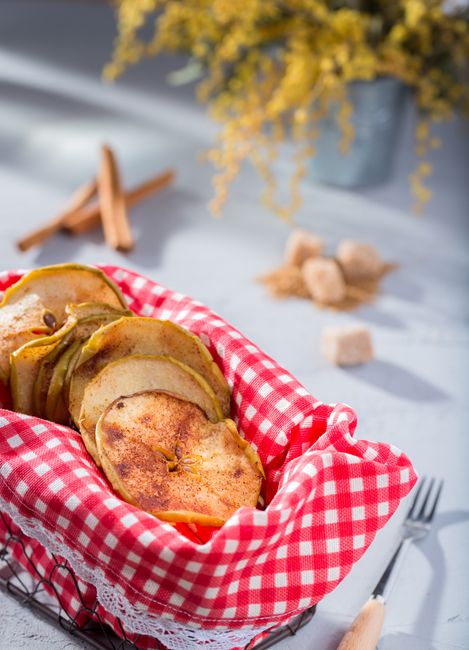
Decadent Baked Apples: A Culinary Masterpiece for Every Season
Baked apples, a timeless dessert, offer a comforting and remarkably versatile culinary experience. The inherent sweetness and slightly tart profile of baked apples provide a perfect canvas for an array of flavor enhancements, transforming simple fruit into an elegant and deeply satisfying treat. This article explores the art and science of creating truly delicious baked apples, covering everything from apple selection to advanced flavor pairings, ensuring your baked apple endeavors result in rave reviews and perfect pantry staples. The simplicity of baked apples belies a depth of flavor and texture that can be achieved with careful attention to detail, making them an ideal choice for both novice bakers and seasoned gourmands.
The foundation of any exceptional baked apple lies in the correct apple variety. Not all apples are created equal when it comes to baking. The ideal baking apple strikes a balance between sweetness and acidity, possessing a firm texture that holds its shape during the cooking process without becoming mushy. Varieties like Honeycrisp, Fuji, Gala, and Pink Lady are excellent choices for their balanced flavor and ability to soften beautifully. For a tarter, more complex flavor profile, consider Granny Smith or Braeburn. These apples retain their structure and offer a delightful tang that cuts through sweetness. Avoid softer, more watery varieties such as Red Delicious, as they tend to disintegrate into applesauce when baked, which, while potentially useful for other culinary applications, is not the desired outcome for classic baked apples. When selecting apples, look for firm, unblemished fruit. Slightly smaller apples are often preferable as they cook more evenly and present a more appealing individual portion. The visual appeal is paramount, and selecting apples that are roughly the same size will ensure uniform cooking times, a crucial factor in achieving consistent results.
The preparation of the apple is the next critical step. The core must be removed to create a cavity for the filling, but the bottom of the apple should remain intact to contain the delicious contents. A melon baller or a sharp paring knife can be used for this purpose. Be careful not to pierce through the bottom of the apple. Once cored, the apples can be lightly peeled around the top inch or so, creating a slightly more elegant presentation and allowing the flavors of the filling to penetrate the flesh more readily. However, many prefer to leave the skin on entirely for added texture and visual appeal, which is also a perfectly acceptable and often preferred method. The choice between peeling and not peeling is largely aesthetic and textural. After coring, score the skin around the equator of each apple with a sharp knife. This simple step prevents the skin from bursting during baking and contributes to a more even cooking experience. The scoring should be shallow, just enough to break the tension of the skin.
The filling is where the magic truly happens, transforming a humble baked apple into a symphony of flavors. The quintessential baked apple filling often revolves around cinnamon, butter, and sugar. A common and effective ratio involves a tablespoon or two of softened butter per apple, mixed with a generous tablespoon of brown sugar and about half a teaspoon of ground cinnamon. The brown sugar contributes a richer, molasses-like sweetness compared to granulated sugar, and its slightly coarser texture adds a pleasant textural element. For a more complex spice profile, consider adding a pinch of nutmeg, allspice, or even a touch of cardamom. These warming spices complement cinnamon beautifully and add layers of aromatic depth. A small amount of lemon juice, perhaps half a teaspoon, can be added to the filling to brighten the flavors and prevent browning. For added texture and flavor, consider incorporating finely chopped nuts such as walnuts, pecans, or almonds. Raisins, dried cranberries, or chopped dates also add sweetness and chewiness. The key is to find a balance that enhances the natural flavor of the apple without overpowering it. Experimentation is encouraged; the perfect filling is a personal preference.
When assembling the baked apples, place the cored and prepared apples in a baking dish. This dish should be large enough to comfortably hold the apples without them touching, allowing for even heat circulation. A glass or ceramic baking dish is ideal. Carefully spoon the prepared filling into the cavity of each apple, ensuring it is packed snugly but not overflowing. If you are adding any liquids to the baking dish, such as water, cider, or juice, this is the time to do so. Adding about half an inch of liquid to the bottom of the baking dish creates steam during the baking process, which helps the apples to cook evenly and keeps them moist. This is a crucial step in preventing dry, tough baked apples.
The baking temperature and time are crucial for achieving the perfect texture. A moderate oven temperature, typically around 375°F (190°C), is recommended. This temperature allows the apples to soften gradually without burning the filling. Baking time will vary depending on the size and variety of the apples, but generally, it will range from 30 to 45 minutes. The apples are ready when they are tender when pierced with a fork or skewer, but still hold their shape. The skin should be softened, and the filling should be bubbly and caramelized. It’s important to monitor the apples during the baking process. If the tops of the apples or the filling begin to brown too quickly, you can loosely tent the baking dish with aluminum foil. Conversely, if the apples are not softening as expected, you can reduce the oven temperature slightly and continue baking.
The liquid in the bottom of the baking dish can be utilized for a delicious sauce. Once the apples are removed from the oven, carefully lift them out of the dish and set them aside. The remaining liquid in the baking dish can be simmered on the stovetop to reduce and thicken, concentrating the flavors. You can strain this liquid to remove any apple debris and then add a knob of butter or a splash of cream for a richer sauce. This pan sauce, infused with the essence of the apples and spices, is a divine accompaniment.
Serving baked apples is an experience in itself. They are best served warm, allowing the aromas to tantalize the senses. A dollop of vanilla ice cream or a spoonful of whipped cream is a classic and delicious pairing. For a more decadent experience, consider serving them with a drizzle of caramel sauce, a sprinkle of toasted nuts, or even a dollop of crème fraîche for a touch of tanginess. The warmth of the baked apple, combined with the cool creaminess of ice cream or the richness of caramel, creates a delightful contrast in temperatures and textures. For a more sophisticated presentation, individual ramekins can be used for baking, or the apples can be artfully arranged on a serving platter. The visual appeal is amplified by a dusting of powdered sugar or a few fresh mint leaves.
Beyond the classic cinnamon-spiced preparation, the possibilities for baked apple fillings are virtually endless, catering to diverse palates and dietary preferences. For a savory-sweet twist, consider incorporating a tablespoon of goat cheese and a drizzle of honey into the filling, perhaps alongside chopped rosemary for an herbaceous note. This unexpected combination offers a sophisticated counterpoint to the apple’s natural sweetness. Another intriguing option is to use a filling of ricotta cheese mixed with a touch of orange zest and a few dried apricots, offering a lighter, more Mediterranean-inspired flavor profile. For those seeking a gluten-free and vegan option, a filling of rolled oats, chopped dates, chopped pecans, and coconut oil, seasoned with cinnamon and a touch of maple syrup, provides a wholesome and satisfying alternative. The oats absorb the apple’s juices, creating a chewy, crumble-like texture, while the dates and pecans add natural sweetness and crunch.
Elevating the baking process itself can also lead to superior results. Instead of water in the baking dish, consider using apple cider, white wine, or even a spiced rum. These liquids will infuse the apples with additional flavor and create a more complex and aromatic sauce. For an extra layer of richness, a pat of butter can be placed on top of the filling before baking, allowing it to melt and baste the apples as they cook. Another technique involves stuffing the cavity more generously and then topping the apple with a crumble topping made from flour, butter, sugar, and oats, transforming the baked apple into an individual apple crisp. This adds an extra textural dimension and a delightful crunch.
The careful consideration of apple storage and selection also plays a role in the ultimate success of baked apples. Apples, when stored properly in a cool, dark place, can maintain their freshness and firmness for extended periods. However, for the best baking results, it is always advisable to use apples that are in season and at their peak ripeness. This ensures optimal flavor and texture. When purchasing apples, gently feel their skin; it should be firm and smooth, with no soft spots or bruises. The aroma can also be an indicator of freshness; ripe apples often have a pleasant, sweet scent.
The versatility of baked apples extends beyond dessert. They can be served as a breakfast treat alongside yogurt and granola, or as a component of a savory dish. For instance, baked apples can complement pork roasts or roasted chicken, their sweetness providing a welcome contrast to the savory elements. A less sweet, more herb-forward baked apple filling, perhaps with sage and thyme, could serve as an interesting accompaniment to a cheese board. The inherent adaptability of this dish makes it a valuable addition to any culinary repertoire, suitable for casual family meals or elegant dinner parties.
Furthermore, the nutritional benefits of baked apples, when prepared with moderation, are worth noting. Apples are a good source of dietary fiber, which aids in digestion and can contribute to feelings of fullness. They also contain various vitamins and antioxidants. By opting for natural sweeteners like honey or maple syrup in moderation and incorporating healthy fats from nuts, baked apples can be a relatively wholesome dessert option. The key lies in mindful preparation and portion control, allowing for enjoyment without excessive indulgence.
In conclusion, the creation of delicious baked apples is an art form that rewards attention to detail and a willingness to experiment. From the judicious selection of apple varieties to the meticulous crafting of flavorful fillings and precise baking techniques, each step contributes to a truly exceptional culinary experience. Whether enjoyed as a comforting dessert, a wholesome breakfast, or an intriguing savory accompaniment, baked apples stand as a testament to the simple elegance and profound satisfaction that can be derived from transforming fresh, seasonal ingredients into something truly magical. Their enduring appeal lies in their comforting nature, their adaptability, and the sheer joy they bring to the palate, making them a perennial favorite for cooks and eaters alike. The humble apple, when treated with care and creativity, offers a gateway to a world of delicious possibilities, with baked apples standing proudly as one of its most beloved manifestations.


