
Dry Rub For Ribs

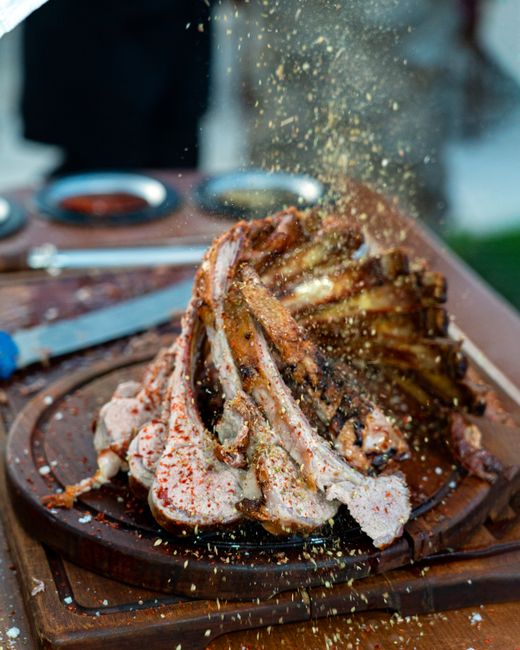
The Ultimate Guide to Mastering Dry Rub for Ribs: Flavor, Technique, and Beyond
Dry rub for ribs is more than just a collection of spices; it’s the foundational layer of flavor that transforms ordinary pork into tender, succulent masterpieces. This article delves deep into the art and science of dry rubbing ribs, covering everything from ingredient selection and common flavor profiles to application techniques and essential considerations for achieving competition-worthy results. Understanding the nuances of dry rub is paramount for any home cook or aspiring pitmaster aiming to elevate their rib game.
The core components of a classic dry rub for ribs typically revolve around a balance of sweet, savory, smoky, and spicy elements. Sugar, usually in the form of brown sugar, provides sweetness and aids in caramelization during the cooking process, contributing to that coveted sticky bark. Salt, often kosher salt or sea salt, acts as a primary flavor enhancer and can also help to draw out moisture, further tenderizing the meat. Paprika, whether sweet, smoked, or hot, offers color, a mild sweetness, and a distinct earthy or smoky flavor, depending on the variety. Black pepper provides a pungent bite and counterbalances the sweetness. Garlic powder and onion powder are foundational aromatics, delivering savory depth and complexity. Beyond these staples, individual preferences and regional styles dictate further additions. Chili powder, cayenne pepper, and red pepper flakes introduce heat, ranging from a gentle warmth to a fiery intensity. Cumin adds a warm, earthy, and slightly nutty note. Mustard powder contributes a subtle tang and can help create a more robust crust. Herbs like dried oregano or thyme can lend subtle herbaceous undertones, though they are used more sparingly to avoid overpowering the dominant savory and sweet profiles of the rub.
Developing a signature dry rub often involves experimentation and understanding how different spices interact. For a sweeter profile, increase the proportion of brown sugar and consider adding a touch of cinnamon or allspice, reminiscent of barbecue sauces. For a spicier kick, amp up the cayenne pepper, chili powder, or add smoked paprika for a smoky heat. A more savory rub might lean heavily on garlic and onion powders, with a more restrained use of sugar. The key is achieving harmony; no single flavor should dominate to the point of being unpleasant. Consider the cooking method as well. For low and slow smoking, a rub that caramelizes well is essential. For grilling or baking, a rub that adheres well and doesn’t burn too quickly is important.
The quality and form of your spices significantly impact the final outcome. Freshly ground spices generally offer a more vibrant and potent flavor than pre-ground varieties that may have lost their aromatic compounds over time. When using whole spices, such as peppercorns or cumin seeds, toasting them lightly before grinding can unlock deeper, more complex flavors through a process called blooming. This is achieved by gently heating the spices in a dry skillet over medium heat until fragrant, typically just a minute or two. Be careful not to burn them. For dry rubs, grinding them to a relatively fine consistency ensures even distribution and better adhesion to the ribs.
Application technique is as crucial as the rub itself. The goal is to create an even coating that adheres to the entire surface of the ribs, forming a flavorful crust. Begin by preparing the ribs. Remove the membrane on the bone side, a thin, papery layer that can prevent rubs from penetrating and result in a tougher bite. This is typically done by sliding a butter knife or spoon under the membrane at one end and gently peeling it away. Some pitmasters advocate for rinsing the ribs with cold water and patting them thoroughly dry with paper towels before applying the rub. This step ensures optimal adhesion. Apply the dry rub generously, pressing it into the meat with your hands. Ensure all surfaces, including the sides and edges, are coated. There’s a debate about when to apply the rub. Some prefer to apply it immediately before cooking, while others advocate for an overnight application in the refrigerator. An overnight application allows the salt in the rub to begin its tenderizing and flavor-infusing work, drawing out moisture and creating a more intense, deep flavor. This is often referred to as a "dry brine." If applying overnight, consider using less sugar, as it can burn more easily over extended periods at high temperatures.
The concept of a "binder" is often discussed in relation to dry rubs. While some cooks insist on using a binder like mustard, Worcestershire sauce, or even a light coating of oil, many pitmasters achieve excellent adhesion without one. The natural moisture of the meat, combined with the pressure of applying the rub, is often sufficient. However, if you find your rub isn’t adhering well, a thin, even layer of yellow mustard is a popular choice. It adds a slight tang, is low in calories and fat, and its texture helps the rub stick without significantly altering the flavor profile. The key is to apply a very thin layer so it’s not detectable after cooking.
Common dry rub flavor profiles cater to a wide range of palates and barbecue traditions. The "Kansas City" style often features a sweet and tangy profile with a prominent brown sugar and paprika base, often with a touch of chili powder for mild heat. "Texas" style tends to be simpler, focusing on salt, black pepper, and sometimes a hint of garlic powder, emphasizing the natural flavor of the beef or pork. "Memphis" style ribs are often known for their "dry" presentation, meaning they are served without a heavy sauce, relying heavily on a well-seasoned dry rub that typically includes paprika, chili powder, garlic powder, onion powder, and a touch of cayenne for heat. "Carolina" barbecue styles can vary, but often incorporate vinegar-based sauces, and their dry rubs might be lighter, with a focus on pepper and paprika.
The type of ribs being prepared also influences the dry rub choice. Pork ribs, such as spare ribs and baby back ribs, generally benefit from rubs that incorporate sweetness and a balance of savory and spicy notes. Beef ribs, like beef short ribs, have a richer, deeper flavor and may stand up to bolder, more peppery rubs, with less emphasis on overt sweetness. For pork ribs, consider a rub with a higher ratio of brown sugar and paprika. For beef ribs, a more liberal use of black pepper and garlic powder might be preferred.
The cooking method plays a significant role in how the dry rub behaves. Low and slow smoking allows the sugars to caramelize gently, creating a beautiful bark without burning. High-heat grilling or baking requires more attention to prevent the sugars from scorching. If grilling over direct heat, you might consider applying the rub closer to the end of the cooking process or using a rub with less sugar. Baking can be more forgiving, but oven temperatures can still lead to burning if not monitored. Indirect heat cooking, whether in a smoker, a Weber-style grill, or a conventional oven using a roasting pan, is generally ideal for developing a good bark without overcooking.
The concept of "bark" is central to the appeal of well-prepared ribs. The bark is the flavorful, slightly crispy, and often reddish-brown crust that forms on the exterior of the ribs during the cooking process. It’s a direct result of the Maillard reaction and caramelization of the sugars and other components in the dry rub, interacting with the rendered fat and proteins from the meat. A good dry rub, applied correctly and cooked at the right temperature, is essential for developing that desirable bark.
Beyond the basic ingredients, consider adding "secret ingredients" that can elevate your dry rub. A pinch of espresso powder can add a subtle depth and richness, enhancing the savory notes. A touch of cocoa powder can contribute a dark color and a hint of bitterness that complements the sweetness. Smoked paprika, as mentioned, is crucial for a smoky flavor without actual smoking. Some pitmasters even incorporate dehydrated ingredients like onion flakes or garlic flakes for a more intense, concentrated flavor.
The quantity of dry rub to use is a matter of preference, but "generous" is a good guideline. You want to see a visible coating of the rub on the ribs, not just a faint dusting. However, avoid creating a thick, pasty layer, which can burn and become bitter. The rub should be pressed into the meat, not just sprinkled on top.
When storing homemade dry rubs, ensure they are kept in airtight containers in a cool, dark place to maintain their freshness and potency. Properly stored dry rubs can last for several months, although their flavor will gradually diminish over time. It’s always best to make smaller batches more frequently to ensure you’re using the freshest ingredients.
For those looking to achieve competition-level results, meticulous attention to detail is paramount. This includes the selection of high-quality ribs, proper trimming and preparation, precise rub formulation, and controlled cooking. Competition cooks often experiment extensively with different rub ratios and ingredients, seeking that perfect balance of flavors and textures. They understand the subtle nuances that can make a significant difference in the final product.
In conclusion, mastering dry rub for ribs is an ongoing journey of exploration and refinement. By understanding the fundamental principles of flavor profiles, ingredient selection, application techniques, and cooking methods, you can create ribs that are not only delicious but also memorable. Whether you opt for a classic combination or venture into creating your own unique blend, the dry rub remains the cornerstone of exceptional barbecue ribs.


