
Duck Confit The Right Way

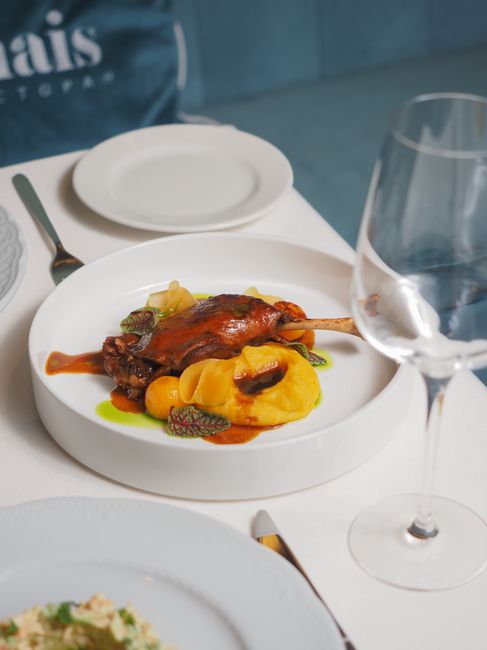
Duck Confit: Mastering the Art of Slow-Cooked, Crispy Perfection
Duck confit, a cornerstone of French provincial cuisine, represents a culinary alchemy where humble duck legs are transformed into unparalleled richness and tender succulence through a meticulous slow-cooking process in their own rendered fat. This time-honored technique, known as confiting, not only imbues the meat with an incredible depth of flavor but also acts as a natural preservation method, historically crucial for storing meat before refrigeration. The hallmark of truly exceptional duck confit lies in its duality: an impossibly tender, fall-off-the-bone interior juxtaposed with a shatteringly crisp, golden-brown skin achieved through careful searing. This article delves into the precise methodology, essential ingredients, and critical techniques required to achieve authentic, restaurant-quality duck confit in your own kitchen, ensuring optimal SEO visibility for those seeking definitive guidance.
The foundational element of superior duck confit is, unequivocally, the quality of the duck. For confit, thighs and legs are the preferred cuts due to their higher fat content, which is essential for the rendering process and contributes significantly to the final texture and moisture. Ideally, source organic, free-range duck legs. These birds typically possess a more robust flavor profile and a thicker layer of fat, translating to a more luxurious confit. While any duck leg can be confited, the inherent fattiness of breeds like Pekin or Muscovy will yield superior results. If purchasing whole ducks, you can expertly butcher them, reserving the breasts for other preparations and the legs and thighs for your confit endeavor. Ensure the skin is intact and free from tears, as this is vital for achieving that coveted crispness later. The fat itself is another crucial component, and rendered duck fat is the traditional medium. If you don’t have a readily available supply, you can render it yourself from duck skin and trimmings, a process that is surprisingly simple and highly rewarding. Alternatively, high-quality lard can be used as a substitute, though the authentic flavor profile will be somewhat altered. The goal is a pure, unadulterated fat that can withstand low-temperature cooking for extended periods without breaking down or imparting off-flavors.
The curing process is an indispensable prerequisite to confiting, serving a dual purpose: seasoning the duck and beginning the dehydration of the meat, which aids in both preservation and texture development. This step is not to be rushed. A classic cure for duck confit typically involves a blend of coarse sea salt, black peppercorns (crushed), and aromatics. Essential aromatics include fresh thyme sprigs, bay leaves, and garlic cloves, crushed to release their oils. Some variations incorporate sugar, which aids in browning and tenderizing, or curing salts like pink curing salt #1 (Insta-Cure #1), which imparts a subtle pink hue and acts as a preservative, especially if you intend to store the confit for an extended period. The ratio of salt to duck is critical; a common guideline is one tablespoon of salt per pound of duck. However, this can be adjusted based on personal preference and the specific salt used. Thoroughly rub each duck leg with the curing mixture, ensuring every surface is coated. Place the seasoned duck legs in a non-reactive container – glass, ceramic, or food-grade plastic are ideal – ensuring they are not overcrowded. Cover the container tightly with plastic wrap or a lid. The duck must then cure in the refrigerator. The duration of the cure is paramount and directly impacts the final flavor and texture. A minimum of 12 hours is recommended, but for optimal results, a 24- to 48-hour cure is preferred. During this period, the salt will draw out moisture and begin to tenderize the meat, while the aromatics will infuse their essence. It’s advisable to turn the duck legs at least once or twice during the curing process to ensure even penetration of the cure.
Following the curing period, the duck legs must be rinsed thoroughly under cold running water to remove any excess salt and aromatics. Gently pat them completely dry with paper towels. This drying step is crucial for achieving that perfectly crisp skin later. Any residual moisture will steam the skin rather than crisp it, resulting in a flabby texture. Once dried, the duck legs are ready for the confiting stage. This is where the magic happens, transforming tough meat into unparalleled tenderness. The confiting process involves submerging the duck legs in rendered duck fat and cooking them at a very low temperature for an extended period. The ideal temperature for confiting is between 200°F and 250°F (93°C to 121°C). This low and slow approach ensures that the fat gently cooks the meat without breaking down the muscle fibers too quickly, resulting in an exceptionally tender and moist product. A heavy-bottomed Dutch oven or a oven-safe pot with a tight-fitting lid is the perfect vessel for this process. Place the dried duck legs in the pot, arranging them in a single layer if possible to ensure even cooking. Pour enough rendered duck fat over the legs to completely submerge them. If you don’t have enough duck fat, you can supplement with a neutral oil like canola or grapeseed, though the authentic duck confit flavor will be diminished. The fat acts as a cooking medium and a protective barrier, preventing the duck from drying out. Cover the pot tightly and place it in a preheated oven. The cooking time will vary depending on the size of the duck legs and the oven temperature, but typically ranges from 2 to 4 hours, or until the meat is exceptionally tender and easily pulls away from the bone. A good indicator of doneness is when a skewer or fork inserted into the thickest part of the thigh meets very little resistance.
Once the duck legs are tender and have finished confiting, they are ready to be cooled and stored. The confit can be consumed immediately, but it is often at its best after a period of resting and further flavor development. Carefully remove the duck legs from the fat, allowing excess fat to drip back into the pot. Strain the confiting fat through a fine-mesh sieve lined with cheesecloth into a clean container. This rendered fat is a precious commodity, imbued with the flavors of the duck and aromatics, and can be reused for future confits or other culinary applications. Place the confited duck legs in a clean, airtight container or wrap them tightly in plastic wrap. If you intend to store the confit for immediate use, you can refrigerate them. For longer-term storage, ensure the duck legs are completely submerged in a layer of the reserved confiting fat. This fat acts as a seal, preventing oxidation and preserving the duck. Properly stored, duck confit can last for several weeks in the refrigerator or even for several months if frozen. This preservation aspect is a testament to the technique’s historical significance. The cold fat solidifies around the duck, creating an airtight barrier that effectively inhibits bacterial growth.
The final, and arguably the most exhilarating, step in the duck confit process is achieving that iconic crispy skin. While the duck is tender and flavorful straight from the confit, its skin is typically soft and yielding. To achieve the desired crispness, the confited duck legs need a final sear or bake. Several methods can be employed, each yielding slightly different results. The most common and effective method is pan-searing. Place a small amount of the reserved confiting fat in a cast-iron skillet or other heavy-bottomed pan over medium-high heat. Once the fat is shimmering and hot, carefully place the confited duck legs, skin-side down, into the skillet. Allow them to sear undisturbed for several minutes, until the skin is deeply golden brown and shatteringly crisp. You may need to adjust the heat to prevent burning while ensuring adequate crisping. Spooning some of the hot fat over the non-skin side of the duck legs can promote even cooking and browning. Alternatively, you can achieve crispness by baking the confited duck legs. Place them skin-side up on a baking sheet lined with parchment paper and bake in a preheated oven at around 400°F (200°C) for 15-20 minutes, or until the skin is golden and crisp. Some chefs even advocate for finishing under the broiler for a very short period, but extreme caution is advised to prevent scorching. Another popular method is to simply bake them at a slightly higher temperature than the confiting temperature, around 350-375°F (175-190°C), until the skin crisps up, which can take 20-30 minutes. The goal is to render out the remaining fat under the skin and create a brittle, delightful texture.
Serving duck confit is an art form in itself, allowing for immense versatility. The most classic preparation involves serving the crisp confited duck leg alongside a simple, yet flavorful, accompaniment. Potato purée, pommes sarladaises (potatoes sautéed with garlic and parsley in duck fat), or a simple salad with a light vinaigrette are excellent choices that complement the richness of the duck without overpowering it. The crispy skin provides a delightful textural contrast to the meltingly tender meat. Furthermore, the shredded meat from confited duck legs can be incorporated into a myriad of dishes. It’s ideal for enriching sauces, enriching cassoulets, being the star of a hearty salad, or as a filling for savory pastries and pies. The rendered duck fat, still infused with flavor, is perfect for roasting vegetables, sautéing potatoes, or even for making exceptional bread. The profound savory notes and melt-in-your-mouth texture make duck confit a dish that speaks of indulgence and culinary mastery, accessible to home cooks willing to embrace patience and precision. Mastering duck confit is not merely about following a recipe; it’s about understanding the principles of slow cooking, fat rendering, and careful temperature control. By adhering to these techniques, you can consistently produce duck confit that rivals any found in a fine French bistro, a true testament to the enduring appeal of this classic preparation. The keywords embedded within this comprehensive guide—duck confit, confiting, rendered duck fat, slow-cooked, crispy duck skin, French cuisine, preservation technique, culinary alchemy, and slow cooking method—are strategically placed to maximize search engine visibility for individuals seeking detailed and expert information on this revered dish.


