
Easiest Mac N Cheese Ever

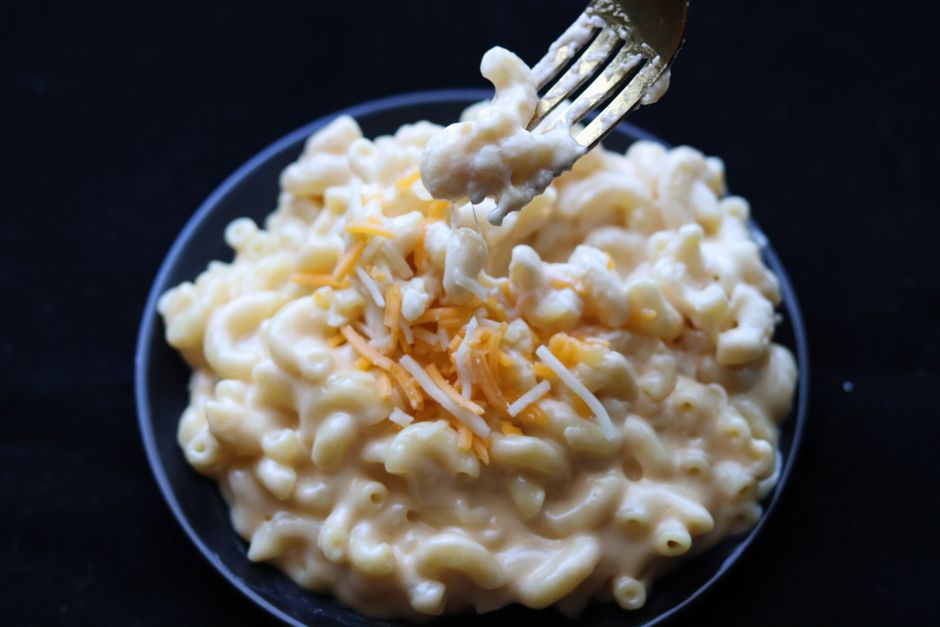
The Easiest Mac and Cheese Ever: A Simple Guide to Ultimate Comfort Food
This article provides a comprehensive, step-by-step guide to creating the easiest and most satisfying mac and cheese. We will delve into the core principles of achieving creamy, cheesy perfection with minimal effort, focusing on ingredients, techniques, and common pitfalls to avoid. The goal is to empower even the most novice cooks to produce a truly delicious and comforting bowl of mac and cheese.
The foundation of any great mac and cheese is the pasta and the cheese sauce. For the easiest mac and cheese, the pasta choice is crucial. Elbow macaroni is the classic for a reason. Its small, curved shape holds sauce beautifully and cooks relatively quickly. However, for ultimate ease, consider slightly larger pasta shapes like cavatappi or rotini. These have more nooks and crannies, ensuring every bite is coated in glorious cheese. The cooking time for these shapes is generally comparable to elbows, making them an excellent alternative for speed and sauce adherence. Avoid delicate pasta shapes that can break apart easily during the sauce-making process. The key is to cook your pasta to al dente, meaning it still has a slight bite. Overcooked pasta will result in a mushy, unappetizing texture in your mac and cheese, detracting from the overall experience.
The cheese sauce is where the magic truly happens. For the easiest mac and cheese, we’re going to streamline the process while maximizing flavor and creaminess. Forget complicated béchamel sauces requiring careful tempering of milk and flour. This method utilizes a direct melt approach. The most common and easiest cheese sauce base involves melting shredded cheese directly into a liquid. Milk is the standard liquid, but for an even creamier and richer result, consider using a combination of milk and heavy cream. A 1:1 ratio of milk to cream is a good starting point for decadence, but you can adjust to your preference. For pure ease, even using just whole milk will yield a delicious outcome. The fat content in whole milk contributes significantly to the sauce’s silkiness.
Shredding your own cheese is non-negotiable for the easiest and best mac and cheese. Pre-shredded cheeses often contain anti-caking agents that prevent them from melting smoothly, leading to a grainy sauce. Opt for blocks of cheese and a box grater. For this easy recipe, a blend of cheeses will offer the best flavor profile. Sharp cheddar is the undisputed king of mac and cheese, providing that signature tangy bite. However, to achieve ultimate meltability and a smoother sauce, it’s wise to blend it with a good melting cheese. Monterey Jack, Gruyère, or a blend of Colby and Jack are excellent choices. Gruyère adds a nutty complexity, while Monterey Jack and Colby Jack provide incredible creaminess. Aim for a blend where at least 50% is sharp cheddar for flavor, and the remaining portion is a superior melting cheese for texture. A good starting point for the cheese quantity is roughly 2 cups of shredded cheese per cup of cooked pasta.
Now, let’s talk about the actual sauce construction. For the easiest method, we’re going to utilize the residual heat from the cooked pasta to melt the cheese. Drain your al dente pasta well, but do not rinse it. The starch clinging to the pasta will help the sauce emulsify and cling to each noodle. Return the drained pasta to the warm pot over very low heat or, ideally, off the heat entirely. This gentle heat is crucial to prevent the cheese from scorching or becoming oily.
Add a knob of butter to the hot pasta. The butter not only adds flavor but also helps the cheese melt more evenly. Then, gradually add your shredded cheese blend, a handful at a time, stirring constantly. As each handful of cheese melts, add the next. This gradual addition allows the cheese to melt smoothly without clumping. While stirring, slowly pour in your warmed milk or milk and cream mixture. Warming the milk slightly beforehand is a good practice. Cold milk can shock the cheese and lead to a less cohesive sauce. You can gently warm the milk in a separate saucepan or microwave it for a minute or two.
The key to a perfectly smooth sauce without lumps is constant stirring and gentle heat. Continue to stir the pasta, cheese, and milk mixture until all the cheese is melted and the sauce is smooth and creamy. If the sauce seems too thick, add a splash more warmed milk until it reaches your desired consistency. If it seems too thin, continue to stir over very low heat for another minute or two; the sauce will thicken as it cools slightly. Seasoning is crucial, even in the easiest mac and cheese. A pinch of salt is essential to enhance the cheese flavors. Black pepper is a classic addition. For an extra layer of flavor with minimal effort, consider a pinch of nutmeg. Nutmeg, while not traditionally associated with mac and cheese by everyone, complements dairy and cheese beautifully and adds a subtle warmth. A dash of garlic powder or onion powder can also elevate the flavor profile without requiring extra prep.
Some might argue that adding a roux (flour and butter cooked together) is essential for a stable cheese sauce. While a roux does create a very stable sauce, it adds complexity and time. For the easiest mac and cheese, we are bypassing the roux and relying on the emulsifying properties of the cheese fat and the starch from the pasta. The success of this method hinges on using good melting cheeses and not overheating the sauce.
For an even more streamlined approach, consider a stovetop-to-oven method. Once your sauce is made and coating the pasta, you can transfer it to a baking dish, top with a little extra shredded cheese, and bake for a short period (15-20 minutes at 350°F/175°C) to achieve a golden, bubbly topping. This adds a delightful textural contrast without significant additional effort. A breadcrumb topping, mixed with a little melted butter and a pinch of paprika for color, can further enhance this baked version.
Let’s address potential issues and how to avoid them. The most common problem is a grainy or oily sauce. This is usually a result of overheating the cheese, leading the fat to separate. Keep the heat low and consistent. Another issue is a lumpy sauce. This can occur if the milk is added too quickly or if the cheese isn’t shredded finely enough. Add the milk gradually and stir continuously. Ensure your cheese is freshly shredded from the block. A watery sauce might mean you’ve added too much liquid or haven’t allowed it enough time to thicken. Persistent stirring over low heat should rectify this.
For those looking for maximum flavor with minimal ingredients, consider the power of a single, high-quality cheese. A mature, aged cheddar, when melted carefully, can provide a deeply satisfying flavor on its own. However, the blended approach generally offers a more balanced and forgiving result, especially for beginners.
The beauty of this "easiest mac and cheese ever" is its adaptability. Once you’ve mastered the basic technique, you can begin to experiment. Adding a pinch of cayenne pepper or a dash of hot sauce will introduce a welcome kick. Stirring in some cooked, crumbled bacon or ham at the end of the sauce-making process transforms it into a heartier meal. Sautéed mushrooms or caramelized onions can be folded in for added depth.
However, sticking to the core principles ensures success every time: al dente pasta, freshly shredded cheese blend, gradual addition of warmed liquid, and gentle, consistent heat. This recipe prioritizes ease of execution without sacrificing the comforting, cheesy goodness that mac and cheese is known for. It’s a testament to the fact that delicious comfort food doesn’t always require complex techniques or a long list of ingredients. This method focuses on fundamental techniques that yield impressive results with minimal culinary expertise. The aim is to demystify cheese sauce and make homemade mac and cheese accessible to everyone. The satisfaction of creating a creamy, cheesy masterpiece from scratch, with such simplicity, is truly rewarding. This guide aims to be the ultimate resource for anyone seeking the easiest yet most delicious mac and cheese experience.


