
Easy Rib Eye Roast

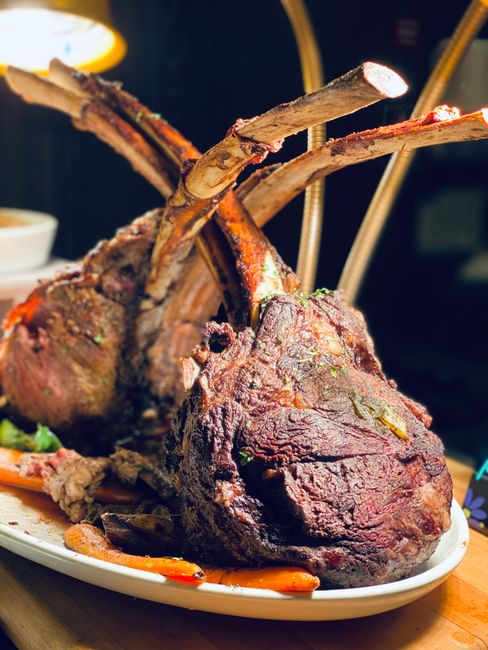
The Ultimate Guide to an Effortless and Flavorful Ribeye Roast
Embarking on the journey of preparing a ribeye roast might seem daunting, conjuring images of complex techniques and precise temperature monitoring. However, the reality is far more accessible, offering a path to an exceptionally flavorful and impressive centerpiece with surprising ease. This comprehensive guide demystifies the process, providing a step-by-step approach to achieving a succulent, perfectly cooked ribeye roast that will undoubtedly become a staple in your culinary repertoire. We will delve into the nuances of selecting the finest cut, mastering essential preparation techniques, and employing simple yet effective cooking methods to ensure unparalleled results. Whether you are a seasoned home cook or a novice venturing into roasting, this guide is designed to equip you with the knowledge and confidence to execute a truly remarkable ribeye roast.
The foundation of any successful ribeye roast lies in the quality of the meat. Choosing the right cut is paramount, and for a ribeye roast, this typically means opting for a bone-in rib roast, also known as a prime rib. The presence of the bone not only adds flavor and moisture during cooking but also provides structural integrity, preventing the roast from drying out. Look for a roast with good marbling – the flecks of intramuscular fat interspersed throughout the muscle. This marbling melts during cooking, basting the meat from within and contributing to its exceptional tenderness and rich flavor. Aim for a roast with a thick cap of fat on the outside, approximately ½ to 1 inch thick. This fat cap will render down, protecting the meat and adding a delicious caramelized crust. When selecting your roast, consider its size. A general guideline is to allow ½ to 1 pound per person, accounting for bone weight and potential shrinkage. For a more even cooking experience, choose a roast that is relatively uniform in thickness. Avoid roasts with an excessive amount of connective tissue or gristle, as these can detract from the overall eating experience. If possible, purchase your ribeye roast from a reputable butcher who can offer advice and ensure you are getting the best quality meat. The color of the meat should be a bright, cherry red, indicating freshness. A slightly purplish hue is also acceptable, as the meat will bloom to a brighter red once exposed to oxygen.
Proper preparation of the ribeye roast before cooking is crucial for optimal flavor and texture. Begin by removing the roast from its packaging and patting it thoroughly dry with paper towels. This step is critical for achieving a beautiful sear and a crispier crust. Any excess moisture on the surface will steam the meat rather than sear it, hindering the development of those desirable browned flavors. Next, trim any excess silverskin, which is a thin, iridescent membrane that can become tough and chewy when cooked. You can do this with a sharp boning knife, carefully sliding the blade under the silverskin and peeling it away. Leave the fat cap intact, as it is a vital component of the flavor profile. Seasoning is where the magic truly begins. A simple yet effective seasoning for a ribeye roast consists of coarse sea salt, freshly cracked black pepper, and a touch of garlic powder or granulated garlic. Don’t be shy with the salt; it acts as a flavor enhancer and helps to draw out moisture from the surface, contributing to a better sear. Apply the seasoning generously over all surfaces of the roast, rubbing it in gently to ensure good adhesion. For an even deeper flavor, you can create a paste by combining olive oil with minced garlic, fresh rosemary, and thyme. Rub this paste all over the roast, ensuring even coverage. Allow the seasoned roast to sit at room temperature for at least 30 minutes, and up to 1 hour, before cooking. This allows the meat to come up to a more even temperature, which will result in more uniform cooking throughout. Some chefs advocate for even longer resting periods, even overnight in the refrigerator after seasoning, to allow the salt to penetrate the meat more deeply.
The cooking method for a ribeye roast should prioritize achieving a beautiful, caramelized exterior while keeping the interior perfectly tender and juicy. The most accessible and highly recommended method for an effortless ribeye roast is the oven roasting technique. Preheating your oven is non-negotiable for achieving the best results. Set your oven to a high temperature, typically between 450°F and 500°F (230°C to 260°C). This initial high heat creates a rapid sear, forming a delicious crust. Place the seasoned ribeye roast, fat-side up, on a rack in a roasting pan. The rack elevates the roast, allowing hot air to circulate evenly around all sides and preventing the bottom from becoming waterlogged. Some recipes suggest starting with the bone-side down for the initial sear, arguing it protects the leanest part of the roast from the intense heat. However, for ease and consistently excellent results, fat-side up is a reliable choice. After the initial searing period, which typically lasts 15-20 minutes, reduce the oven temperature to a lower setting, usually between 300°F and 325°F (150°C to 160°C). This lower temperature allows the roast to cook gently and evenly to your desired level of doneness without overcooking the exterior. The total cooking time will vary depending on the size of your roast and the desired internal temperature. A general guideline is approximately 13-15 minutes per pound at the lower temperature. However, relying solely on time is a recipe for disappointment. The most accurate and foolproof method for determining doneness is by using an instant-read meat thermometer. Insert the thermometer into the thickest part of the roast, avoiding any bone. For rare, aim for an internal temperature of 115-120°F (46-49°C). For medium-rare, which is often considered ideal for ribeye, target 120-125°F (49-52°C). Medium will register at 130-135°F (54-57°C), and medium-well at 140-145°F (60-63°C). Remember that the internal temperature will continue to rise by 5-10°F during the resting period, so pull the roast out of the oven when it is 5-10°F below your target temperature.
The resting period after cooking is as crucial as the cooking itself for achieving a supremely tender and juicy ribeye roast. Once the roast reaches its desired internal temperature, remove it from the oven and transfer it to a clean cutting board. Tent the roast loosely with aluminum foil. This allows the juices, which have been pushed to the center of the roast during cooking, to redistribute throughout the meat. Skipping this step will result in all those precious juices running out onto the cutting board, leaving you with a dry and less flavorful roast. The resting time should be at least 15-20 minutes for a typical ribeye roast. Larger roasts may benefit from a slightly longer resting period. During this time, the meat fibers relax, and the moisture reabsorbs evenly. While the roast is resting, you can prepare a simple pan sauce if desired. Deglaze the roasting pan with a splash of red wine or beef broth, scraping up any browned bits from the bottom of the pan. Simmer this liquid with a knob of butter and some fresh herbs until slightly reduced and thickened. This quick sauce will elevate the flavor of your ribeye roast even further. Once the roast has rested sufficiently, it is time to carve. Use a sharp carving knife and fork to slice the roast against the grain. This ensures maximum tenderness with every bite. The grain of the meat refers to the direction of the muscle fibers. By cutting perpendicular to these fibers, you shorten them, making the meat easier to chew. For a bone-in roast, you can carefully saw through the bones to separate them from the meat for easier carving, or serve the roast whole and carve directly off the bone.
For those seeking an even more hands-off approach or an exceptionally even cook, the reverse sear method offers a compelling alternative for your ribeye roast. This technique involves cooking the roast at a low and slow temperature for an extended period, bringing it gradually to its final desired internal temperature, and then finishing it with a high-heat sear. Begin by seasoning your ribeye roast as described previously. Place the seasoned roast on a rack in a baking sheet and insert a probe thermometer into the thickest part of the meat. Preheat your oven to a low temperature, typically between 200°F and 275°F (95°C to 135°C). The lower the temperature, the longer the cooking time, but the more forgiving and evenly cooked the roast will be. Place the roast in the preheated oven and cook until the internal temperature reaches about 10-15°F below your final desired doneness. For example, if you want a medium-rare roast at 130°F, you would cook it to 115-120°F in the oven. This slow cooking process can take several hours, depending on the size of the roast and the oven temperature. Once the roast has reached its target internal temperature, remove it from the oven. At this point, you have two options for searing. You can either sear the roast in a very hot skillet with a high smoke point oil (like avocado or grapeseed oil) for a few minutes per side, or you can place it under a broiler on high heat for a few minutes per side until a nice crust forms. The skillet method generally provides a more consistent and even sear. Regardless of the searing method, it is essential to let the roast rest for at least 10-15 minutes after searing before carving. The reverse sear method is particularly excellent for achieving edge-to-edge consistency in doneness, eliminating the common gray band of overcooked meat found at the exterior of conventionally roasted meats. It requires more patience but rewards with an incredibly tender and uniformly cooked ribeye roast.
Beyond the basic oven roast and reverse sear, consider experimenting with additional flavor enhancements that require minimal effort but yield significant results. Garlic and herb butter is a classic for a reason. Simply soften butter and mix in minced garlic, chopped fresh rosemary, thyme, and parsley. You can spread this butter over the roast before cooking, or melt it and baste the roast with it during the cooking process. For a bolder flavor profile, consider a coffee rub. A mixture of finely ground coffee, brown sugar, paprika, chili powder, garlic powder, and onion powder creates a wonderfully complex and savory crust. Apply this rub generously to the roast before cooking. Another simple yet impactful technique is to add aromatics to the bottom of your roasting pan. Sliced onions, carrots, and celery can add subtle depth to the drippings, which can then be used to make a rich gravy or pan sauce. For a touch of brightness and acidity, consider adding a few sprigs of fresh rosemary and thyme directly to the pan during the initial high-heat searing phase. As these herbs char slightly, they release their fragrant oils, infusing the roast with an irresistible aroma. For those who appreciate a smoky flavor without the need for a smoker, a small amount of liquid smoke can be incorporated into a marinade or rub, used judiciously to avoid an overpowering taste. Ultimately, the beauty of a ribeye roast lies in its inherent flavor, and these additions are designed to complement, not mask, that exceptional quality. Mastering these simple techniques will transform your ribeye roast from a good meal into an unforgettable culinary experience. The key is in the quality of the ingredients, the meticulous preparation, and the gentle application of heat, ensuring a result that is both impressive and remarkably easy to achieve.


