
Fried Soft Shell Crab

The Ultimate Guide to Fried Soft Shell Crab: Preparation, Perfection, and Palate Pleasers
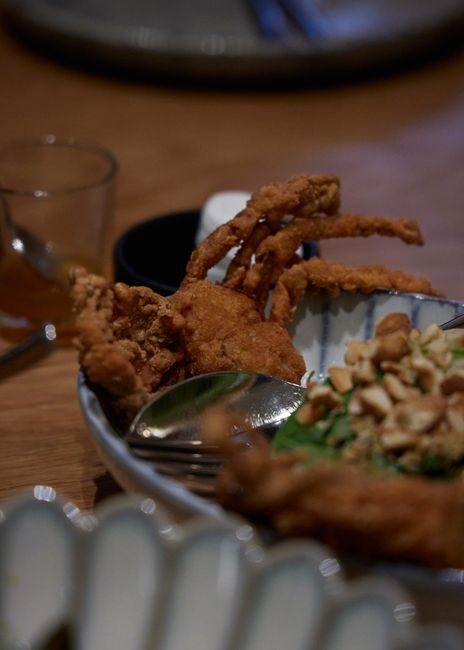
Fried soft shell crab represents a pinnacle of seafood seasonality and culinary delight. This delicacy, available for a limited window each year as crabs molt their hard exoskeletons, offers a unique textural and flavor experience unmatched by its hard-shelled counterparts. The entire crab, including its delicate shell, is consumed, providing a satisfying crunch followed by the sweet, succulent meat within. Mastering the art of frying soft shell crab involves understanding the crab itself, proper cleaning techniques, the nuances of batter and frying, and a variety of serving suggestions that enhance its inherent deliciousness. This comprehensive guide will delve deep into every aspect, from sourcing the freshest specimens to achieving that perfect crispy exterior and tender interior, ensuring readers can confidently recreate this restaurant-quality dish at home.
The soft shell crab’s appeal lies in its transient nature. Unlike hard-shell crabs that must be painstakingly picked, soft shells offer immediate gratification. The molting process, known as ecdysis, is a critical life stage where crabs shed their old, restrictive shell to grow. During this brief period, before the new shell hardens, the crab is exceptionally vulnerable and becomes a sought-after culinary ingredient. The season typically runs from spring through early fall, with peak availability varying by region and species. Identifying fresh soft shell crabs is paramount to success. Look for crabs that are firm to the touch, have bright, clear eyes, and a pleasant, briny aroma, free from any off-putting fishy or ammonia-like smells. Live crabs are ideal, but if purchasing pre-cleaned ones, ensure they are chilled and appear plump. The color of the crab’s shell can also be an indicator; a vibrant green hue suggests freshness, while a dull or yellowish tint might signal the shell is beginning to harden.
Proper cleaning is an essential, albeit sometimes intimidating, step in preparing soft shell crabs. The process ensures a clean, palatable final product by removing the inedible parts. Begin by examining the crab. Locate the apron, a triangular flap on the underside of the crab. For males, this apron is narrow and pointed; for females, it is broader and rounded. Gently pull the apron away from the body. Next, locate the "dead man’s fingers," which are spongy gills on either side of the body cavity. Carefully lift the carapace (the top shell) on one side and snip these gills away with kitchen shears. Repeat on the other side. Finally, a small, hard, mouthpart located at the front of the crab, between the eyes, can be trimmed off with the shears. Some chefs also recommend a shallow diagonal cut across the back of the crab to remove any remaining digestive tract, though this is often considered optional depending on the size and perceived cleanliness of the crab. Rinsing the cleaned crabs under cold running water and patting them thoroughly dry with paper towels is crucial. Excess moisture will prevent the batter from adhering properly and can lead to soggy fried crab.
The batter is arguably the most critical element in achieving that coveted crispy exterior. A good batter should be light, airy, and flavorful, coating the crab without overwhelming its delicate taste. Classic options include a simple flour-based dredge, a tempura-style batter, or a more robust cornmeal-based coating. For a simple dredge, all-purpose flour seasoned generously with salt, black pepper, and a pinch of cayenne pepper is a good starting point. For a crisper finish, consider adding cornstarch or rice flour to the all-purpose flour. A tempura batter, made with ice-cold water, all-purpose flour, and sometimes a touch of cornstarch or rice flour, creates an incredibly light and shatteringly crisp coating. The key to a successful tempura batter is keeping the ingredients ice-cold and minimizing mixing; a few lumps are acceptable. For a heartier crunch, a cornmeal-based batter, often incorporating flour, cornmeal, and seasonings like paprika or Old Bay, provides a rustic and satisfying texture. Many recipes also call for incorporating beer or sparkling water into the batter to create a lighter, crispier result due to the carbonation. Whatever batter is chosen, the crab should be thoroughly coated and then allowed to rest for a few minutes before frying, which helps the coating adhere more firmly.
Frying is where the magic truly happens, transforming the delicate crab into a golden brown masterpiece. The choice of oil and the frying temperature are paramount for achieving perfect results. A neutral-flavored oil with a high smoke point is ideal. Vegetable oil, canola oil, peanut oil, or grapeseed oil are excellent choices. The oil should be heated to a consistent temperature, typically between 350°F and 375°F (175°C and 190°C). Using a deep-fry thermometer is essential to maintain this temperature range. If the oil is too cool, the crab will absorb excess oil, resulting in a greasy, soggy product. If the oil is too hot, the batter will brown too quickly before the crab is cooked through, potentially burning the exterior. It’s important to fry the crabs in batches, avoiding overcrowding the pan. Overcrowding will lower the oil temperature and prevent even cooking. The frying time for soft shell crab is relatively short, typically 2-4 minutes per side, depending on the size of the crab and the batter. The crabs are ready when they are golden brown and float to the surface. Remove the fried crabs with a slotted spoon or spider strainer and place them on a wire rack set over a baking sheet to drain excess oil and maintain crispness. Season them immediately with salt while they are still hot.
Beyond the classic preparation, there are numerous variations and enhancements that elevate fried soft shell crab. One popular variation involves a seasoned flour dredge, followed by a dip in beaten egg or buttermilk, and then a second dredge in seasoned flour or breadcrumbs for an extra crispy coating. For those seeking a spicier kick, incorporating chili flakes or hot sauce into the batter or marinade is an effective strategy. Lemon zest and fresh herbs, such as parsley or chives, can be added to the batter for a burst of freshness. Some culinary traditions favor a cornmeal and flour mixture for a slightly coarser, more rustic crust. Another approach involves a brief marinade in milk or buttermilk before dredging, which can help tenderize the crab and add a subtle richness. For a truly indulgent experience, a touch of smoked paprika or Old Bay seasoning can be incorporated into the dry dredge for a complex flavor profile.
Serving fried soft shell crab is an art form in itself, with accompaniments that either complement its delicate sweetness or provide a contrasting counterpoint. The most traditional and arguably best pairing is a simple squeeze of fresh lemon or lime juice. This bright acidity cuts through the richness of the fried crab and enhances its natural flavors. Tartar sauce, either homemade or store-bought, is another classic accompaniment, offering a creamy, tangy contrast. For a more sophisticated presentation, a remoulade sauce, with its complex blend of mayonnaise, Creole mustard, horseradish, and spices, provides a flavorful punch. Aioli, particularly a garlic or lemon-infused version, is also a superb choice.
Beyond dips and sauces, fried soft shell crab shines when served alongside complementary side dishes. Classic pairings include creamy coleslaw, which provides a cool, crunchy contrast, and crispy french fries or seasoned potato wedges. Hushpuppies, with their slightly sweet cornmeal flavor, are another traditional Southern accompaniment that pairs beautifully. A simple side salad with a light vinaigrette can offer a refreshing counterpoint to the richness of the fried crab. For a more substantial meal, consider serving it with grilled asparagus, roasted Brussels sprouts, or a light risotto. In a sandwich context, the fried soft shell crab is legendary. A soft shell crab po’ boy, served on a crusty baguette with shredded lettuce, tomato, and remoulade sauce, is an iconic dish that perfectly showcases the crab’s texture and flavor.
The culinary versatility of fried soft shell crab extends to its use in various dishes beyond simple platters. It can be incorporated into seafood salads, adding a luxurious textural element. Crumbled fried soft shell crab can be a delightful topping for pasta dishes or a flavorful addition to seafood gratins. Some adventurous chefs have even used it as a component in tacos or quesadillas, offering a unique twist on familiar formats. When used in salads, it’s crucial to keep the crab warm and crisp, adding it just before serving to avoid sogginess. In pasta dishes, the fried crab should be added towards the end of the cooking process to maintain its integrity.
While the appeal of fried soft shell crab is undeniable, responsible sourcing and seasonality are important considerations. Supporting local fishermen and markets when possible ensures freshness and aids in sustainable seafood practices. Understanding the regional variations in availability will allow you to enjoy this delicacy at its peak. The commitment to fresh, high-quality ingredients, combined with careful preparation and thoughtful serving, will ensure a truly memorable culinary experience. The fleeting nature of soft shell crab only amplifies its desirability, making the act of preparing and savoring it a celebration of the season’s bounty. Mastering the techniques outlined in this guide empowers home cooks to confidently bring this exquisite dish to their tables, delighting in every crispy, succulent bite. The intricate dance of molting, cleaning, battering, and frying culminates in a dish that is both elegant and deeply satisfying, a testament to the simple yet profound pleasures of perfectly prepared seafood.


