
Gnocchi With Cherry Tomato Sauce 2

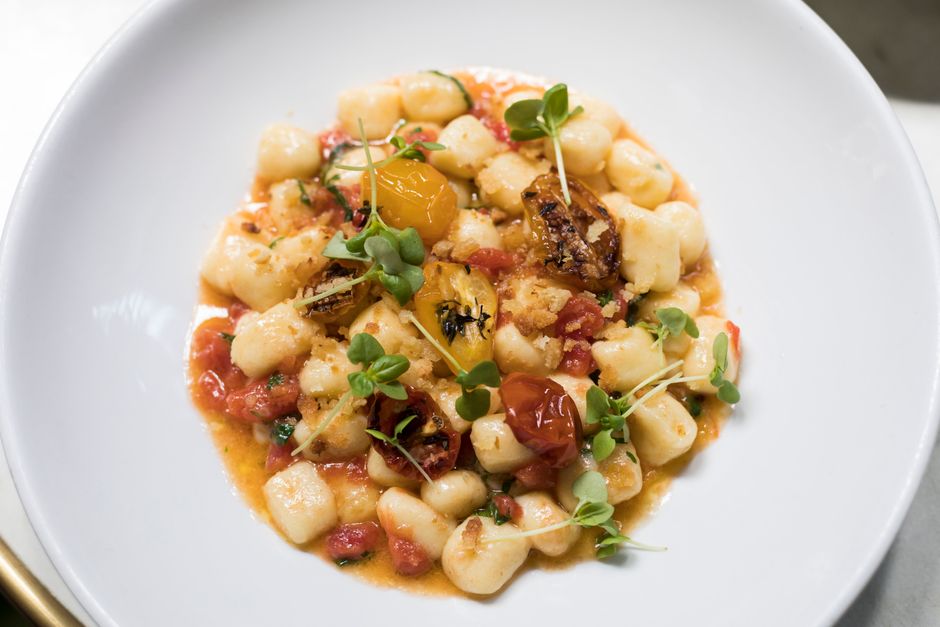
Gnocchi with Cherry Tomato Sauce: A Culinary Exploration of a Classic Pairing
Gnocchi, those delightful little dumplings, have carved a permanent niche in the heart of Italian cuisine and, consequently, in kitchens worldwide. While traditionally associated with potato, the fundamental concept of gnocchi extends to various ingredients like ricotta, semolina, or even vegetables. Their tender, pillowy texture provides a perfect canvas for a multitude of sauces, but few pairings are as celebrated and universally adored as gnocchi with a vibrant cherry tomato sauce. This article delves deep into the intricacies of this dish, exploring its origins, the science behind perfect gnocchi, the art of crafting an exceptional cherry tomato sauce, and the myriad ways to elevate this seemingly simple yet profoundly satisfying meal.
The fundamental charm of gnocchi lies in its deceptively simple construction. At its core, gnocchi is a type of pasta, but its preparation diverges significantly from typical extruded or hand-shaped pastas. The most common iteration, potato gnocchi, begins with cooked potatoes, typically boiled or baked, then riced or mashed to create a smooth, fluffy base. This potato mass is then combined with flour – usually all-purpose or ‘00’ flour for a finer texture – and an egg. The proportion of these ingredients is critical. Too much flour results in dense, rubbery gnocchi, while too little can lead to a sauce-logged, sticky mess. The goal is a dough that is pliable and cohesive but not sticky to the touch. Overworking the dough is a common pitfall, developing gluten excessively and negatively impacting the final texture. The ideal gnocchi dough should be handled gently and briefly, just enough to bring the ingredients together. Once formed, small, irregular shapes are typically rolled and often imprinted with a fork or gnocchi board, creating ridges that are not merely aesthetic but serve a functional purpose: to hold more sauce.
The cherry tomato sauce, in contrast to the richness often associated with meat-based ragus, offers a bright, fresh, and slightly sweet counterpoint to the gnocchi. Its simplicity is its strength, allowing the inherent sweetness and acidity of the tomatoes to shine. The foundation of a good cherry tomato sauce is, of course, high-quality cherry tomatoes. These small, intensely flavored fruits burst with sweetness when cooked, releasing their juices to form a naturally luscious sauce. The cooking process itself is a delicate balance. Overcooking can render the tomatoes mushy and lose their vibrant flavor, while undercooking leaves them too firm. The ideal scenario involves gently simmering the tomatoes until they soften, blister, and begin to break down, creating a rustic, chunky sauce. The addition of aromatics is crucial for building depth of flavor. Garlic, minced or thinly sliced, is almost always present, releasing its pungent aroma as it gently sautés. The addition of fresh basil is another cornerstone, its peppery, slightly sweet notes infusing the sauce with classic Italian fragrance. Olive oil, preferably a good quality extra virgin, serves as the cooking medium and a flavor enhancer, carrying the essence of the other ingredients. Some variations might include a pinch of red pepper flakes for a subtle kick of heat, or a splash of white wine to deglaze the pan and add another layer of complexity.
The synergy between gnocchi and cherry tomato sauce is a masterclass in contrasting textures and complementary flavors. The tender, yielding nature of the gnocchi absorbs the vibrant, slightly acidic tomato sauce beautifully. The small size and irregular shape of the gnocchi, especially when ridged, ensure that each bite is coated in a delightful emulsion of tomato juices, herbs, and olive oil. This pairing transcends mere sustenance; it’s an experience. The slight chewiness of a well-made gnocchi provides a satisfying contrast to the soft burst of the tomatoes. The sweetness of the tomatoes harmonizes with the subtle starchy sweetness of the gnocchi, while the acidity cuts through the richness, preventing the dish from feeling heavy.
From an SEO perspective, focusing on relevant keywords such as "gnocchi recipe," "cherry tomato sauce," "easy gnocchi," "quick pasta dish," "Italian dumplings," and "vegetarian pasta" will significantly improve visibility for this article. The inclusion of variations and troubleshooting tips also adds value for users searching for specific solutions.
Let’s delve deeper into the nuances of crafting perfect gnocchi. The type of potato used matters. Starchy potatoes like Russets or Maris Pipers are preferred as they absorb less water during cooking, leading to a lighter dough. Waxy potatoes, while offering a firmer texture in other applications, can contribute to a wetter dough and thus more flour, resulting in tougher gnocchi. Baking the potatoes is often recommended over boiling, as it minimizes water absorption. Once cooked, they should be riced while still warm. This ensures a light and airy texture. The egg acts as a binder, but it’s essential not to add too much, as this can lead to a more omelet-like texture in the finished gnocchi. The flour is the main structural component. All-purpose flour is readily available, but ‘00’ flour, with its finer grind and lower protein content, can yield exceptionally delicate gnocchi. Some recipes also incorporate semolina flour for added texture and chew. The dough should be handled as little as possible. Mix until just combined, then gently knead for a minute or two until it forms a cohesive ball. Over-kneading develops gluten, resulting in tough gnocchi. When shaping, roll the dough into ropes about 1.5-2 cm in diameter, then cut into small pieces, about 2-3 cm long. The classic fork-and-finger method of imprinting creates the characteristic ridges, which are crucial for sauce adhesion. Alternatively, a gnocchi board can be used. The cooking process for gnocchi is swift. They are typically boiled in salted water until they float to the surface, which indicates they are cooked through. This usually takes only 2-4 minutes. They should then be removed with a slotted spoon and immediately tossed with the prepared sauce to prevent them from sticking together.
The cherry tomato sauce, while seemingly straightforward, offers opportunities for refinement and personalization. The quality of the tomatoes is paramount. Ripe, in-season cherry tomatoes will yield the best flavor. If fresh, out-of-season tomatoes are the only option, consider using high-quality canned whole peeled tomatoes, crushed, and then sautéing them to concentrate their flavor. The initial sauté of garlic in olive oil is where the flavor foundation is laid. Gentle heat is key to avoid burning the garlic, which can impart a bitter taste. Fresh herbs, particularly basil, are essential. It’s best to add basil towards the end of the cooking process to preserve its vibrant flavor and aroma. Some cooks advocate for adding a pinch of sugar to the sauce if the tomatoes are particularly acidic, though this should be done sparingly to avoid overpowering the natural sweetness. A splash of balsamic vinegar towards the end can also add a touch of sweetness and complexity. For a richer sauce, a knob of butter can be stirred in at the very end, emulsifying with the tomato juices and olive oil to create a glossy finish. Red pepper flakes, as mentioned, provide a welcome warmth. The amount should be adjusted to individual preference.
Elevating this classic pairing is where culinary creativity truly takes flight. Beyond the basic gnocchi and cherry tomato sauce, numerous variations can be explored. For a vegetarian delight, consider incorporating other vegetables into the sauce. Sautéed zucchini, bell peppers, or spinach can add texture, color, and nutritional value. A sprinkle of toasted pine nuts or slivered almonds can introduce a delightful crunch. For a touch of richness, a dollop of fresh ricotta cheese or a crumble of salty feta can be added just before serving. For those who enjoy a bit of protein, grilled shrimp or pan-seared chicken can be incorporated. The sauce itself can be enhanced with a touch of cream, creating a more decadent, rosé-style sauce. Another popular variation involves roasting the cherry tomatoes before making the sauce. Roasting concentrates their sugars and adds a smoky depth. This can be achieved by tossing the tomatoes with olive oil, salt, pepper, and herbs, and roasting them at a high temperature until they are blistered and slightly collapsed.
The presentation of gnocchi with cherry tomato sauce is also a factor in its appeal. The vibrant red of the sauce against the pale dumplings, garnished with fresh green basil leaves and perhaps a dusting of grated Parmesan cheese, creates a visually appealing dish. The choice of pasta bowl or plate can also enhance the dining experience.
Troubleshooting common issues is vital for home cooks. If gnocchi are too dense, it’s likely due to too much flour or overworking the dough. If they fall apart during cooking, it could be due to too little flour or egg, or not enough binding. A sauce that is too watery can be thickened by simmering it uncovered for a longer period, or by adding a cornstarch slurry (cornstarch mixed with a little cold water). Conversely, a sauce that is too thick can be thinned with a splash of pasta water or vegetable broth.
The history of gnocchi is as rich and layered as its flavor profile. While the exact origin is debated, it’s believed that gnocchi evolved from earlier forms of dumplings made with grains, eggs, and water, dating back to Roman times. The introduction of potatoes to Europe from the Americas in the 16th century revolutionized gnocchi, leading to the potato-based version we know and love today. The cherry tomato sauce, while perhaps not as ancient, represents the quintessential Italian approach to showcasing fresh, seasonal ingredients. The pairing of simple, wholesome ingredients transformed into a dish that is both comforting and sophisticated.
In conclusion, gnocchi with cherry tomato sauce is more than just a meal; it’s a testament to the power of simple, high-quality ingredients and thoughtful preparation. Its enduring popularity lies in its versatility, its comforting nature, and its ability to be both a quick weeknight dinner and an impressive dish for guests. By understanding the principles of creating perfect gnocchi and a flavorful cherry tomato sauce, and by exploring the myriad of possibilities for customization, home cooks can unlock the full potential of this beloved Italian classic. The keywords to remember for anyone seeking this delightful recipe are "gnocchi," "cherry tomato sauce," "easy Italian," "homemade pasta," "quick dinner," and "vegetarian delight." This dish, in its essence, embodies the joy of Italian cooking – a celebration of flavor, texture, and the simple pleasure of good food shared.


