
Greek Lemon Chicken And Potatoes

Greek Lemon Chicken and Potatoes: A Culinary Masterpiece
Greek lemon chicken and potatoes, or kotopoulo lemonato me patates in its native tongue, represents a cornerstone of Hellenic home cooking. This deceptively simple dish embodies the Mediterranean spirit, showcasing the harmonious interplay of readily available, high-quality ingredients. The lemon, central to its flavor profile, cuts through the richness of the chicken, while olive oil lends its characteristic fruitiness and smooth mouthfeel. Potatoes, absorbing the savory juices, become tender and imbued with the vibrant citrus notes. This dish is more than just sustenance; it’s a celebration of fresh flavors, often served at family gatherings and weeknight dinners alike, symbolizing comfort and tradition. Its enduring popularity stems from its ease of preparation, minimal ingredient list, and universally appealing taste. Understanding the fundamental components and techniques behind this beloved dish unlocks the secret to consistently delicious results.
The foundational elements of Greek lemon chicken and potatoes are, as the name suggests, chicken and potatoes. For the chicken, bone-in, skin-on pieces are paramount. Thighs and drumsticks are ideal choices due to their higher fat content, which ensures moisture and flavor during the roasting process. These cuts are more forgiving than lean breast meat, making them perfect for achieving that succulent texture. The skin crisps beautifully in the oven, adding a delightful textural contrast and further contributing to the overall richness of the dish. While whole chicken pieces are traditional, one can adapt the recipe for boneless, skinless thighs for a quicker cooking time, though the depth of flavor might be slightly diminished. The quality of the chicken itself is important; opting for free-range or organic chicken can elevate the final taste. The potatoes, typically waxy varieties like Yukon Golds or red potatoes, are also crucial. Their starch content allows them to absorb the pan juices without disintegrating into mush. These potatoes hold their shape well during the long cooking time, becoming tender and creamy on the inside with slightly caramelized edges. Larger, starchy potatoes like Russets can also be used, but they may require closer monitoring to prevent overcooking. The size of the potato pieces is equally important; uniform cuts ensure even cooking, preventing some pieces from becoming overly soft while others remain firm.
The aromatic heart of Greek lemon chicken and potatoes lies in its simple yet potent flavorings. Lemon juice and zest are non-negotiable, providing the signature tang and bright, zesty notes. Fresh lemon juice is infinitely superior to bottled; its vibrant acidity is essential. The zest, containing the flavorful oils from the peel, adds another layer of intense lemon aroma. Olive oil, naturally, plays a starring role. Extra virgin olive oil, with its robust flavor and peppery finish, is the preferred choice. It not only aids in browning and moisture retention but also imparts its characteristic Mediterranean essence. Garlic, minced or crushed, is indispensable for its pungent depth. The more garlic, the more profound the flavor, and many Greek cooks are not shy with this aromatic bulb. Oregano, specifically dried Greek oregano, is the signature herb. Its earthy, slightly bitter, and aromatic qualities are fundamental to the dish’s identity. Fresh oregano can be used, but dried oregano often possesses a more concentrated flavor that stands up well to the longer cooking time. Salt and freshly ground black pepper are the universal seasonings that enhance all other flavors, requiring careful and judicious application. Some variations might include a touch of white wine for added complexity, or a pinch of red pepper flakes for a subtle hint of heat, but the core remains the same: lemon, olive oil, garlic, oregano, salt, and pepper.
The preparation of Greek lemon chicken and potatoes is remarkably straightforward, often involving a single pan or baking dish, making for easy cleanup. The initial step typically involves prepping the chicken. This often means patting the chicken pieces thoroughly dry with paper towels. This crucial step ensures that the skin will crisp up nicely in the oven, creating a more appealing texture and flavor. The chicken is then generously seasoned with salt, pepper, and dried oregano. The potatoes are then peeled (or scrubbed clean if preferred) and cut into uniform pieces, usually wedges or large chunks. They are then tossed with olive oil, more salt, pepper, and oregano, ensuring they are well coated. In a large baking dish or a sturdy oven-safe skillet, the seasoned chicken pieces are arranged, skin-side up. The seasoned potato pieces are then scattered around the chicken, ensuring they are not overcrowding the pan, which would lead to steaming rather than roasting.
The liquid component, the soul of the sauce, is where the magic truly happens. A generous amount of fresh lemon juice is poured over the chicken and potatoes. This acidic element will not only flavor the ingredients but also tenderize the chicken and create a delectable pan sauce as it cooks. Water or chicken broth is then added to the pan. The ratio of liquid to solids is important; enough liquid should be present to create a flavorful sauce and prevent the bottom from drying out, but not so much that the ingredients end up swimming. The garlic, minced or crushed, is then distributed amongst the chicken and potatoes. Some cooks like to tuck whole garlic cloves around the pieces for a milder, sweeter flavor as they roast.
The baking process is where the transformation occurs. The dish is typically baked in a preheated oven at a moderate to high temperature, usually between 375°F (190°C) and 425°F (220°C). The initial high heat helps to render the chicken skin and brown the potatoes. The cooking time will vary depending on the size of the chicken pieces and potato chunks, but generally ranges from 45 minutes to 1.5 hours. Midway through the cooking process, it’s essential to baste the chicken and potatoes with the pan juices. This repetitive basting is key to infusing the potatoes with the lemon and chicken flavors and ensuring the chicken stays moist. As the dish progresses, the lemon juice will reduce and caramelize, forming a rich, tangy sauce. The potatoes will become fork-tender, and the chicken will be cooked through with beautifully golden-brown, crispy skin. Some recipes may call for removing the foil for the last 15-20 minutes to achieve maximum crispiness for both the chicken skin and potato edges.
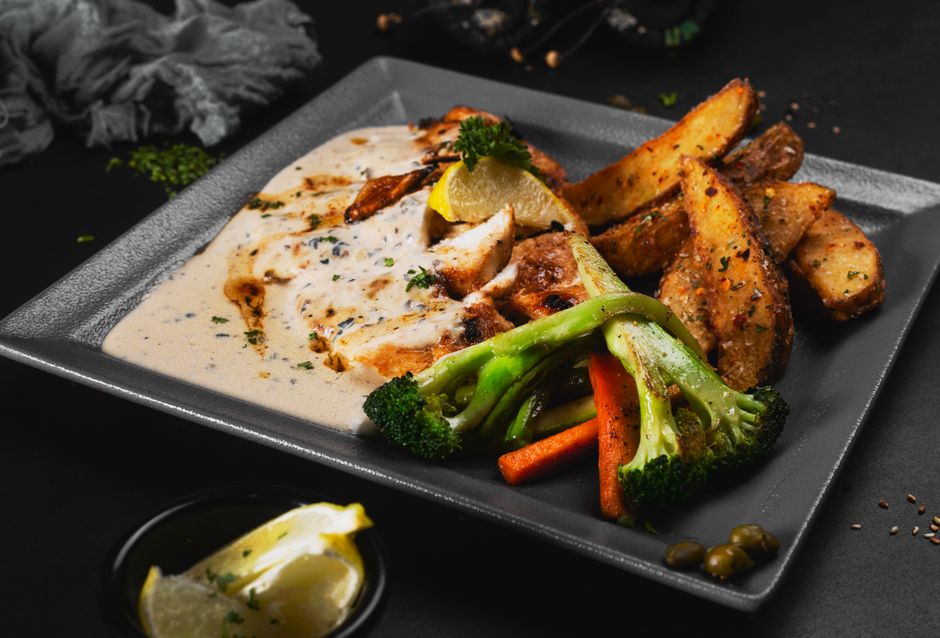
The presentation and serving of Greek lemon chicken and potatoes are as important as its preparation. Once removed from the oven, the dish should be allowed to rest for a few minutes. This allows the juices to redistribute throughout the chicken, resulting in a more tender and flavorful final product. The vibrant golden-brown chicken and potatoes, glistening with the fragrant lemon-olive oil sauce, are typically served directly from the baking dish. The succulent chicken pieces are arranged alongside the tender, flavor-infused potatoes. The pan sauce, rich with lemon, garlic, and chicken drippings, is spooned generously over everything. A garnish of fresh parsley or extra sprigs of oregano can add a pop of color and a hint of freshness. This dish is often served as a complete meal on its own, but it pairs beautifully with a simple Greek salad, crusty bread for sopping up the sauce, or steamed green beans. Tzatziki sauce, with its cool cucumber and yogurt tang, provides a delightful counterpoint to the warm, savory flavors of the chicken and potatoes.
The versatility of Greek lemon chicken and potatoes allows for numerous creative interpretations and adaptations. While the classic recipe is celebrated for its simplicity, chefs and home cooks alike have introduced variations to cater to different palates and dietary needs. For a richer, more decadent flavor, a splash of white wine can be added to the pan liquid before baking. This adds a layer of subtle acidity and complexity. Some recipes incorporate chopped tomatoes or Kalamata olives into the baking dish, adding bursts of sweetness and brine. For those seeking a spicier kick, a pinch of red pepper flakes or a finely chopped jalapeño pepper can be introduced alongside the garlic. Vegetarians or those looking for a lighter meal can omit the chicken and focus on a robust roasted potato and vegetable dish, perhaps incorporating ingredients like bell peppers, zucchini, or red onion, all bathed in the signature lemon-oregano marinade. The choice of potatoes can also be varied; sweet potatoes can offer a sweeter counterpoint to the tart lemon, though their texture will differ from waxy potatoes. For a quicker weeknight meal, boneless, skinless chicken thighs can be used, reducing the cooking time significantly. However, the skin-on, bone-in approach remains the gold standard for achieving that unparalleled crispy skin and moist, flavorful meat. Embracing these variations allows the core essence of Greek lemon chicken and potatoes to be enjoyed in diverse culinary contexts.
The nutritional profile of Greek lemon chicken and potatoes, while leaning towards a hearty meal, offers several benefits when prepared with mindful choices. Chicken, particularly thighs and drumsticks, provides a good source of lean protein, essential for muscle repair and satiety. The bone-in nature also contributes collagen, which can have benefits for skin and joints. Potatoes, while often demonized, are a good source of complex carbohydrates, providing sustained energy. They also offer dietary fiber, particularly when the skin is consumed, aiding in digestion and promoting feelings of fullness. Furthermore, potatoes are a good source of potassium, an important electrolyte for blood pressure regulation, and Vitamin C, an antioxidant. The star ingredient, lemon, is a powerhouse of Vitamin C, a crucial antioxidant that supports the immune system and skin health. Olive oil, especially extra virgin olive oil, is rich in monounsaturated fats, known for their heart-healthy properties and anti-inflammatory benefits. Garlic, a staple in this dish, contains allicin, a compound with potential antimicrobial and antioxidant properties. When prepared with a generous amount of olive oil and served in reasonable portions, Greek lemon chicken and potatoes can be a balanced and nourishing meal. Opting for leaner chicken cuts or reducing the overall amount of oil used can further enhance its health profile. The focus on fresh, whole ingredients minimizes the intake of processed additives and unhealthy fats, making it a wholesome choice for many diets.
The cultural significance of Greek lemon chicken and potatoes extends far beyond its culinary appeal. In Greece, this dish is deeply embedded in the fabric of family life and social gatherings. It’s a dish that evokes memories of childhood, of grandmother’s cooking, and of festive occasions. The aroma of lemon and oregano wafting from the oven signals comfort and warmth, a promise of a shared meal and cherished company. It’s a testament to the Greek philosophy of filoxenia, the art of hospitality, where sharing food is a fundamental expression of welcome and generosity. This dish is often found gracing tables during religious holidays, name days, and Sunday family lunches. Its preparation is often a communal activity, with family members pitching in to chop vegetables or set the table. The simplicity of the ingredients and the straightforward cooking method make it accessible to all, reinforcing its democratic appeal across all socioeconomic strata. It represents a connection to the land, to the bounty of the Mediterranean, and to generations of culinary tradition. The enduring popularity of Greek lemon chicken and potatoes in Greece and its widespread adoption globally are a testament to its universal appeal and its ability to embody the essence of Greek cuisine: fresh, flavorful, and deeply satisfying. It’s a dish that speaks of sunshine, of olive groves, and of the simple joy of good food shared with loved ones.
The SEO potential of "Greek Lemon Chicken and Potatoes" is significant due to its widespread appeal and inherent search volume. The inclusion of both the English and the Greek transliteration, kotopoulo lemonato me patates, caters to a broader audience and increases discoverability for those searching in their native language or looking for authentic recipes. The article is structured to address various search intents, from simple recipe queries to more in-depth explorations of its history, variations, and nutritional aspects. Keywords such as "easy Greek chicken recipe," "one-pan Mediterranean chicken," "roasted lemon potatoes," and "traditional Greek food" are naturally integrated throughout the text, enhancing its visibility in search engine results. The comprehensive nature of the article, covering ingredients, preparation, variations, and cultural context, provides a rich source of information, encouraging longer engagement times and lower bounce rates, both positive signals for SEO. The use of descriptive language and specific culinary terms further contributes to its search engine optimization, making it a valuable resource for anyone seeking to master this beloved Greek dish.


