
Greek Style Lemon Potatoes

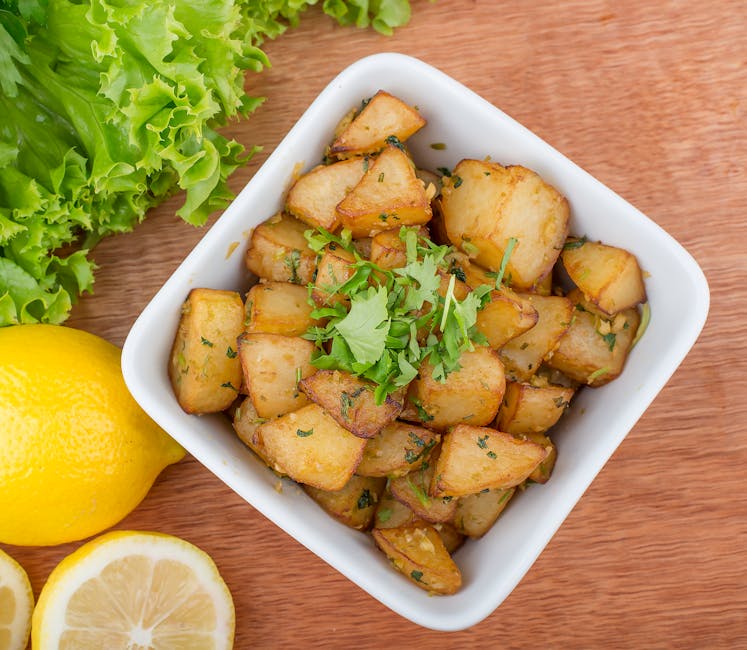
Authentic Greek Lemon Potatoes: A Culinary Masterpiece of Simplicity and Flavor
Greek lemon potatoes, known as patates lemonates, are a cornerstone of Hellenic cuisine, celebrated for their incredibly simple yet profound flavor profile. This dish transcends the ordinary, transforming humble potatoes into a succulent, tangy, and herbaceous delight. The magic lies in the harmonious interplay of fresh lemon juice, olive oil, garlic, and oregano, all working in concert to infuse the potatoes with an unmistakable Mediterranean zest. Far from being a mere side dish, patates lemonates can steal the show, offering a comforting and deeply satisfying experience that speaks to the soul of Greek cooking. The beauty of this recipe lies in its accessibility; readily available ingredients are elevated through a straightforward cooking process, resulting in a dish that is both rustic and refined. Whether served alongside grilled meats, fish, or enjoyed as a vegetarian main, these potatoes offer a burst of sunshine on a plate, embodying the essence of the Mediterranean diet – fresh, vibrant, and utterly delicious.
The foundational element of superior Greek lemon potatoes is, unequivocally, the potato itself. Not all potatoes are created equal when it comes to achieving that perfect tender yet firm texture, golden-brown exterior, and ability to absorb the flavorful liquid. Starchy potatoes, like Russets or Idaho potatoes, are generally not the ideal choice for this preparation. Their high starch content can lead to a mealy texture when baked and may not hold their shape as well, potentially turning mushy. Instead, opt for waxy or all-purpose varieties. Yukon Golds are a perennial favorite, offering a beautiful creamy texture and a subtle buttery flavor that complements the lemon and olive oil beautifully. Fingerling potatoes, with their elongated shape and dense flesh, also perform exceptionally well, developing a delightful chewiness and holding their form admirably throughout the baking process. Red Bliss potatoes, with their thin skins and firm texture, are another excellent contender. Their inherent sweetness provides a pleasant counterpoint to the acidity of the lemon. When selecting your potatoes, look for firm, blemish-free specimens. The size of the potatoes can also influence cooking time; smaller potatoes will cook faster and can be left whole or halved, while larger potatoes may need to be quartered or cut into more substantial wedges to ensure even cooking. The skin-on approach is highly recommended for this dish. The potato skin, when cooked until slightly crispy, adds a delightful textural contrast and imparts a richer, more earthy flavor. Thoroughly washing and scrubbing the potatoes is crucial to remove any dirt or residue, ensuring a clean and pure taste in the final dish. The skin also contains valuable nutrients and contributes to the overall visual appeal of the finished product.
The transformation of raw potatoes into these iconic lemon-infused delights is achieved through a specific cooking method that prioritizes slow, even baking and ample moisture. While some variations might exist, the most traditional and arguably the most successful approach involves roasting the potatoes in a generous amount of liquid. This liquid is not merely water; it’s a carefully concocted broth that forms the flavor backbone of the dish. The process typically begins with preheating the oven to a moderate temperature, usually around 400°F (200°C). This initial heat is important for initiating the browning process on the exterior of the potatoes. The prepared potatoes are then placed in a baking dish, and the magic happens with the addition of the liquid mixture. This mixture is a crucial component, and its ratios are key to achieving the desired outcome. A generous amount of high-quality extra virgin olive oil is essential. This isn’t a dish where you should skimp on the olive oil; its fruity notes and richness are integral to the flavor. The olive oil emulsifies with the lemon juice and other liquids, creating a luscious coating for the potatoes. Freshly squeezed lemon juice is the star ingredient, providing that signature bright, tangy flavor. It’s vital to use fresh lemons, as bottled lemon juice simply cannot replicate the vibrant acidity and aromatic complexity. The acidity of the lemon juice also plays a role in tenderizing the potatoes, allowing them to become wonderfully soft and yielding. Water is often added to temper the intensity of the lemon and olive oil, creating a more balanced braising liquid. Chicken broth or vegetable broth can be used in place of some or all of the water for an even deeper, more savory flavor profile. The quality of the broth will directly impact the final taste of the potatoes.
The aromatics and seasonings are the unsung heroes that elevate Greek lemon potatoes from good to extraordinary. These simple additions imbue the dish with layers of complex flavor that are both comforting and invigorating. Garlic is a non-negotiable component. Fresh garlic cloves, either minced or crushed, release their pungent, sweet aroma as they cook, infusing the entire dish with their distinctive character. The amount of garlic can be adjusted to personal preference, but a generous hand is often recommended for that authentic Greek punch. Dried Greek oregano is the quintessential herb for this dish. Its earthy, slightly peppery notes are a perfect complement to the lemon and olive oil. Ensure you are using good quality, fragrant oregano; stale herbs will yield a muted flavor. Fresh oregano can also be used, but its flavor will be more delicate. Some recipes also call for fresh rosemary, which adds a piney, slightly woody aroma that pairs wonderfully with potatoes and lemon. A pinch of red pepper flakes can be incorporated for a subtle hint of warmth and heat, adding another dimension to the flavor profile. Salt and freshly ground black pepper are, of course, essential for bringing out and balancing all the other flavors. Proper seasoning is paramount; don’t be afraid to taste and adjust the salt and pepper as needed throughout the cooking process, particularly before the final stages. Some cooks also opt for a bay leaf, which imparts a subtle, herbaceous depth to the braising liquid. The beauty of these seasonings lies in their simplicity and their ability to harmoniously blend, creating a symphony of Mediterranean flavors that is both familiar and exciting.
The baking process for Greek lemon potatoes is a delicate dance between braising and roasting, designed to achieve a dual texture that is both soft and slightly crisp. Once the potatoes are in the baking dish, the flavorful liquid mixture is poured over them, ensuring they are at least halfway submerged. This initial stage is more akin to braising, where the potatoes begin to soften and absorb the aromatic liquid. As the potatoes cook, the liquid will reduce, and the exposed parts of the potatoes will begin to caramelize and develop a beautiful golden-brown hue. For an even more pronounced caramelization, some recipes suggest briefly roasting the potatoes at a higher temperature towards the end of the cooking time, or even broiling them for a few minutes, keeping a very close eye to prevent burning. The key is to ensure that the potatoes are cooked through and tender, but not mushy. They should retain their shape and offer a slight resistance when pierced with a fork. The baking time will vary depending on the size and type of potatoes used, typically ranging from 45 minutes to 1 hour, or even longer for larger wedges. During the baking process, it’s beneficial to periodically baste the potatoes with the pan juices. This not only helps to keep them moist but also ensures that every surface of the potato is coated with the flavorful liquid, maximizing the absorption of taste and contributing to a more even browning. The aroma that fills the kitchen during this cooking process is truly enticing, a testament to the power of simple, fresh ingredients.
The final flourish that defines authentic Greek lemon potatoes is often the addition of fresh herbs and a final squeeze of lemon just before serving. This last-minute infusion of freshness elevates the dish from wonderfully cooked to truly spectacular. While dried oregano is used during the cooking process for its sustained flavor, fresh parsley is the classic finishing herb. Finely chopped fresh parsley adds a burst of vibrant green color and a clean, herbaceous note that cuts through the richness of the olive oil and the tang of the lemon. Its bright flavor provides a beautiful contrast to the cooked components of the dish. Some variations might also incorporate finely chopped fresh dill, which offers a slightly anise-like, refreshing flavor that is also very popular in Greek cuisine. A final generous squeeze of fresh lemon juice over the hot potatoes just before they are brought to the table is absolutely crucial. This final hit of acidity brightens all the flavors, making them sing. It awakens the palate and ensures that the lemon flavor is present and vibrant, not dulled by prolonged cooking. This simple act transforms the dish, adding that essential "zing" that is so characteristic of patates lemonates. A drizzle of additional high-quality extra virgin olive oil over the finished dish can further enhance its richness and mouthfeel.
Greek lemon potatoes are incredibly versatile and serve as an ideal accompaniment to a wide array of dishes, embodying the spirit of a balanced and flavorful Mediterranean meal. Their bright, zesty profile makes them a perfect foil for richer, heartier proteins. Grilled lamb chops, marinated in herbs and garlic, find their perfect partner in these tangy potatoes. The acidity of the lemon cuts through the richness of the lamb, creating a harmonious balance on the palate. Roasted chicken, whether whole or in pieces, is equally enhanced by the presence of patates lemonates. The savory juices of the chicken, mingling with the lemon-infused potato liquid, create a delightful melange of flavors. For seafood lovers, these potatoes are an indispensable accompaniment to grilled or baked fish, such as sea bass, snapper, or even simple cod. The delicate flavor of the fish is not overpowered by the potatoes, and the lemon in the dish complements the inherent flavors of the seafood beautifully. Beyond traditional meat and fish pairings, Greek lemon potatoes also shine as a star player in vegetarian and vegan meals. They can be served alongside a hearty Greek salad, complete with feta cheese (or a vegan alternative), olives, tomatoes, and cucumber, creating a light yet satisfying lunch or dinner. Grilled halloumi, with its squeaky texture and salty flavor, is another excellent vegetarian pairing. They also make a wonderful addition to a mezze platter, alongside hummus, tzatziki, dolmades, and pita bread, offering a comforting and flavorful element to a spread of small dishes. Their inherent heartiness also allows them to stand alone as a substantial vegetarian or vegan main course, especially when served with a side of steamed greens or a vibrant grain salad. The simplicity of their preparation belies their ability to elevate any meal, making them a true staple in both casual and more formal dining settings.
The enduring appeal of Greek lemon potatoes lies in their profound ability to deliver maximum flavor with minimal effort, a testament to the core tenets of Hellenic gastronomy. This dish exemplifies the philosophy of "less is more," where the quality of the ingredients and their inherent characteristics are allowed to shine. It’s a recipe that celebrates freshness and simplicity, proving that culinary excellence doesn’t require elaborate techniques or obscure ingredients. The straightforward preparation method makes it an accessible dish for cooks of all skill levels, from beginners to seasoned chefs. Furthermore, the adaptability of patates lemonates to various dietary needs – being inherently gluten-free and easily made vegan – contributes to its widespread popularity in today’s health-conscious culinary landscape. The vibrant flavors, particularly the invigorating citrus notes, contribute to a sense of well-being and satisfaction, aligning perfectly with the principles of the Mediterranean diet. This dish is more than just food; it’s an experience that transports diners to the sun-drenched shores of Greece, evoking feelings of warmth, comfort, and conviviality. Its ability to evoke such a strong sense of place and culture through such simple ingredients is a remarkable culinary achievement. Whether served as a humble side or a celebrated centerpiece, Greek lemon potatoes continue to captivate palates worldwide, a timeless beacon of delicious, wholesome cooking.


