
Grilled Zucchini And Squash

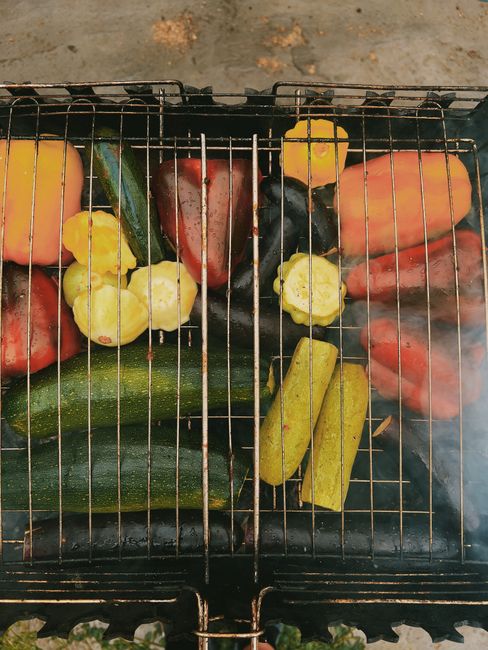
Perfectly Grilled Zucchini and Squash: A Comprehensive Guide to Flavor, Technique, and Seasoning
Grilling zucchini and squash transforms these versatile summer vegetables into a smoky, tender, and incredibly flavorful side dish or light main. The high heat of the grill caramelizes their natural sugars, creating a delightful sweetness and a slightly charred exterior that contrasts beautifully with their soft, yielding interior. This method is not only simple and quick but also allows the inherent flavors of the squash to shine through, making it a perennial favorite for backyard barbecues and weeknight meals alike. Understanding the nuances of selecting, preparing, and grilling these cucurbits is key to achieving optimal results, ensuring a dish that is both visually appealing and utterly delicious. The ideal zucchini and squash for grilling are firm, free of blemishes, and of a moderate size. Overly large specimens can sometimes develop a watery texture and a less desirable seediness. Look for squash with smooth, taut skins.
The preparation of zucchini and squash for grilling is straightforward and essential for achieving even cooking and optimal flavor absorption. Begin by washing the squash thoroughly under cool running water to remove any dirt or debris. Pat them completely dry with paper towels; excess moisture can lead to steaming on the grill rather than direct charring. The most common method of preparation involves slicing. For zucchini and yellow squash (also known as summer squash), slicing them lengthwise into planks about ¼ to ½ inch thick is highly recommended. This shape maximizes surface area for direct contact with the grill grates, promoting excellent char marks and even cooking. Alternatively, you can slice them into rounds of similar thickness. For larger squash, particularly those intended for stuffing or more substantial presentations, halving them lengthwise and then scooping out some of the seeds to create a cavity can be beneficial. This not only reduces potential wateriness but also provides a surface for holding marinades or seasonings. If using smaller, more delicate varieties like pattypan squash, they can often be grilled whole after a simple wash and dry, or halved if their diameter exceeds three inches. Trim off the stem and blossom ends of all squash before proceeding with slicing. This ensures no woody or tough parts interfere with the eating experience.
Marinades and seasonings play a pivotal role in elevating grilled zucchini and squash from a simple side to a culinary highlight. The beauty of these vegetables lies in their ability to absorb flavors readily. A basic yet highly effective marinade can be constructed from extra virgin olive oil, fresh garlic (minced), lemon juice or zest, salt, and freshly ground black pepper. The olive oil helps to prevent sticking on the grill and promotes browning, while the acidity from the lemon juice tenderizes the squash slightly and adds a bright counterpoint to the smoky notes. Garlic provides aromatic depth, and salt and pepper are fundamental for enhancing the natural sweetness. For a more robust flavor profile, consider incorporating fresh herbs such as rosemary, thyme, oregano, or basil into the marinade. Dried herbs can also be used, though fresh often impart a more vibrant taste. Other popular marinade ingredients include balsamic vinegar, soy sauce, sriracha or chili flakes for a touch of heat, and even a hint of honey or maple syrup for added caramelization.
When marinating, it’s crucial to avoid over-soaking, especially with delicate summer squash, as they can become too soft. A marinating time of 15 to 30 minutes at room temperature is typically sufficient. Longer marination, up to an hour, can be beneficial for larger or denser squash varieties. Ensure the squash is evenly coated in the marinade before placing it on the grill. For simpler preparations, a light brushing of olive oil and a generous sprinkle of salt and pepper directly before grilling can yield excellent results, allowing the pure, grilled flavor of the squash to dominate. Don’t underestimate the power of a simple sprinkle of smoked paprika, cumin, or a blend of your favorite grilling spices. These can be applied directly to the squash after a light oiling.
The grilling process itself requires attention to heat, timing, and technique to achieve perfectly cooked zucchini and squash. Preheating your grill to medium-high heat is essential. A clean and well-oiled grill grate is paramount to prevent sticking, which is a common frustration when grilling vegetables. Use a high smoke point oil like canola, grapeseed, or avocado oil to coat the grates. This can be done by dipping a folded paper towel in oil and using tongs to carefully wipe the grates.
Once the grill is hot, carefully arrange the prepared zucchini and squash planks or slices in a single layer directly on the grates. Avoid overcrowding the grill, as this can lower the temperature and lead to steaming rather than grilling. Allow the squash to cook undisturbed for approximately 3 to 5 minutes per side, depending on the thickness of the slices and the heat of your grill. The goal is to achieve distinct grill marks and a tender but not mushy texture. You’ll know it’s time to flip when the vegetables release easily from the grill grates and have developed a beautiful char. Use a thin metal spatula or tongs to flip the squash gently.
Continue grilling for another 3 to 5 minutes on the second side, or until the squash is tender when pierced with a fork. The exact cooking time will vary based on the thickness of your slices and the intensity of your grill. It’s important to monitor the squash closely to prevent overcooking, which can result in a limp and unappealing texture. Some grilling enthusiasts prefer to finish their grilled squash with a brief indirect heat period to ensure even cooking without further charring, but this is often unnecessary for thinly sliced summer squash. The visual cue of tender, slightly browned, and well-marked vegetables is a reliable indicator of readiness.
Beyond simple grilling, there are numerous variations and enhancements that can elevate your grilled zucchini and squash to new heights. Consider adding other vegetables to the grill alongside the squash for a mixed grill platter. Bell peppers, onions, asparagus, and corn on the cob all grill beautifully and complement the flavors of zucchini and squash. For a heartier dish, grill larger squash halves and then stuff them with a mixture of grains, herbs, cheese, or even lean ground meat.
Another popular technique involves skewering vegetables. Cut zucchini and squash into bite-sized cubes and thread them onto metal or pre-soaked wooden skewers, alternating with other vegetables and perhaps chunks of halloumi cheese or marinated tofu. This creates visually appealing and easy-to-handle kebabs. Brush the skewers with your chosen marinade or oil mixture before grilling.
For a delightful finishing touch, consider a sprinkle of crumbled feta cheese, grated Parmesan, or a drizzle of balsamic glaze over the hot grilled squash. Freshly chopped parsley, chives, or mint can also add a burst of freshness and color. A dollop of pesto or a spicy aioli makes an excellent accompaniment.
When it comes to seasoning, the possibilities are vast. Experiment with different spice blends. A sprinkle of za’atar adds a Middle Eastern flair, while a dusting of curry powder can introduce an exotic note. Lemon pepper is a classic for a reason, offering a bright and zesty finish. For a touch of sweetness, a light drizzle of honey or maple syrup after grilling can enhance the caramelization.
For those seeking a lighter, more refreshing preparation, a simple dressing of fresh lemon juice, olive oil, and finely chopped fresh dill or mint, tossed with the grilled squash after it has cooled slightly, is incredibly satisfying. The contrast between the warm, smoky squash and the cool, herbaceous dressing is a summertime delight.
Understanding how to properly grill zucchini and squash extends to their storage and reheating should you have leftovers. Once grilled, allow the vegetables to cool completely before storing them in an airtight container in the refrigerator. They will typically keep for 3 to 4 days. Reheating is best done gently to avoid overcooking. Place the grilled squash on a baking sheet and warm it in a low oven (around 300°F or 150°C) for about 5-10 minutes, or until just heated through. Alternatively, they can be briefly reheated in a skillet over low heat with a little bit of oil. Microwaving is generally not recommended as it can lead to a softer, less desirable texture.
The versatility of grilled zucchini and squash means they can be incorporated into a wide array of dishes. They are a fantastic accompaniment to grilled meats, poultry, and fish, providing a healthy and flavorful counterpoint. Chop them and add them to salads for a smoky element, or toss them with cooked pasta or grains for a light and satisfying meal. They can also be layered into sandwiches or wraps, or served as a base for a vegetarian grain bowl. The slightly charred, tender texture holds up well to other ingredients, making them a flexible addition to many culinary creations.
Ultimately, mastering the art of grilling zucchini and squash comes down to understanding the fundamental principles of heat management, preparation, and seasoning. By selecting the right vegetables, preparing them correctly, and employing a few simple grilling techniques, you can consistently produce a delicious and satisfying dish that highlights the best of summer produce. The smoky aroma, the sweet, tender flesh, and the beautiful grill marks are hallmarks of a perfectly executed grilled squash dish, making it a staple for any summer cookout or healthy meal planning. Experimentation with different marinades, herbs, and spices will further unlock the full potential of these humble yet remarkable vegetables.


