The annual arrival of Hatch chiles signals a significant event for culinary enthusiasts and agricultural markets across the United States. Originating from the fertile Mesilla Valley near Hatch, New Mexico, these specific green chiles are prized for their unique flavor profile, which is heavily influenced by the region’s high altitude, intense daytime sunlight, and cool nighttime temperatures. As the late summer harvest begins, both commercial distributors and home cooks prepare for a window of availability that typically lasts only four to six weeks, creating a surge in demand that frequently outpaces local supply in many regions.
The Significance of the Hatch Harvest
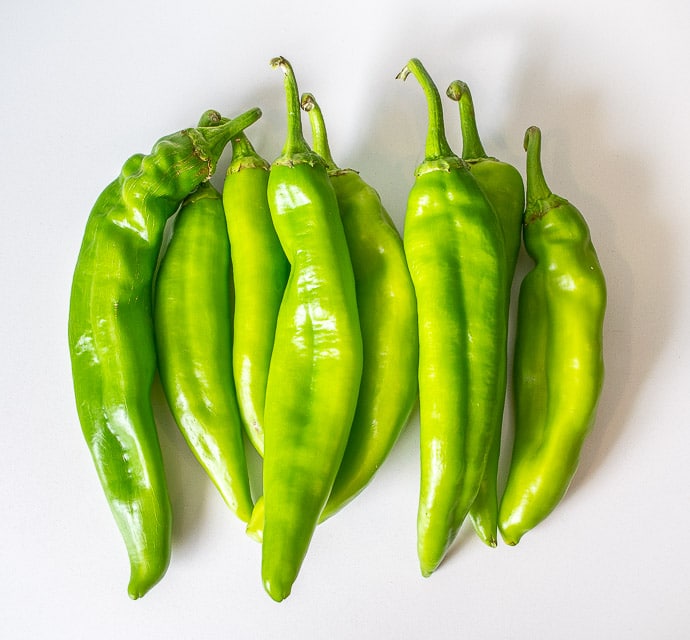
The Hatch chile is not a single botanical variety but rather a collection of cultivars grown within the specific geographical footprint of the Hatch Valley. The timing of the harvest is critical; the chiles are generally picked when they are mature and green, just before they turn red. This short harvest cycle, beginning in early August and often concluding by late September, has turned the season into a cultural event. In New Mexico, the scent of roasting chiles is ubiquitous during these weeks, as large rotating drum roasters are deployed at supermarkets and roadside stands to process the crop.
For those outside the Southwestern United States, securing fresh Hatch chiles often requires navigating supply chains that prioritize local distribution. Market data suggests that while frozen, pre-roasted options have become increasingly available in national grocery chains, a significant segment of consumers continues to source fresh, raw chiles directly from New Mexico-based farms to ensure the integrity of the roasting process at home.
Culinary Preparation and Technical Execution
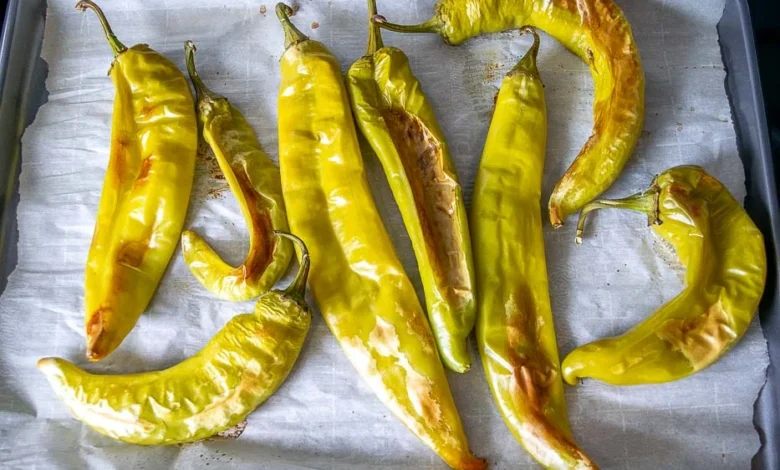
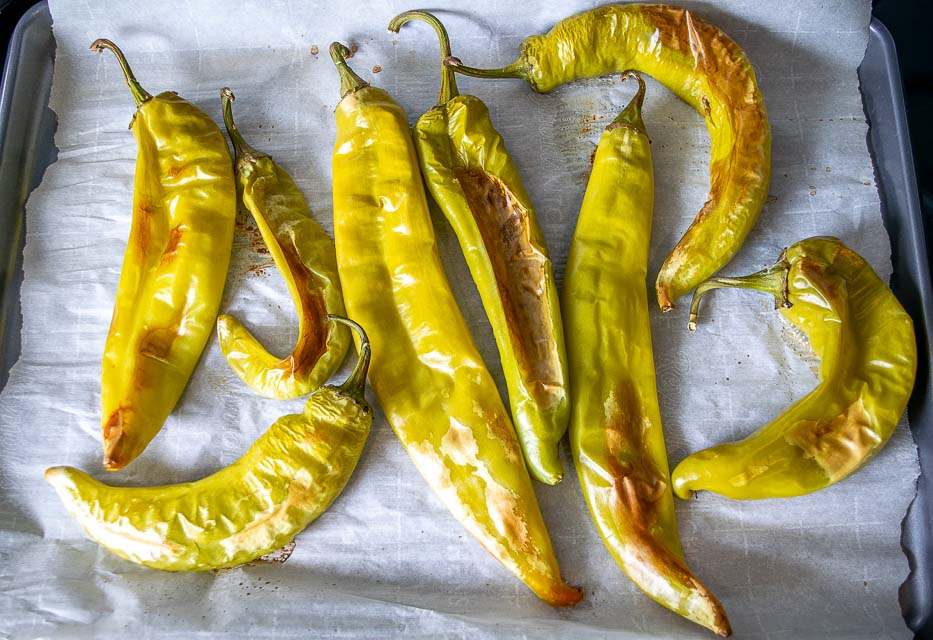
The preparation of authentic Hatch green chile enchiladas relies on the fundamental transformation of the chile through heat. Whether using an oven set to high temperatures, a charcoal grill, or an open flame, the objective is to blister the skin of the chile until it becomes charred and loose. This process serves a dual purpose: it imparts a smoky depth to the vegetable and facilitates the removal of the tough outer skin.
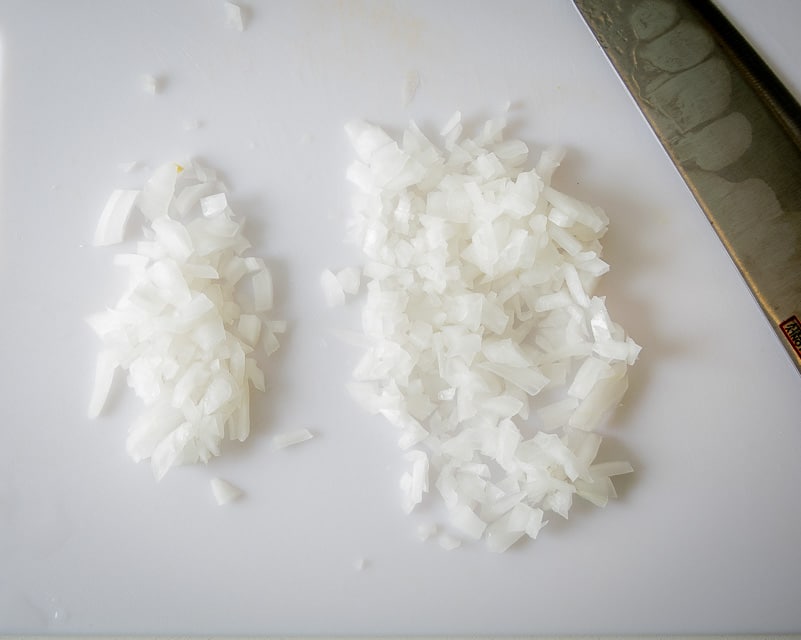
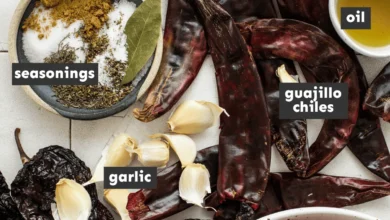
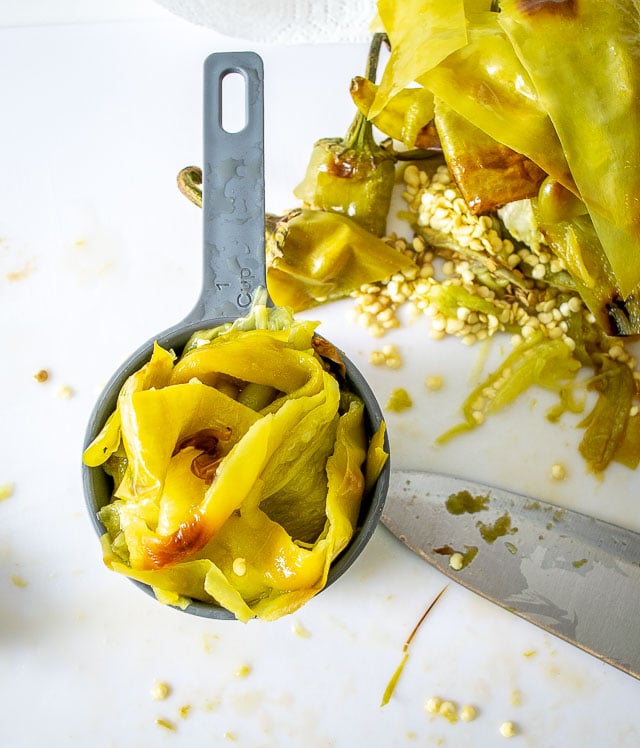
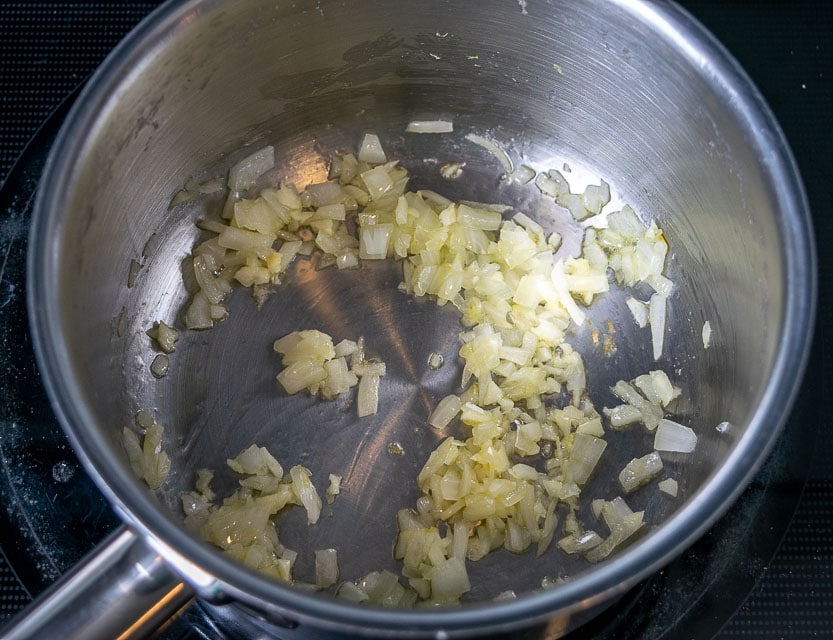
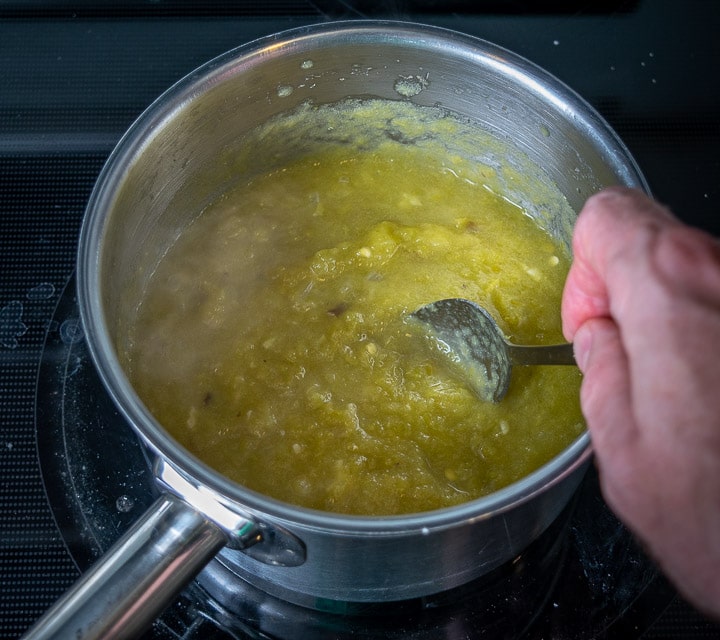
Technically, the preparation follows a standardized sequence. Once the chiles are roasted and allowed to steam, the skin is removed, and the seeds and stems are discarded. The remaining flesh is then incorporated into a sauce base. A professional-grade sauce involves sautéing aromatics—typically onions and garlic—before blending them with the roasted chiles and a high-quality stock. The inclusion of Mexican oregano and a subtle application of cumin are standard, as these spices complement the chiles’ inherent earthiness without masking their signature flavor.
Structural Integrity and Nutritional Considerations
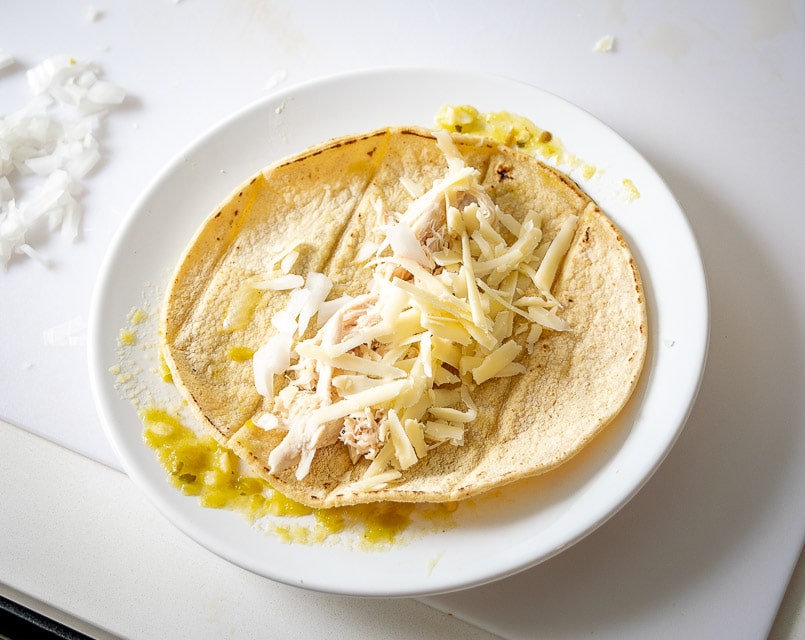
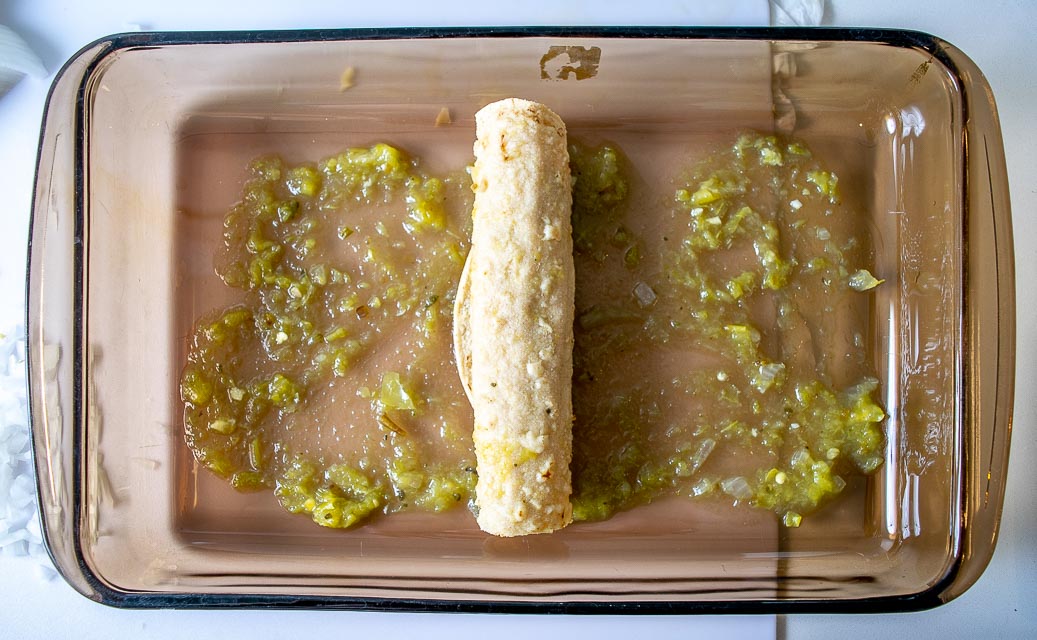
In the construction of the enchilada, the state of the tortilla is a factor in the final outcome. Professional chefs emphasize that corn tortillas must be warmed—either by flash-frying or gentle heating—to prevent cracking during the rolling process. Dredging the tortillas in the sauce before filling them ensures that the flavor profile is consistent throughout the dish, rather than being confined to the exterior.
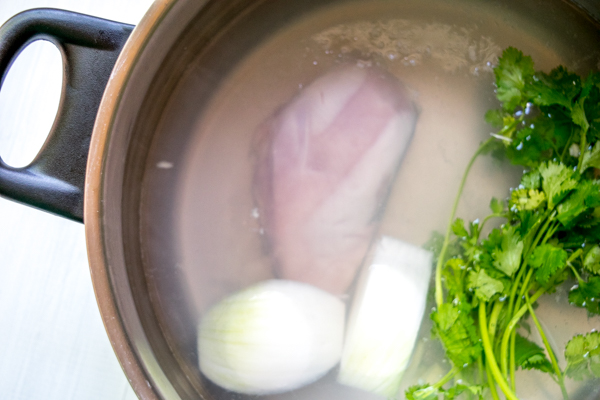
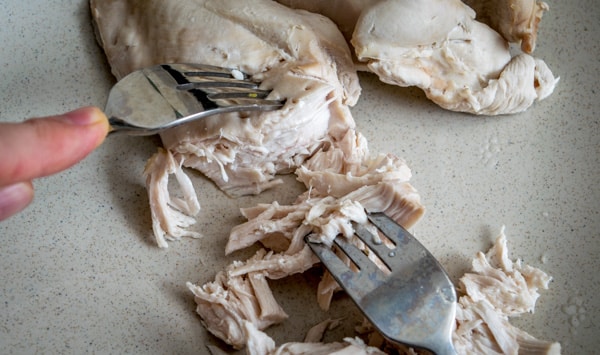
From a nutritional perspective, Hatch chiles are an excellent source of Vitamin C and Vitamin A, and they contain capsaicin, which has been studied for its potential metabolic and anti-inflammatory properties. When preparing the accompanying protein, such as chicken, the method of poaching is often preferred in a culinary setting to maintain moisture levels. Brining the protein for thirty minutes in a saline solution prior to cooking can further enhance the texture, providing a balanced counterpart to the sharpness of the green chile sauce.
Market Implications and Regional Economic Impact
The economic impact of the Hatch chile industry is substantial for the state of New Mexico. The branding of the "Hatch" name has become a protected designation of origin for many local growers, who assert that chiles grown outside this specific microclimate do not possess the same chemical composition or flavor intensity. This regional protectionism has led to increased scrutiny of labeling in national grocery stores, where generic green chiles are sometimes misidentified as "Hatch."
Industry analysts observe that the rising popularity of Southwestern cuisine has expanded the market for these chiles, leading to the development of sophisticated e-commerce platforms that ship fresh harvests overnight. This shift has democratized access to the product, allowing consumers in regions as far as the Pacific Northwest or the Northeast to participate in the seasonal ritual. However, this has also intensified the pressure on local water resources in the Rio Grande basin, as the intensive farming of these specific cultivars requires consistent irrigation during the peak heat of the summer months.
Best Practices for Home Preservation
Given the brevity of the season, preservation is a major focus for enthusiasts. Many consumers purchase the chiles in bulk, roast them in large batches, and freeze them in vacuum-sealed bags. This practice allows for the preparation of dishes like Hatch chicken chile verde or Hatch chile soup well into the winter months.
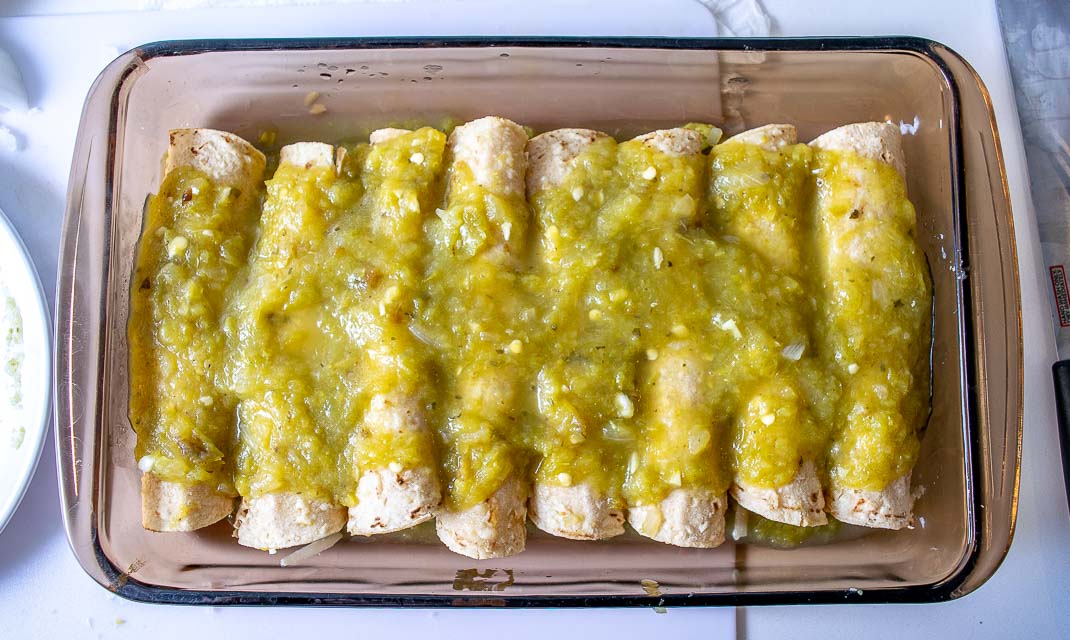
When preparing these dishes, it is important to adjust for the variance in heat levels. Hatch chiles range from mild to extra-hot, and the heat level can vary significantly even within the same harvest. It is a standard culinary precaution to test the spice level of a single batch before committing to the final recipe. For those sensitive to capsaicin, incorporating dairy—such as a traditional Mexican crema or shredded cheese—serves as a necessary palate cleanser that moderates the intensity of the sauce.
Conclusion
The Hatch chile season is more than a mere culinary trend; it is a testament to the influence of regional agriculture on national foodways. By adhering to traditional methods of roasting and sauce preparation, home cooks can replicate the authentic flavors of the American Southwest. As the supply chain continues to evolve, the ability to source these chiles from their origin point remains the gold standard for those seeking to understand the true character of this iconic ingredient. Whether utilized in a classic enchilada or a modern fusion dish, the Hatch chile remains a versatile and essential component of the contemporary American kitchen, bridging the gap between historical agricultural practices and modern gastronomic demand.
Related posts: