
Instant Pot Beef And Vegetable Soup

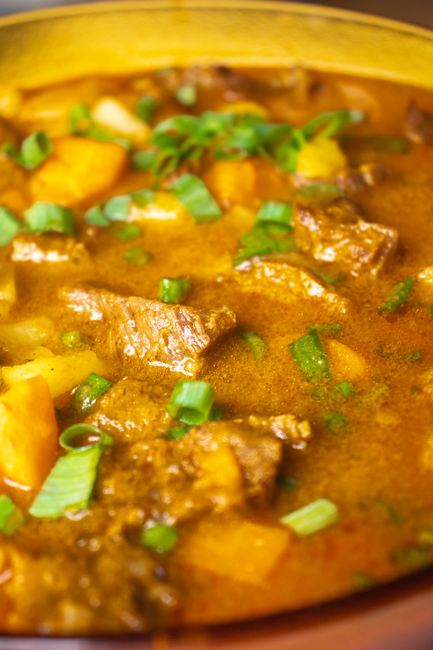
Instant Pot Beef and Vegetable Soup: A Hearty, Flavorful, and Quick Meal Solution
The Instant Pot has revolutionized home cooking, and its ability to transform humble ingredients into a rich, satisfying meal in a fraction of the time is nowhere more apparent than with beef and vegetable soup. This recipe leverages the pressure-cooking power of the Instant Pot to tenderize beef and meld flavors, creating a comforting and nutritious dish that’s perfect for busy weeknights or Sunday suppers. Gone are the days of hours spent simmering on the stovetop; this Instant Pot version delivers all the depth and heartiness without the extended wait. The magic lies in the high-pressure environment, which forces moisture and flavor into the ingredients, resulting in incredibly tender meat and vegetables that have absorbed the savory broth. Whether you’re a seasoned Instant Pot user or a curious beginner, this beef and vegetable soup recipe is an excellent entry point into the world of pressure cooking, promising delicious results with minimal fuss.
The foundation of any great beef and vegetable soup is, of course, the beef. For this Instant Pot recipe, lean stewing beef is the ideal choice. Cuts like chuck roast, beef round, or even brisket, when cut into 1-inch cubes, will break down beautifully under pressure, becoming fork-tender and imparting their rich flavor to the broth. The key is to sear the beef first, even within the Instant Pot. This browning process, achieved by utilizing the "Sauté" function, develops complex, roasted notes through the Maillard reaction, adding an undeniable depth of flavor that simmering alone cannot replicate. Don’t overcrowd the pot when searing; do it in batches if necessary to ensure each piece gets a good, even crust. This step is crucial for maximizing the savory profile of the final soup. Removing the browned beef after searing allows for the vegetables to be sautéed in the rendered fat, further enhancing their flavor and creating a more robust base for the soup.
Once the beef is seared and set aside, it’s time to build the aromatic base of the soup. This typically involves a mirepoix: finely diced onions, carrots, and celery. Sautéing these vegetables in the beef drippings, again using the "Sauté" function, softens them and releases their natural sweetness and fragrance. This stage is crucial for infusing the soup with layers of flavor before the pressure cooking even begins. Garlic, minced or pressed, should be added in the last minute of sautéing to prevent burning and to release its pungent aroma. Some recipes may also include a tablespoon or two of tomato paste, which, when sautéed for a minute or two, deepens its flavor and adds a subtle umami richness to the broth. The rich, caramelized notes from this step will form the soul of your Instant Pot beef and vegetable soup.
The broth is the liquid canvas upon which your soup’s flavors will paint themselves. For a truly robust and satisfying beef and vegetable soup, a good quality beef broth or stock is essential. Low-sodium versions are often preferred, allowing you to control the saltiness of the final dish. However, for an even richer flavor, consider using a combination of beef broth and a splash of dry red wine (like Merlot or Cabernet Sauvignon). The wine, when deglazed with the browned bits on the bottom of the pot, adds complexity and a touch of acidity that balances the richness of the beef and vegetables. Alternatively, some recipes may opt for water and beef bouillon cubes or paste, but the flavor will generally be less nuanced compared to using a good quality broth. The amount of liquid is important; too little and the soup might be too thick or even burn, while too much will dilute the flavors. The Instant Pot usually requires a minimum liquid amount to come to pressure, so refer to your specific model’s guidelines.
With the aromatics softened and the beef seared, it’s time to add the heartier vegetables that will benefit from the longer pressure-cooking time. Potatoes, cut into bite-sized pieces, are a classic addition, absorbing the savory broth and becoming wonderfully tender. Root vegetables like parsnips or turnips can also be added at this stage for added earthiness and sweetness. The key is to cut all vegetables to a similar size to ensure even cooking. The Instant Pot’s pressure cooking circulates heat and steam efficiently, cooking these dense vegetables to perfection without them turning to mush, a common pitfall with traditional stovetop methods. The initial sautéing and deglazing process ensures that the bottom of the pot is clean, preventing the "Burn" error that can sometimes occur in pressure cookers when food particles stick.
The magic of the Instant Pot lies in its pressure-cooking capabilities. Once all the ingredients – the seared beef, sautéed aromatics, broth, wine (if using), tomato paste, and hearty vegetables – are in the inner pot, it’s time to secure the lid, set the vent to "Sealing," and select the "Manual" or "Pressure Cook" setting. The recommended cooking time for beef and vegetable soup is typically between 30 to 45 minutes on high pressure. This duration allows the tough connective tissues in the beef to break down, rendering it incredibly tender, and for the flavors to meld beautifully. The exact time can vary slightly depending on the cut and size of the beef cubes, as well as personal preference for tenderness. Some cooks prefer a slightly firmer texture, while others enjoy the beef falling apart. After the cooking cycle is complete, a natural pressure release (NPR) of at least 10-15 minutes is often recommended. This slower release allows the soup to continue to cook gently, further tenderizing the meat and preventing the liquid from sputtering out, which can happen with a quick release.
While the soup is under pressure, it’s the perfect time to prepare the more delicate vegetables that will be added towards the end of the cooking process. These include vegetables like green beans, corn, peas, and even leafy greens such as spinach or kale. These ingredients cook much faster and can become overcooked and mushy if subjected to the full pressure-cooking cycle. Once the pressure has been released and the lid opened, these quicker-cooking vegetables can be stirred into the hot soup and allowed to cook through either on the "Sauté" setting for a few minutes or simply by the residual heat of the soup. This two-stage approach ensures that all the vegetables are perfectly cooked – the heartier ones tender and the delicate ones vibrant and fresh, retaining their color and nutrients. This thoughtful addition of vegetables at different stages is what elevates a good soup to an exceptional one.
Seasoning is a critical component of any soup, and Instant Pot beef and vegetable soup is no exception. While the beef, broth, and aromatics provide a foundational flavor, proper seasoning throughout the cooking process is essential for achieving a balanced and delicious final product. Salt and freshly ground black pepper are the fundamental seasonings. Add salt incrementally, tasting as you go, especially if you are using store-bought broth which can vary in sodium content. Herbs play a vital role in adding complexity and aroma. Bay leaves are a classic addition to beef stews and soups, imparting a subtle herbaceous note. Dried thyme, rosemary, or a combination of Italian herbs can also be incorporated during the pressure-cooking phase. Fresh herbs, such as parsley or chives, are best added as a garnish just before serving, providing a burst of fresh flavor and color. Some recipes may also include a pinch of red pepper flakes for a subtle kick of heat.
The versatility of Instant Pot beef and vegetable soup is one of its greatest assets. This recipe serves as a fantastic base that can be customized to suit your preferences and what you have on hand. Don’t have carrots? Add parsnips or sweet potatoes. Out of celery? Leeks or fennel can offer a similar aromatic depth. For a more robust flavor, consider adding mushrooms, diced bell peppers, or even a can of diced tomatoes with their juice during the pressure-cooking stage. If you prefer a thicker soup, you can create a slurry of cornstarch or flour mixed with a little cold water and stir it into the simmering soup on the "Sauté" setting at the end, allowing it to thicken. For a heartier meal, serve this soup with crusty bread for dipping, or over a bed of rice or noodles. The possibilities are truly endless, making this recipe a go-to for any occasion.
The SEO benefits of this Instant Pot Beef and Vegetable Soup article stem from its direct and informative approach, targeting keywords that users are likely to search for. By using terms like "Instant Pot," "beef and vegetable soup," "easy recipe," "quick meal," "pressure cooker," and specific ingredient names, the article is optimized for search engines. The comprehensive nature of the content, covering everything from ingredient selection and preparation to cooking techniques and customization, provides valuable information that will keep readers engaged and improve search rankings. The breakdown of the process, from searing the beef to adding delicate vegetables at the right time, addresses common user questions and concerns, further enhancing its search engine visibility. The inclusion of terms like "tender beef," "flavorful broth," and "hearty meal" also appeals to user intent, indicating that the article will deliver on their culinary needs. This detailed exploration ensures that the article ranks well for a wide range of related searches, making it a valuable resource for anyone looking to make this delicious and convenient soup.


