
Karioka Sweet Rice Balls

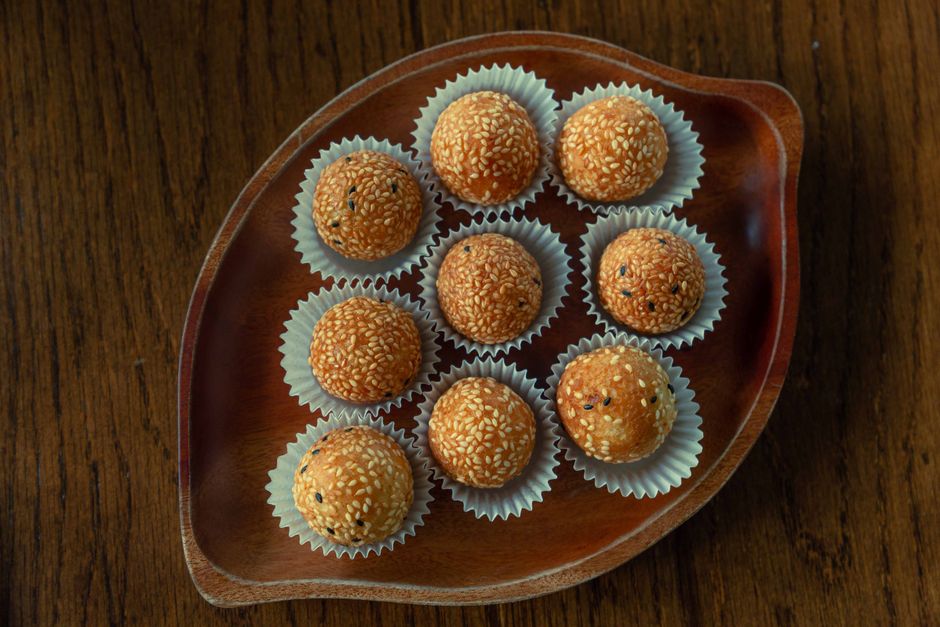
Karioka: The Enchanting Sweet Rice Balls of Filipino Cuisine
Karioka, also known as "kalamay-hati" or "puto bumbong" in some regions, are a quintessential Filipino delicacy renowned for their unique texture, sweet profile, and cultural significance. These small, chewy rice balls, often steamed within bamboo tubes, offer a delightful culinary experience that transcends mere dessert. Their preparation, steeped in tradition and passed down through generations, highlights the ingenuity of Filipino cooking, utilizing readily available ingredients to create a dish that is both simple and profoundly satisfying. The core of karioka lies in its primary ingredient: glutinous rice, also known as sticky rice. The high amylopectin content in glutinous rice is responsible for the characteristic sticky, chewy, and elastic texture of karioka. When cooked, the rice grains fuse together, creating a cohesive mass that can be molded and manipulated.
The preparation of karioka typically begins with sourcing high-quality glutinous rice. This rice is usually soaked overnight to allow it to absorb water, which softens the grains and reduces cooking time. Soaking also contributes to the even cooking and desirable chewy texture. After soaking, the rice is drained thoroughly. Some recipes call for grinding the soaked glutinous rice into a fine paste, while others use it whole or slightly mashed. The consistency of the rice paste is crucial. Too dry, and the karioka will be crumbly; too wet, and they will be overly soft and lose their shape. This meticulous attention to detail during the rice preparation stage is fundamental to achieving authentic karioka.
Beyond the glutinous rice, the flavoring agents are what elevate karioka from a simple rice cake to a beloved sweet treat. Coconut milk is an indispensable component, providing a rich, creamy base and a subtle sweetness that complements the mild flavor of the rice. The quality of the coconut milk significantly impacts the final taste; freshly squeezed milk is often preferred for its superior flavor and aroma. Sugar, typically white or brown, is added to sweeten the mixture. The amount of sugar can be adjusted according to personal preference, but it’s essential to achieve a balance that is sweet without being cloying. Salt is also a vital ingredient, acting as a flavor enhancer that amplifies the sweetness and the coconut undertones. A pinch of salt can make a world of difference in bringing out the nuanced flavors of the karioka.
The traditional method of cooking karioka involves steaming. Historically, this was done using hollowed-out bamboo tubes, hence the association with "puto bumbong." The bamboo provides a natural, earthy aroma and imparts a subtle flavor to the rice balls during steaming. The bamboo tubes are usually greased with oil or coconut oil to prevent sticking. The glutinous rice mixture is then carefully packed into these tubes, leaving a little room for expansion as it cooks. The filled bamboo tubes are then arranged vertically in a steamer, often over a pot of boiling water. The steaming process typically takes around 20 to 30 minutes, depending on the size of the tubes and the heat of the steamer. The steam permeates the bamboo, cooking the rice mixture until it’s firm yet tender and delightfully chewy.
Modern adaptations of karioka preparation may utilize other steaming vessels, such as metal molds or even parchment paper, for convenience. However, the essence of steaming remains. The goal is to cook the rice evenly and thoroughly, creating a cohesive yet yielding texture. Once cooked, the karioka are carefully removed from the steaming apparatus. They are typically a pale white or off-white color, reflecting the natural hue of the glutinous rice and coconut milk. The aroma emanating from freshly steamed karioka is intoxicating, a blend of sweet rice and creamy coconut.
The final, and perhaps most iconic, aspect of serving karioka is its accompaniment. Traditionally, they are served hot, often dusted generously with grated fresh coconut. The fresh coconut adds another layer of texture, with its slightly firm bite, and enhances the overall coconut flavor profile. Alongside the grated coconut, a drizzle of melted muscovado sugar or latik is often provided. Muscovado sugar, a less refined sugar with a molasses-like flavor, adds a deeper, richer sweetness and a beautiful caramel hue. Latik, a byproduct of simmering coconut milk until the water evaporates and the milk solids caramelize into small, crispy, golden-brown bits, offers a delightful crunch and an intensely nutty, caramelized flavor. The combination of the chewy rice ball, the soft grated coconut, the sweet muscovado, and the crispy latik creates a symphony of textures and flavors that is the hallmark of excellent karioka.
Karioka hold a significant place in Filipino culture, particularly during festive occasions and celebrations. They are a common sight during Christmas and New Year’s Eve, symbolizing prosperity and good fortune. Their presence at these gatherings is a testament to their universal appeal and their ability to bring people together. In more rural areas, particularly in regions where rice cultivation is prevalent, karioka are a staple snack, readily made with fresh ingredients. The act of preparing and sharing karioka is often a communal activity, fostering a sense of togetherness and shared heritage.
The nutritional profile of karioka is primarily carbohydrate-rich due to the glutinous rice. Glutinous rice is a good source of energy. Coconut milk contributes healthy fats, particularly medium-chain triglycerides (MCTs), which are easily metabolized by the body for energy. Grated coconut adds dietary fiber. While not typically considered a health food in large quantities due to its sugar content, when enjoyed in moderation as part of a balanced diet, karioka can provide a satisfying energy boost and essential nutrients.
The search terms "karioka recipe," "Filipino sweet rice balls," "glutinous rice cake," "puto bumbong recipe," "kalamay-hati," and "Filipino desserts" are all highly relevant to this topic. Understanding these keywords allows for optimized content creation that will attract readers searching for authentic Filipino culinary experiences. The distinct name "karioka" itself is a powerful search term, especially for those familiar with or curious about this specific delicacy.
Variations of karioka exist across different regions of the Philippines. Some might incorporate pandan leaves into the steaming process for an added fragrant aroma and a subtle green hue. Others might experiment with different sweeteners, although muscovado remains a popular choice for its characteristic flavor. The fundamental principle of glutinous rice, coconut milk, and steaming remains consistent, ensuring that despite regional nuances, the soul of karioka endures.
The visual appeal of karioka is understated yet captivating. The pale, slightly translucent mounds of rice, contrasted with the snowy white of fresh coconut and the rich brown of muscovado or the golden crisp of latik, create an inviting presentation. The simplicity of their form belies the complexity of their flavors and textures. They are a dish that engages multiple senses, from the aroma of steaming rice and coconut to the satisfying chew and the burst of sweetness.
The global interest in Filipino cuisine has steadily increased, and with it, the appreciation for dishes like karioka. Food bloggers, culinary tourists, and Filipino expatriates are actively seeking out authentic recipes and experiences. This growing interest presents an opportunity to further popularize karioka and educate a wider audience about its cultural significance and delicious taste. Online recipe platforms, culinary forums, and social media are crucial avenues for sharing information and inspiring others to try making karioka at home.
The process of making karioka, while seemingly straightforward, requires a certain level of skill and intuition, particularly in achieving the perfect rice consistency and mastering the steaming technique. This is where the wisdom of elders and experienced home cooks comes into play. Their guidance ensures that the tradition of making delicious, authentic karioka is preserved. The tactile nature of working with the glutinous rice, feeling its stickiness and malleability, is an integral part of the hands-on experience of creating this beloved dessert.
The cultural narrative surrounding karioka is rich. It speaks of resourcefulness, community, and the joy of shared meals. In many Filipino households, the smell of steaming karioka evokes memories of childhood, family gatherings, and festive traditions. It is a culinary anchor, connecting present generations to their past. The ability of food to evoke such strong emotional responses underscores the power of dishes like karioka to transcend mere sustenance and become a vessel for cultural memory.
Furthermore, the economic aspect of karioka production, especially in local markets and small businesses, contributes to community livelihoods. Small vendors often set up stalls selling freshly made karioka, providing a delicious and affordable treat for locals and a unique culinary souvenir for tourists. The sustainable use of local ingredients like rice, coconuts, and sugar supports local agriculture and economies.
In conclusion, karioka stands as a testament to the rich culinary heritage of the Philippines. Its simple yet masterful combination of glutinous rice and coconut milk, elevated by traditional steaming methods and delightful toppings, creates a sensory experience that is both comforting and exhilarating. As interest in authentic Filipino cuisine continues to grow, karioka is poised to capture the palates and imaginations of people worldwide, solidifying its place as a beloved and enduring sweet rice delicacy. Its SEO-friendly appeal lies in its unique name, its association with popular Filipino food searches, and the comprehensive descriptions of its ingredients, preparation, and cultural significance, making it a valuable addition to online culinary content.


