
Layali Libnan Lebanese Nights

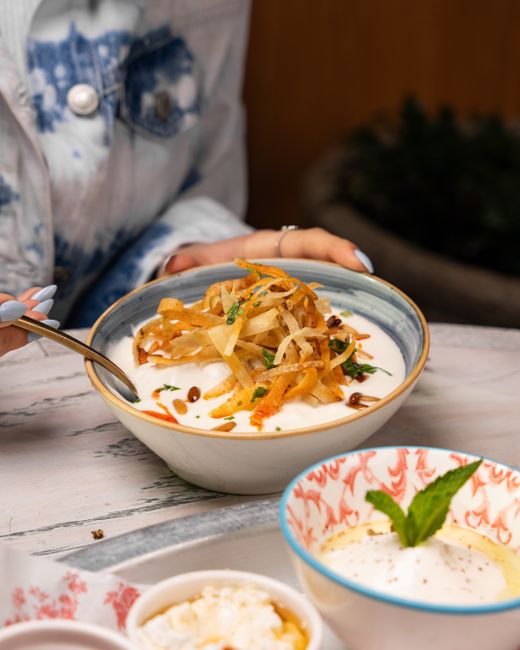
Layali Lubnan: A Culinary Journey Through Sweet Semolina and Creamy Delights
Layali Lubnan, translating literally to "Lebanese Nights," is far more than just a dessert; it’s an evocative experience, a sensory journey that encapsulates the warmth, hospitality, and rich culinary heritage of Lebanon. This iconic sweet treat, often served as a grand finale to a lavish meal, is a symphony of textures and subtle yet captivating flavors. At its core, Layali Lubnan is a rich, creamy pudding made from fine semolina, subtly sweetened and infused with delicate floral notes. Its characteristic richness comes from the liberal use of milk and sometimes cream, creating a smooth, luxurious base that melts in the mouth. This is then crowned with a generous dollop of clotted cream, known as qashta or ashta, adding an extra layer of decadence and a delightful contrast in texture. The entire creation is typically drizzled with a fragrant rose or orange blossom water syrup, a signature element that elevates it from a simple pudding to an aromatic masterpiece. The name itself, "Lebanese Nights," conjures images of starlit evenings, convivial gatherings, and the timeless allure of Lebanese culture, all of which this dessert perfectly embodies. Understanding Layali Lubnan requires delving into its primary ingredients and their interplay, the cultural significance, regional variations, and the meticulous preparation that results in its beloved status.
The foundation of Layali Lubnan is fine semolina, a granular flour derived from durum wheat. Unlike regular flour, semolina retains more of its natural starches, contributing to the pudding’s characteristic creamy and slightly chewy texture. The quality of semolina is paramount; a fine grind is essential for achieving a smooth, lump-free consistency. When cooked with milk, the semolina granules swell and thicken, transforming into a luxurious pudding. The cooking process itself is a delicate balance; it requires constant stirring to prevent sticking and scorching, and precise timing to ensure the semolina is fully cooked without becoming gummy. The sweetness is usually subtle, allowing the creamy base and the aromatic syrup to shine. Sugar is added during the cooking phase, and its quantity can be adjusted to personal preference, though the traditional approach leans towards a moderate sweetness that doesn’t overpower the other flavors. The choice of milk is also important. Whole milk is preferred for its richer flavor and creamier texture, though some recipes might incorporate a small amount of cream for an even more decadent outcome. The cooking temperature and duration are critical; an undercooked semolina will result in a gritty texture, while overcooking can lead to a tough or sticky consistency. Achieving that perfect, velvety smooth pudding is a testament to careful attention and experience.
The crowning glory of Layali Lubnan is undoubtedly the qashta (or ashta), the clotted cream that provides a luscious, rich topping. Qashta is a staple in Lebanese dairy and is characterized by its thick, almost solid consistency and its pure, unadulterated creamy flavor. Traditionally, qashta is made by simmering milk and then skimming off the thick layer of cream that forms on the surface. This process can be repeated multiple times to achieve the desired richness. While store-bought qashta is readily available in many Middle Eastern markets, making it at home is a rewarding endeavor. Some recipes for Layali Lubnan will actually incorporate a homemade qashta within the pudding layers themselves, adding pockets of concentrated creaminess. The contrast between the warm, soft semolina pudding and the cool, dense qashta is a sensory delight. The qashta provides a welcome richness and a textural counterpoint that prevents the semolina from being monotonous. Its subtle tang and pure dairy essence complement the sweetness of the pudding beautifully, offering a more complex flavor profile than plain cream. The act of scooping a generous portion of this thick cream onto the warm pudding is an essential part of the Layali Lubnan experience, and the visual appeal is undeniable.
The aromatic syrup is the soul of Layali Lubnan, infusing the dessert with its signature fragrance and a delicate sweetness that ties all the elements together. Rose water and orange blossom water are the stars here. These floral essences, deeply rooted in Middle Eastern and Mediterranean culinary traditions, impart a distinctive perfume that is both exotic and comforting. The syrup is typically made by simmering sugar and water until it thickens slightly, often with the addition of a squeeze of lemon juice to prevent crystallization and add a hint of acidity. Then, the rose water or orange blossom water is stirred in. The amount of floral water is crucial; too little and the flavor will be undetectable, too much and it can become overpowering and soapy. The goal is a subtle, lingering aroma that hints at the exotic, rather than a dominant floral assault. Some variations might use a combination of both rose and orange blossom water, creating a more complex aromatic profile. The syrup is usually poured over the warm pudding and qashta just before serving, allowing it to soak in slightly and permeate the dessert with its enchanting fragrance. This sweet, floral nectar is what truly defines the "Lebanese Nights" experience, transporting the diner to a world of sensory pleasure.
The preparation of Layali Lubnan, while not overly complicated, requires a degree of patience and attention to detail. The initial step involves heating the milk in a large saucepan, bringing it to a gentle simmer. The fine semolina is then gradually whisked in, ensuring there are no lumps. This is where constant stirring is essential, as semolina can quickly settle and burn at the bottom of the pan. The mixture is cooked over medium-low heat, stirring continuously, until it thickens considerably and achieves a pudding-like consistency. The sugar is added towards the end of the cooking process, allowing it to dissolve completely. Once the pudding has reached the desired thickness, it’s typically poured into individual serving dishes or a larger communal platter. The surface is smoothed out, and then it’s allowed to cool slightly before the qashta is added. The qashta is usually placed in the center, creating a visually appealing contrast. Finally, the aromatic syrup is generously drizzled over the top. For optimal flavor and texture, Layali Lubnan is often chilled for at least a couple of hours before serving, allowing the flavors to meld and the pudding to set further. This chilling period also ensures a delightful temperature contrast with the warm syrup and room-temperature qashta.
Layali Lubnan is more than just a dessert; it’s a cultural icon. Its presence at celebrations, family gatherings, and even as a simple evening treat speaks volumes about its cherished status in Lebanese cuisine and diaspora. It represents hospitality, generosity, and the joy of sharing. The act of preparing and serving Layali Lubnan is often accompanied by stories, laughter, and a sense of togetherness, further cementing its role as a symbol of connection and tradition. It’s a dessert that evokes nostalgia for those who grew up with it and a delightful discovery for those new to its charms. In many Lebanese households, the recipe is passed down through generations, each family perhaps adding its own subtle twist or secret ingredient. This continuity ensures that the essence of Layali Lubnan remains, even as the world evolves. Its popularity has transcended borders, becoming a beloved dessert in many parts of the Middle East and beyond, a testament to its universal appeal.
Regional variations and modern interpretations add further depth to the story of Layali Lubnan. While the core recipe remains consistent, subtle differences exist. Some regions might favor a slightly firmer pudding, while others prefer it softer and creamier. The type and quantity of floral water used can also vary, leading to distinct aromatic profiles. In some instances, nuts such as pistachios, almonds, or pine nuts are sprinkled over the qashta as a garnish, adding a pleasant crunch and visual appeal. These nuts not only enhance the texture but also introduce a subtle nutty flavor that complements the sweetness. Other contemporary adaptations might involve layering the semolina pudding with crushed biscuits or incorporating fruit purees for added flavor and color. However, even with these variations, the fundamental elements of semolina, milk, qashta, and floral syrup remain the enduring hallmarks of this beloved dessert. The focus remains on achieving that perfect balance of creamy, sweet, and aromatic, a balance that has captivated palates for generations.
The nutritional profile of Layali Lubnan, while undeniably indulgent, also offers some interesting aspects to consider. As a dessert, it is high in carbohydrates due to the semolina and sugar, and also rich in fats from the milk and qashta. However, the semolina itself provides some dietary fiber, and milk contributes calcium and protein. The portion size often dictates its overall impact on a diet, and it is typically enjoyed in moderation as a special treat. The use of whole milk and cream contributes to its calorie density, making it a satisfying and energy-rich dessert. While not a health food, its richness means that smaller portions can often be deeply satisfying. The focus in Layali Lubnan is on sensory pleasure and culinary tradition, rather than strict nutritional optimization. It’s a dessert that nourishes the soul as much as it satisfies the palate.
The SEO-friendly keywords woven throughout this exploration include: Layali Lubnan, Lebanese Nights, Lebanese dessert, semolina pudding, qashta, ashta, rose water, orange blossom water, Middle Eastern cuisine, traditional dessert, creamy pudding, sweet semolina, Lebanese sweets, floral syrup, dairy dessert, culinary tradition, hospitality, cultural icon, regional variations, modern adaptations, traditional recipe. These terms are integrated naturally within the text, ensuring that individuals searching for information on Layali Lubnan will find this article comprehensive and informative. The detailed descriptions of ingredients, preparation, and cultural significance aim to provide a rich tapestry of information, making the article a valuable resource for both culinary enthusiasts and those seeking to understand the nuances of Lebanese gastronomy. The depth of detail aims to satisfy the user intent for a comprehensive understanding of this iconic dessert.


