Mastering Meal Prep: The Rise of Batch Cooking and the September Mini Freezer Stash Phenomenon

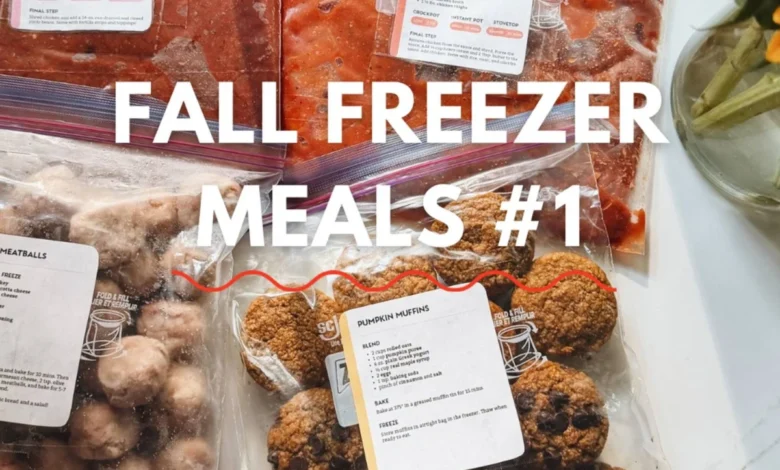
As modern households face increasingly demanding schedules, the intersection of culinary arts and time management has given rise to a significant shift in domestic routines. The trend of batch cooking and strategic meal freezing—long utilized by commercial kitchens—has gained substantial traction among residential cooks seeking to optimize their weekly schedules. At the forefront of this culinary efficiency movement is the newly released September Mini Freezer Stash, a curated collection of seasonal recipes designed to alleviate the cognitive load of daily meal planning during the hectic autumn transition.
The Evolution of Domestic Meal Planning
The practice of preserving meals ahead of schedule dates back centuries, rooted in agricultural necessity and seasonal harvesting. However, contemporary home economics has redefined freezer cooking not as a method of food preservation out of scarcity, but as a strategic tool for lifestyle optimization. In recent years, sociological shifts driven by dual-income households, demanding extracurricular calendars for children, and the post-pandemic stabilization of hybrid work schedules have amplified the demand for frictionless dinner solutions.
Nutritionists and culinary experts note that the psychological benefits of advance meal preparation are as significant as the logistical ones. Having wholesome meals readily available reduces decision fatigue—a well-documented psychological phenomenon where the quality of decision-making deteriorates after a long session of decision-making—which often peaks during the traditional evening dinner hour. By shifting the culinary labor to a designated weekend preparation window, households report lower stress levels and a higher incidence of balanced, home-cooked meals compared to reliance on commercial takeout or ultra-processed convenience foods.
Anatomy of the September Mini Freezer Stash
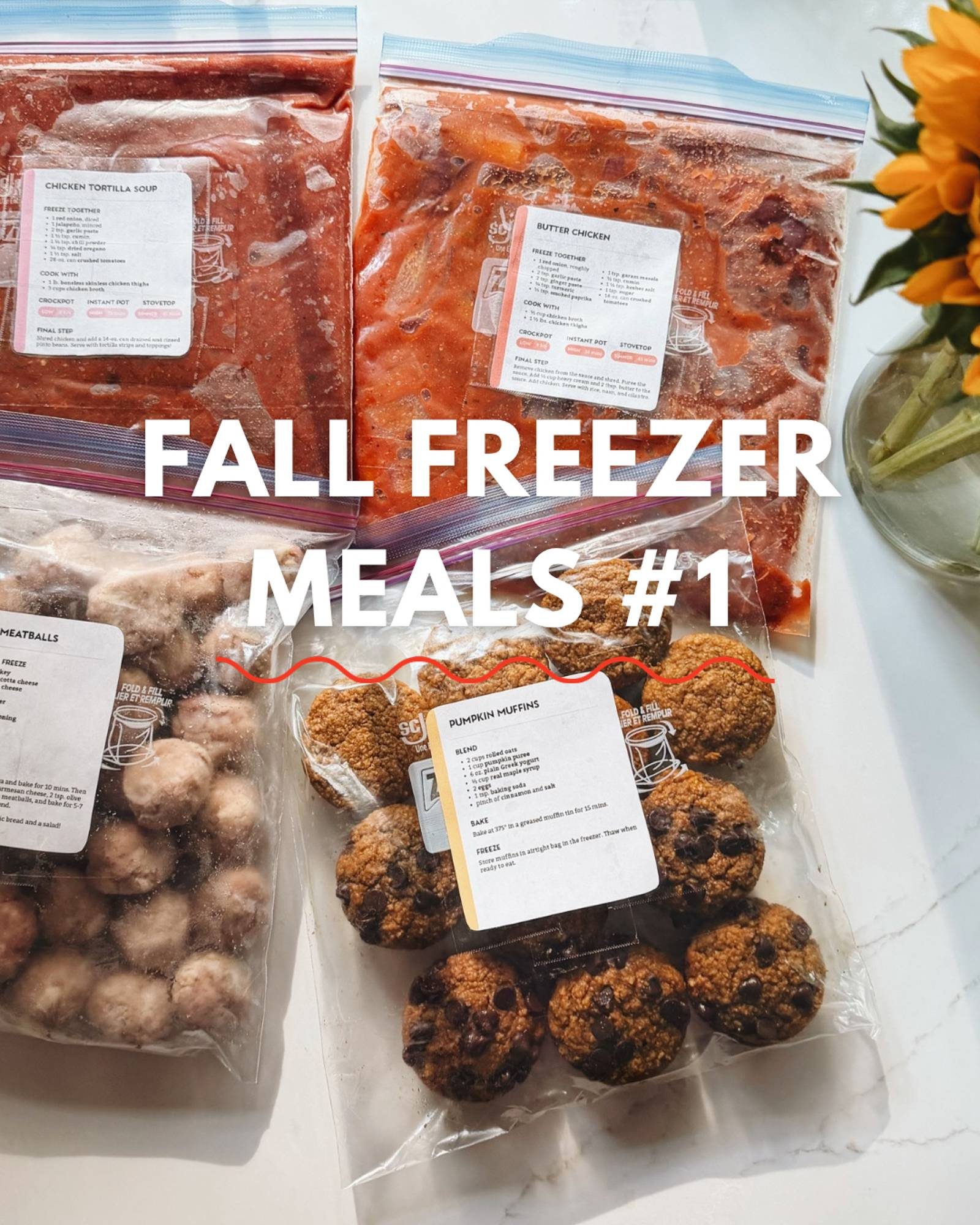
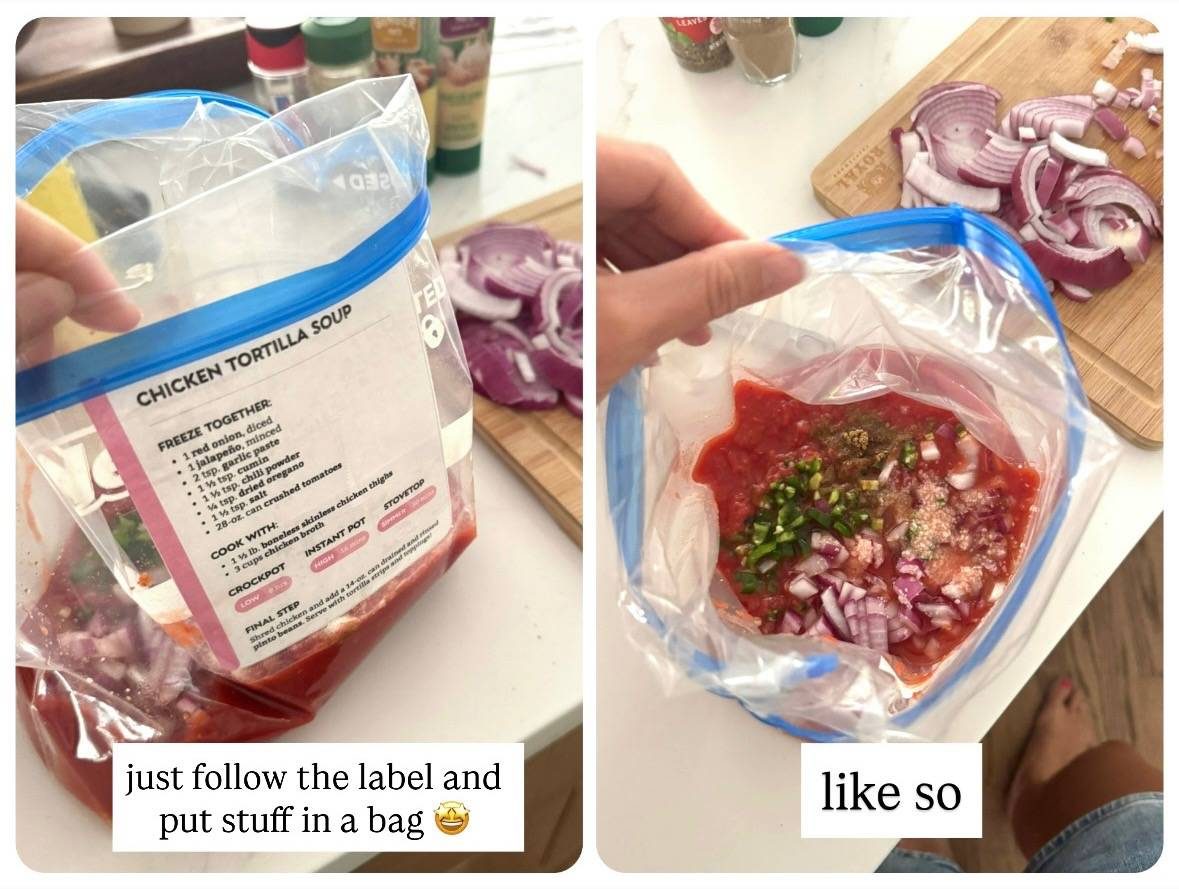
Designed specifically to bridge the culinary gap between late summer and the heart of autumn, the September Mini Freezer Stash focuses on high-utility, nutrient-dense comfort foods. Unlike massive, overwhelming bulk-cooking initiatives that often lead to ingredient waste and freezer fatigue, this curated collection emphasizes a modular approach. The system relies heavily on foundational ingredients that can be assembled in flexible storage formats, primarily heavy-duty freezer bags, minimizing cleanup and maximizing space efficiency in standard domestic freezers.
The collection features four distinct, top-rated autumn recipes formulated specifically to withstand the structural degradation often caused by freezing temperatures. By prioritizing ingredients that maintain their cellular integrity and moisture retention during the thawing and reheating process, the collection addresses common pitfalls of home-frozen meals, such as mushy textures or separated sauces.
1. Nutrient-Dense Pumpkin Muffins
Representing the breakfast and school lunch sector of the meal plan, this recipe yields 16 to 18 muffins designed for rapid preparation. The formulation utilizes a streamlined blender method, incorporating rolled oats directly into the batter to provide complex carbohydrates and dietary fiber reminiscent of traditional bran muffins. Once baked at 375 degrees Fahrenheit for 15 to 17 minutes, the muffins can be stored in airtight containers and efficiently reheated in a microwave within 45 to 60 seconds, offering a balanced morning option without morning-of preparation time.
2. Adaptable Butter Chicken
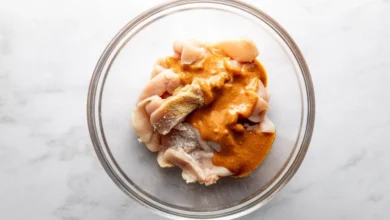
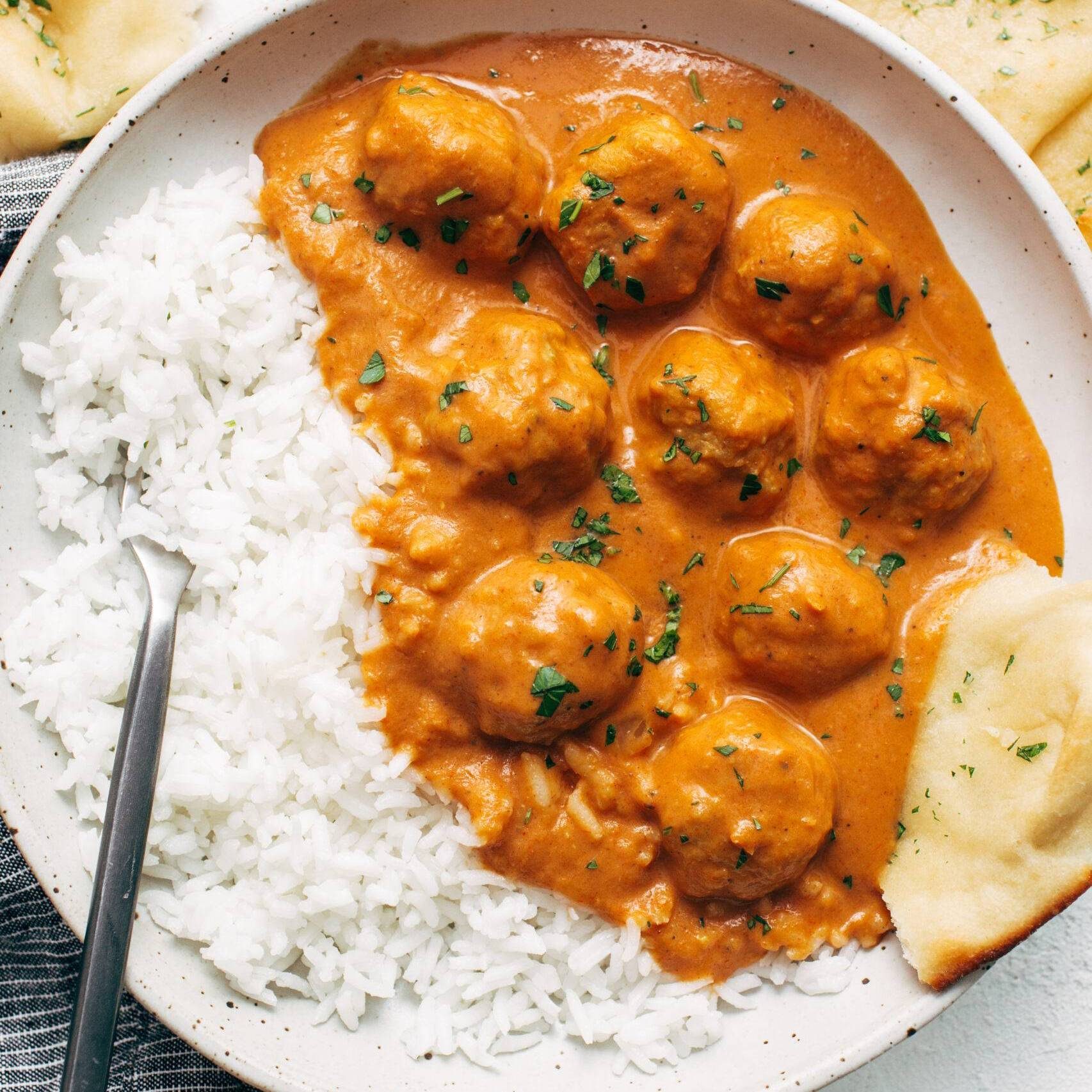
Addressing the demand for globally inspired, protein-rich dinners, this versatile recipe serves four and offers dual protein presentation options, accommodating either traditional chicken thighs or pre-formed meatballs. The core components are frozen together in a raw state, allowing for passive cooking via a slow cooker set to low for eight hours, an Instant Pot on high for 16 minutes, or a traditional stovetop simmer for 30 minutes. The dish utilizes a two-stage finishing technique: the protein is shredded or separated while the sauce is pureed using an immersion blender, followed by the incorporation of heavy cream and butter to restore richness, served alongside traditional accompaniments such as basmati rice and naan.
3. Hearty Chicken Tortilla Soup
Positioned as a transition dish for cooler evening temperatures, this soup serves six and is structured around a raw-to-cooked freezing profile. Ingredients are combined in a storage bag and processed through either a slow cooker or pressure cooker format. In its final preparation phase, shredded chicken is combined with rinsed pinto beans to enhance both protein and fiber content. The dish is designed to be finished with fresh garnishes—including crispy tortilla strips, lime wedges, and sour cream—to provide textural contrast and brightness.

4. Ricotta Meatballs with Crispy Herb Topping
Designed to yield four to five servings, this recipe incorporates ricotta cheese into the meatball matrix to ensure moisture retention despite freezing cycles. Unlike dump-and-freeze soup formats, these meatballs are pre-rolled, placed on parchment-lined pans for initial structural freezing, and subsequently divided into storage bags. Preparation involves baking the frozen meatballs at 400 degrees Fahrenheit for 30 minutes, followed by a secondary ten-minute bake submerged in marinara sauce. The dish is completed with a custom-mixed panko, parmesan, and olive oil topping that is broiled to achieve a golden, crunchy exterior.
Logistical Efficiency and Economic Implications
Beyond the immediate culinary convenience, structured freezer stashes offer measurable economic benefits. Food waste remains a significant challenge in modern households; according to agricultural and environmental data, perishable ingredients frequently spoil before utilization due to unpredictable weekly schedules. By purchasing ingredients in bulk quantities specifically targeted for a cohesive set of recipes, home cooks can reduce per-unit food costs while minimizing edible waste.
Furthermore, the integration of downloadable, printable recipe cards designed to be affixed directly to storage bags reflects a growing trend in consumer-driven organizational tools. Behavioral studies in domestic management indicate that visual clarity and standardized labeling significantly reduce the abandonment rate of home-preached freezer meals, ensuring higher inventory turnover and sustained engagement with long-term meal planning habits.
Broader Impact on Modern Domestic Management
The popularity of targeted freezer meal collections underscores a broader cultural movement toward intentional home economics. As consumers navigate economic pressures and tightening schedules, the kitchen has increasingly become a site of strategic efficiency rather than daily improvisation.
Industry analysts suggest that the demand for modular, scalable meal-prep frameworks will continue to expand, influencing how food brands package staple ingredients and how kitchen appliance manufacturers design compact, highly efficient freezing units for residential spaces. By transforming the traditional chore of dinner preparation into a predictable, front-loaded system, initiatives like the September Mini Freezer Stash demonstrate how tactical organization can fundamentally alter the rhythm of daily family life.